Great Wall in Inner Mongolia
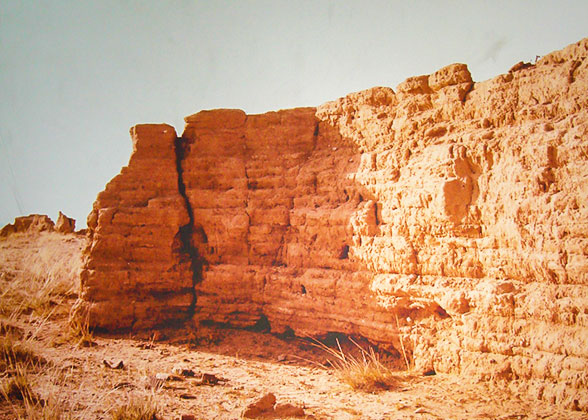 |
| Great Wall in Inner Mongolia |
Historically, Inner Mongolia was the border between the Han nationality and the northern nomadic tribes; hence many Great Wall sections had been built. In total, Great Wall in Inner Mongolia reaches 4,704 miles (7,570 kilometers), about one-third of the Great Wall of China. However, threatened by natural erosion and lack of protection, many sections are in poor conditions, or disappearing.
Basic Facts of the Great Wall in Inner Mongolia
 The 4,704-mile-long Great Wall is widely distributed in 76 counties and banners of 12 cities and leagues.
It was built during many historical periods from the Spring and Autumn Period (770 BC-476 BC) through the Ming Dynasty (1368-1644).
The most important sections were built by the Zhao State during the Warring States Period (475 BC-221 BC), Qin Dynasty (221 BC-227 BC), Han Dynasty (202 BC-220 AD), and Ming Dynasty.
The part in Qingshuihe County of Hohhot, which was built during the Ming Dynasty, is comparatively well-preserved, with more than 5,000 beacon towers.
There are many important fortresses along the wall, such as Gaoque Fortress, Jilu Fortress, and Juyan Fortress. Note: A banner is a political division in Inner Mongolia. It is similar to a county.
|
|
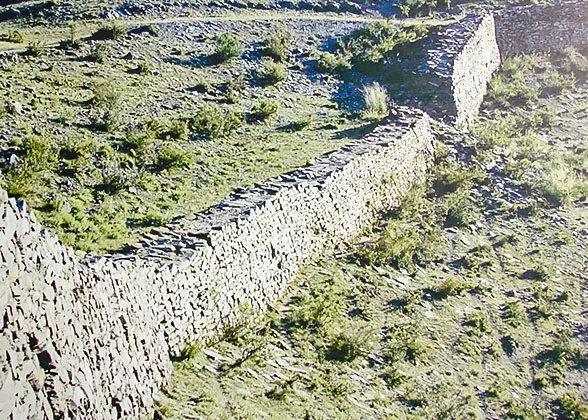
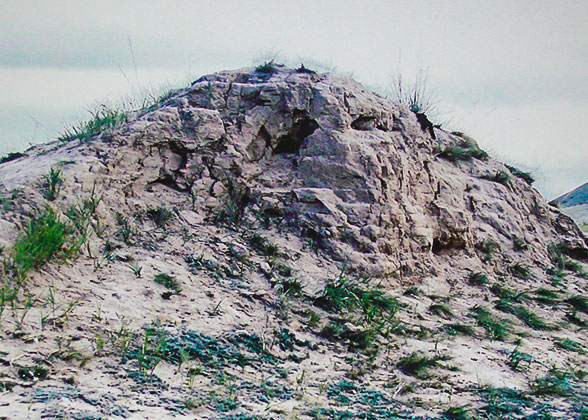
The Juyan Fortress was constructed by the Juyan Lake in 102BC during the Han Dynasty. The relics are scattered in Ejina Banner of Alashan League, Inner Mongolia and Jinta County of Gansu Province. It is noteworthy that a considerable number of engraved wooden slips (narrow strips of wood bearing Chinese characters) have been excavated there.
Great Wall in Qingshuihe
|
|
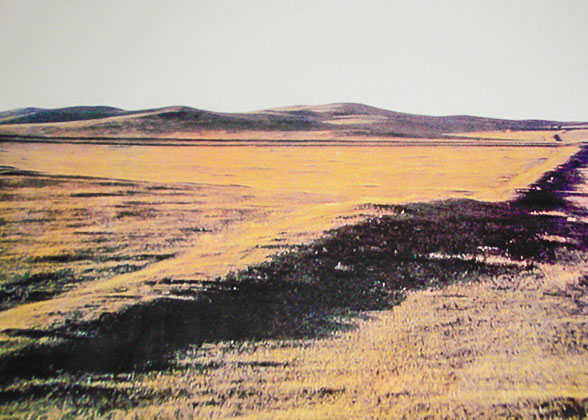
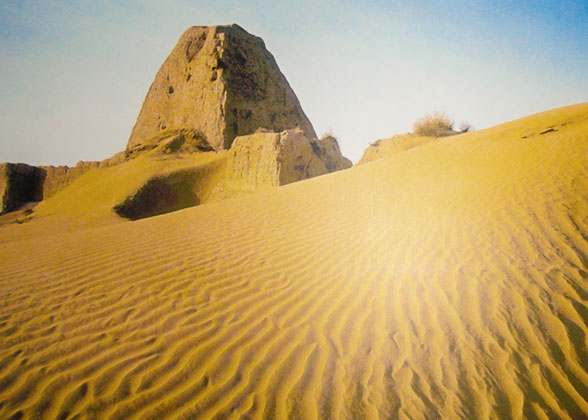
Urgent Protection Is Needed
Fortunately, the local herdsmen have founded protection teams. They ride horses or camels to the areas which are inaccessible to vehicles to reinforce the collapsing wall and beacon towers, take photos, and record data. Yet, more work needs to be done. Let's act now to protect these cultural relics, so later generations can enjoy them.
 Further Reading: Inner Mongolia Travel Guide
 Reply
ReplyIf so, how far is it from Ulan Bataar?
The new seven wonders of the world is my bucket list 😊
 0
0 0ReplyReply00Reply