Jiangsu Travel Guide
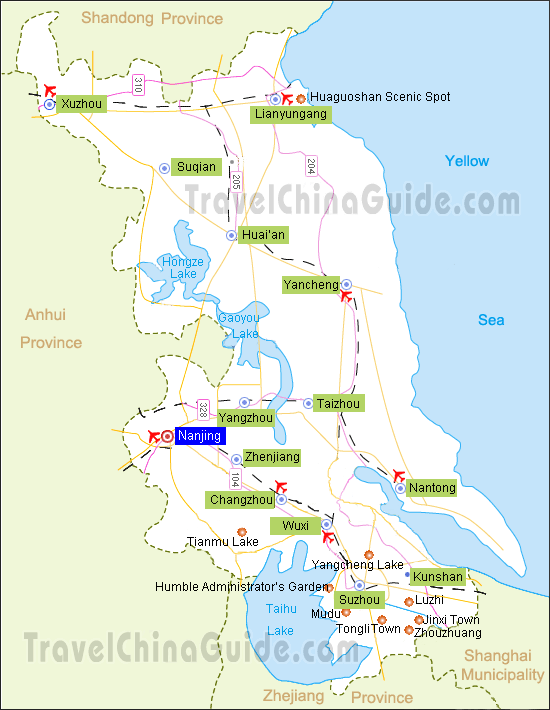 Click to enlarge the above map |
Jiangsu Facts:
Abbreviation: Su
Administration Type: Province
Capital: Nanjing
Location in China's Territory: eastern coastal area; lower reaches of Yangtze River and Huaihe River
Location: 30°45' to 35°20' N, 116°18' to 121°57' E
Climate: transition climate from warm temperate to subtropical
Annual Average Temperature: 13°C-16°C
Annual Average Rainfall: 1,002.7 millimeters
Area: 102,600km² (39,614mi²)
Population (2019): 80,700,000
 Area Code & Zip Code Jiangsu Weather
  Jiangsu Pictures
Cities in Jiangsu
Recommended Jiangsu Itineraries
- Suzhou & Water Town: 2 days of Suzhou-Tongli Water Town
Famous Attractions
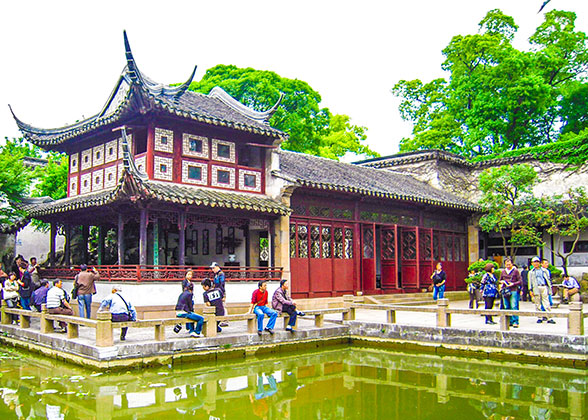 Lingering Garden
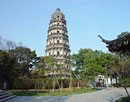 Tiger Hill
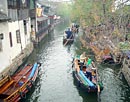 Zhouzhuang
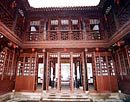 Tongli
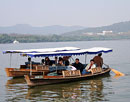 Taihu Lake
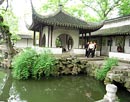 Humble Admini-
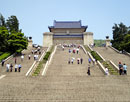 Dr. Sun Yat-sen's
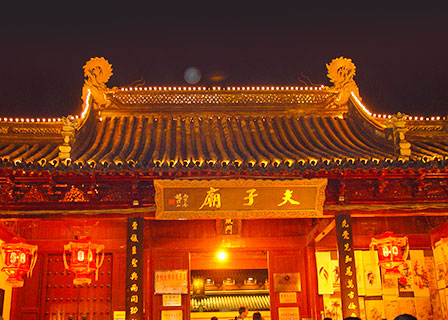
 Confucius
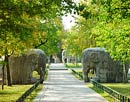 Ming Xiaoling
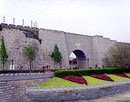 Nanjing
Jiangsu Introduction
Jiangsu, a fertile 'land of fish and rice' since ancient times, is a province with a long history, abundant highlights and relatively developed economy. History
Jiangsu is the birthplace of Wu Culture. From as early as several hundred thousand years ago, it has been a place where human beings inhabited. About 6,000 years ago, primitive villages showed up near Taihu Lake and Hongze Lake of this area, which record agricultural civilization. When China’s first unified dynasty, the Qin Dynasty (221 BC - 207 BC) was built, this region was territory of Jiujiang, Kuaiji and the other prefectures. During the Three Kingdoms Period (220-280), its northern part belonged to Wei while the southern was under control of Wu. Nanjing, called Jianye at that time, was the capital of Wu. After that, Nanjing has acted as the capital for another five dynasties in history, hence the name 'ancient capital of six dynasties'. Nowadays, Nanjing is the capital city of the province. In the dynasties following the Three Kingdoms Period, this area was administrated either separately or as a whole by different administrative units. The present territory of the province was initially shaped in the Qing Dynasty (1644 -1911). This rich history rewards the area with a lot of cultural relics like Confucius Temple, the Qinhuai River, Ming Xiaoling Mausoleum, Dr. Sun Yat-sen's Mausoleum, Daming Monastery and Nanshan Temple. Local Highlights
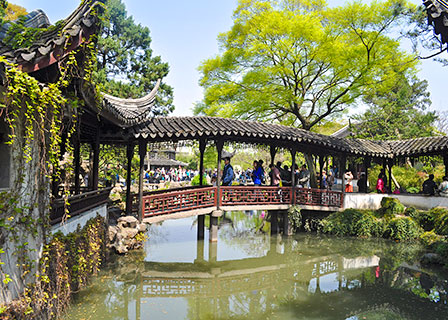
Located along the lower reaches of the Yangtze River, Jiangsu is a place of typical Jiangnan (south of the lower reaches of the Yangtze River) landscapes, represented by classical gardens and water townships. An old saying goes this way: 'the gardens south of the Yangtze River are the best under heaven and among them the gardens of Suzhou are the best'. Suzhou, a famous tourist city of this province, possesses the best classical gardens of the country, including Humble Administrator's Garden, Garden of Master of Nets, Canglang Pavilion and Lion Grove Garden, etc. These skillfully-built classical gardens show how natural scenery and man-made architecture co-exist harmoniously from every single detail like exquisite layout, beautiful color and unique structures. Ancient water townships like Zhouzhuang, Tongli and Luzhi are also representatives of local landscapes. Little bridges over murmuring brooks, rustic cottages along stone-paved streets and tranquil atmosphere all offer visitors unique and special feelings. In addition to attractive landscapes, the area is also famous for its amazing folk arts and well-made handicrafts. Here, visitors can enjoy China's oldest opera - Kun Opera and appreciate colorful brocade- Yun (or Nanjing) Brocade, vivid Suzhou embroidery, small but lovely Huishan clay dolls, delicate Changzhou combs, beautiful Yixing teapots and colorful Nantong kites, etc. Last but not least, delicious Su Cuisine, one of the country's eight cuisines, is also a must for visitors going here. Economy
Due to its excellent environmental conditions and geographical advantages, Jiangsu has been a relatively developed area since ancient times. Situated along the Yangtze River, the area is mostly covered by fertile plains, fresh-water rivers and lakes. It belongs to a transition zone from warm temperate zone to subtropical zone, featuring mild temperature and hot rainy season. All these have helped the area to develop its agriculture. No wonder it has long been called 'a land of fish and rice'. What's more, its coastal location is very convenient for communication with the outside world, leading to its fast development in both imports and exports. In the year 2010, the GDP of the province was second only to Guangdong while its per capita GDP ranked first among all China's provinces (except municipalities). Passport holders of some countries and regions can possibly enjoy a visa-free stay of 144 hours if they make transit in Nanjing Lukou Airport.
Read details about 144-Hour Visa-Free Transit in Shanghai, Jiangsu, and Zhejiang.
 Reply
Reply 0
0 0ReplyReply00Reply00ReplyReply01Reply
As for the return air ticket, it changes frequently according to many factors, so I can only provide a rough price, it may cost around CNY1400.
Reply10Reply