Macau


Attractions


Transportation


Macau Hotels


Dining


Shopping


Nightlife


Tips
When to Go
Fast Facts


Pictures


Airport


Climate


Next

Font Size:  -  Large  -  Small
Located to the west of the estuary of Pearl River (Zhujiang), between mainland China and the Southern China Sea, just south of the tropic of cancer, Macau has a tropical monsoon climate influenced greatly by oceans. The cold Northeast Monsoon from China's mainland and the Southeast and Southwest Monsoons from the ocean dominate this region by turns and therefore Macau's climate has the features of both continent and ocean climates.

The average annual temperature in Macau is about 22C and there are about 100 days with high temperature over 30C. Therefore Macau features a long summer period. The cold days with the average temperature under 10C is less than 30 days and the average temperature of the lowest month is still above three centigrade, which means there's no extreme coldness in Macau.

January to February is the coldest period in Macau when the cold air from Siberia going down via the northern continent and arriving at the peninsular. Sometimes the temperature plummets to 10C below zero. Woolen clothes and overcoats are necessary to keep warm for travelers wanting to spend this period in the city.

Macau's spring is from March to April when the southeast winds bring warm and humidity to area. Despite of a few periods of fog and rain, the days filled with pleasant sunshine are typically accompanied with mild nighttime temperatures. Travelers should be sure to pack sweatshirts and light jackets.

Beginning in May, Macau's summer season usually lasts through September. The extreme high temperatures and heavy humidity bring many rainstorms, thunderstorms and even disastrous waterspouts. The months from July to September might be filled with frequent cyclones. Travelers should attempt to avoid the typhoon season and stay at home when storms and cyclones come. T-shirt and light cottons are suitable for the hot and humid days and raingear is an additional must.

After the hard summer, the intense southwest winds disappear and the winds from the northern continent bring this region a mild autumn with cool days between later September and October. This, typically, is the most comfortable time of year for traveling. For the spring and autumn periods, sweaters and jackets are a good idea for heading out after hours.

Starting in November, temperatures gradually drop, as the cold period begins again.

Typhoons
During the storm season (especially July through September), Macau Observatory (Direccao dos Servicos Meteorologicos e Geofisicos) issues typhoon warnings an average of six times a year. You can check current forecasts and historical weather information on the website of Service of Macau Meteorological Bureau at http://www.smg.gov.mo/e_index.php.

Festivals and Holidays

With a 400-year history blending inhabitation of Chinese, Portuguese and other western cultures, Macau has all sorts of festivals and holidays. Traditional Chinese festivals, local folk and religious feasts and great international events and activities entertain travelers all year long.

Although once a Portuguese colony, Chinese people dominate the popular of Macau-- up to 95%, among which most are from Guangdong and Fujian provinces with their prevailing traditions and folk customs. As a result, celebration of Chinese traditional festivals form an important part of Macau's festive feast.

Traditional Chinese festivals celebrated include: Spring Festival, Qingming Festival, Dragon Boat Festival, Double Ninth Festival and Mid-Autumn Festival.

The traditional Chinese Lunar New Year (Spring Festival) is the greatest celebration in Macau. It is a New-Year welcoming and family gathering time when people get together for a grand family feast. Local people like going out to buy beautiful flowers to decorate houses-- considered to bring good luck to a family. Devout prayers bless a good future and fortunes in A-Ma Temple or Kun Iam Temple.

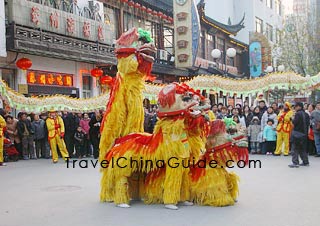
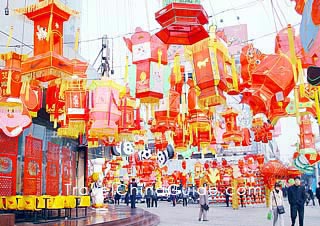
The streets are heavily decorated with lanterns, flowers and other auspicious ornaments. All sorts of celebrative activities such dragon and lion dances, art performances and fireworks display turn the street into a sea of joy.

Dragon Boat Festival (Double Fifth Festival) is another important Chinese festival. The annual Macau International Dragon Boat Races are very popular in Southeast Asia. The exciting boat races attract crowds from all over the region.
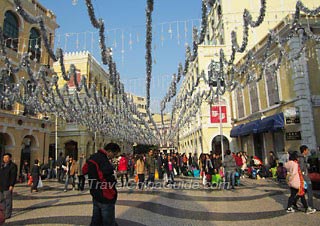
On the days of religious and folk festivals, such as Procession of the Passion of Our Lord, the God Jesus, Feast of the God Tou Tei, A-Ma Festival, Feast of Buddha, Feast of Kuan Tai and other events, ceremonial activities are held with all sorts of elaborate parades, music and dancing performances, and opera displays. These activities are good opportunities for Chinese, Portuguese and westerners to learn more about each other's customs and cultures.

A-Ma Festival on the day of 23rd of March is dedicated to the goddess, A-Ma, said to be a legendary heroine who saved Macau people from storms. People pay homage to the goddess in A-Ma Temple on the day.

Macau Open Golf Tournament and FIVB World Grand Prix and Macau International Marathon are three world-known events which attract thousands of crowds to the city.

A variety of colorful tourist events such as Macau Int'l Music Festival, Macau Arts Festival and the Macau International Fireworks Display Contest are held by Macau tourist organizations and companies as well.


Last updated: June 30, 2008