Chinese Herbal Medicine
Genuine Chinese people have found thousands of plants and herbs associated with the treatment of ailments, so herbal medicine is really a large system. Doctors would analyze their nature or property such as 'cold and hot' or 'yin and yang', utilize all sorts of raw materials, mixing them to cure disease. Thus it is also different from the western medicine.
About the classification, in the Compendium of Materia Medica by Li Shizhen in the Tang Dynasty (618 - 907), there are 1892 types recorded, and giving the detailed information. Today we can briefly divide them in about ten:
|
|
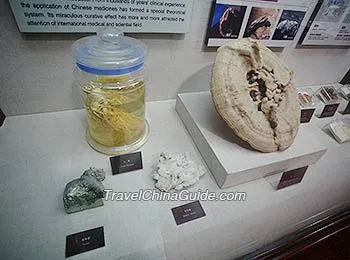
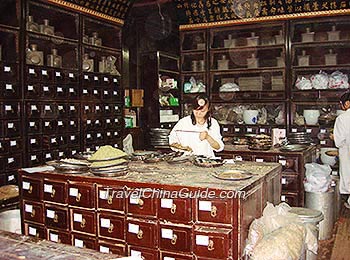
Rhizome: it includes dried ginger with hot nature for asthma and cold, Lily bulb with cold nature for insomnia and weakness, etc.
Other sorts are varied like leaf, flower, seeds, grass, and vines, and so on.
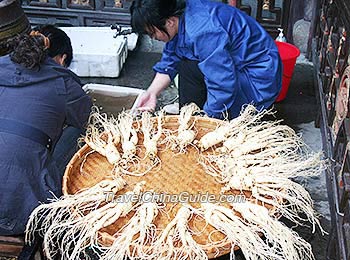
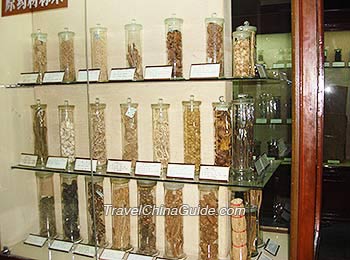
Of course these crude herbs cannot be eaten when put before you, - it needs your own hand to prepare, what patient take is a decoction of the herbs:
The quality is concerned immediately with the decocting jar, quantity of water, and the frequency of decoction. The doctor-recommending way for decoction is that, with a casserole and water amount should be controlled according to the nature of absorbing. Because the medicine bought from the chemist's are usually dry, most of them need to be immersed into the water for 1 - 3 hours before decocting. The effect after 2 or 3 times' decoction is better than once. The amount patient will take is about 200 - 300 ml. for children and 400 - 600 ml. for adults.
|
|
 Further Reading:
 Reply
ReplyTnx
 5
5 0Reply30Reply