Fujian Travel Guide
Fujian Facts
Chinese Name: 福建 (fú jiàn)
Population: 39,410,000
Area: 121,400 square kilometers (46,873 square miles)
Location: in southeast China
Administrative Division: 9 cities (Fuzhou, Xiamen, Quanzhou, Zhangzhou, Putian, Longyan, Sanming, Nanping, Ningde); 12 county-level cities; 44 counties; 29 districts
Area Code: 0591-0599
Zip Code: 350000-3650000
GDP (2018): CNY 3580.404 billion (USD 541.092 billion)
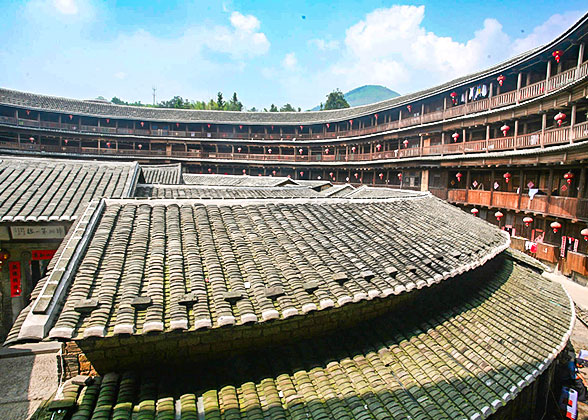
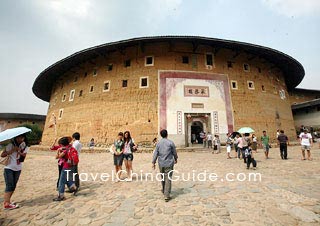
Fujian Province, with its capital Fuzhou, is on China's southeastern coast. It faces the island province of Taiwan across Taiwan Strait to the east. Neighboring provinces are Zhejiang to the north, Jiangxi to the west, and Guangdong to the south. Fujian, located on the coast of the East China Sea, was the starting point of the maritime Silk Road. The pleasant climate and superior location endow Fujian great tourism advantages. Fujian has become a top tourist destination for the beautiful sea and island views, green mountains and special Tulou buildings. See also:
Fujian Weather
Learn Basic Fujian Language – Min Chinese
Fujian Ports: Port of Fuzhou, Xiamen, Quanzhou, Putian
When to Go
The best time to visit Fujian is from March to May and from September to November. But it is hospitable in all seasons for travelers in this province which has a year-round warm and humid climate. Annual average rainfall ranges from a low of 1,400 mm to a high of 2,000 mm, and annual average temperature from a low of 17 C to a high of 21C.
Cities in Fujian
What to See
Fujian is blessed with a rich history, famous historical sites and beautiful natural landscapes. These make Fujian a unique tourist attraction. However, it is not yet a much worn traveler's path.
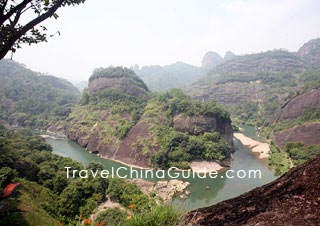
Mount Wuyi (Wu Yi Shan) may enlighten you with its wonderland tour. Its beautiful mountains, vigorous rocks and limpid waters are legendary. Gulangyu Island, also called "the Garden on the Sea" by people in Xiamen, is a world of sea breezes, sunshine and exotic architecture with a Mediterranean flavor. Nanputuo Temple, among the four well-known Buddhist shrines in the nation, has the longest and most prestigious history.
|
|
Oolong tea produced in Fujian is famous, so if you have a chance to visit this province, you must taste it there with relish.