National Museum of China
 Latest News: Latest News: A new exhibition at the National Museum, "Twin Stars Shining," showcases treasures from the lost 3,000-year-old Sanxingdui civilization, including its iconic bronze masks. It will run for 7 months, until August 18, 2026. A new exhibition at the National Museum, "Twin Stars Shining," showcases treasures from the lost 3,000-year-old Sanxingdui civilization, including its iconic bronze masks. It will run for 7 months, until August 18, 2026. |
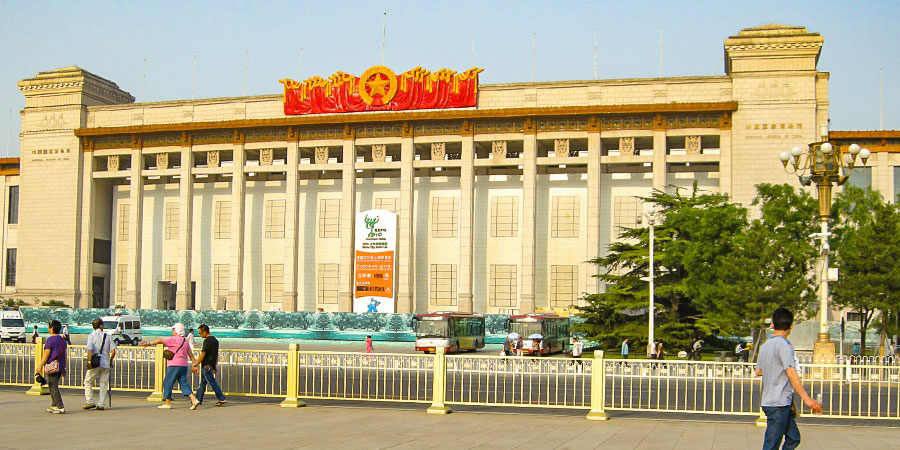
Established in 2003, the National Museum of China stands as the nation's premier relic museum. Covering nearly 200,000 square meters (239,198 square yards), it is one of the largest museums in the world. To help you navigate its 48 exhibition halls without feeling overwhelmed, this guide prioritizes the unmissable treasures and provides a strategic route starting from the museum's historical heart.
 |
Top 5 Must-See Exhibits
Most of the museum's "National Treasures" are concentrated in the Ancient China section on the B1 level. If you have limited time, prioritize these five masterpieces:
Houmuwu Square Cauldron
-from Xia, Shang, and Western Zhou Dynasties (2070-771BC)
A massive ritual vessel cast for a royal woman, the Houmuwu Square Cauldron remains the largest and heaviest bronze artifact ever unearthed globally, the pinnacle of bronze casting. It weighs an impressive 832.84 kilograms (1,836 lbs), stands 133 centimeters (4.36 ft) tall, and measures 110 centimeters (3.6 ft) across its mouth—surpassing the combined weight of over ten adult men and creating a powerful visual impact. The creation of such a colossal bronze vessel over three millennia ago was a technological marvel.
|
|


Four Rams Square Wine Vessel
-from Xia, Shang, and Western Zhou Dynasties (2070-771BC)
Used for state ceremonies, this masterpiece utilized the remarkable casting technique “double casting” involved separately molding complex components like ram horns and dragon heads before integrating them into the main body, resulting in a seamless fusion of parts. Adorned with intricate and elaborate decorations that are fluid, clear, layered, and meticulously arranged on the hard bronze, it showcases the craftsmen's extraordinary mastery of material and aesthetic pursuit despite the primitive tools and lack of modern metallurgy. In ancient Chinese culture, rams symbolize auspiciousness, prosperity, gentleness, and wealth, reflecting the people's prayers for harmony and fortune.
Empress Xiaoduan's Phoenix Crown
-from Ming and Qing Dynasties (1368-1911)
Embedded with 71 rubies, 57 sapphires, and 5,447 natural freshwater pearls, this crown was inlaid with filigree and nearly 2,000 blue-green kingfisher feathers. The nine dragons and nine phoenixes symbolize the empress's supreme status. It's one of the museum's most popular artifacts, often requiring a wait to view.
|
|


Jade Burial Suit with Gold Thread
-from Qin and Han Dynasties (221AC-220BC)
Worn by Han dynasty (202BC-220) royals and nobles after death, this burial suit is made of 1,203 jade pieces stitched together with 2,567 grams of gold wire. Believed to preserve the body, this is the first complete and well-preserved royal Han burial suit ever unearthed in China.
Hongshan Jade Dragon
-from Prehistoric Era, 5000-6500 years ago
The Hongshan Jade Dragon, a sacred object for ritual communication with deities or a symbol of tribal power, is the earliest and most complete dragon-shaped jade carving discovered in China, hailed as "China's First Dragon”. It significantly predates the history of dragon totem worship, confirming the origins of dragon culture in the Liao River Basin and challenging previous "Central Plains centrism" views.
|
|


Layered Travel Guide
B1 Level: The Foundation of Civilization
As the heart of the museum, this exhibit systematically showcases the evolution of Chinese civilization from ancient times to the Ming and Qing dynasties (1368-1911). Featuring over 5,000 artifacts including stone tools, bronzes, and ceramics, it serves as a cornerstone for understanding the origins and development of Chinese culture. The Intangible Cultural Heritage zone integrates a theater, academic lecture hall, and studio, hosting interactive events like traditional opera performances and artifact restoration demonstrations, promoting both education and cultural preservation.
Between B1 and 1F, there is the ground floor, an open area between the first floor and B1 showcases late Qing Dynasty (mid-19th to early 20th century) porcelain and Buddhist sculptures.
|
|


1st Floor: Modern Achievements
 |
| Aero Space Exhibit, 1F |
Moving into the Central Hall on the 1st floor, the focus shifts from ancient heritage to high-tech innovation. This area features China's Manufacturing Achievements During 2021~2025 display. Here, you can explore China's modern "treasures" from its developmental journey, including aerospace-related items such as models of high-precision rockets and space probes, cutting-edge technologies like new energy vehicles and drones, and smart home devices that reflect daily life innovation.
While at the West Hall on this floor, your gateway to the museum, don't forget to look up to the 368 caisson ceilings. Blend traditional and modern aesthetics, they provide both lighting and ventilation while creating a solemn atmosphere.
2nd & 3rd Floors: China's Road to Modernity
This expansive area offers a visual history of China's transformation from the late Qing Dynasty into a modern global power. Visitors can trace the country's technological leaps—from 19th-century steam machinery to the cutting-edge aerospace tech of the 21st century, including genuine artifacts from China's lunar exploration programs. The exhibits also feature snapshots of daily life, showing how urban landscapes and fashion shifted through the decades, making it a must-see for those interested in the socio-economic forces that shaped the modern world.
In addition, the 3rd floor offers the Ancient Chinese Dietary Culture exhibit, where you can see how Chinese cuisine—from palace feasts to street food—evolved through the centuries.
|
|


4th Floor: Masterpieces of Art and Craft
This floor houses permanent collection highlights, organized by themes rather than era. This is a paradise for connoisseurs of specific crafts. You can explore dedicated halls for Buddhist Sculptures, featuring serene stone carvings from the Tang Dynasty, as well as galleries for Classical Paintings, Jade, and Coins.
|
|


Recommended Visit Route
 |
| Bronze Tripod, National Museum |
For the most efficient experience, start underground at the B1 Level and then work your way up to the specialized galleries on the higher floors. Recommended route is as follow:
B1 Level (90 mins): Immerse in the "Ancient China" chronicles and see the top 5 treasures. 4th Floor (60 mins): Take the elevator directly to the top to admire the specialized art galleries. 2nd & 3rd Floors, and End at 1st Floor (60-90 mins): Conclude your visit by particularly exploring the modern technology exhibits of these floors.How to Reserve & When to Visit
Advance reservations can be made up to 7 days prior through either the museum's official website (offering an English version with email registration) or WeChat (which operates in Chinese and requires a Chinese phone number for registration).
Entry is divided into three time slots: 9:00–11:00, 11:00–13:30, and 13:30–16:00. Tickets are released daily at 17:00. Visitors must enter with their passport used for booking during the reserved time slot via the north entrance.
|
|

 National Museum Tickets Booking
The museum is open daily from 9:00 to 17:00 (last entry at 16:00), closed on Mondays (except public holidays). From June 1 to October 31, peak season hours extend to 17:30 (last entry at 16:30). To beat the crowds, avoid weekends and holidays. Book the 9:00–11:00 weekday slot and arrive by 8:30 for shorter lines and a more relaxed experience.
How to Get To
 |
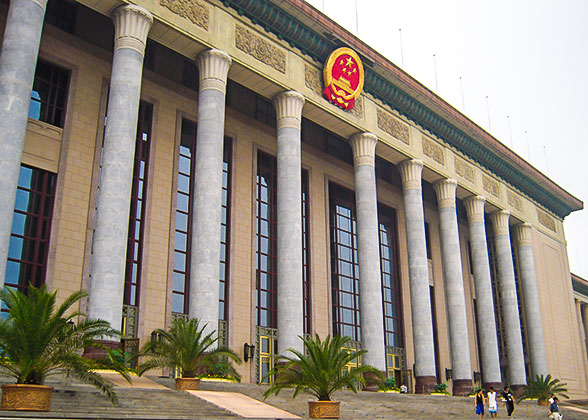
The National Museum of China, located on the east side of Tiananmen Square in Beijing, faces the Great Hall of the People across the square.
Take Subway Line 1 to Tiananmen East Station, exit D for the museum's north entrance queue. If exit D is closed, use exit C. Be mindful that queues for the museum and Tiananmen Square are adjacent; follow signs or ask staff to avoid confusion.
Security Check & Baggage Storage
Two checks upon entry: one for bags, another for prohibited items on your person. Use the express lane if you’re not carrying luggage. Food and water are allowed in bags. Power banks up to 20,000 mAh are permitted. If your water is opened, you need to drink it for test.
 |
| Lockers at 1F |
1st floor, north section west side (closest to the entrance, fills quickly).1st floor, south section west side.3rd floor, east side.Storage fees: Free for the first hour, CNY 1 per hour thereafter, capped at CNY 5 per day.
Please mind that large luggage and suitcases are not allowed inside. You can store them at the left or right basement level near the north gate (CNY5–10).
Practical Tips for Visitors
 |
| Colored Glaze Exhibit of the Museum |
Direct Access to Tiananmen Square
If you've booked the museum, no additional reservation is needed for the square. Just visit it directly after leaving the museum.
Several Dining Options Inside
The museum has three restaurants and two cafes, offering light meals like sandwiches (about CNY28) and hot dogs. Bringing snacks is recommended to keep energy up.
Audio Guide Available on B1, 1F, 2F & 4F
Available for rent on B1, 1st, 2nd, and 4th floors, supporting English. It costs CNY48 for 3 hours and covers Ancient China, Ancient Chinese Clothing Culture, and Ancient Chinese Coins.
Comfortable Footwear
Comfortable shoes are recommended for the extensive walking required during your visit.