 |
| Click to enlarge |
Dali Facts
Chinese Name: 大理市 (dà lǐ shì)
Population: 679,100
Area: 1,815 square kilometers (5.971 square miles)
Location: in the northwest of Yunnan, southwest China
Area Code: 0872
Zip Code: 671000
GDP (2019): CNY 39.508 billion (USD 18.15 billion)
Nationalities: Bai, Han, Yi, Hui
Once Capital of Ancient Yunnan
Located northwest of the Yunnan Province, 350 kilometers (217 miles) northwest of Kunming, Dali City is the capital of the Dali Bai Autonomous Prefecture. It once served as the capital of Nanzhao and Dali Kingdom (738 - 1253) and as the political, economic and cultural center of ancient Yunnan for more than 500 years. For many Chinese travelers, Dali is a must-go city on a trip to Yunnan. The luxuriant forests, beautiful Erhai Lake, not to mention its many historic attractions, make it the perfect antidote from the rush and busy life.
 |
| Erhai Lake |
 Pictures
  Video
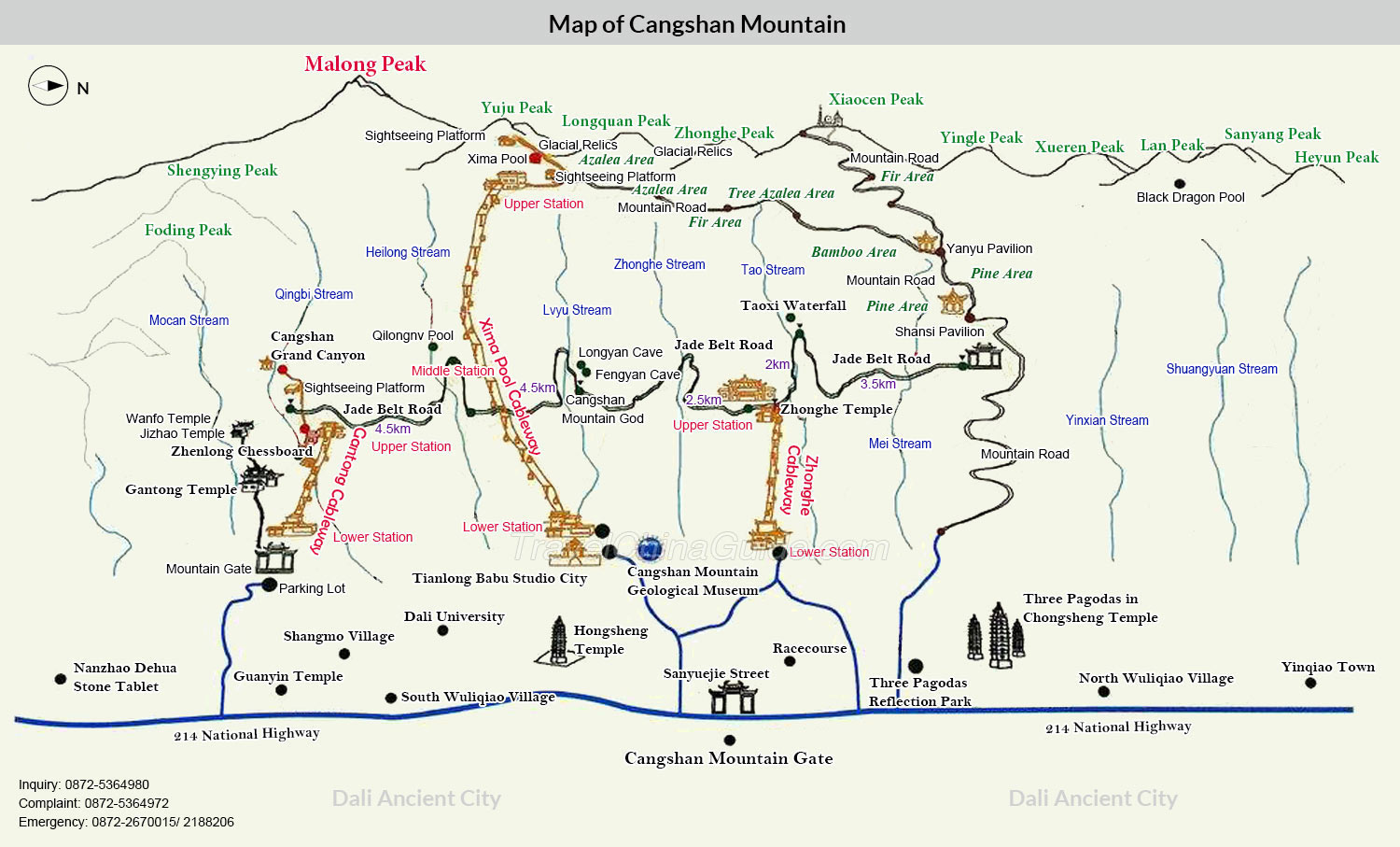
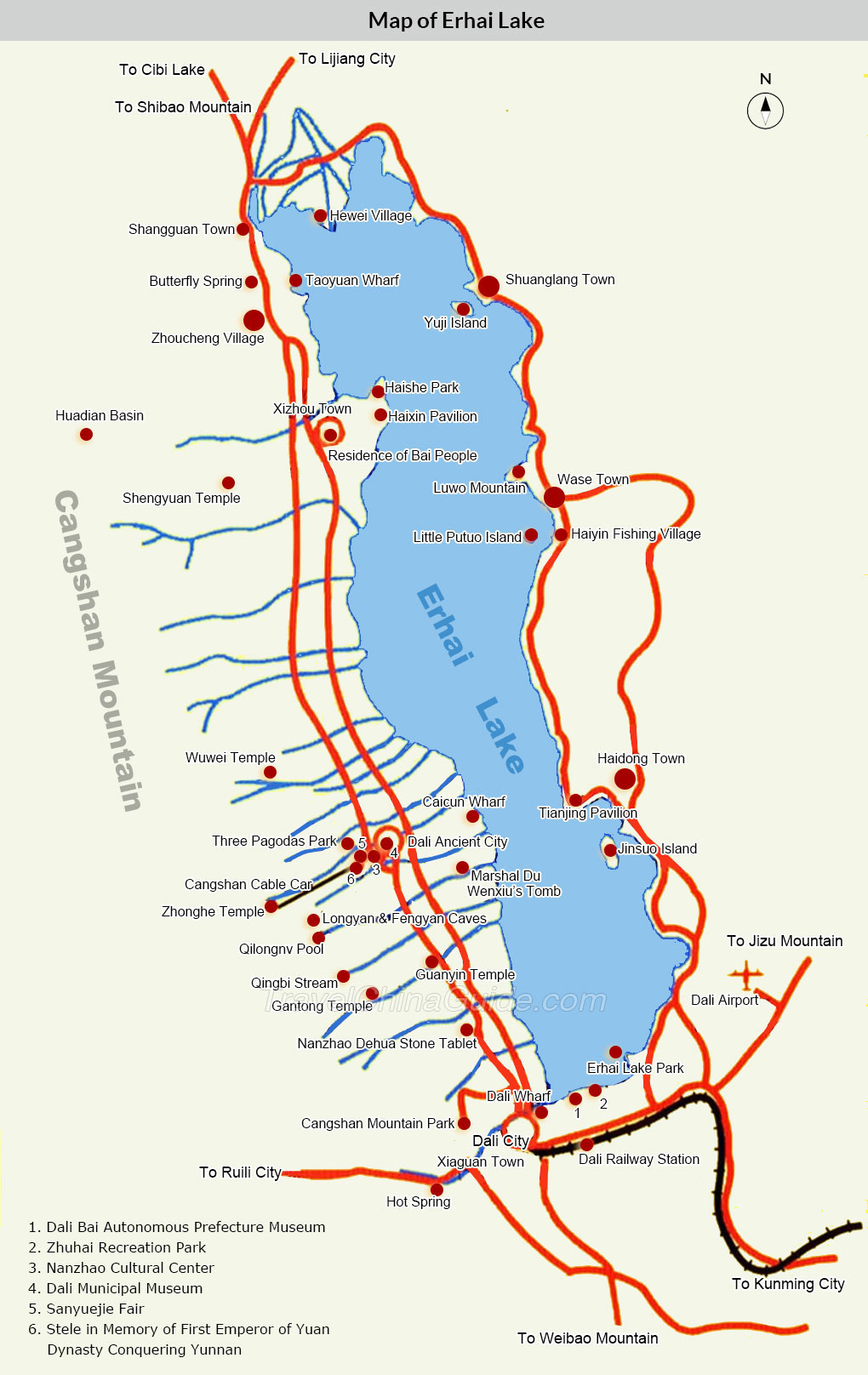
Video Ancient buildings, city walls and the old city moat are the sites most frequented by visitors. Cangshan Mountain and Erhai Lake are praised as the city's leading scenic areas. Most attractions lie between these two landmarks, such as the Butterfly Spring, and the Three Pagodas of Chongsheng Temple.
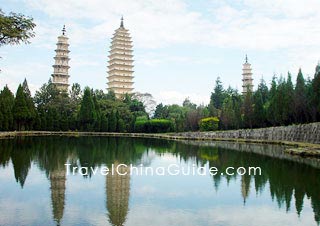 |
| The Three Pagodas |
 Top 10 Things to Do in Dali
Recommended Tours:
Yunnan Highlights: 9 days to Kunming,Dali, Lijiang & Shangri-la
Hiking Itineraries: Information about hiking in the city for your reference
Bicycle Itineraries: Offer information about cycling around the city
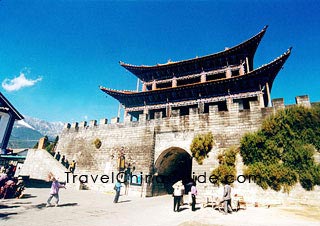 |
| Dali Ancient City |
Dali Airport is located in the junction of Fengyi Town and Haidong Town, Dali City, Dali Bai Autonomous Prefecture, Yunnan Province, southeast of China. As a vital tourist airport, it is about 13 kilometers (about 8 miles) from Dali City, 5 kilometers (about 3 miles) from Erhai and 30 kilometers (about 18.5 miles) from Dali Ancient City. Airport shuttle bus runs to downtown Dali.
 | | Dali Railway Station | |  | | Dali Taxi | |
History: As early as 4,000 years ago, the ancestors of the Bai people settled in this area. In the Second Century AD, it was brought into the territory of the central government of Han Dynasty (206 BC-220AD). Two ethnic states, the Nanzhao State (738-937) in Tang Dynasty (618-907), and the Dali State (937-1253) in Song Dynasty (960-1279), were once established here as well. Throughout ages, it remained an intermediary area linking economic and cultural communications between ancient China and other countries via India. The remains of the Tai He City and the Dali Ancient City bear witness to thousands of years of historic changes once happened here. Together with the Xizhou Town and the Zhoucheng Village, the ancient towns around show the best of historic customs of daily life within the Bai Minority.
 | | Dwelling of Bai Minority at Xizhou, Dali | |  | | Tie-dying at Xizhou Town | |
 |
| Dali Snacks |
Local Highlights: Ethnic minorities have inhabited in this area for generations, with the Bai Minority making up the majority of its population (65%). The customs of the ethnic minorities bring charm to daily life. Each spring, celebrations and festivals bring the city to life. Celebrations such as the March Street Festival and Butterfly Fest provide excellent opportunities to learn about local folk customs.
Special Local Products: The famous Foreigner Street in the Ancient City attracts visitors with its handicrafts, and local culinary delicacies. Xiaguan, located to the south of the Ancient City, home to the government of the Dali Bai Autonomous Prefecture. Here hotels, public squares, and shopping centers add modernity to the otherwise historical city.
 Further Reading:
Dining Shopping
10 Best China Honeymoon Destinations for Couples
- Last updated on Mar. 31, 2026 by Gabby Li -