Are tourists allowed to go to Tibet? Can I travel independently?
Yes, foreign travelers can visit Tibet, but independent travel is not allowed. You need a Chinese Tourist Visa (unless you qualify for visa-free policy) and a Tibet Travel Permit to enter. Then travel on an organized tour booked through a licensed travel agency, which will provide a guide and vehicle. If you plan to travel outside Lhasa to Mount Everest Base Camp or Shigatse, an Alien’s Travel Permit is also required.
How to obtain a Tibet Travel Permit?
We’ll handle the entire application process for all guests who book our tours. Since the permit issuance often takes 15 to 20 working days, we highly recommend confirming your itinerary at least 3 months in advance. You just need to provide scanned copies of your passport’s personal information page and visa. Once issued, we will email you an electronic copy and courier the physical permit to your hotel in China before the tour to ensure a smooth entry.
Is it safe to visit Tibet?
Yes. Tibet is safe for travelers with almost non-existent violent crime and robbery. The biggest concern is altitude sickness, so it is best to leave extra rest days for acclimatization. While the harsh weather and sparse medical infrastructure can be challenging, you can prepare by packing layered clothing and bringing suitable altitude or emergency medications.
How bad is altitude sickness in Tibet?
Tibet has an average elevation of over 4,000 meters (13,123 ft.), but altitudes vary by destination:
● Lhasa: 3,650 meters (11,975 ft.)
● Shigatse: 3,836 meters (12, 585 ft.)
● Namtso Lake: 4,718 meters (15,479 ft.)
● Everest Base Camp: 5,050 meters (16,568 ft.)
Most people experience varying degrees of altitude sickness upon arrival, with the first signs like mild headache, nausea, fatigue, or an increased heart rate. For those with moderate physical fitness, it’s entirely manageable with proper rest and hydration.
However, travelers over the age of 70, or those with hypertension, heart disease, or respiratory issues, must consult a doctor for medical clearance. A thorough physical examination and a signed letter of liability are also essential. For peace of mind, consider getting your personal comprehensive high-altitude travel insurance that covers medical treatment, hospital stays, or emergency evacuation.
How to avoid altitude sickness in Tibet?
1.Pre-trip Preparation: Boost your cardiovascular and pulmonary health with moderate aerobic exercise weeks before traveling, and prepare preventive medications under your doctor’s guidance.
2.Upon Arrival: Avoid any vigorous physical activity and skip showering for the first few days to prevent catching a cold, which can aggravate your sickness.
3.Daily Habits: Avoid alcohol and smoking for at least the first 48 hours. Stay well-hydrated by drinking plenty of water, and opt for easily digested meals, eating until you are about 70% full.
How many days are enough for Tibet?
4-5 days promise a complete exploration of Lhasa’s cultural landmarks, and 6-8 days are ideal for acclimating comfortably while covering major highlights like Yamdrok and Namtso Lakes. An in-depth panorama demands 10-15 days, including a pilgrimage to Everest Base Camp and trekking around Mount Kailash and Lake Manasarovar. If you have a holiday of two weeks or longer, consider extending your journey to Nepal or other main cities in China.
How to get to Tibet?
● By Air: Direct flights operate daily to Lhasa Gonggar Airport or Nyingchi Mainling Airport from major gateway cities like Beijing, Shanghai, Xi’an, and Chengdu, with durations of 3.5 to 6 hours. While Lhasa has more frequent connections, flying into Nyingchi is also popular, as its lower altitude (2,800 m / 9,186 ft.) offers an easier acclimatization process.
● By Train: Traveling via Qinghai-Tibet Railway from Chengdu, Chongqing, and Beijing offers a more budget-friendly and scenic alternative. After transferring in Xining, the trains provide oxygen throughout the cabins, and the gradual ascent helps mitigate altitude sickness. Given that train sleeper tickets are in high demand and short supply, please book your itinerary early so we can secure the tickets for you.
Can I reach Everest Base Camp?
Yes. You can access it by vehicle instead of arduous treks on the Nepal side. Once there, marvel at 5 mighty snow-capped peaks above 8,000 meters (26,246 ft.) and enjoy a view of the North Face of Everest clearer than the one seen from Nepal. If you plan to stay overnight at the camp, get ready for rustic lodging conditions, with no running water and limited electricity supply. Bringing extra thermal layers such as a sleeping bag liner and a thick down jacket will also be useful.
When is the best time to visit Tibet?
The ideal window is from May to October. During these months, the air’s oxygen content reaches its annual peak, and the average temperature, ranging from -5℃ to 25℃(23-77℉), is pleasant for outdoor sightseeing. In contrast, January is the coldest month, with nighttime temperatures dropping to an average of -10℃ to -15℃(5-14℉). But thanks to abundant sunshine and comfortable daytime temperatures around 7℃(44.6℉), winter travel remains viable in lower-altitude destinations like Lhasa. You can pack a heavy down jacket, thermal base layers, and windproof pants accordingly.
Noticeably, July and August mark both peak summer season and the local rainy season, resulting in challenges like mudslides, road disruption, and fierce competition for tickets and accommodations. We suggest planning and booking well in advance if you want to travel during these two months.
Why is it so expensive to go to Tibet?
The primary driver of high costs is transportation. Beyond flight and train fares, the vast distances between attractions significantly increase labor and fuel costs. Due to a limited supply of licensed tourist vehicles and drivers, daily charter rates are higher than in other regions. Furthermore, because most daily necessities must be transported from inland China via road or air, high logistics costs directly inflate the prices of local food, lodging, and supplies.
If you do not mind cooler weather, perhaps plan your trip during the cheapest season from November to March, as hotels, airlines, and major attractions often offer discounts of up to 50% during this time, and you can take in snow-covered landscapes and a more authentic spiritual atmosphere with fewer crowds.
Do I need cash in Tibet?
Yes. We recommend carrying some CNY cash in small bills. While mobile payments such as Alipay and WeChat Pay are widely accepted in hotels, cafes, and restaurants that offer free Wi-Fi across Lhasa and Shigatse, they are unreliable in rural areas or remote destinations like Everest Base Camp. Additionally, credit cards are rarely accepted outside of high-end international hotels.
Are there etiquette or cultural rules to observe during a Tibet tour?
1.Temple Visits: Please dress modestly by keeping your shoulders and knees covered, step over the threshold rather than on it, and remove your hat before entering.
2.Pilgrimage Circuits: Always walk clockwise when moving around temples, monasteries, pagodas, mani stones, and prayer wheels.
3.Gestures: Show respect to Buddhist statues and scriptures without touching them, and avoid touching anyone on the head, as it is considered the seat of the soul in Tibetan culture.


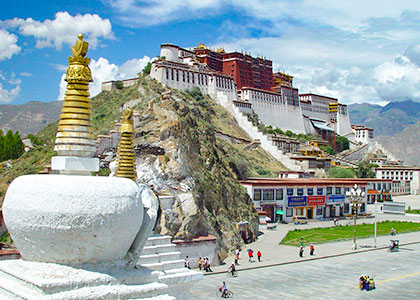 Mysterious Lhasa Tour Package4 Days Lhasa to Drepung Monastery, Sera Monastery, Potala Palace, & Jokhang Temple from USD539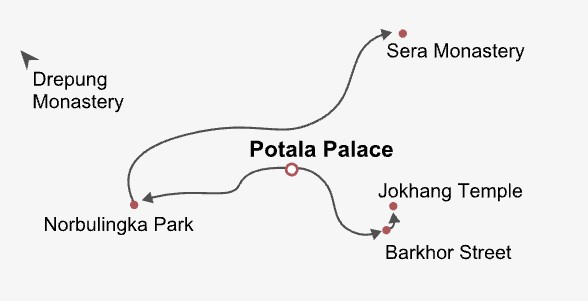
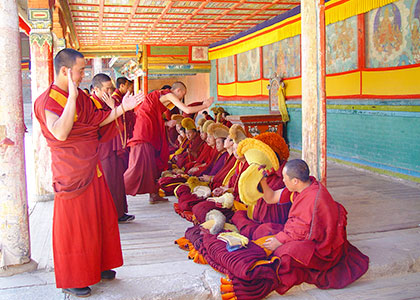 Golden Triangle of Tibet6 Days Trip to Lhasa, Gyantse & Shigatse from USD829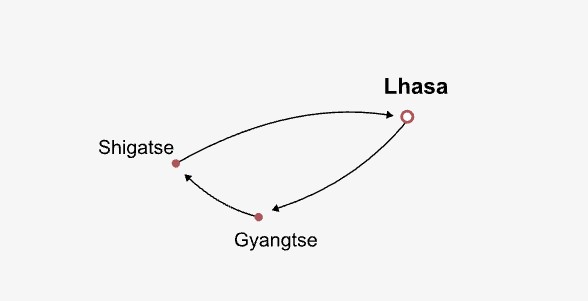
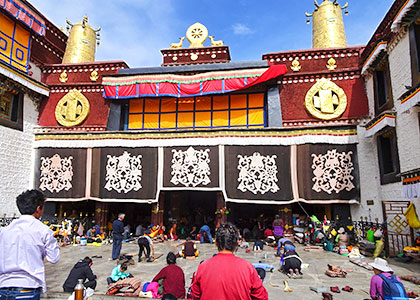 Expedition to the Everest8 Days Tibet Package of Lhasa - Gyantse - Shigatse - Dingri - Everest Base Camp - Lhasa from USD979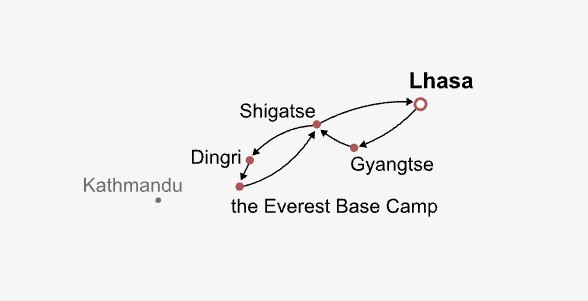
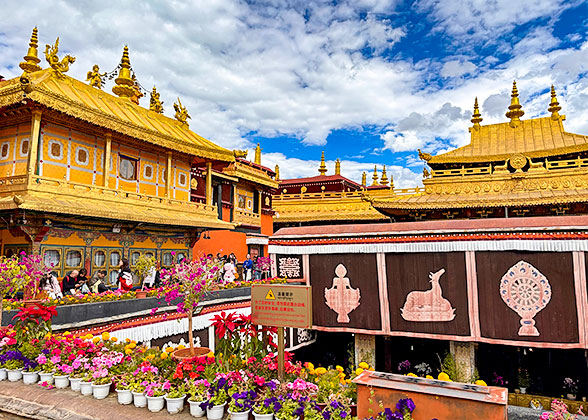 Historic China with Tibet11 Days Beijing - Xi'an - Lhasa - Shanghai from USD2859USD2515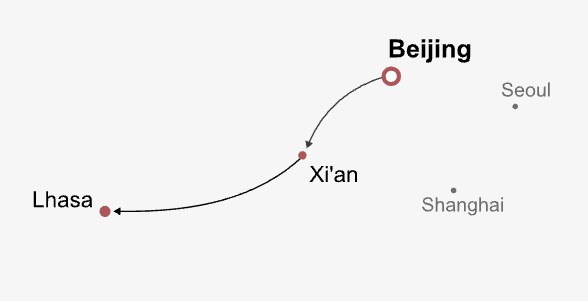
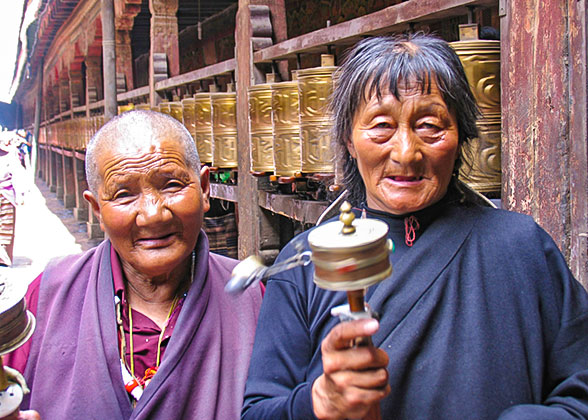 Qinghai & Tibet Railway Journey6 Days Xining - Qinghai Lake - Lhasa from USD1129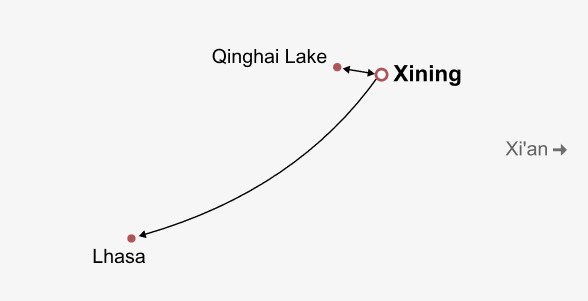
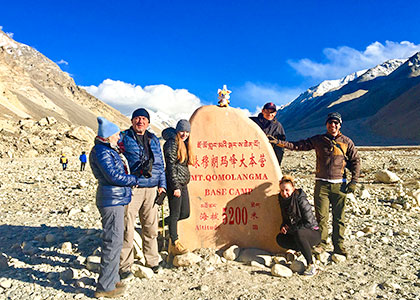 Tibet to Nepal Overland Trip11 Days Lhasa - Gyantse - Shigatse - Dingri - Everest Base Camp - Gyirong - Kathmandu from USD2579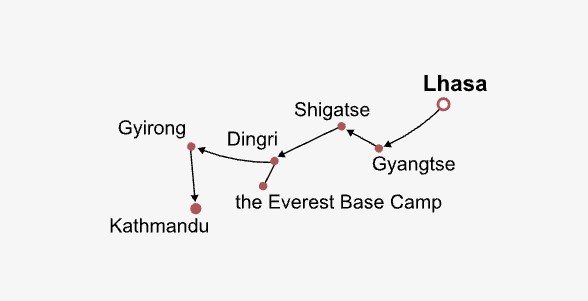
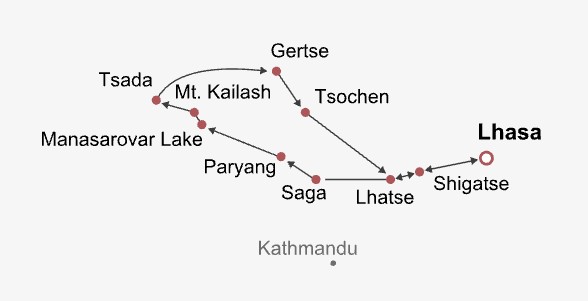
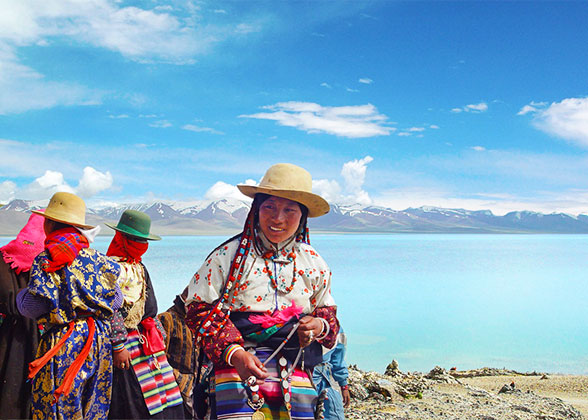 Epic Tibet: Mt. Everest, Kailash & Lake Manasarovar14 Days Lhasa - Gyantse - Shigatse - Mt. Everest - Saga - Tarchen - Mt. Kailash - Purang - Lake Manasarovar - Saga - Lhatse - Shigatse - Lhasa