China National Tea Museum
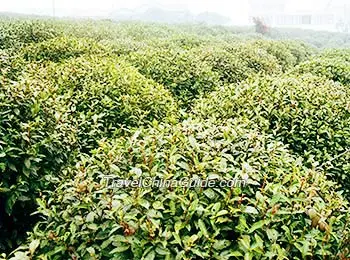 |
Tea plant National Tea Museum Pictures National Tea Museum Pictures |
China National Tea Museum is the only one in the country with the tea theme. It has no external walls but is enclosed by vegetation giving the unique impression that the halls and the tea plants inside depend upon each other. Additionally, one hundred distinctive Chinese characters relating to tea are enchased in the road to add color to your trip.
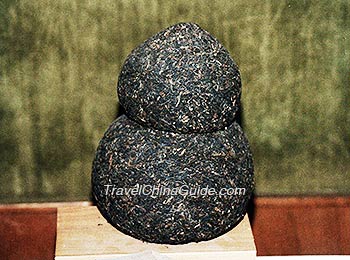
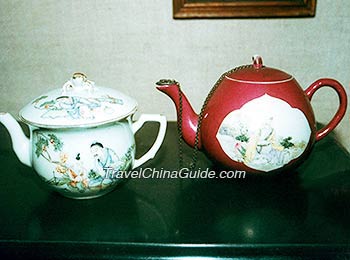
China National Tea Museum is comprised of four groups of buildings which display the history and development of tea in China. The exhibition building is divided into six halls to show the history of growing and processing of tea. They are the Hall of Tea History, the Kaleidoscope Hall, the Hall of Tea Properties, the Tea-friendship Hall, the Tea Sets Hall, and the Tea Customs Hall. Here, different halls illuminate different aspects of tea and its culture in the long history. The Tea Customs Hall is recommended. Here visitors can discover the great impact of tea on the lives of various minority groups of the country. The Kaleidoscope Hall features more than three hundred kinds of tea, including the six basic types of tea of the country and some reprocessed teas. To learn more about these kinds of tea, take a digital earphone upon arrival.
|
|
Besides functioning as a museum, here is also a research institution which often holds conferences on tea and its culture. This work has received much attention from government as well as other sectors of society. Inside China National Tea Museum, visitors also have opportunities to see a tea art performance and drink teas in a calm and quiet place.
How to get to China National Tea Museum
Take bus 27 or 87 and get off at Shuangfeng Station, then work northwestward to the museum.
| Entrance Fee | Free |
|---|---|
| Opening Hours | May - Oct. 7: 9:00-16:30; |
 Read more about Chinese Tea:
- Tea Types
- 10 Best Chinese Tea
- Top 10 Most Expensive Tea
- Green Tea
- 10 Best Green Tea
- Longjing Tea
- Biluochun Tea
- Huangshan Manfeng Tea
- Oolong Tea
- Tie Guan Yin Tea
- Wuyi Tea
- 10 Benefits of Oolong Tea
- White Tea
- 10 Famous Black Tea
- Keemun Tea
- Pu erh Tea
- Jasmine Tea
- 8 Chinese Herbal Tea
- 9 Chinese Flower Tea
- 4 Chrysanthemum Tea
- 8 Weight Loss Tea
- 12 Diet Tea
- Tea Set
- Tea Ceremony
- Tea Culture
- 7 Wonderful Benefits
- 10 Beautiful Tea Gardens
- How to Make Chinese Tea
- Last updated on Jul. 24, 2026 by Sherry Xia -