Chinese Medicinal Food
Chinese medicinal food is a long standing tradition. Early records show that it was in use as far back as the Han Dynasty (206 BC - 220). Through continual improvement during succeeding dynasties, it has developed into a practical science of nutrition. This is not a simple combination of food and traditional medicine, but is it a distinctive cuisine made from food and medicinal ingredients following the theory of Chinese medicine.
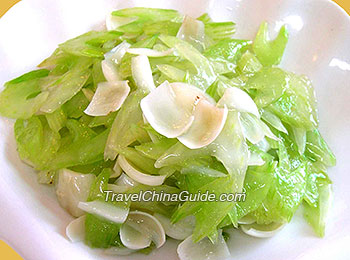 This not only became the means of health-preservation among the people of China, but also spread abroad, especially into Southeast Asia. There is now sufficient interest from people wishing to learn about alternative medicine that regular conventions are held to promote this branch of medical science.
There is a wide choice of foods that are used in many different ways to promote health and well-being. It is estimated that there are more than 600 different kinds of resource ranging from cereals, fruits, vegetables, meats and marine products. Many of these will be unfamiliar to foreigners who may be reluctant to try them; however all are quite precious and effective in the field of medicinal food. Many different ingredients are used to add to the appeal as well as to strengthen effects of the cuisine. Wine, sugar, oil, salt, vinegar and honey, and other commonly available items such as almonds, mandarin orange, or peanuts, all are utilized in the cooking process.
This not only became the means of health-preservation among the people of China, but also spread abroad, especially into Southeast Asia. There is now sufficient interest from people wishing to learn about alternative medicine that regular conventions are held to promote this branch of medical science.There is a wide choice of foods that are used in many different ways to promote health and well-being. It is estimated that there are more than 600 different kinds of resource ranging from cereals, fruits, vegetables, meats and marine products. Many of these will be unfamiliar to foreigners who may be reluctant to try them; however all are quite precious and effective in the field of medicinal food. Many different ingredients are used to add to the appeal as well as to strengthen effects of the cuisine. Wine, sugar, oil, salt, vinegar and honey, and other commonly available items such as almonds, mandarin orange, or peanuts, all are utilized in the cooking process.
|
|
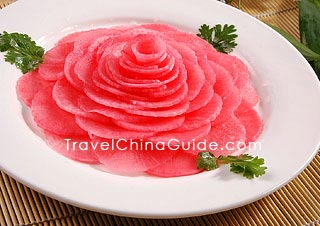
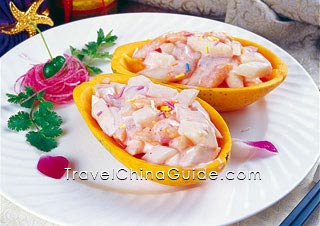
Health-protection cuisine refers to reinforcement of required nutritional food correspondingly to maintain the organic health. A soup of pumpkin and almond can help lose weight; soup of angelica and carp can add beauty; and ginseng congee can give more strength.
Prevention cuisine builds resistance to potential ailments. Mung bean soup is considered helpful as a guard against heat stroke in summer. Lotus seeds, lily, yam, chestnuts, and pears can assist in the prevention of dryness in autumn and a strengthening of resistance to cold in winter.
|
|
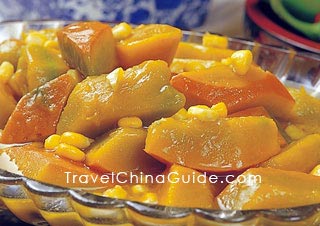
Therapeutic cuisine aims at the specific pathology. Fried potatoes with vinegar can adjust the organ and restrain hypertension and carp soup with Tuckahoe may enrich the strength of blood plasma albumen to help reduce swelling.
Have a try and you will enjoy the delicacy while benefiting a lot from the nourishment. A really amazing experience!
You May Like
- Last updated on Aug. 08, 2025 by Gabby Li -