Shanhaiguan Great Wall Pictures

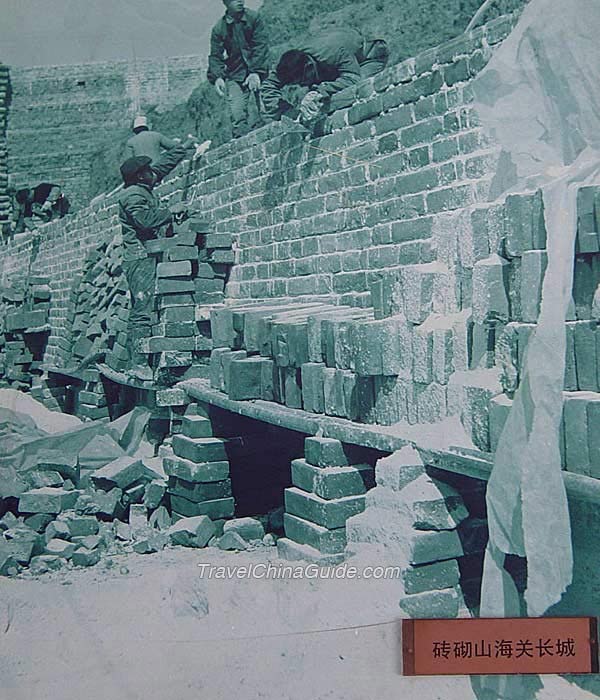
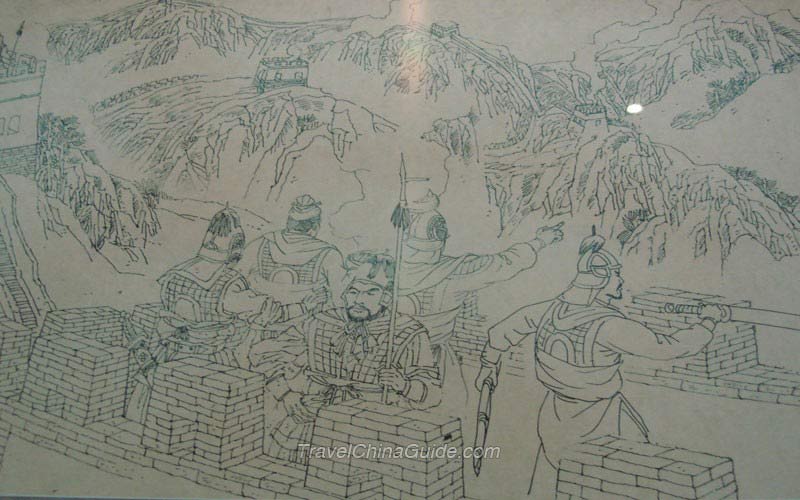
Bricks were carried by the livestock for building the Shanhaiguan Great Wall

Bricks were carried by the livestock for building the Shanhaiguan Great Wall

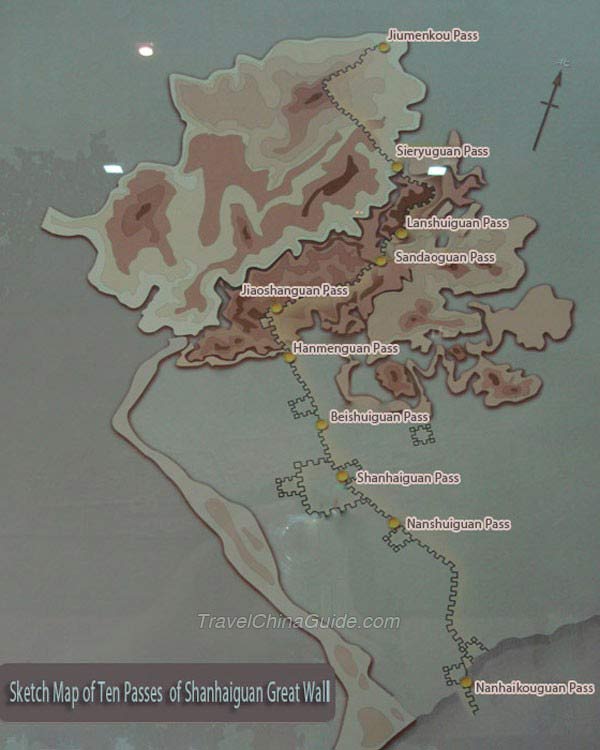
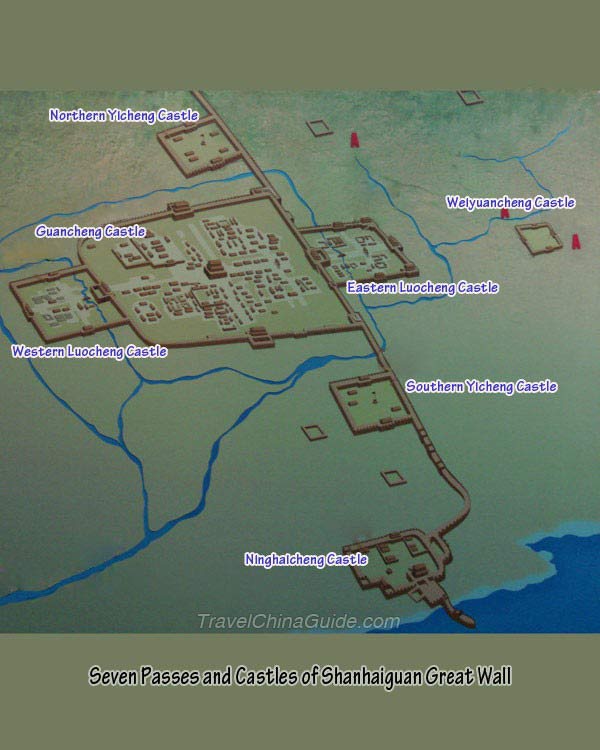
Shanhaiguan has been regarded as a strategic location since ancient times. In the Ming Dynasty, General Xu Da and Qi Jiguang carried out construction of elaborate defenses and gates of Great Wall at Shanhaiguan. Along this 26 kilometers  (16 miles) long wall, there are 7 castles, 10 passes, 23 empty defensive towers and 14 beacon towers, consisting of a scientific and strict frontier pass system for military purpose. Attraction Intro: Shanhaiguan Great Wall
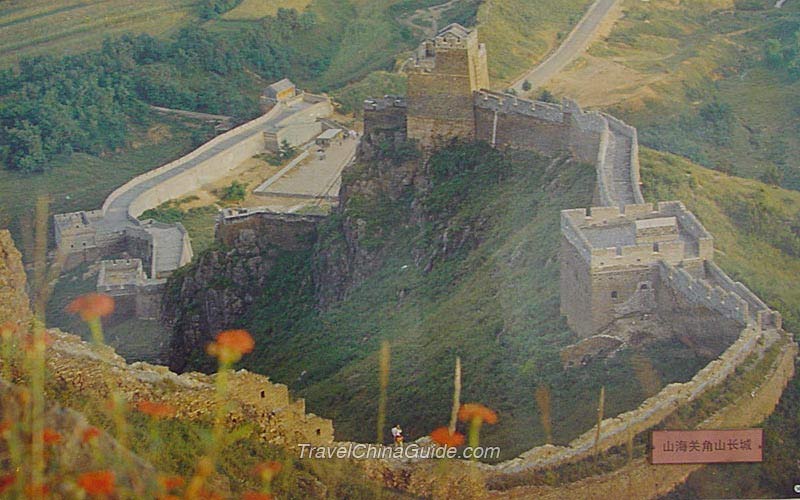
  • Bricks were carried by the livestock for building the Shanhaiguan Great Wall
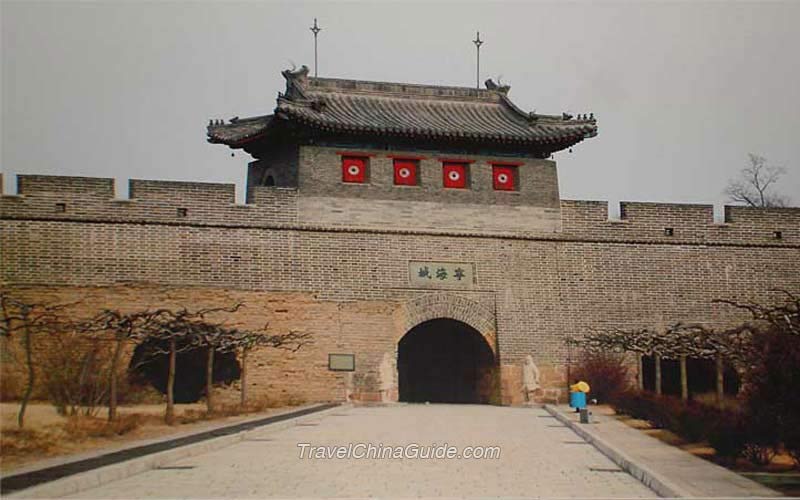
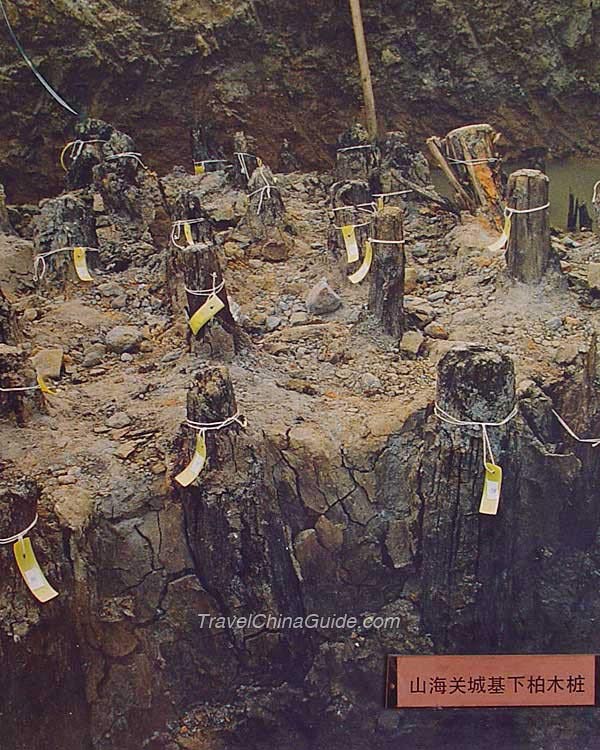
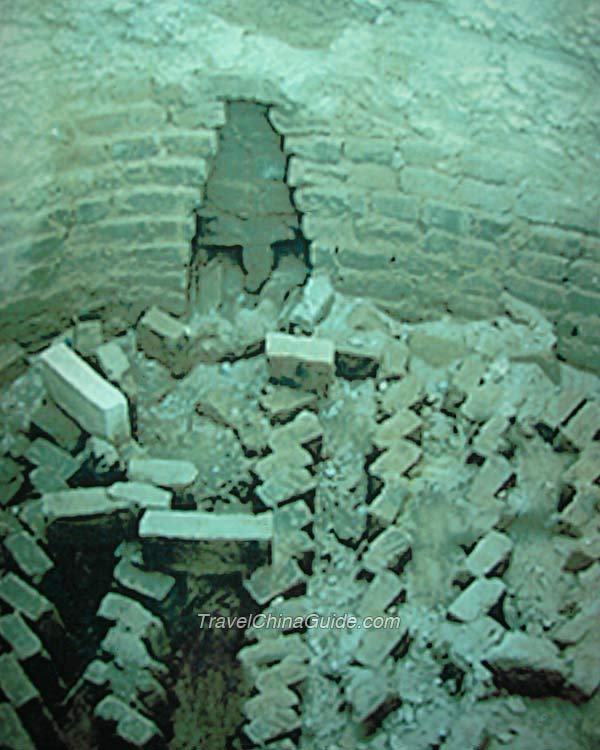
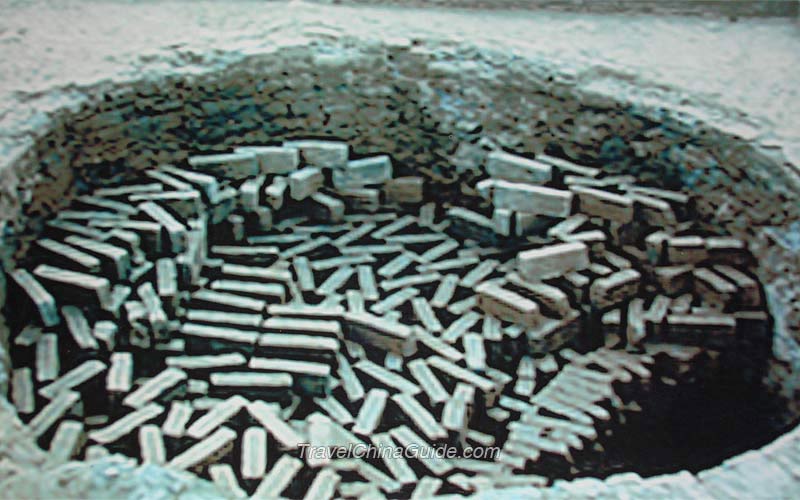
  • Cypresses stakes under the foundation of Shanhaiguan
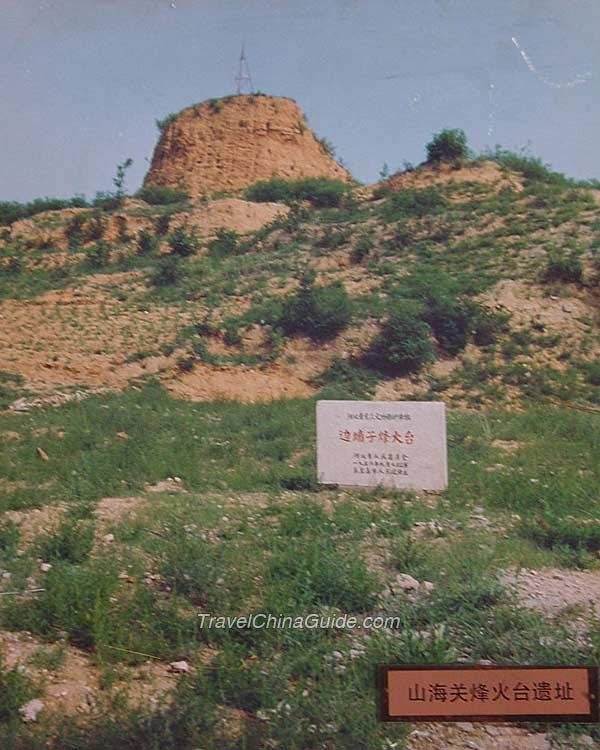
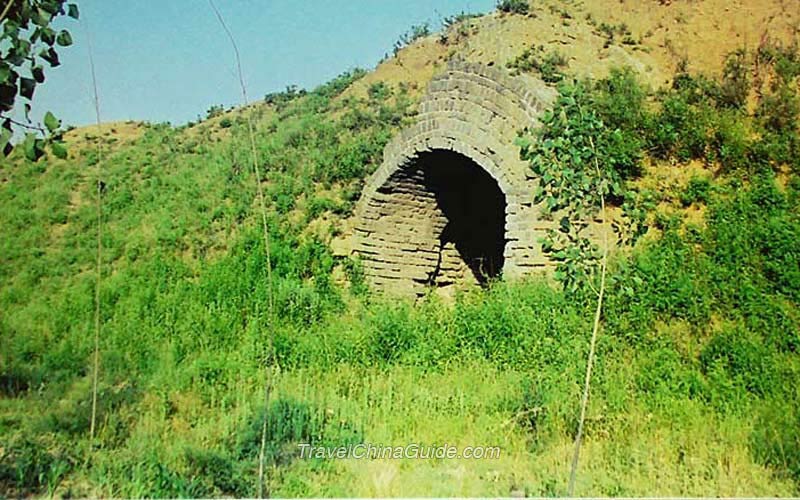
  • Site of Bianqiangzi Beacon Tower of Shanhaiguan
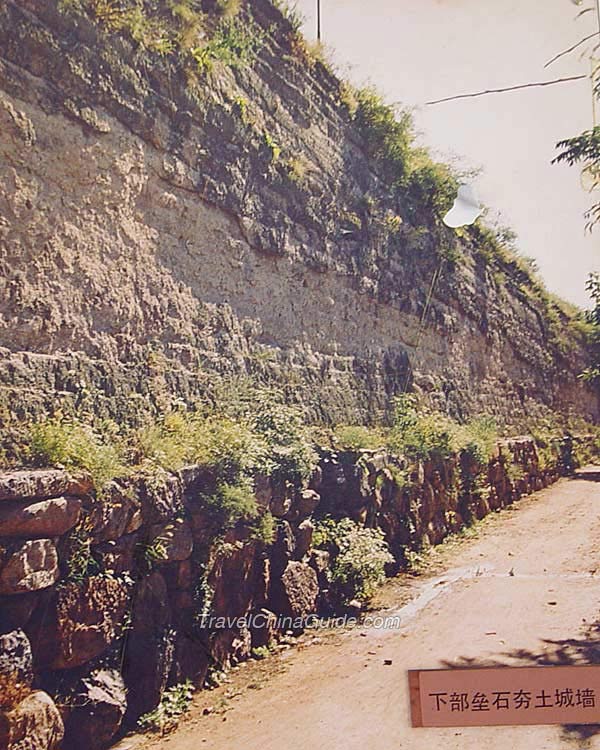
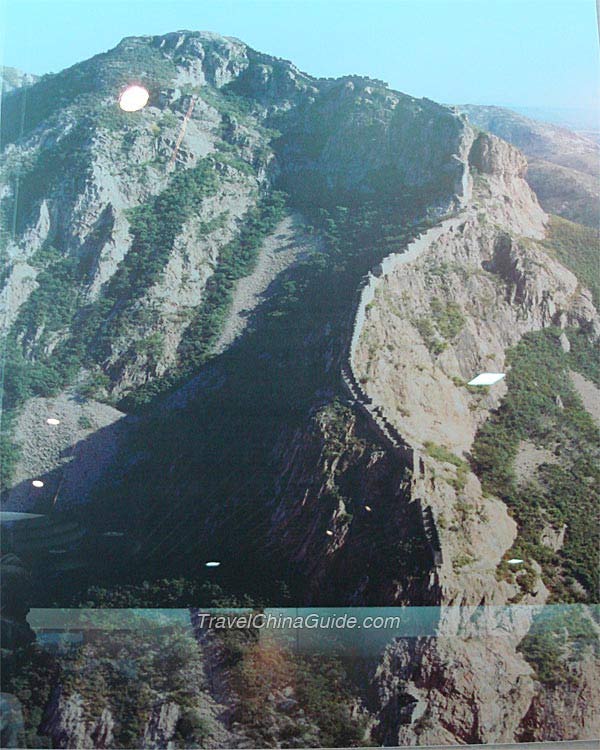
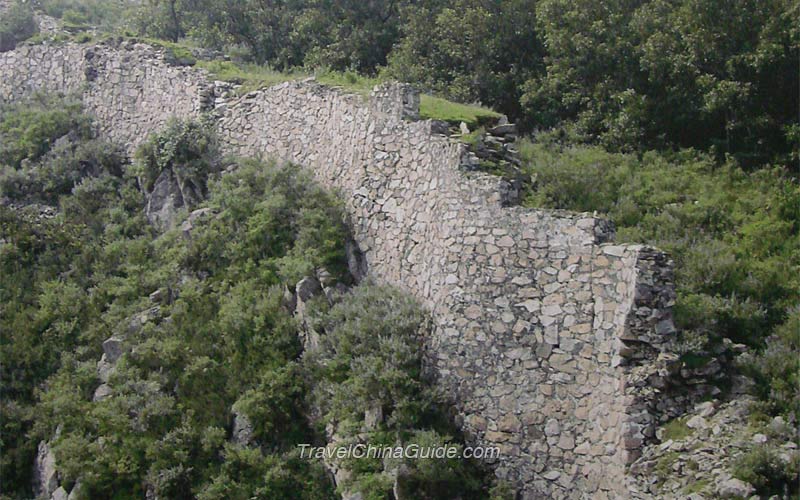
  • Shanhaiguan Great Wall has examples of several wall types, such as stone-based, earth-built and brick-surfaced wall (Brick-surfaced cob wall)
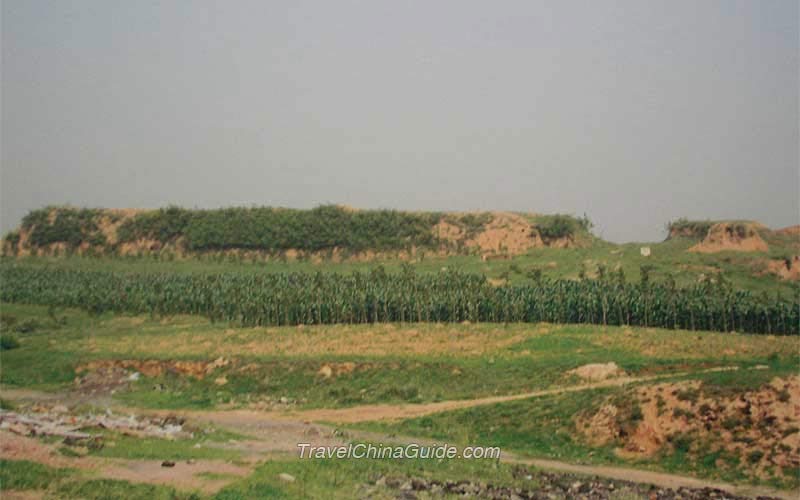
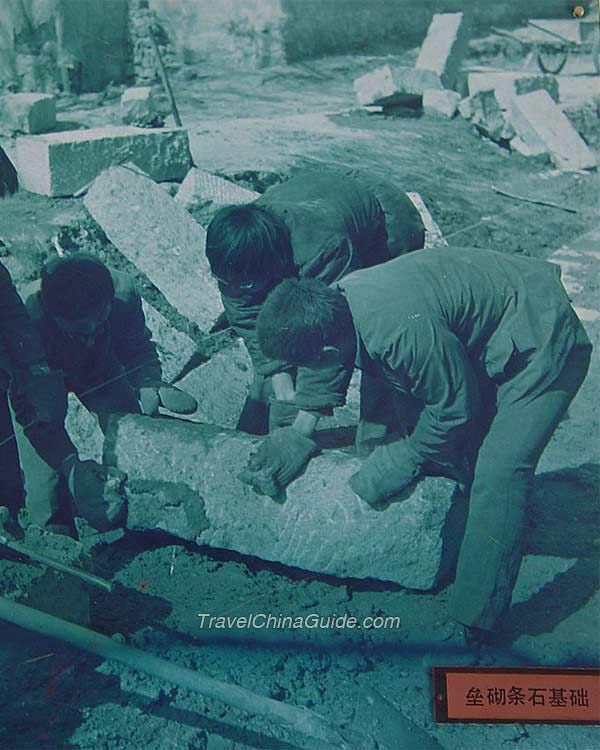
  • Lath-shaped stones were laid as the foundation of Shanhaiguan
  • Bricks were used to build Shanhaiguan
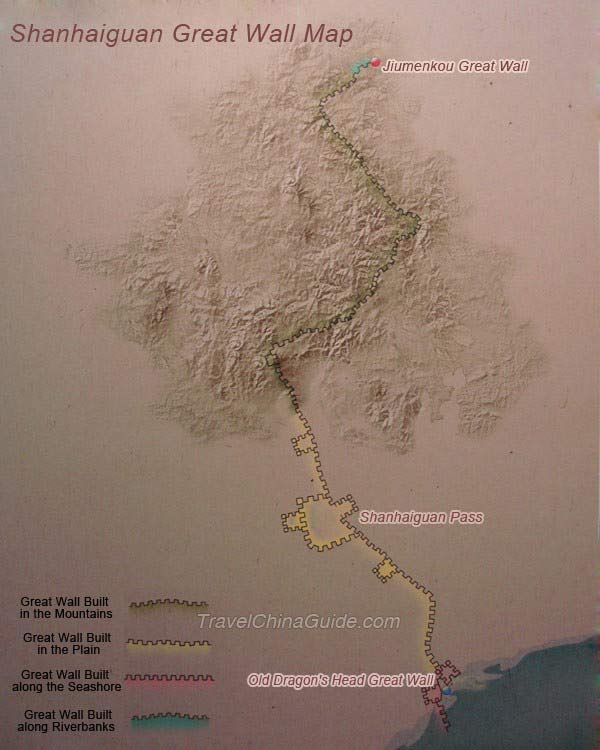
  • Sketch Map of Shanhaiguan Great Wall
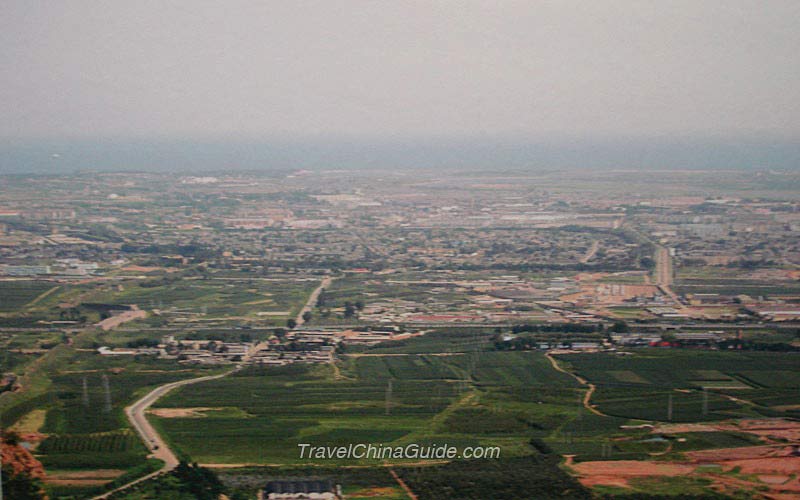
  • Jiumenkou Great Wall, the northeastern end of Shanhaiguan Great Wall
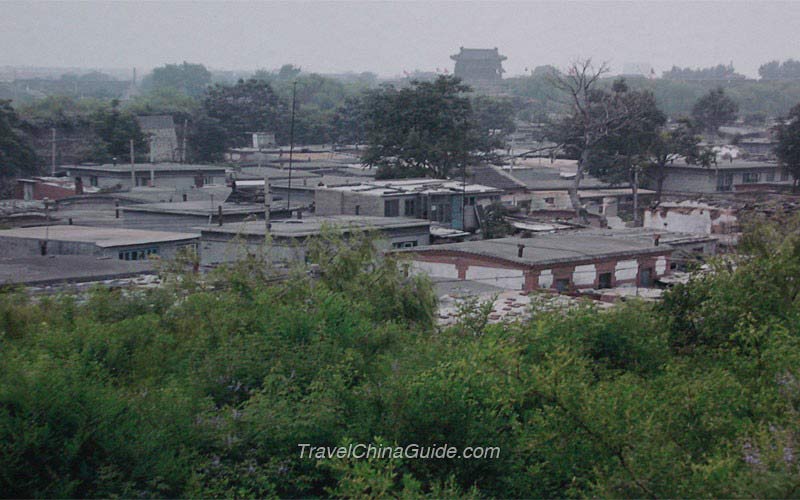
  • Wudaolou Great Wall
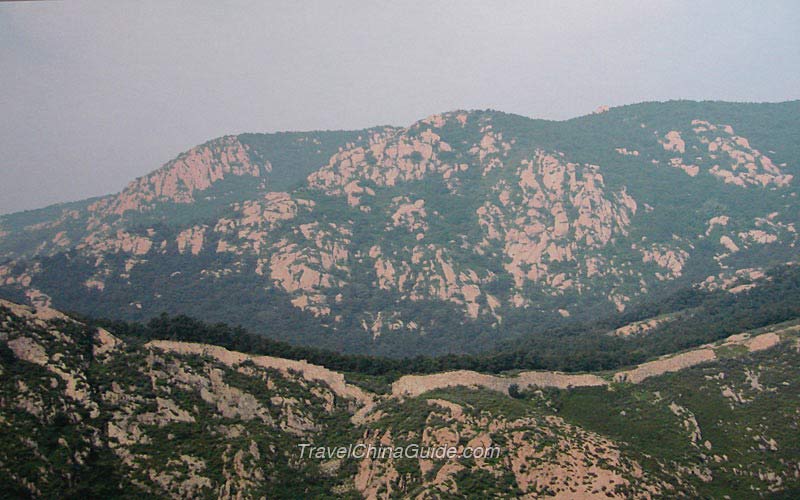
  • Sandaoguan Great Wall, high in the mountains, overlooking the coastal plain
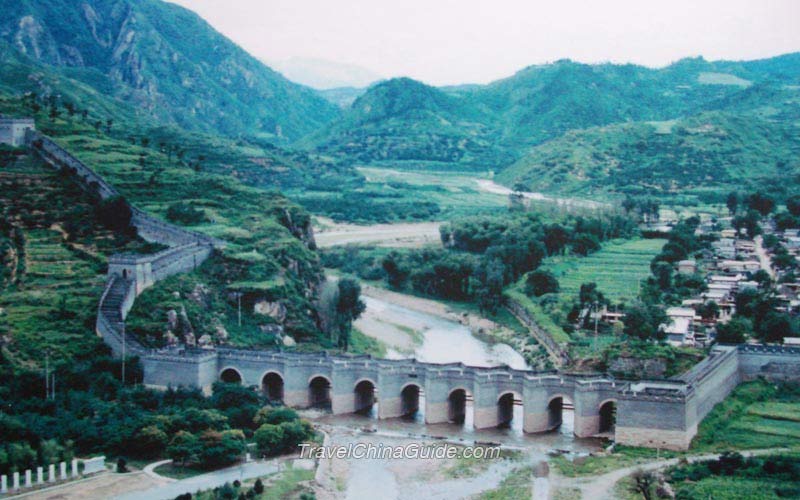
  • Passes of Rational Distribution: The pass or "Guan" is the important channel of the Great Wall military move and business and travel traffic
  • Sketch Map of Seven Castles of Shanhaiguan Great Wall: Shanhaiguan is classic one of the Chinese ancient construction of pass and castle and has been perfected for more than 260 years since its establishment. The main feature of Shanhaiguan defense system was that seven castles interlinked and all other castles surrounded Shanhaiguan, which reflected the sophisticated thinking of the ancient Chinese military philosophy.
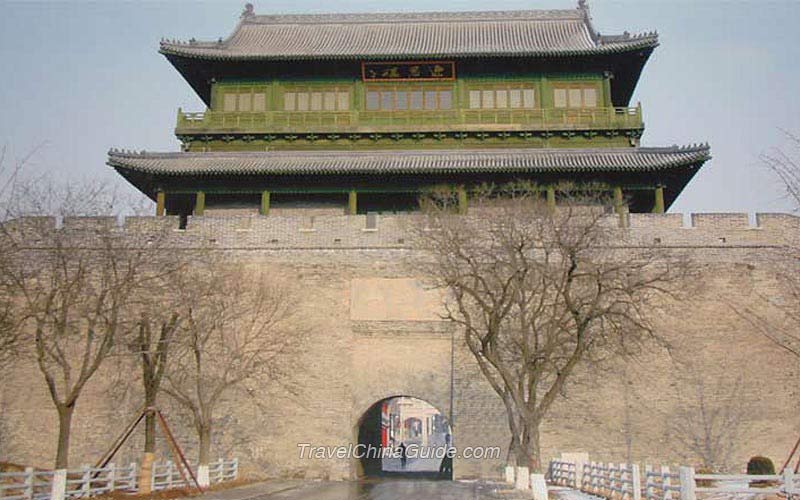
  • Ying'en Gate Tower, Dongguan, Guangdong Province. It was originally built in 1384, the 17th year of Hongwu Period in the Ming Dynasty.
  • Site of North Gate of Northern Yicheng Castle
  • Ninghaicheng Castle along the seashore (Army and Navy Garrison Station)
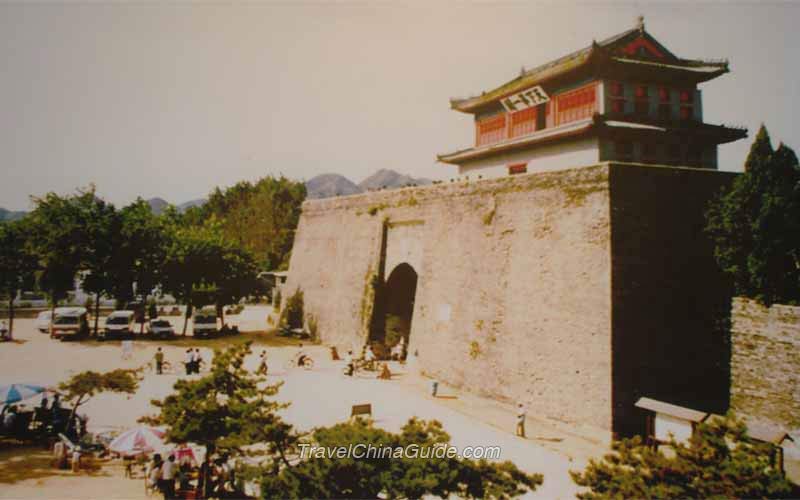
  • Site of Weiyuancheng Castle which is a watch castle
  • A panoramic view of Shanhaiguancheng Castle
  • Fuyuan Gate of Eastern Luocheng Castle
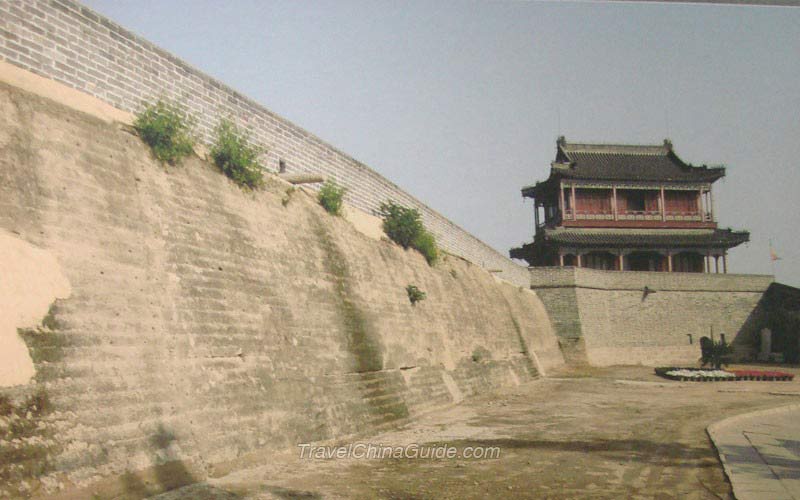
  • Shanhaiguan Great Wall has examples of several wall types, such as cob wall of Old Dragon's Head
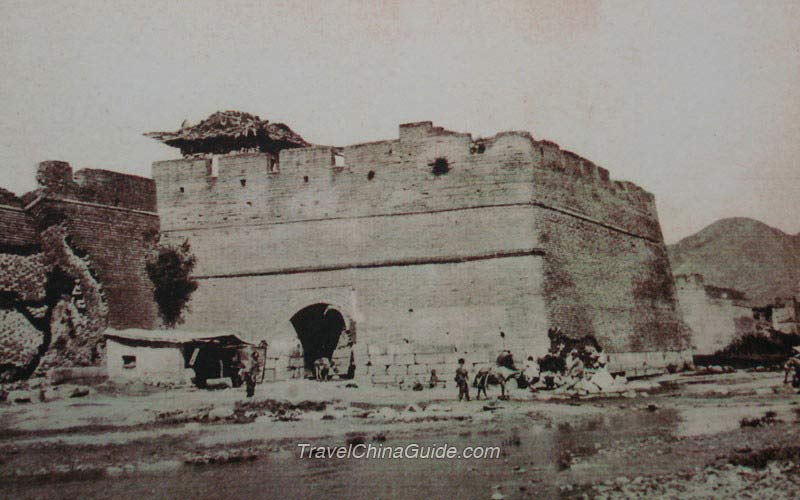
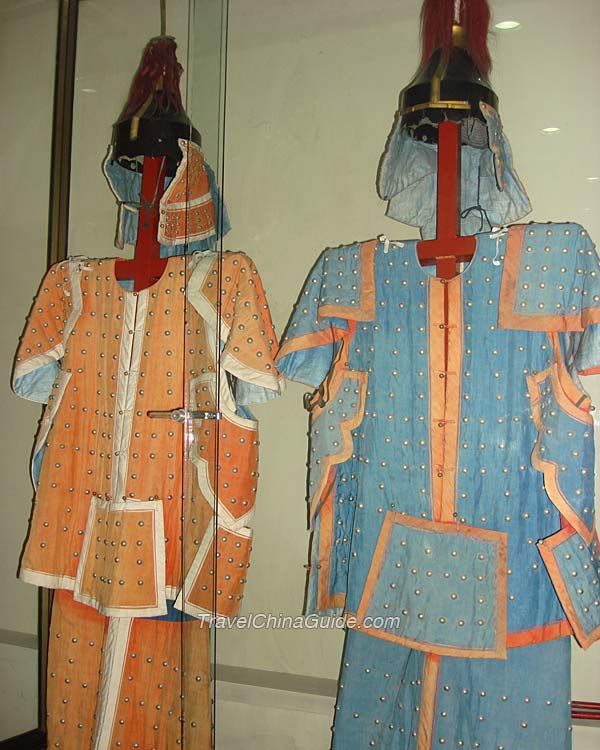
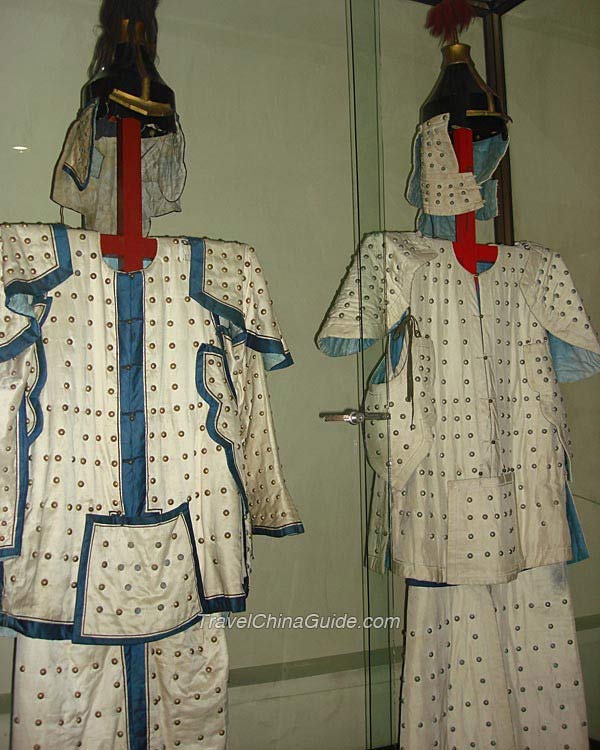
  • Uniform of Manchu Soldiers
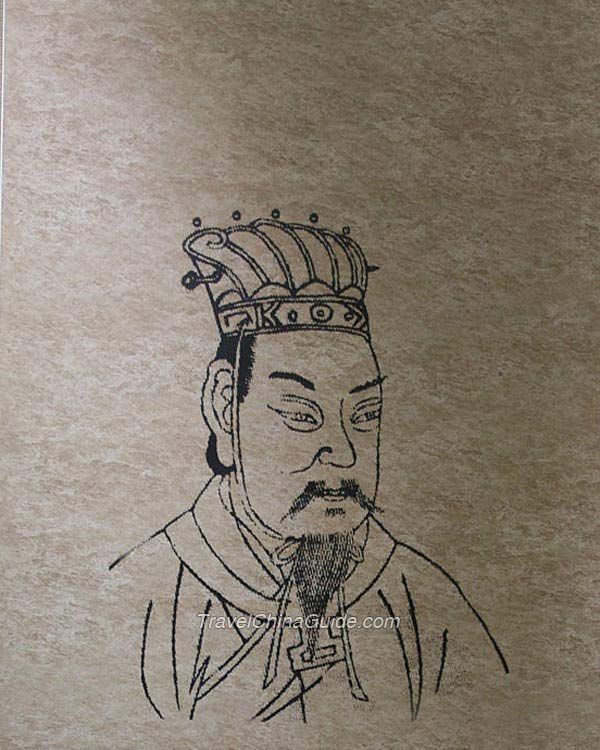
  • In the 12th year of the Eastern Han Dynasty (207), Cao Cao led his troops against Wuhuan beyond Liaoxi. Arriving at Jieshi form the battle field he looked down toward the sea and ordered his troops to pass through Shanhaiguan, while chanting the poem "Watch the Sea" to express his emotion and ambition. It has become regarded as an excellent work throughout the ages.
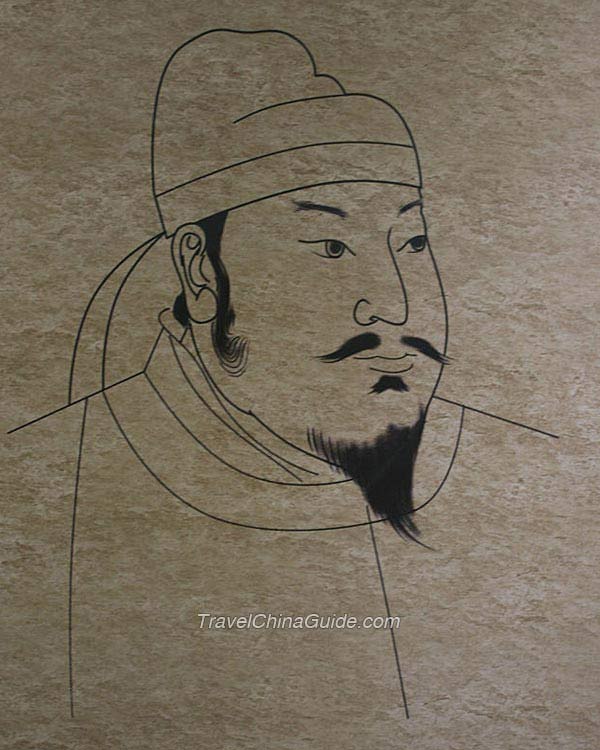
  • In 645 AD, Emperor Tang Taizong personally led his troops to conquer Koryo in the east; he traveled from Luoyang to Youzhou, then Pingzhou, finally reaching Yuguan (now Shanhaiguan). Here Tang Taizong stayed in the "Linyu Palace" and climbed the "Hanwu Platform". There he wrote a poem with five characters every line called the "Watching the Sea in Spring".
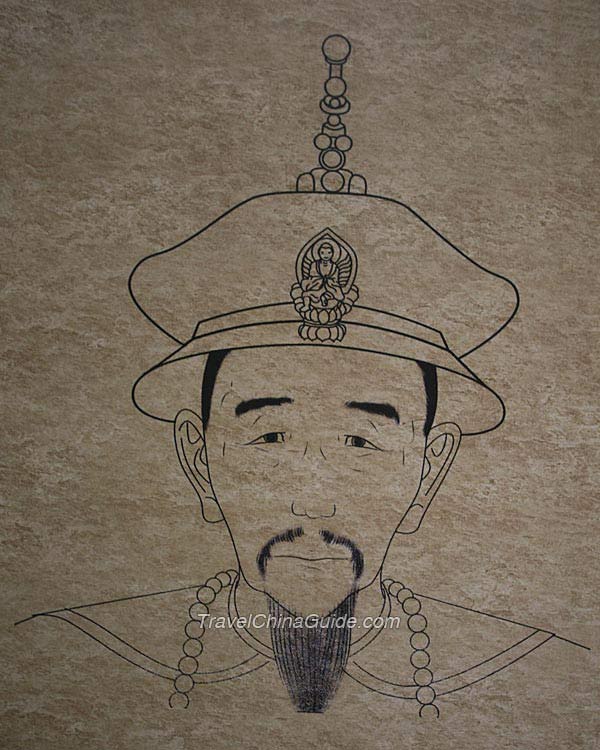
  • In the early Qing Dynasty, Chenghailou, located at Laolongtou of Shanhaiguan, become a cultural place for admiring the sea and writing poetry. Five Qing Emperors expressed the emotions they experienced with poems and paintings. Exhibited is the poem "Chenghai Tower" composed by the Kangxi emperor when he climbed the tower to admire the sea in the 10th year of his region (1671). His poem expresses the heroic goal of the young emperor to maintain unity in China.
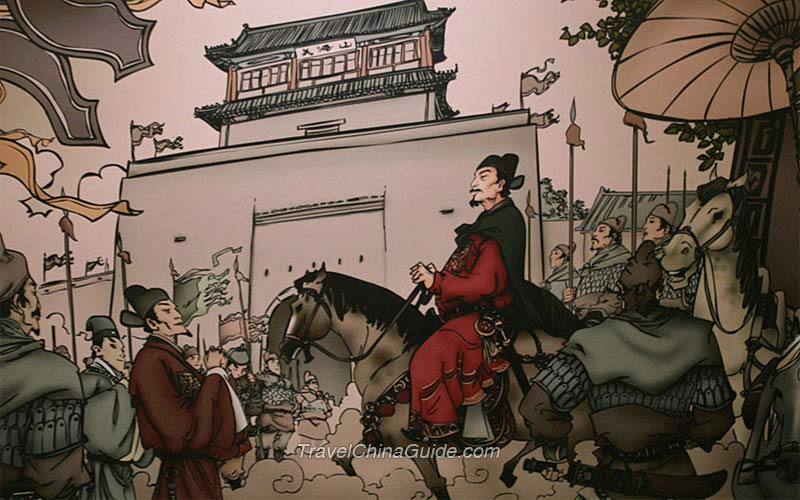
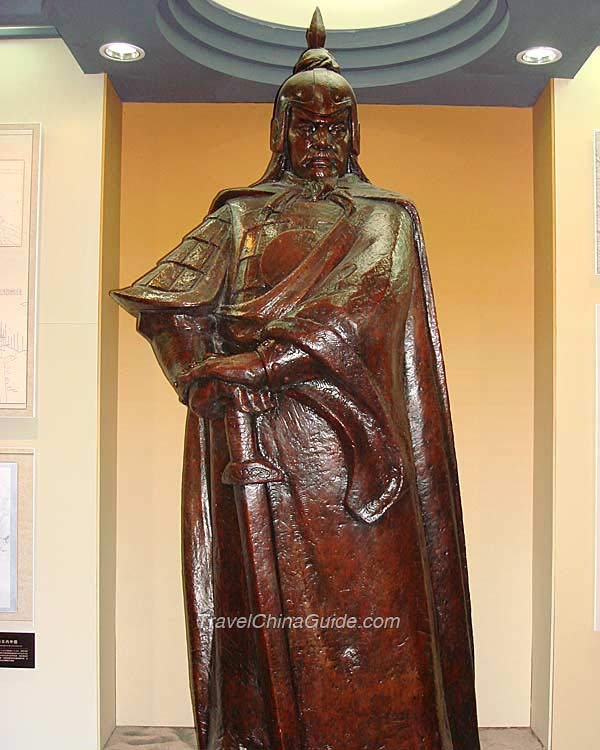
  • Xu Da, a great militarist and general in the Ming Dynasty. In the 14 year of the Ming Hongwu Period (1381), Xu Da arrived on imperial orders to begin the construction of elaborate defenses and gates of Great Wall at Shanhaiguan.
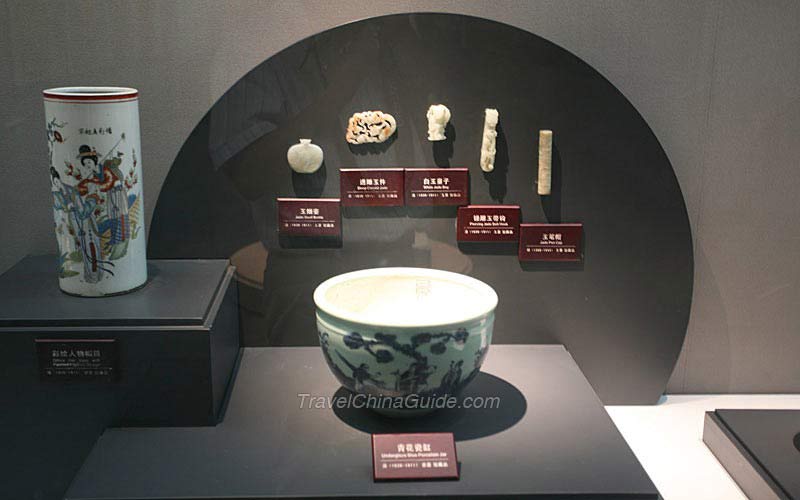
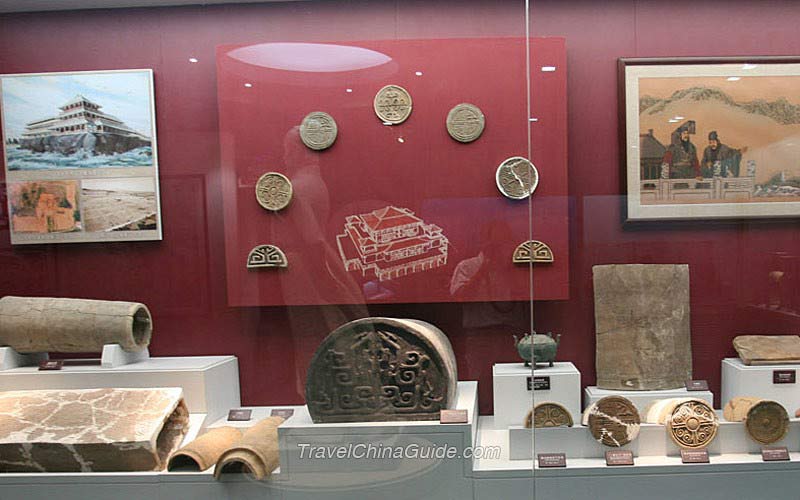
  • Cultural relics unearthed from the Shanhaiguan Great Wall
1 of 36 photos
- Last updated on Dec. 27, 2017 by Demi Li -