Jingdezhen Pictures

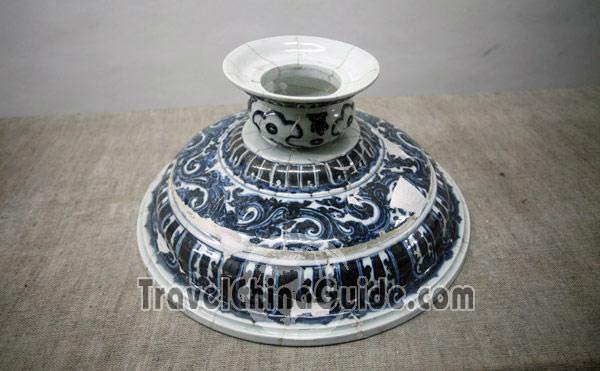
Jingdezhen Ceramics Museum: Blue and white dish with overglazed pattern of hurnan design, during the rule of Emperor Kangxi (1661-1722), in the Qing Dynasty (1644-1911)

Jingdezhen Ceramics Museum: Blue and white dish with overglazed pattern of hurnan design, during the rule of Emperor Kangxi (1661-1722), in the Qing Dynasty (1644-1911)

Jingdezhen is the most famous center for porcelain production in China. It began to produce porcelain from the Five Dynasties (907 - 960) and continue to do so to this day. Many sites of ancient kilns and priceless porcelain are still here. These include the Site of Imperial Kiln, Jingdezhen Ceramics Museum and Chinese Museum of Royal Kiln Craft, which reflects the development of porcelain  in the Song, Yuan, Ming and Qing Dynasties. Attraction Intro: Jingdezhen
  • Jingdezhen Ceramics Museum: Blue and white dish with overglazed pattern of hurnan design, during the rule of Emperor Kangxi (1661-1722), in the Qing Dynasty (1644-1911)
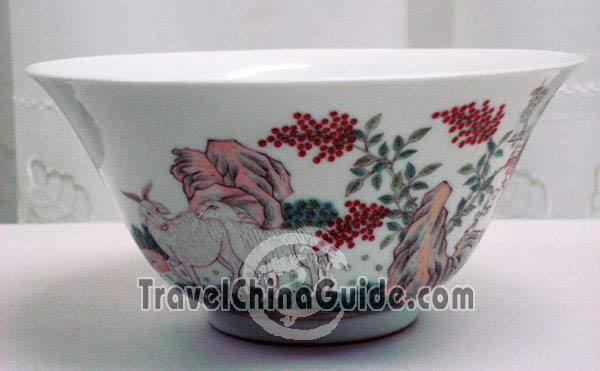
  • Jingdezhen Ceramics Museum: Famille bowl decorated with the auspious design of "san yang kai tai", during the rule of Emperor Tongzhi (1861-1875), in the Qing Dynasty (1644-1911)
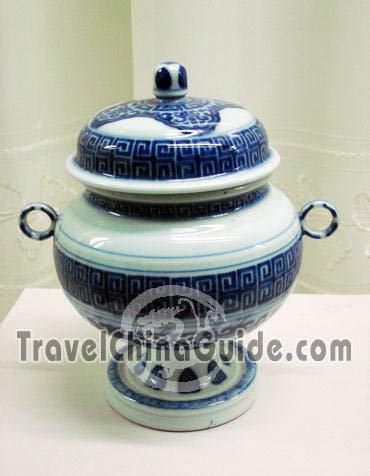
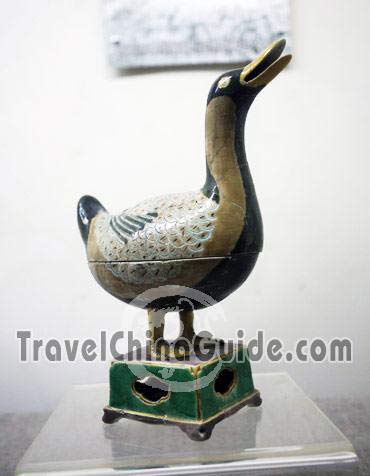
  • One fine porcelain exhibited in Jingdezhen Ceramics Museum
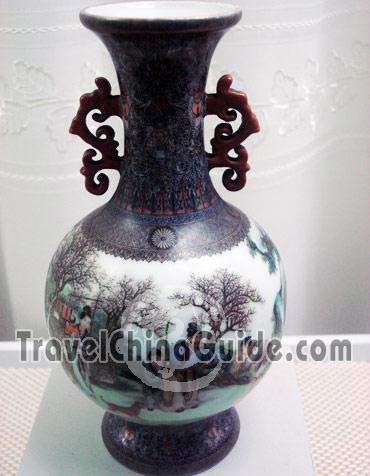
  • Jingdezhen Ceramics Museum: famille rose peach source pattern vase
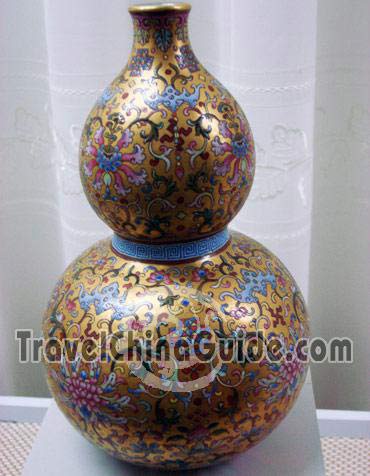
  • Jingdezhen Ceramics Museum: Gourd-shaped vase decorated with flowers in famille rose on gold ground, the reign of Emperor Qianlong (1375-1796), in the Qing Dynasty (1644-1911)
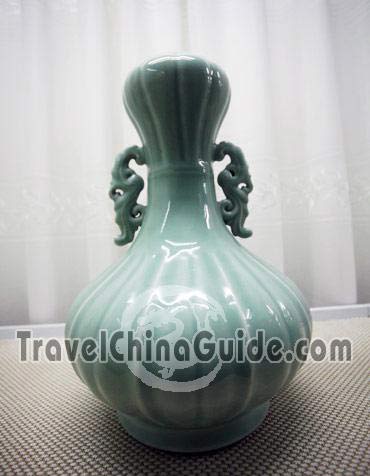
  • Jingdezhen Ceramics Museum: Double-handles bean green vase, during the reign of Emperor Qianlong (1375-1796), in the Qing Dynasty (1644-1911)
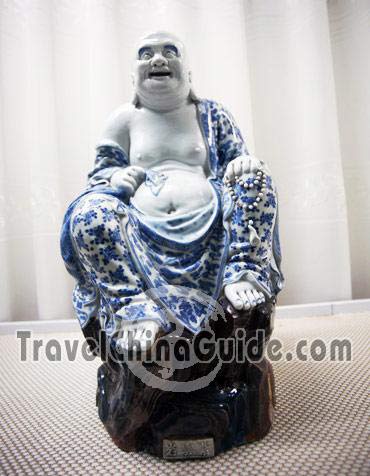
  • Jingdezhen Ceramics Museum: Arhat's sculpture of blue bag and white cotton in the morden times (1911-1949)
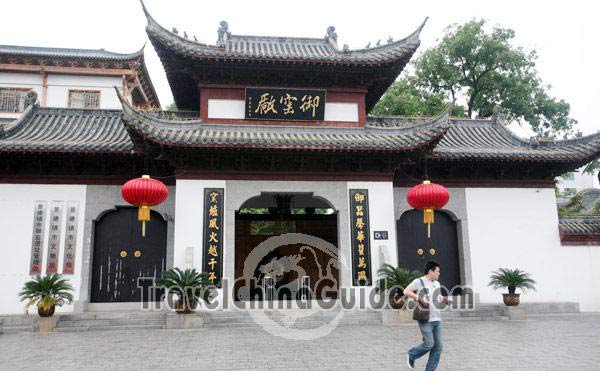
  • Gate of the Imperial Kiln Site
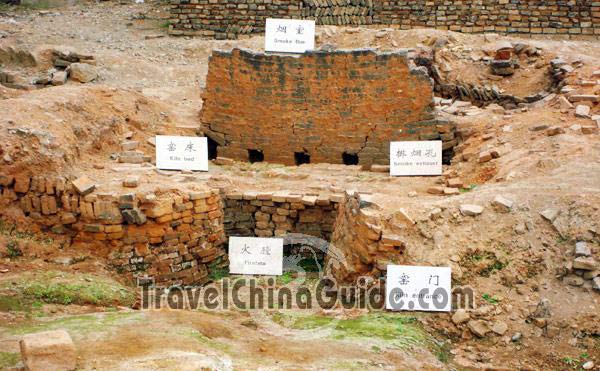
  • Site of the imperial kiln of the Ming Dynasty
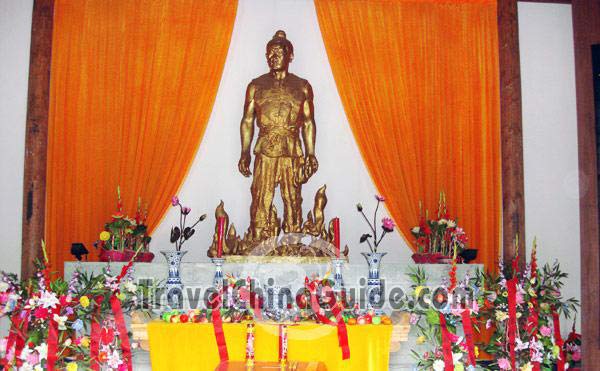
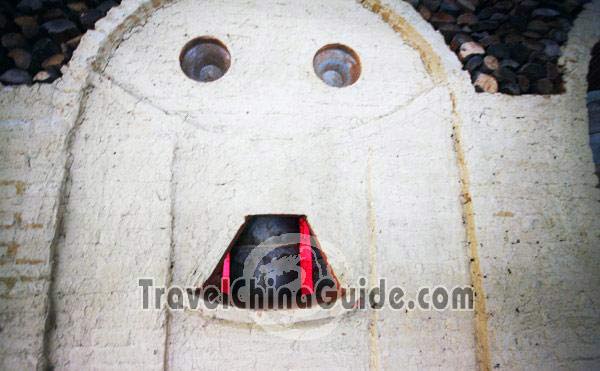
  • The kiln god that is respected by porcelain makers
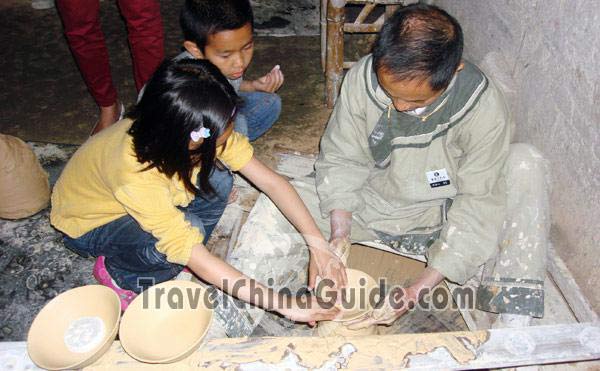
  • Ancient Kiln Folk Customs Exhibition Spot where you can have the experience of ceramic making
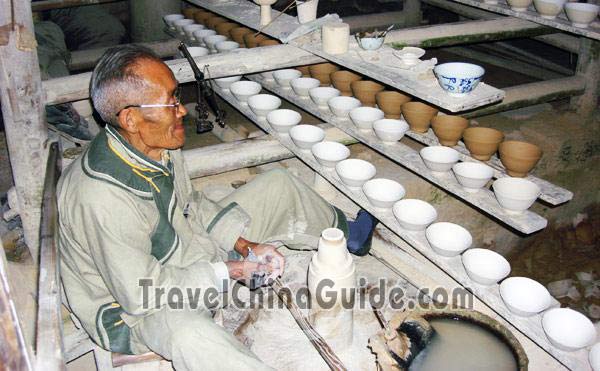
  • Ancient Kiln Folk Customs Exhibition Spot where you can see the whole process of ceramic making
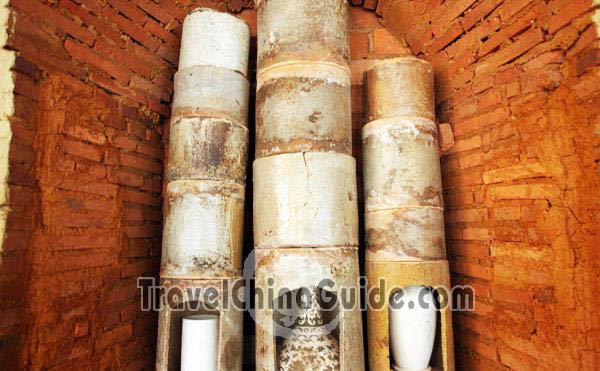
  • Placing kiln is to put the biscuits held in containers inside the kiln in rows. The location of biscuits varied according to fire heat and temperature atsmosphere of the front chamber and the back chamber
  • Burning is essential to the ceramic making. Wood burning can be divided into burning in the first half night and the latter half night. The first half night should be gently burning, the second hard fire or speedy fire. The control of the chamber temperature and firing atmosphere are mainly realized by the operation of throwing fire wood.
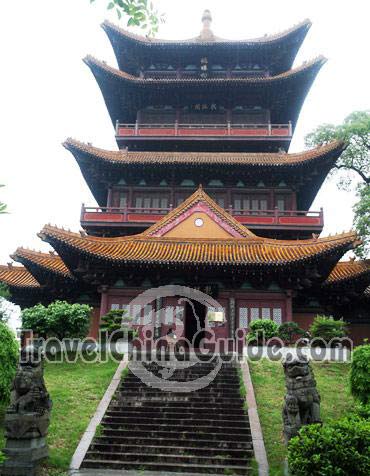
  • The towering Longzhu Pavilion is located on the top of Zhu Mountain. During the Ming and Qing Dynasties, the pavilion had been the representative building of imperial kiln.
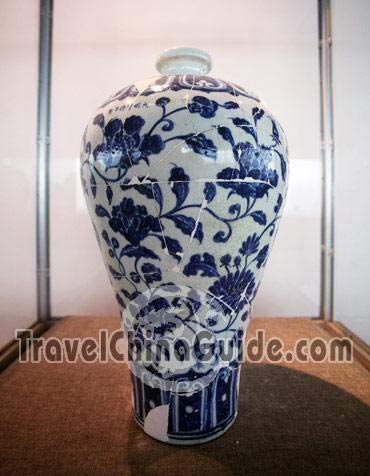
  • Blue and white vase painted with camellia and chrysanthemum, the Xuande Period (1426-1435),the Ming Dynasty (1368-1644), unearthed from Longzhuge Imperial Kiln Site
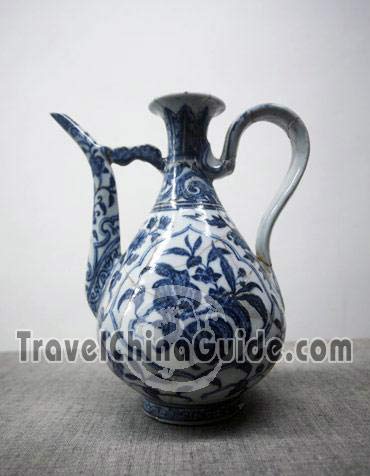
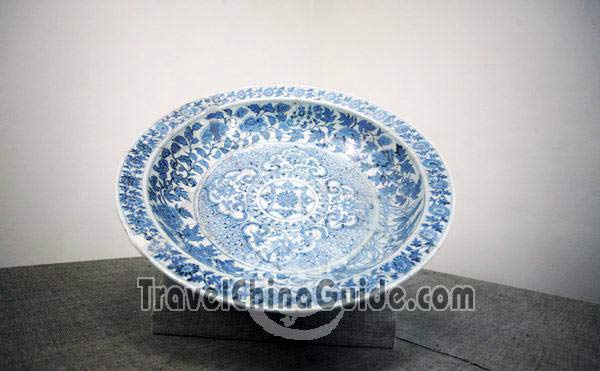
  • Exhibits in the Longzhuge Imperial Kiln Site
  • Exhibits in the Longzhuge Imperial Kiln Site
  • Exhibits in the Longzhuge Imperial Kiln Site
  • Exhibits in the Longzhuge Imperial Kiln Site
1 of 20 photos
- Last updated on Oct. 26, 2017 by Gabby Li -