




Code: TB03
Hiking to Mt. Everest
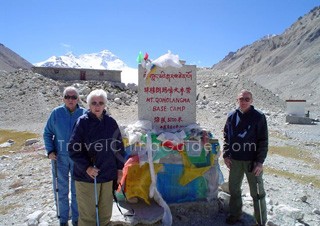
Mt. Everest Hiking
Day One: beginning with a visit to the Potala Palace, built in the 7th century by Tibetan king Songtsen Gampo, it is one of the most famous palaces in the world and has been the winter residence of successive Dalai Lamas since the 15th century. After lunch, visit the Jokhang Temple, it is one of the most holy pilgrimage temples in Tibet with the ancient "Barkhor street" the heart of this Buddhist center. You can also view the Philosophical debate in the Sera Monastery, the second biggest monastery in Lhasa.
Day Two: you will be driven to Shigatse, visiting the Tashilhunpo Monastery, being one of the Six Big Monasteries of the Gelugpa (or Yellow Hat Sect) in Tibet. Also known as the “Heap of Glory”, the monastery is located at the foot of Mt. Drolmari (Tara's Mountain), Shigatse. Founded by the First Dailai Lama in 1447, the monastery's structure was expanded by the Fourth and successive Panchen Lamas. From there you will be chauffeured on to Lhatse and Tingri.
From there, drive to Rongbu monastery; pass by the Lhatse, Tingri.camping. Rongbu monastery is Located at about 8 KM from Mt. Everest. Rongphu is the hightest monastery in Tibet, and was established in 1902. This night you will be accommodated under canvas. We suggest that you make whatever preparations you may require before you arrive, as you will not have the luxury of hotel amenities.
Trek from Rongbu Monestery for about 8km (2-3 hours) to the Mt.Everest base camp for the sightseeing opportunity of a lifetime, then back to the Rongbu monastery on foot, to the campsite for a second night under the stars.
Day Five: you will be driven from Rongbu monastery to Gyangtse County. Then check in at the hotel.
Palkhor Monastery, Gyangtse
Then visit the Palkhor Monastery, its Chinese name is Baiju Monastery. It has two features: there are three Buddhist sects here (Sakys, Gedang and Gelugpa) all existing harmoniously within this monastery though these three sects had experienced hostile rivalry for many years prior to their enlightenment. Both the oblation and the architectural style of the monastery embrace and adopt good points from all quarters. Palkhor also features its "Bodhi stupa", or "Kumbum" in Tibetan. Deemed as the symbol of the monastery, the spectacular "stupa" consists of hundreds of chapels in layers, housing about a hundred thousand images of various icons. These icons include Buddhas, Bodhisattvas, Vajras, Dharma Kings, Arhats, Disciples, great adepts of different orders in Tibetan Buddhist history, and outstanding figures in the local history such as Songtsen Gampo and Trisong Detsen. In total there are about 3,000 statues, so people often call it "Myriad Buddhas Stupa ", but this is not its formal name.
On the back road to Lhasa, visit the Karuola Glacier which is about 71 kilometers (about 44 miles) from Gyangtse County. You can even view this amazing glacier from the road beside it. Karuola Glacier is about 5,600 meters north of the main peak of Mt. Karuola. Due to pollution from motor vehicles, the entire glacier is now stratified into black and white layers, which gives a distinctive, if disturbing beauty to this wonder of nature. Yamdrok Yumtso Lake is one of four holy lakes of Tibet. There are vast flocks of birds such as wild duck, goose etc. Covering an area of about 10 million Mu, it is one of famous grasslands of the Tibetan plateau.
Day Seven: our local guide will transfer you to the airport and your memorable tour draws to a close.
 Recommended Itineraries including the Visit to Mt. Everest:
Tibet to Nepal Discovery: 13 Days, Lhasa-Tsetang-Gyangtse-Shigatse-Dingri-Everest Base Camp-Dingri-Zhangmu-Katmandu.
More Hiking Routes: Lhanag-tso Lake: 3 days to experience the mysterious atmosphere in the "Ghost Lake" - Lhanag-tso
Nakchu Exploration: 3 days to Nakchu
Excursion to Tsetang: 4 days to explore all the local highlights