What is Datong China known for?
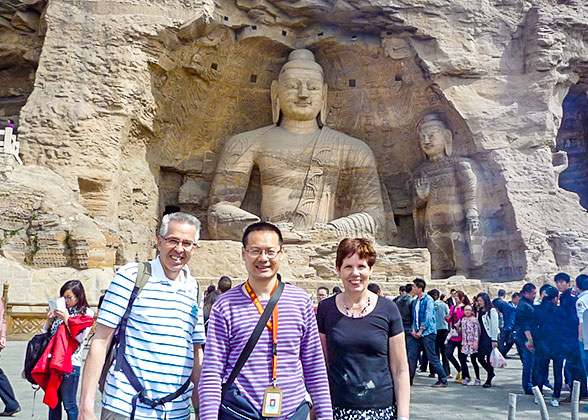
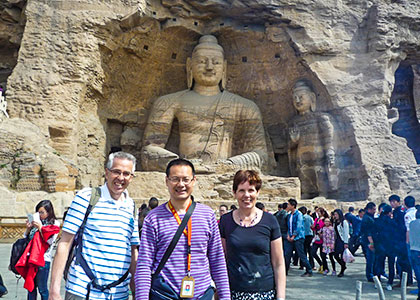
During the 4th and 5th centuries AD, Datong once served as the capital where the Central Plain’s agrarian civilization intersected with the North’s nomadic civilization. Unique imprints, like the defensive City Wall and the UNESCO-listed Yungang Grottoes, demonstrate the city’s strategic significance, superb craftsmanship, and cultural exchanges.
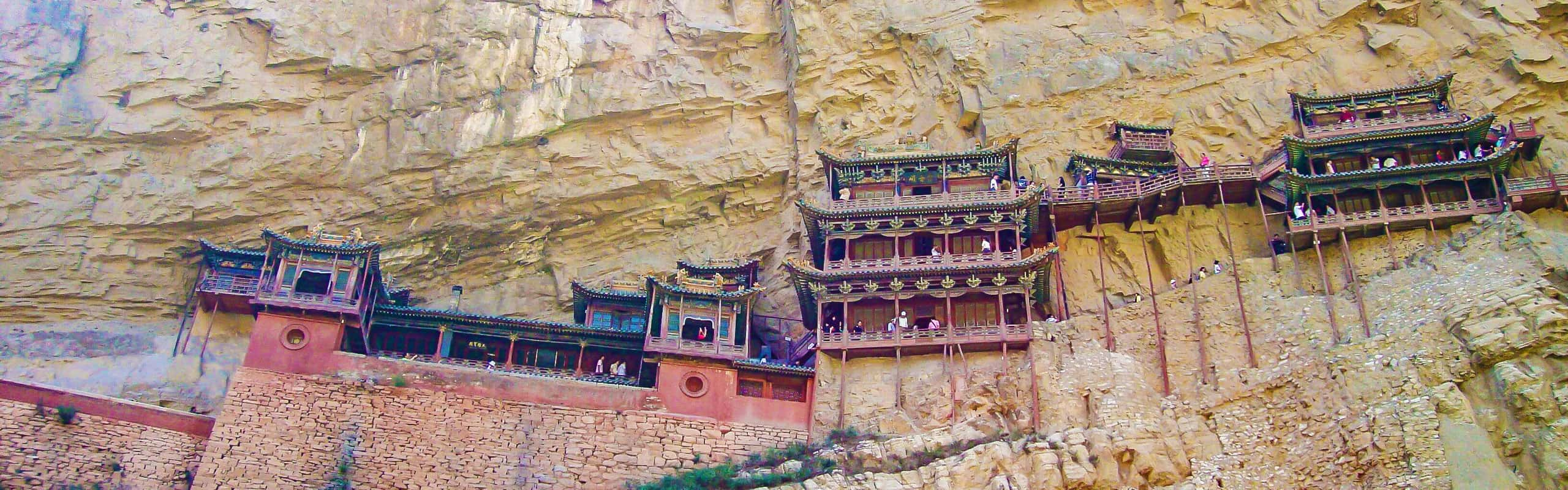
Recently, the popularity of the game ‘Black Myth: Monkey King’ has brought attention to more hidden ancient architecture, such as Huayan Temple, Shanhua Temple, Hanging Temple, and the Wooden Pagoda of Ying County. Mt. Heng, one of China’s Five Great Mountains, adds to Datong’s natural beauty, offering a blend of hiking and spiritual exploration.
How many days to spend in Datong? How to plan?
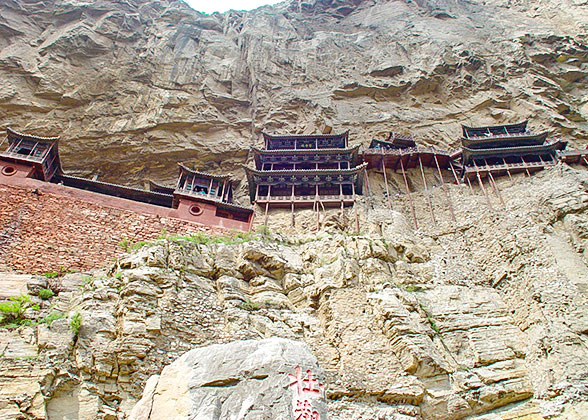
All the city’s highlights can be covered in two days. Spend one day on a side trip to the Yungang Grottoes and the Hanging Temple outside the city, where you can be blown away by diverse Buddha statues and discover why the temple has withstood the test of time. Use the second day for an ancient city tour, exploring the intricate details of Shanhua and Huayan Temples, walking along the ancient City Wall, and trying local specialties in its Southeastern District.
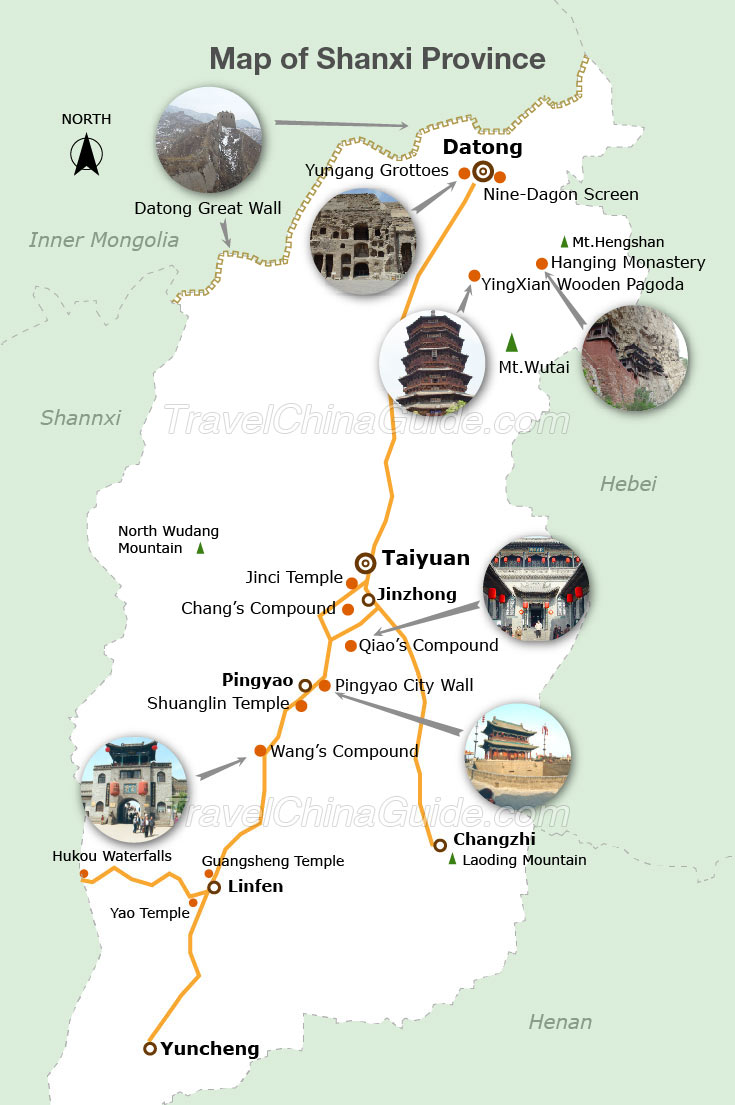
If you have extra time, extend your Datong trip to Pingyao Ancient City and Xi’an via high-speed trains. Natural lovers can hike at Mt. Wutai, which is a 4-hour bus ride from Datong. For a hassle-free transfer, you can consider our private Datong tour packages in English, which allow you to discover the Wooden Pagoda of Ying County along the way.
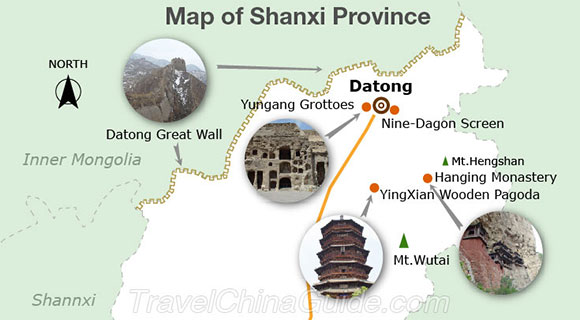
Map of Shanxi Province (Click for full image)

Shanhua Temple
How do I get to Datong?
There are direct flights to Datong from major cities like Shanghai, Guangzhou, Chengdu, and Hangzhou. If you depart from Beijing, the 2-hour high-speed train is most recommended. Alternatively, 6-hour night sleeper trains can help maximize your daytime sightseeing while saving on accommodation costs. Just remember to choose those departing at around 00:00 midnight and arriving in Datong at about 06:00 am.
How to get around in Datong?
Datong is a compact city that is easy to navigate by bus and taxi. All attraction sites in the Ancient City are within a 20-minute walking distance. The Yungang Grottoes is about a 40-minute taxi or direct bus ride from downtown, while the bus route to the Hanging Temple takes about 1.5 hours. But given the rich cultural background of all sites, consider choosing our guided Datong tours in English for more detailed explanations while enjoying a private spot-to-spot transfer.
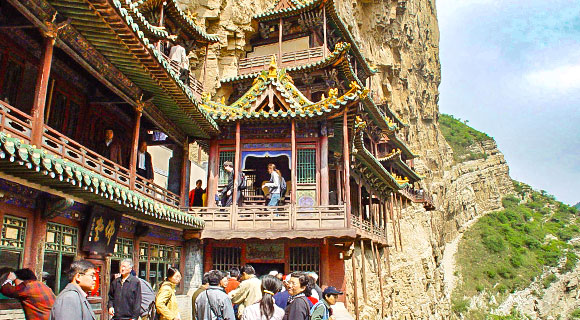
Hanging Temple, Datong
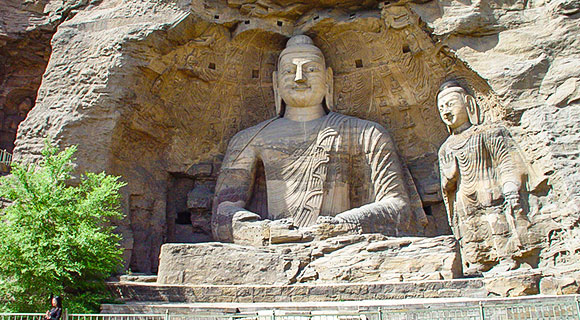
Yungang Grottoes
Can I climb the Hanging Temple?
Theoretically, yes. However, to help preserve the exquisite wooden structure, there is a limit of 2,475 tickets available each day, and this number will decrease annually. With so many travelers eager to visit, getting a ticket can be quite a challenge. On the contrary, enjoying the breathtaking views from below the cliff is also stunning without tackling the narrow stairs.
When is the best time to visit Datong?
April-June and September-October are the best times for a Datong tour, during which the average temperatures range from 7°C to 20 °C (45 - 68°F), pleasant for outdoor activities. Match a windproof coat, hoodie, sweater, T-shirt, with jeans according to the specific temperatures. Please note that May 1st to 5th and October 1st to 7th are major public holidays in China, leading to long queues at popular attractions like the Yungang Grottoes and the Hanging Temple.
Although Datong is not extremely hot in July and August, the influx of student visitors can result in longer wait times. Additionally, it is best to avoid visiting in the harsh winter months from December to the next February, when temperatures can drop to -18°C (-0.4°F), and some sites in the surrounding mountain areas are inaccessible due to heavy snowfall and slippery roads.
What local food specialties should I try in Datong?
The first must-try is definitely the Knife-cut Noodles, known for their salty and savory flavor combined with vegetable or meat toppings. Adding aged vinegar will further enhance its chewy texture. Other signature snacks include Cold Starch Noodles, Lamb Steamed Buns, and Yellow Millet Grain Cake.