When is the best time to travel to the Philippines?
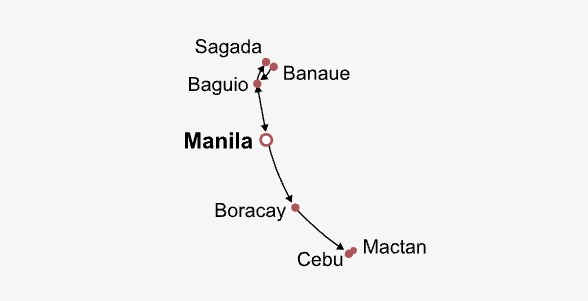
The best time is the dry season from November to May, during which you can enjoy the perfect beach views with clear sky, azure sea and soft sand. In the wet season from June to October, rainfall becomes more frequent and unpredictable, which is more suitable for indoor activities and city sightseeing. During July and August, coastal regions might be hit by typhoon, so it’s better to visit highland areas such as Baguio and Banaue.
Do I need a visa?
Travelers from EU member states, Canada, the UK and the US can stay in the Philippines without a visa for up to 30 days. You can double check the policy at your local Philippine embassy, and get a visa from there or upon arrival in the Philippines.
What is the best island for the Philippines tours?
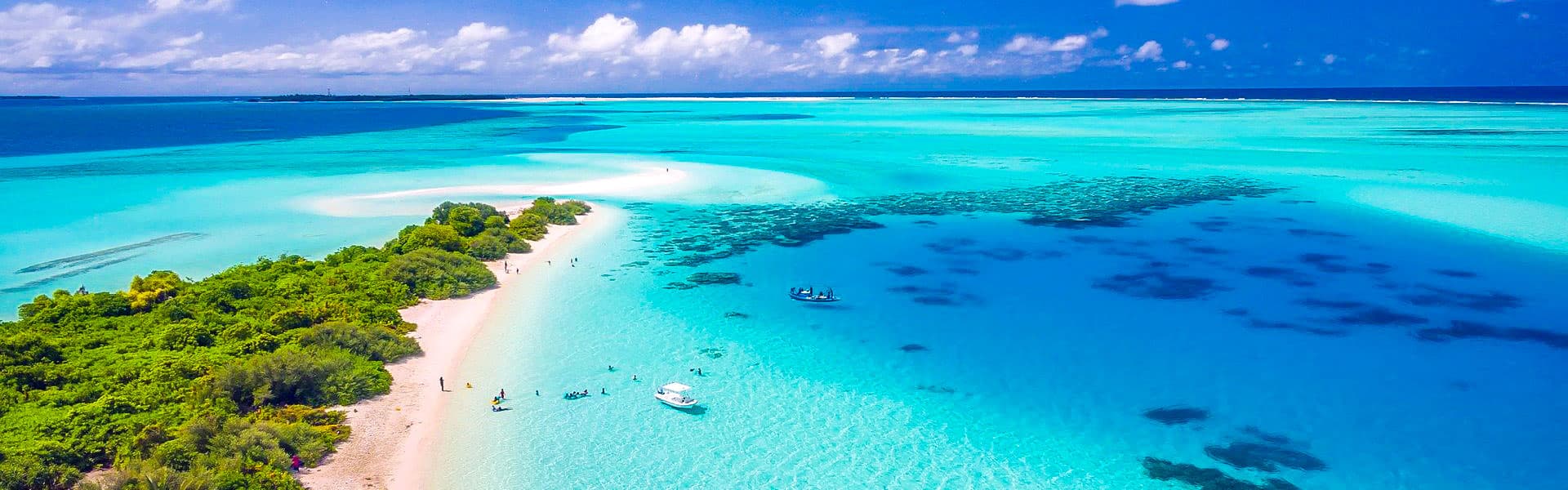
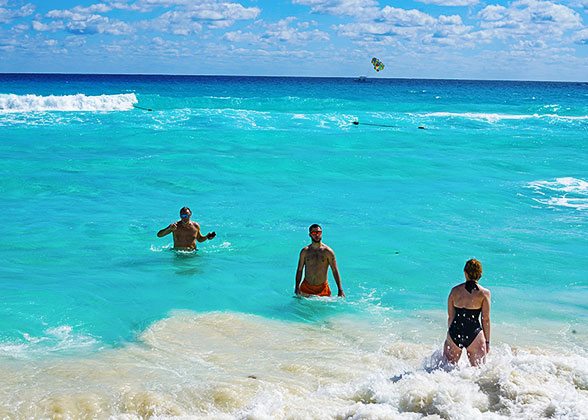
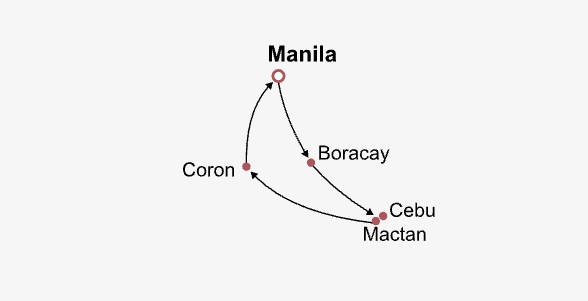
Boracay is the top island of the Philippines, boasting world-renowned White Beach. It offers a variety of water activities like snorkeling, sunset parasailing, paddleboarding, and banana boat riding. You can also experience a traditional Filipino massage and join lively beach parties.
On Coron Island, you can witness the magnificent underwater limestone landscape of Kayangan Lake, experience wreck diving, and soak in a saltwater hot spring.
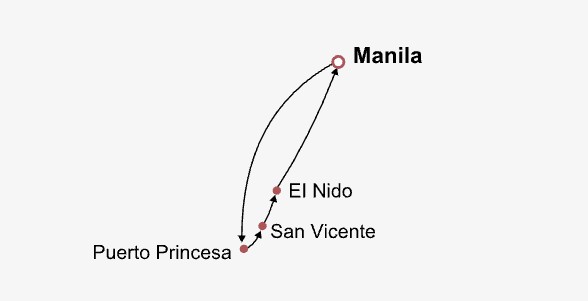
El Nido is the best for honeymoon couples. It offers not only soft sandy beaches and pristine water, but also spectacular karst cliffs and secluded lagoons.
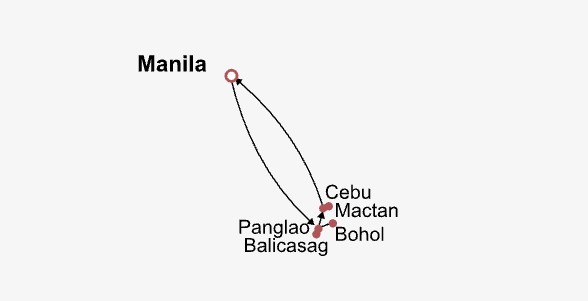
If you want to explore underwater cliffs, head to Balicasag Marine Sanctuary in Bohol. The highlights of Bohol also include Chocolate Hills and Tarsier Sanctuary visiting and fireflies watching.
What to pack for the Philippines?
If you plan to explore islands and the colorful underwater world, please make sure to bring sunscreen, swimwear, flip-flops, and a waterproof bag. Bringing your own snorkeling gear will also improve your snorkeling experience
If you’re going to the northern mountain cities like Baguio and Banaue, it’s better to bring a warm jacket to adjust to the temperature differences between day and night. Furthermore, insect repellent, comfortable hiking shoes and motion sickness medication are necessary.
How to get to and travel around the Philippines?
Manila Ninoy Aquino International Airport (MNL) and Mactan-Cebu International Airport (CEB) are the main international airports.
For local transportation, independent travelers can choose buses, tricycles, and taxis. However, you may face frequent traffic congestion and unreliable public transportation that can easily disrupt your travel plans and travel times. Our private Philippines tours will arrange you convenient and efficient domestic flights, ferries, and private transfers to save your time.
Is tipping customary in the Philippines?
No, but it’s often appreciated. If you think the service is good, you can tip PHP 50-100 (around USD 1-2) for the restaurant or hotel staff. Besides, it’s recommended to tip your driver USD 2 per day and your guide USD 4-10 per day.