How many days is enough for Bhutan?
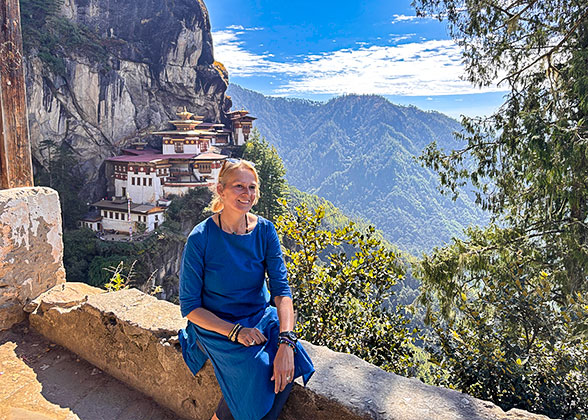
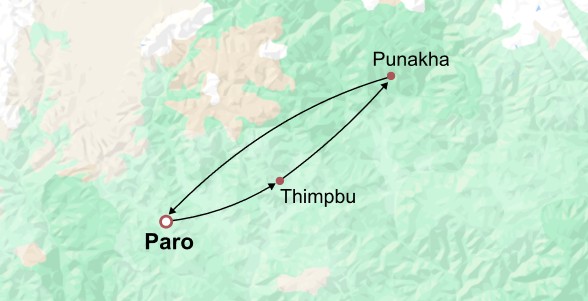
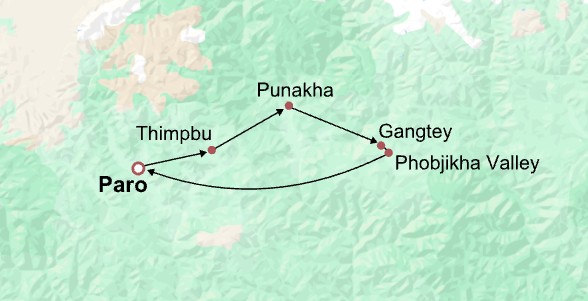
7 days is an ideal stay for those who want to explore the classic western circuit of Paro, Thimphu, Punakha, and the Gangtey region at an unhurried speed and fully prepared for the iconic hike to Tiger’s Nest Monastery. If you only have 5 to 6 days, focus tightly on the country’s core highlights in the first three cities. A 10-day or longer holiday allows you to venture further east into Trongsa and Bumthang for Bhutan’s largest dzong and idyllic scenery.
What are the must-see attractions for first-time visitors to Bhutan?
Its three core valleys are must-sees: Thimphu, Punakha, and Paro. Enjoy Tibetan Buddhist relics along with scenic hikes to sites like Tiger’s Nest Monastery, Kyichu Lhakhang, and Chimi Lhakhang. The Tashichho, Punakha, and Rinpung Dzongs showcase the country’s traditional architecture, theocratic past, and energetic Tsechu Festival celebrations. The Folk Heritage Museum and local farmhouses provide insights into authentic agricultural life, while Dochula Pass and Takin Preserve present unmatched Himalayan views and wildlife.
Do I need a visa to visit Bhutan?
Yes, except for citizens of the Maldives, India, and Bangladesh. You can apply online for USD 40, usually processed alongside the Sustainable Development Fee - a mandatory travel tax that funds Bhutan’s environmental, cultural, and social projects. This fee is USD 100 per night for adults; exempt for children aged 6; 50% discount for children aged 6 to 12. Since all tourists must travel with a licensed guide and a registered driver and vehicle, consider booking our all-inclusive Bhutan tour package. We’ll take care of everything - from pre-trip essentials to daily itineraries - making your journey stress-free.
Is it expensive to visit Bhutan?
Yes, visiting Bhutan is relatively expensive compared to most other Asian travel destinations like Thailand, Vietnam, and Nepal. This is largely due to the mandatory Sustainable Development Fee of USD 100 per night. On top of this fee, you need to cover regular travel expenses like lodging and food. A standard mid-range hotel room typically ranges from USD 50 to 120 per night, while a casual local meal costs around USD 15-20 per person. Overall, a minimum daily budget is between USD 250 and 300 per person.
How can I reach Bhutan?
You need to transit through a gateway city to fly into Bhutan’s only international airport in Paro (PBH). The most recommended transit hub is Bangkok, offering daily direct flights with a travel time of 3.5 to 4.5 hours. A quick 1.5-hour flight from Kathmandu is also popular. Please note that Paro Airport operates daytime only and most flights to Bhutan depart early in the morning between 05:00 and 06:00. To ensure a smooth journey, it is advisable to arrive in your transit city a day before.
What is the best month to visit Bhutan?
The prime months are March through May and September through November. During these two periods, daytime temperatures average a pleasant 17 to 22℃ (63-72℉), ideal for trekking, taking in Himalayan Mountain vistas, and experiencing the vibrant Tsechu Festival. However, nighttime temperatures can drop to 5-10℃ (41-50℉). In addition to T-shirts, hoodies, sweaters, fleece pants, and hiking boots, please pack a down jacket for the chilly evenings.
Please skip your visit from late June to August, as heavy, continuous rains frequently cause landslides that block mountain roads and close hiking trails. The off-peak season from December to February is also discouraged. While uncrowded, temperatures can plummet to -17℃ (1.4℉), and heavy snowfall can severely restrict transportation and delay your travel plans.
Are there specific etiquette rules in Bhutan?
1.Dress modestly: Cover your shoulders and knees when visiting dzongs and monasteries. Also, remember to remove hats and shoes before entering.
2.Photography at temples: permitted in outer courtyards only; strictly forbidden inside altar rooms and temple chambers.
3.Pay attention to your body language: avoid pointing with a single finger and use an open palm facing upward instead. Also, it is impolite to sit with your feet directed toward Buddhist statues and monks.
4.Always walk clockwise around temples, stupas, chortens, and prayer wheels.
Read more Bhutan travel tips.