What is Malaysia famous for?
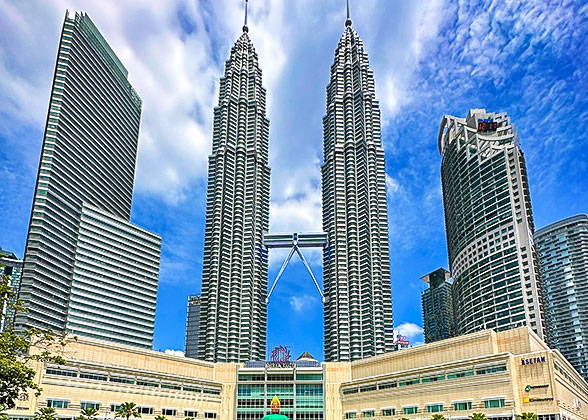
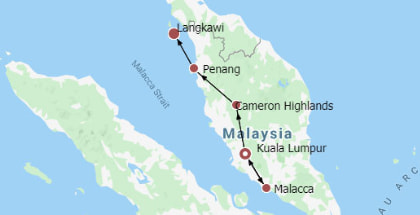
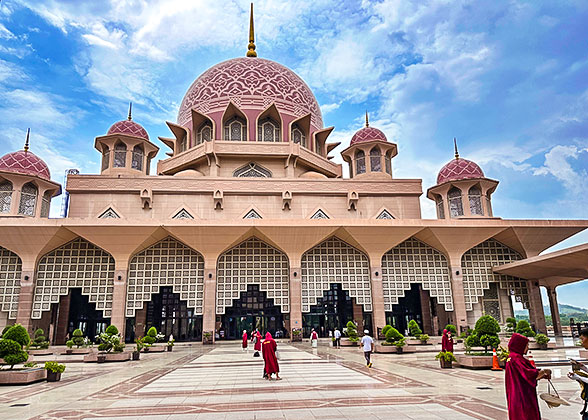
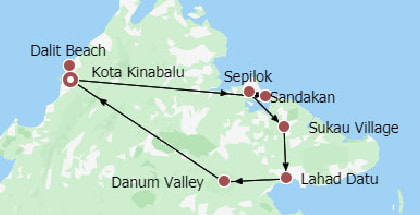
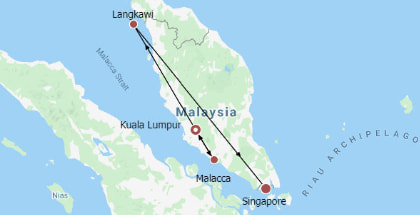
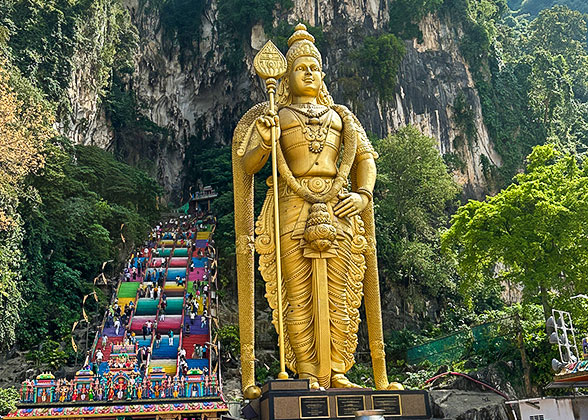
Malaysia is a highly underrated getaway with diverse attractions. With the South China Sea as the boundary, the west Peninsular Malaysia, boasts iconic landmarks like the Petronas Towers in the capital Kuala Lumpur, Dutch Red Square in the oldest city Malacca, sunny beaches in Langkawi, and the UNESCO-listed George Town in Penang. As for East Malaysia, it features untouched tropical rainforests and rare wildlife, such as the world’s biggest Sepilok Orang Utan Rehabilitation Center in Sabah and Gunung Mulu National Park with the planet’s largest cave chamber and stone forests in Sarawak.
Besides, diversified specialty food is just as much of a magnet. Coconut milk rice, herbal pork rib soup, grilled satay, tangy fish noodle soup, Malaysian stir-fried rice noodles, Hainanese chicken rice, and traditional Peranakan cakes are all worth a taste during your Malaysia tours. Thanks to multiple Halal restaurants here, Muslims are free to get your food fix.
How many days is enough for Malaysia?
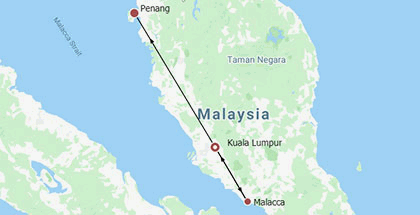
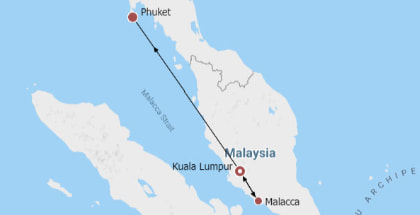
It typically takes at least 5 days to catch a quick glimpse, covering just Kuala Lumpur, Malacca, and Penang. Got 7-10 days? Consider extending your trip to Langkawi, Cameron Highlands, and even further, to parts of East Malaysia. If you have two weeks or more, consider a combo trip to nearby countries like Singapore, Thailand, or as far as Indonesia.
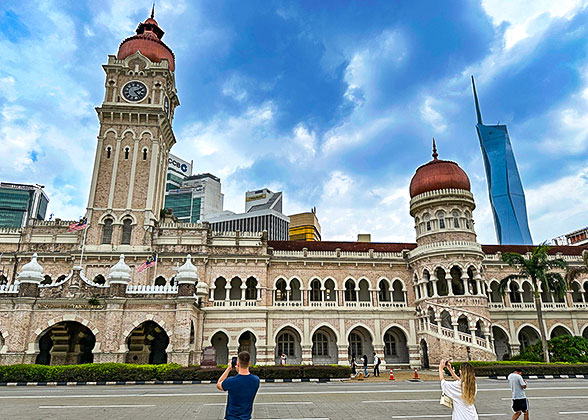
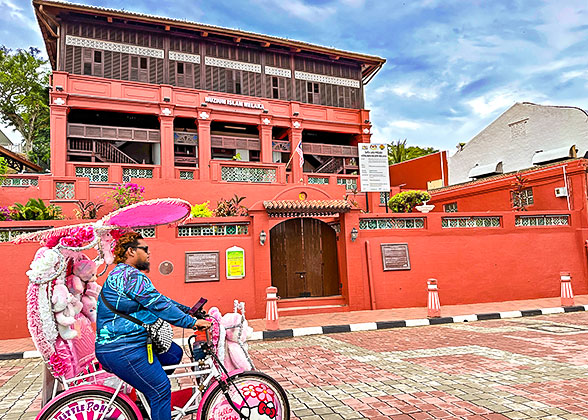
Merdeka Square, Kuala Lumpur
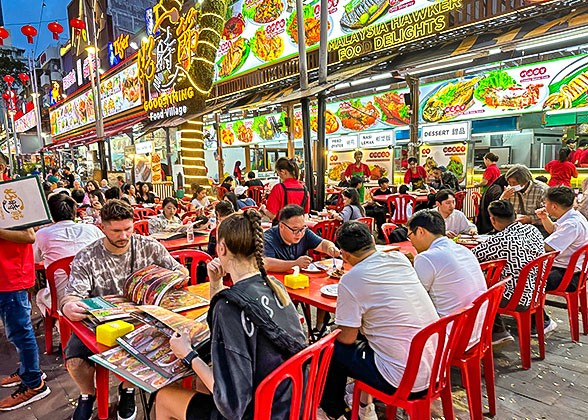
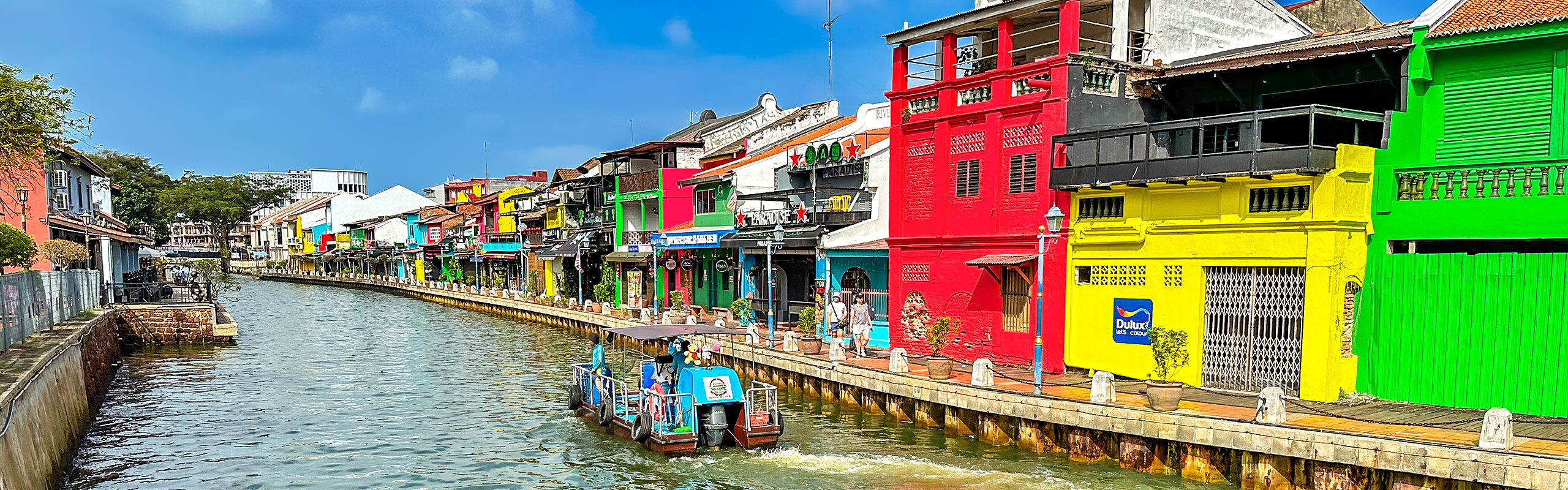
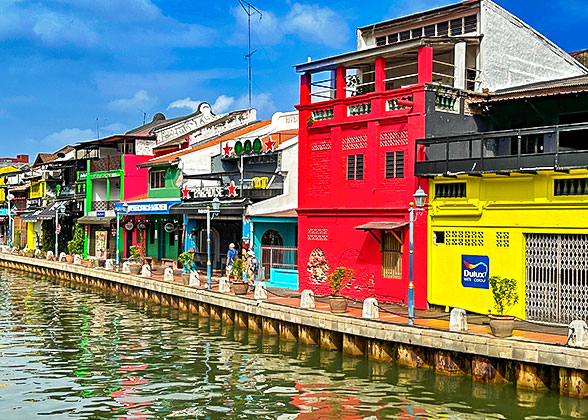
Food Street at Malacca
When is the best time to visit Malaysia?
November to February is the travel window for Kuala Lumpur, Penang and Langkawi in the west, owing to their low rainfall, comfortable temperatures, and bustling festive atmosphere. If you’d like to visit Sabah and Sarawak in the east, May to September comes highly recommended. Animal buffs should especially not miss June to August, the very optimal period to encounter orangutans, sea turtles, and other tropical wildlife.
Located near the equator, Malaysia is hot and humid all year round. It’s advisable to pack lightweight, breathable, and quick-drying clothes, among which sleeveless or short sleeve tops, shorts or capri pants, and slippers or sandals work well during your daily sightseeing.
Do I need a visa for Malaysia?
Visitors from most of the countries like all EU countries, Canada, Australia, Unites States, United Kingdom, Mexico, and Russia, do not need a visa to enter Malaysia for up to 3 months.
Is Malaysia expensive for travelers?
It is not pricey at all, and in fact, Malaysia is one of the most cost-effective countries in Southeast Asia, much like Thailand. Most tourists have a blast on a 5- or 6-day trip for USD 1,000-1,500. Moderate hotels cost USD 50-100 per night, but acceptable hostels for under USD 20 are also easy to find. For dining, a simple meal at street stalls costs USD 2-3 per person, while eating at ordinary restaurants may cost USD 5-10. Though island hopping tours and rainforest adventures are slightly costly, many attractions in Malaysia are free or pretty affordable. Regarding transport, domestic flights and long-distance coaches are much cheaper than those in Western countries, and taxi fares for trips within 10 km are at most USD 6, just half of those in major US cities.
How to pay in Malaysia?
It is recommended to adopt both cash and credit card. A majority of large shopping malls, chain restaurants, and scenic spots accept Visa and Mastercard, while street stores, night markets, and food stalls only take cash. ATMs and qualified money changers are readily available at airports and shopping malls in most cities. It’s advised to use the May Bank or its ATMs first, as there is no handling fee.
Which is better to visit, Singapore or Malaysia?
The answer depends on your travel style. If you long for a slow-paced, diverse vacation, Malaysia is the best deal, where you can enjoy a one-stop experience of island recreation, city sightseeing, rainforest adventures, and up-close wildlife encounters. Singapore, in contrast, features lush modern cityscapes and efficient transport, and is suitable for family travelers and those preferring convenient, exquisite tours. However, the travel expense in Singapore is comparable to Switzerland, a well-known high-cost destination, and the natural landscapes are relatively monotonous. For culture lovers, both are excellent choices, due to their cultures shaped by Malaysian, Chinese, and Indian traditions.
Is English widely spoken in Malaysia?
Yes, English has a widespread use, though Bahasa Malaysia is the official language. Especially at scenic spots, hotels, and commercial centers, the staff can communicate seamlessly in English. Even some natives master three languages of Malay, English, and Chinese.
How to get to and travel around Malaysia?
With its international air routes covering roughly 126 cities and regions, Malaysia can be reached by direct flights from Bangkok in Thailand, Ho Chi Minh City in Vietnam, Jakarta in Indonesia, Phnom Penh in Cambodia, Seoul in South Korea, London in the UK, Melbourne in Australia, and Shanghai and Hong Kong in China. If you’re traveling from adjacent Thailand or Singapore, international trains and long-distance coaches are also available. Despite taking a long time, their rates are reasonable and you can admire ever-changing urban scenery en route.
The best way for intercity travel is by air, such as flying from Kuala Lumpur to Penang in 1 hour, to Langkawi in 45 minutes, and to Sabah in 2.5 hours. Budget-conscious tourists may consider taking an ETS (Electric Train Service) or long-distance coach. If you get to Malacca from Kuala Lumpur, taking a bus would be a better option, and it will take around 2 hours. Branch out to nearby islands, like Tioman Island? You can take a ferry offering gorgeous seascapes.
Taxis and the ride-hailing app Grab are almost available in all major cities of Malaysia. During your stay in Kuala Lumpur, KL Monorail and Go KL City Bus are the most frequently used, both of which can nearly reach all main attractions. If you fancy a hassle-free Malaysia tour, consider our customized itinerary with seamless transfers.
What are the dos and don'ts in Malaysia?
► Don’ts:
1. Please avoid too intimate behaviors like kissing and hugging in public out of respect for their religious beliefs.
2. As Malaysia is a multiethnic country, openly discussing and joking about racial and religious issues are both improper.
3. It’s better not to touch others’ head, including children, as it is considered rude and disrespectful in local culture.
4. Try not to eat and drink in public during the Ramadan, a fasting period for Muslims in daylight.
► Dos:
1. Please pass something and dine with your right hand, because the left one is a symbol of impurity in Islamism.
2. Your shoulders and knees should be covered before entering mosques and temples.