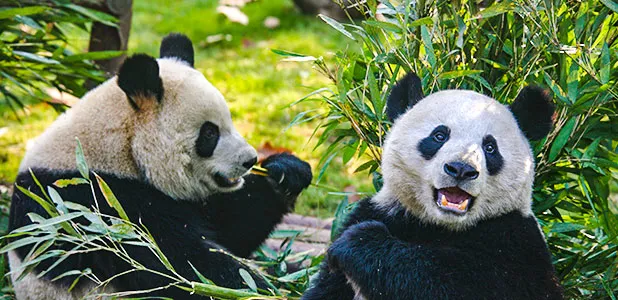
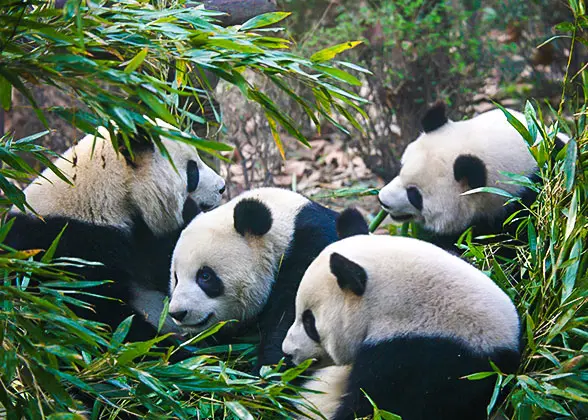
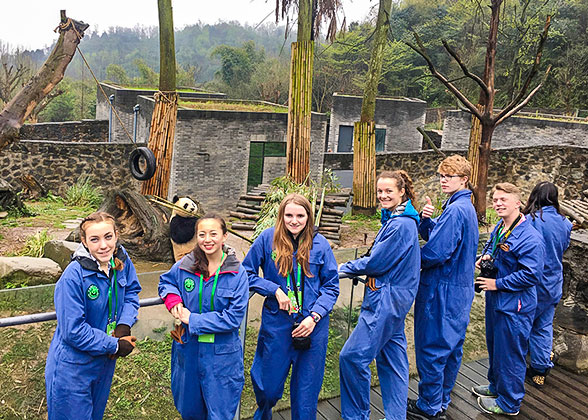
Chengdu, the capital of China's southwest Sichuan Province, is famed for being the home of cute giant pandas. Located in the west of Sichuan Basin and in the center of Chengdu Plain, the city covers a total area of 12.3 thousand square kilometres (4,749 square miles) with a population of over 11 million.
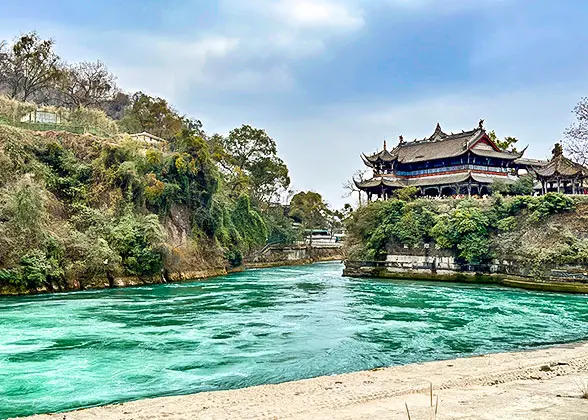
Benefiting from Dujiangyan Irrigation Project which was constructed in 256 B.C., Sichuan Province is reputed as the Heavenly State, Tian Fu Zhi Guo in Chinese, literally a place richly endowed with natural resources. Chengdu, as the capital, is extremely productive. The Min and Tuo Rivers, two branches of the Yangtze River, connected to 40 other rivers, supply an irrigation area of more than 700 square kilometres (270.27 square miles) with 150-180 million kilowatts of water. Consisting of abundant mineral resources, the land is extremely fertile.

Click to see all
Chengdu Attractions See more:
Top 10 Things to Do in ChengduAs the transport hub in southwest hinterland of China and the main access city to Tibet, Chengdu is easily approached thanks to its air routes and railways extending nationwide. The city bus and metro continue to develop, providing the locals and the tourists with great convenience. Entertainment
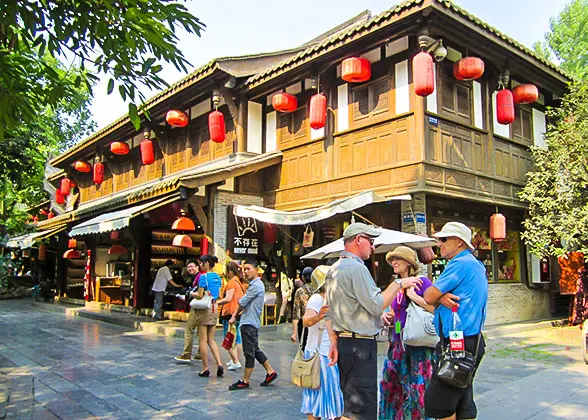
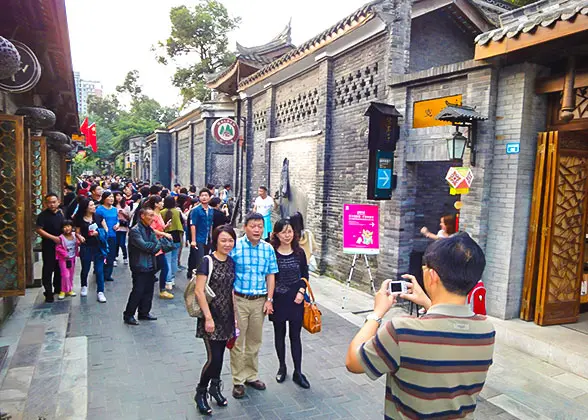
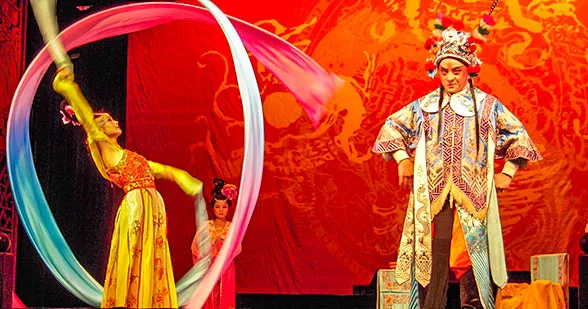
Traveling or living in Chengdu can be a great fun. Besides the amazing places of interest, the city offers a lot inviting activities for visitors and expats. Sampling the famous Sichuan food is a must here. The hot and spicy dishes and varied tasty snacks are sure to whip up your appetite. Go shopping at the Chunxi Road, spend a leisurely afternoon in a teahouse, and watch a Sichuan Opera performance at night – this would be a perfect day giving you a deeper understanding of this charming city.
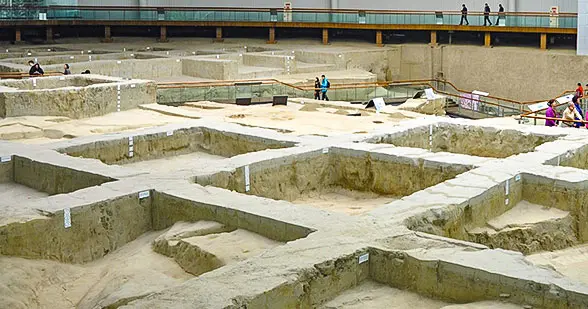
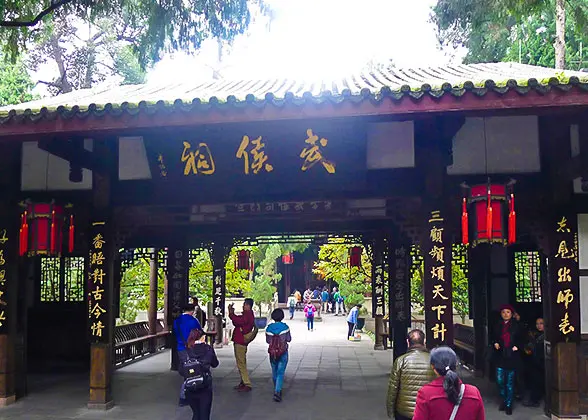
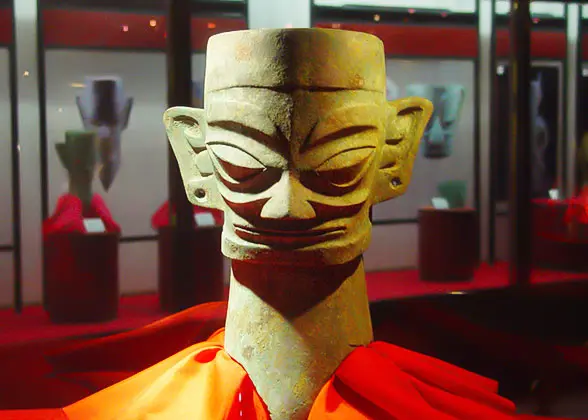
The history of the city can be traced back 2,400 when the first emperor built his capital here and named the city. Through thousands of years its original name has been kept and its position as the capital and as the significant center of politics, commerce and military of the Sichuan area (once called Shu) has remained unchanged. Since the Han (206B.C.-220) and Tang (618-907) Dynasties when its handicraft industry flourished, the place has been famous for its brocades and embroideries. Shu embroideries still enjoy a high reputation for their bright colors and delicate designs, ranking among the four main embroideries in China. The city was also the place where the bronze culture, an indispensable part of ancient Chinese culture, originated; the place where the Southern Silk Road started; and the place where the earliest paper currency, Jiaozi (not the dumpling!), was first printed. It is listed among the first 24 state-approved historical and cultural cities and owns 23 state and provincial cultural relic units.
10 Places to Visit in China for a Trip of a Lifetime
Travel in Depth: 10 Best Places to Visit in China for Return Visitors
10 Best Cities in China for Budget Travelers
9 China Famous Cities for Study Tour
Top 10 Largest Cities in China by Population
15 Important Cities in China for Business Travel
Gourmet Paradise: 10 Tourist Cities in China for Food Lovers
Sichuan - Tibet Overland Adventure
- Last updated on Jun. 01, 2026 by Sule Su -