Great Traverse of Japan
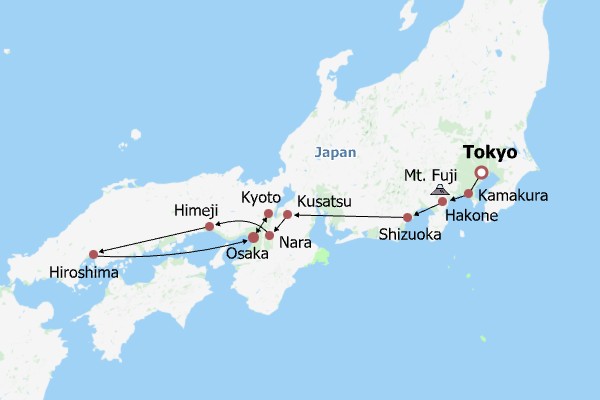
10 Days Mini Group Tour to Tokyo - Hakone (Mt. Fuji) - Kyoto - Nara - Osaka - Hiroshima - Kanazawa - Shirakawa-go - Tokyo
Tour Type: Group tour of 2 to 6 pax, with an experienced local guide
Transportation: Public transport, including bullet train experience
Accommodation: Handpicked 3 to 4-star hotels
Meals: 9 breakfasts
Code: TJP13
Transportation: Public transport, including bullet train experience
Accommodation: Handpicked 3 to 4-star hotels
Meals: 9 breakfasts
Code: TJP13
From USD4039USD3635Free Inquiry
- Itinerary
- Dates & Prices
- Includes
- What Makes the Difference?
Trip Highlights
- Travel around many must-visit shrines, temples, and castles in Tokyo and Kyoto.
- Access to our exceptional date-change service to get better views of Mt. Fuji.
- Embark on a Nara World Heritage tour surrounded by numerous adorable deer.
- Recall the devastating atomic bombing of Hiroshima and explore Miyajima Island.
- Venture off the beaten path to discover Kanazawa and Shirakawa-go Village.Compare and Book with Confidence: A low $200 deposit and free cancellation more than 40 days before departure.
Expand All
Collapse All
Day 1 Tokyo Airport Pick-up
► Inclusions: Tokyo Narita Airport or Haneda Airport pickup by shared car, hotel in Tokyo
Welcome to Japan! Upon your arrival in Tokyo, we will greet you at the airport before 20:30 and offer you a hassle-free transfer to our handpicked hotel by shared car.
Welcome to Japan! Upon your arrival in Tokyo, we will greet you at the airport before 20:30 and offer you a hassle-free transfer to our handpicked hotel by shared car.
Day 2 Tokyo: Tsukiji Outer Market, Meiji Jingu Shrine, Imperial Palace, Senso-ji Temple
► Attractions: Tsukiji Outer Market, Meiji Jingu Shrine, Imperial Palace, Senso-ji Temple, Kaminarimon Gate, Nakamise-dori Street, a distant view of Tokyo Skytree
► Inclusions: Hotel breakfast, morning pickup & evening return escort, full-day guide, entrance fees to attractions, public transport passes, hotel in Tokyo
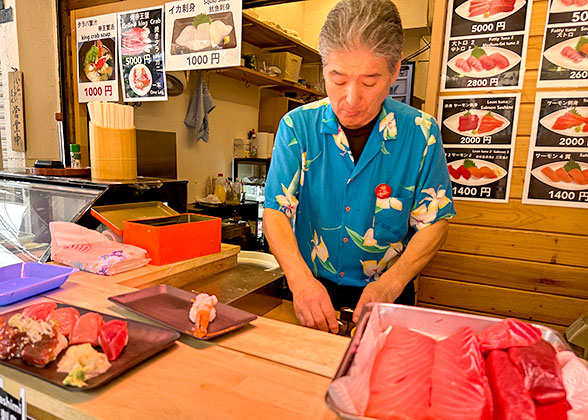
This morning, your guide will pick you up from your hotel for an exciting Tokyo adventure via public transportation. First, let’s explore Japanese cooking secrets at Tsukiji Outer Market, once the world’s largest fish market and now a food lover’s favorite. From 17th-century kelp-wrapped seafood for storage to modern high-moisture ramen, which easily regains shape after extrusion, Tokyo’s cuisine has evolved and shaped Japan’s food culture.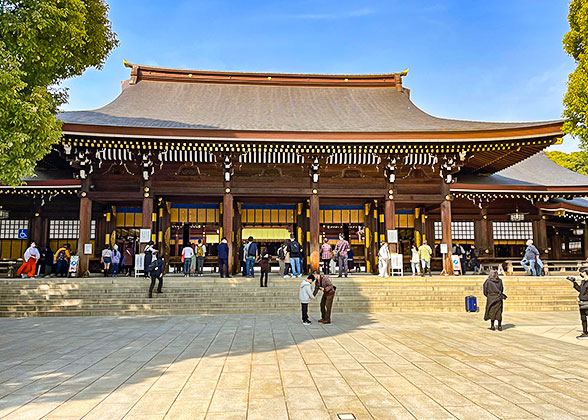
 Later, escape the busy surroundings and take a peaceful walk into a forest to visit Meiji Jingu Shrine. In Japan, the torii gate signals the shrine’s importance. As you approach the towering torii at Meiji Jingu—Japan’s largest wooden torii made from over 1,500-year-old wood from Taiwan—you’ll see its significance. This is because Emperor Meiji (1852 - 1912 AD)’s end of the shogunate increased the emperor’s power, making his deification and worship central to Japan’s national identity and spiritual unity.
Next, we’ll visit the Imperial Palace. From the 17th to the 19th centuries, it served as a fortress for the Tokugawa shogunate, with tall walls and complex moats for protection. It is now the residence of the emperor and his family. As you admire its seamless blend of tradition and modernity, your knowledgeable guide will also explain the imperial family’s traditions and their influence on contemporary Japan.
In the afternoon, immerse yourself in the vibrant Asakusa, with Senso-ji Temple as the focal point. After photographing the large red lantern at Kaminarimon Gate, walk down Nakamise-dori Street, buzzing with Japanese treats. Once you’ve seen the main hall and the five-story pagoda, follow your guide to a backstreet viewing spot where you can enjoy a distant view of Tokyo Skytree and, if you wish, try a rickshaw ride at your own cost. Finally, your guide will accompany you back to your hotel.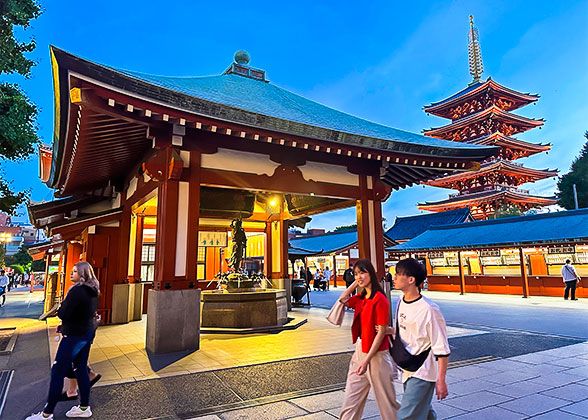
► Inclusions: Hotel breakfast, morning pickup & evening return escort, full-day guide, entrance fees to attractions, public transport passes, hotel in Tokyo
This morning, your guide will pick you up from your hotel for an exciting Tokyo adventure via public transportation. First, let’s explore Japanese cooking secrets at Tsukiji Outer Market, once the world’s largest fish market and now a food lover’s favorite. From 17th-century kelp-wrapped seafood for storage to modern high-moisture ramen, which easily regains shape after extrusion, Tokyo’s cuisine has evolved and shaped Japan’s food culture.
Meiji Jingu Shrine, Tokyo
Authentic Sushi in Japan
Next, we’ll visit the Imperial Palace. From the 17th to the 19th centuries, it served as a fortress for the Tokugawa shogunate, with tall walls and complex moats for protection. It is now the residence of the emperor and his family. As you admire its seamless blend of tradition and modernity, your knowledgeable guide will also explain the imperial family’s traditions and their influence on contemporary Japan.
In the afternoon, immerse yourself in the vibrant Asakusa, with Senso-ji Temple as the focal point. After photographing the large red lantern at Kaminarimon Gate, walk down Nakamise-dori Street, buzzing with Japanese treats. Once you’ve seen the main hall and the five-story pagoda, follow your guide to a backstreet viewing spot where you can enjoy a distant view of Tokyo Skytree and, if you wish, try a rickshaw ride at your own cost. Finally, your guide will accompany you back to your hotel.
Senso-ji Temple, Tokyo
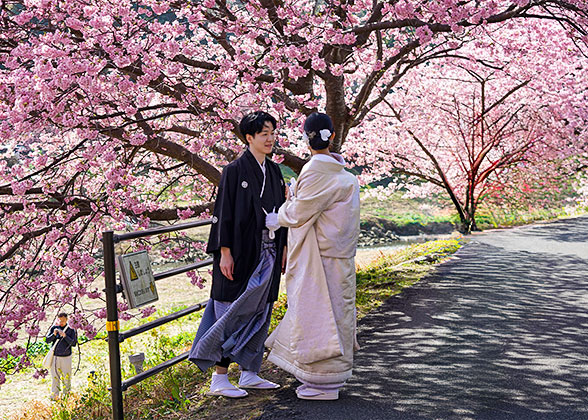
Cherry Blossom in Japan
Day 3 Tokyo to Hakone Round Trip: Mt. Fuji, Owakudani Valley, Lake Ashi Cruise
► Attractions: Hakone Owakudani Valley, a distant view of Mt. Fuji, Lake Ashi cruise
► Inclusions: Hotel breakfast, morning pickup & evening return escort, full-day guide, entrance fees to attractions, Hakone black egg tasting, public transport (including Tokyo-Hakone round-trip express trains, Hakone Tozan Train, Panoramic Ropeway, and Lake Ashi cruise ship), hotel in Tokyo
Many travelers have Mt. Fuji on their bucket list, so today offers a great opportunity to see Japan’s highest peak and cultural icon. After an early hotel pickup, take an express train with your guide to Odawara, then switch to the Hakone Tozan Railway. As the train climbs, the scenery outside looks like an anime scene, adding to the enjoyment of the ensuing sightseeing.
Our initial stop is Owakudani Valley, where ongoing volcanic eruptions create a surreal spectacle that photographers will find captivating. It was originally called Hell Valley because of its harsh landscape. Still, in 1873, it was renamed Owakudani to avoid the bad luck associated with the name “Hell” during Emperor Meiji and Empress Shoken’s retreat in Hakone.
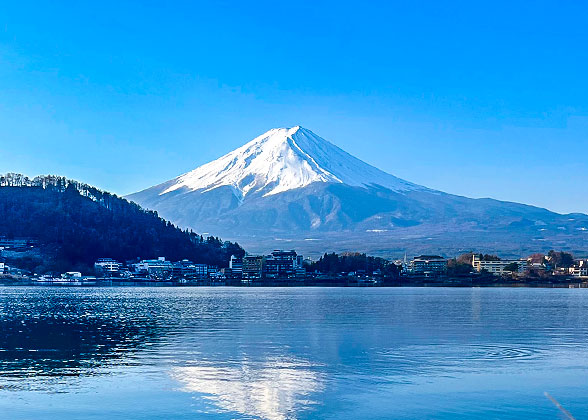
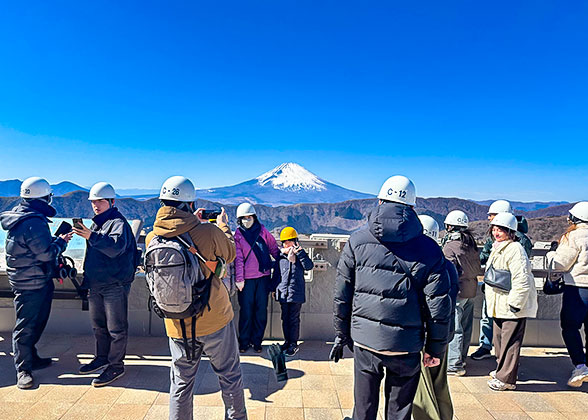
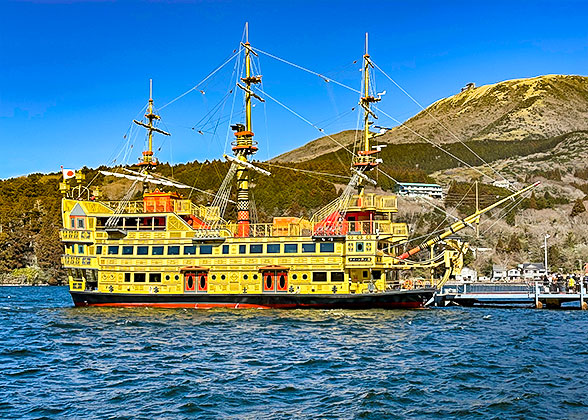
Continue on the ropeway to the enchanting Lake Ashi, and join your guide for a ride on a cruise to capture amazing photos of Mt. Fuji. You might wonder: why is Mt. Fuji so sacred to the Japanese? In a country where many traditionally lived in valleys, the Japanese hold their towering mountains in deep respect. After relocating to Tokyo’s flatlands several times, they often feel detached and yearn for the familiar mountains that act as spiritual anchors. Luckily, they can still see the majestic Mt. Fuji in the distance, which remains a powerful spiritual symbol. When on land, your guide will accompany you on the return trip to Tokyo.
► Inclusions: Hotel breakfast, morning pickup & evening return escort, full-day guide, entrance fees to attractions, Hakone black egg tasting, public transport (including Tokyo-Hakone round-trip express trains, Hakone Tozan Train, Panoramic Ropeway, and Lake Ashi cruise ship), hotel in Tokyo
Many travelers have Mt. Fuji on their bucket list, so today offers a great opportunity to see Japan’s highest peak and cultural icon. After an early hotel pickup, take an express train with your guide to Odawara, then switch to the Hakone Tozan Railway. As the train climbs, the scenery outside looks like an anime scene, adding to the enjoyment of the ensuing sightseeing.
Our initial stop is Owakudani Valley, where ongoing volcanic eruptions create a surreal spectacle that photographers will find captivating. It was originally called Hell Valley because of its harsh landscape. Still, in 1873, it was renamed Owakudani to avoid the bad luck associated with the name “Hell” during Emperor Meiji and Empress Shoken’s retreat in Hakone.
Continue on the ropeway to the enchanting Lake Ashi, and join your guide for a ride on a cruise to capture amazing photos of Mt. Fuji. You might wonder: why is Mt. Fuji so sacred to the Japanese? In a country where many traditionally lived in valleys, the Japanese hold their towering mountains in deep respect. After relocating to Tokyo’s flatlands several times, they often feel detached and yearn for the familiar mountains that act as spiritual anchors. Luckily, they can still see the majestic Mt. Fuji in the distance, which remains a powerful spiritual symbol. When on land, your guide will accompany you on the return trip to Tokyo.
★ Considerate Service Concerning Mt. Fuji’s Visibility
Japan’s island location heavily influences Mt. Fuji’s visibility, limiting it to about 80 days annually, mainly from October to February. Don’t worry, our date-exchange service will boost your chances of seeing it by 50%, with weather checks during your two days in Tokyo to reschedule the Hakone tour. For this service, you may only get non-reserved tickets on bullet trains, since reserved tickets - which we always prioritize in regular itineraries - must be booked a month in advance. However, after seeing our efforts to meet your request, we hope you can accept the 5% chance of not finding a seat outside peak season.Visit Mt. Fuji
Lake Ashi Cruise
Day 4 Tokyo - Kyoto: Visit Golden Pavilion, Pure Water Temple & Traditional Gion Area
► Attractions: Golden Pavilion, Sannenzaka and Ninenzaka, Pure Water Temple, Gion geisha district
► Inclusions: Hotel breakfast, Tokyo-to-Kyoto bullet train, Kyoto guide, entrance fees to attractions, public transport passes in Kyoto, evening return escort, hotel in Kyoto
Today, please go to Tokyo Station on your own – it’s a 9-minute walk from the 3-star hotel or just a 7-minute walk from the 4-star hotel. Afterward, enjoy a 2-hour bullet train ride to Kyoto, with tickets reserved and included, as we get ready to explore Kyoto’s rich history and culture!
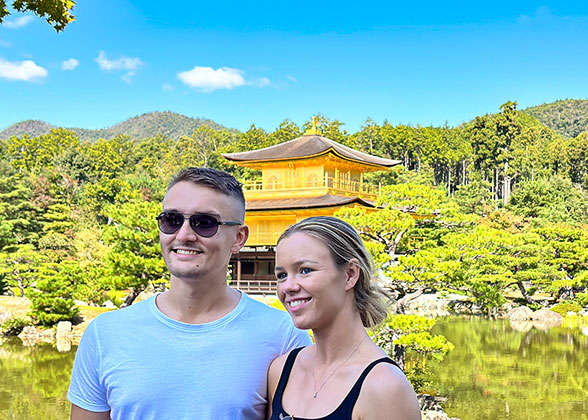
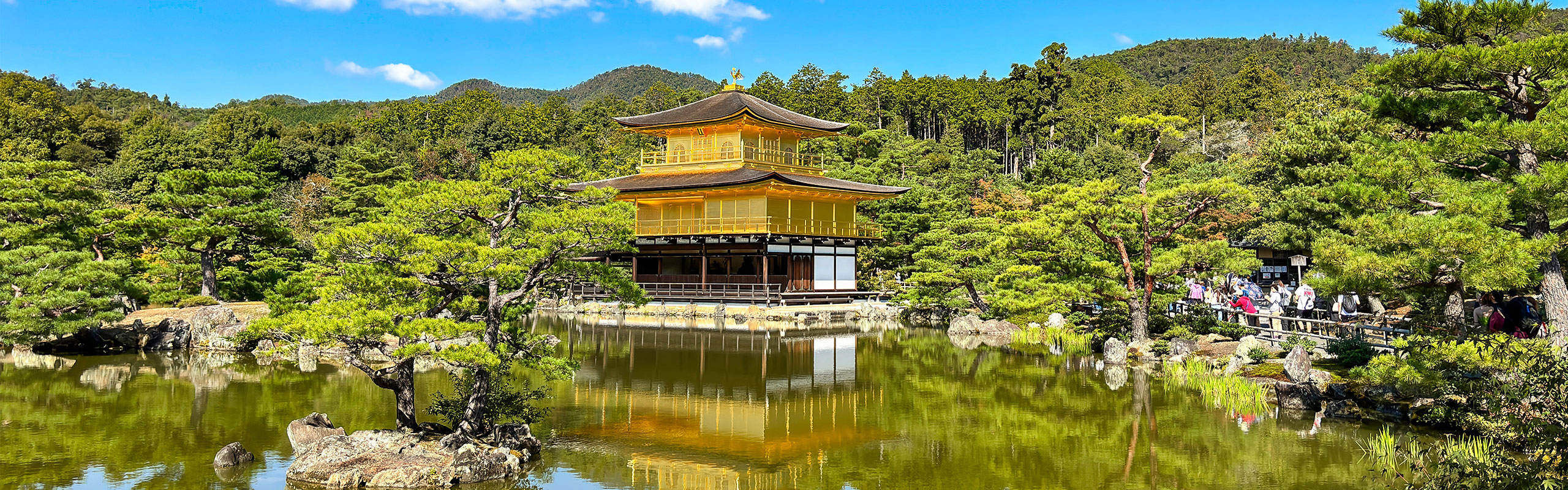
Once the Kyoto guide picks you up at the train station, you will be escorted to the Temple of the Golden Pavilion. Originally built by Shogun Ashikaga Yoshimitsu (1358-1408 AD), it later became a Zen temple and has endured fires and renovations, standing as a symbol of resilience. From late March to early April, when cherry blossoms highlight the temple’s enduring beauty, a spring walk through the garden feels more like a reflective meditation than mere sightseeing.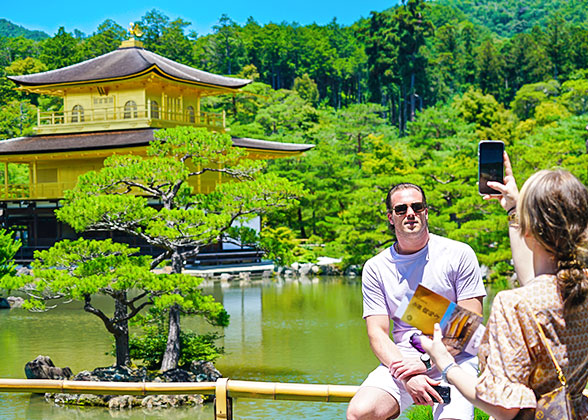
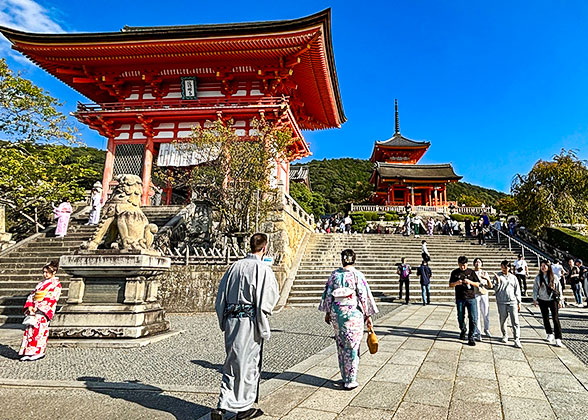
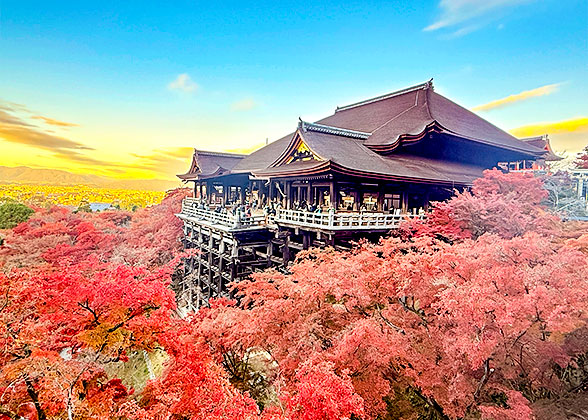 Next, let’s head to the Pure Water Temple along the Ninenzaka and Sannenzaka slopes, with traditional townhouses and photo stops like the Yasaka Pagoda. At the main hall, supported by 139 wooden pillars on the cliffside, enjoy panoramic views of Kyoto from the wooden stage. In Japanese, “Jumping off the Pure Water Stage” means “to take the plunge,” implying that those who survive the jump will have their wish granted. Though long banned, the practice has given the stage a sense of faith.
After leaving the temple, join your guide to discover the fascinating Gion area, whose history is as varied as the detailed patterns on geisha kimonos. Initially developed in the 8th century as a resting area near Yasaka Shrine, Gion grew into a bustling entertainment district by the 17th century, famous for its geishas. These women, trained in music, dance, and conversation, are not just performers but also keepers of Japan’s elegant traditions and ancient customs.
In the end, your guide will escort you back to your hotel. If desired, you can extend your evening to enjoy dinner on your own and view the lanterns at Yasaka Shrine. For your return trip, options include a 15-minute taxi ride or a 25-minute ride on the 207 City Bus from Shijo Keihan-mae Station to Subway Kujo Station.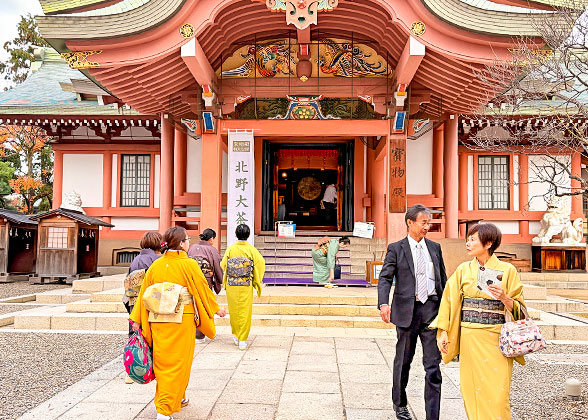
► Inclusions: Hotel breakfast, Tokyo-to-Kyoto bullet train, Kyoto guide, entrance fees to attractions, public transport passes in Kyoto, evening return escort, hotel in Kyoto
Today, please go to Tokyo Station on your own – it’s a 9-minute walk from the 3-star hotel or just a 7-minute walk from the 4-star hotel. Afterward, enjoy a 2-hour bullet train ride to Kyoto, with tickets reserved and included, as we get ready to explore Kyoto’s rich history and culture!
Once the Kyoto guide picks you up at the train station, you will be escorted to the Temple of the Golden Pavilion. Originally built by Shogun Ashikaga Yoshimitsu (1358-1408 AD), it later became a Zen temple and has endured fires and renovations, standing as a symbol of resilience. From late March to early April, when cherry blossoms highlight the temple’s enduring beauty, a spring walk through the garden feels more like a reflective meditation than mere sightseeing.
Temple of Golden Pavilion, Kyoto
Pure Water Temple, Kyoto
After leaving the temple, join your guide to discover the fascinating Gion area, whose history is as varied as the detailed patterns on geisha kimonos. Initially developed in the 8th century as a resting area near Yasaka Shrine, Gion grew into a bustling entertainment district by the 17th century, famous for its geishas. These women, trained in music, dance, and conversation, are not just performers but also keepers of Japan’s elegant traditions and ancient customs.
In the end, your guide will escort you back to your hotel. If desired, you can extend your evening to enjoy dinner on your own and view the lanterns at Yasaka Shrine. For your return trip, options include a 15-minute taxi ride or a 25-minute ride on the 207 City Bus from Shijo Keihan-mae Station to Subway Kujo Station.
A Local Shrine in Kyoto
Pure Water Temple, Kyoto
Day 5 Kyoto Fushimi Inari Shrine, Nara World Heritage Sites Tour & Meet Deer, Back to Kyoto
► Attractions: Fushimi Inari Shrine, Nara Park, Great Eastern Temple, Kasuga Taisha Shrine (Goryo Shrine & Naramachi Lattice House if time permits)
► Inclusions: Hotel breakfast, morning pickup & evening return escort, full-day guide, entrance fees to attractions, Kyoto-Nara round-trip trains, other public transport passes, hotel in Kyoto
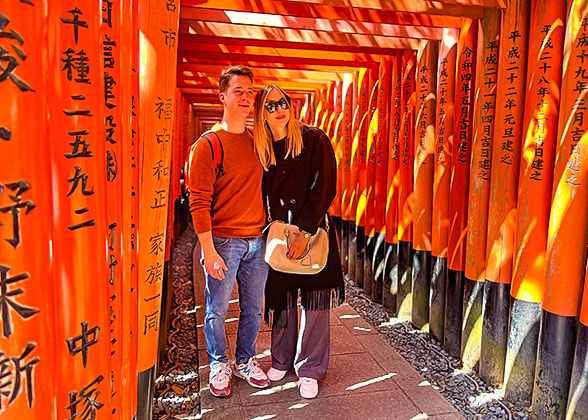
Early today, depart from your hotel with your guide to explore Fushimi Inari Shrine, aiming to avoid the crowds and capture the best morning light for photos. After examining the detailed carvings in the main hall, we’ll hike for 30-40 minutes along the red tunnel of Senbon Torii to its less-crowded middle sections, which offer breathtaking views of Kyoto and excellent photo spots.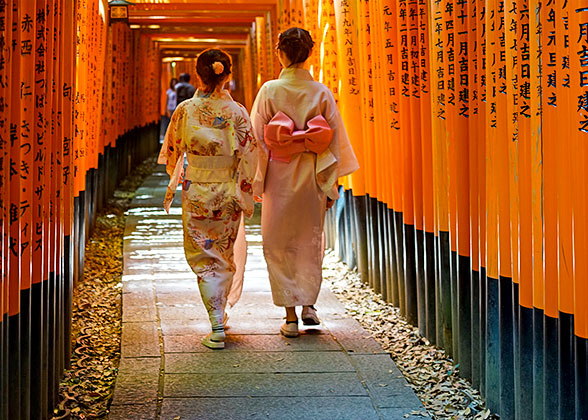
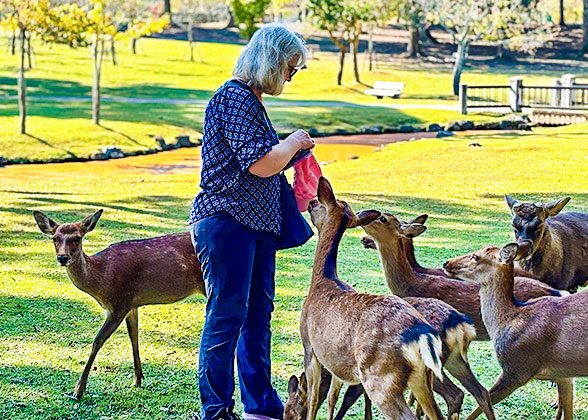 Later, bid farewell to Kyoto and follow your guide on a train ride to Nara, Japan’s first ancient capital. As you stroll through Nara Park’s lush greenery, you’ll be among the deer, Nara’s symbol. Local legends say these deer are messengers of the gods, and interacting with them is considered a blessing. You can buy deer crackers to feed them, but remember to stay still and hold the crackers flat in your hand rather than waving, so the deer won’t become too excited and hurt you.
Next, prepare to be impressed by the Great Eastern Temple, featuring its impressive Great Buddha Hall and a 15-meter-tall (49-foot) Buddha statue. Built in the 8th century by the emperor to promote Buddhism nationwide, it symbolized the nation’s unity in faith. Although it lost political prominence due to the decline of Buddhism and the confiscation of temple lands in the late 19th century, the temple remains a cultural treasure and has been designated a World Heritage Site.
Just a short walk from here is the trail to Kasuga Taisha Shrine, lined with stone lanterns and ancient trees, with deer occasionally rushing through. When you reach the shrine complex, you’ll notice its red pillars and white walls, still bright despite the years. Why are most Japanese shrines painted vermilion? The Japanese believe that vermilion protects against evil spirits, symbolizes the sun’s vitality and energy, and signifies fertility and prosperity. Vermilion lacquer also has antibacterial and antiseptic properties that help preserve the wood. Finally, your guide will accompany you back to your hotel in Kyoto.
* If time permits, we’ll also stroll through the old residential area of Nara to visit Goryo Shrine and Naramachi Lattice House.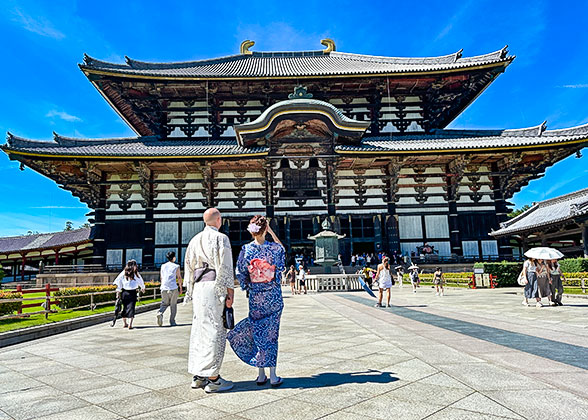
► Inclusions: Hotel breakfast, morning pickup & evening return escort, full-day guide, entrance fees to attractions, Kyoto-Nara round-trip trains, other public transport passes, hotel in Kyoto
Early today, depart from your hotel with your guide to explore Fushimi Inari Shrine, aiming to avoid the crowds and capture the best morning light for photos. After examining the detailed carvings in the main hall, we’ll hike for 30-40 minutes along the red tunnel of Senbon Torii to its less-crowded middle sections, which offer breathtaking views of Kyoto and excellent photo spots.
Fushimi Inari Shrine, Kyoto
Nara Park
Next, prepare to be impressed by the Great Eastern Temple, featuring its impressive Great Buddha Hall and a 15-meter-tall (49-foot) Buddha statue. Built in the 8th century by the emperor to promote Buddhism nationwide, it symbolized the nation’s unity in faith. Although it lost political prominence due to the decline of Buddhism and the confiscation of temple lands in the late 19th century, the temple remains a cultural treasure and has been designated a World Heritage Site.
Just a short walk from here is the trail to Kasuga Taisha Shrine, lined with stone lanterns and ancient trees, with deer occasionally rushing through. When you reach the shrine complex, you’ll notice its red pillars and white walls, still bright despite the years. Why are most Japanese shrines painted vermilion? The Japanese believe that vermilion protects against evil spirits, symbolizes the sun’s vitality and energy, and signifies fertility and prosperity. Vermilion lacquer also has antibacterial and antiseptic properties that help preserve the wood. Finally, your guide will accompany you back to your hotel in Kyoto.
* If time permits, we’ll also stroll through the old residential area of Nara to visit Goryo Shrine and Naramachi Lattice House.
Great Eastern Temple, Nara
Nijo Castle, Kyoto
Day 6 Kyoto Nijo Castle, Train to Osaka, Visit Osaka Castle, Dotonbori & Shinsaibashi
Food Market
► Inclusions: Hotel breakfast, morning pickup & evening return escort, full-day guide, entrance fees to attractions, Kyoto-to-Osaka bullet train, other public transport passes, hotel in Osaka
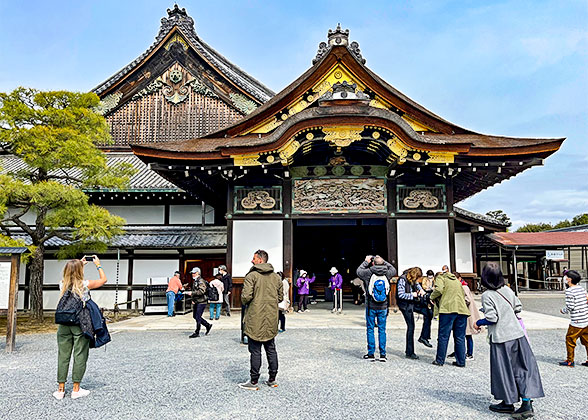
After a hotel pickup by your guide, your day begins with a visit to Nijo Castle, built in 1603 by the founder of the Tokugawa shogunate as a residence and military outpost, symbolizing the shogunate’s power. Touring the Ninomaru Palace, you’ll feel the presence of samurai, and the famous “nightingale floor” underfoot, which chirped to alert intruders, recalls the samurai’s golden age.
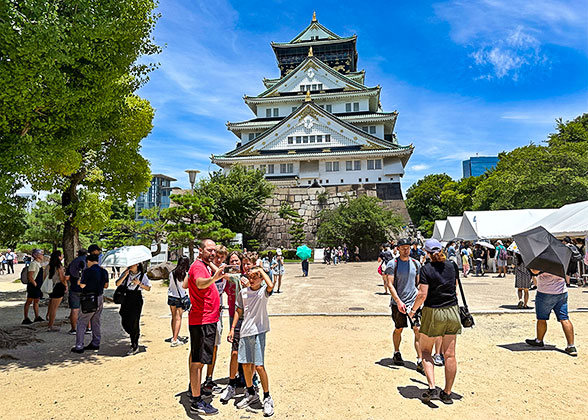
Next, let’s take a train to Osaka. After arriving, follow your guide to Osaka Castle, built by the feudal lord Toyotomi Hideyoshi (1537-1598 AD). He spearheaded major urban development around the castle, establishing Osaka as Japan’s leading commercial hub, earning him the nickname Osaka’s Founding Father. His inspiring journey from humble beginnings to a powerful ruler embodies the values admired by Osaka residents. In the Main Tower, you can see exhibits on Toyotomi Hideyoshi’s legendary life and notable accomplishments.
Around dusk, we’ll reach Dotonbori and Shinsaibashi, renowned as Osaka’s primary dining and entertainment districts, and also visit the lesser-known historic Hozen-ji Temple. Since our itinerary today is more comprehensive than the standard 8-hour trips offered by most providers, your guide will give a brief overview here and allow ample free time for personal exploration. You can either head back to your hotel with your guide or enjoy a Dotonbori cruise on your own to experience Osaka’s jaunty spirit as the “City of Laughter,” and finally take a 10-minute walk along Shinsaibashi Street to return.
Osaka Castle
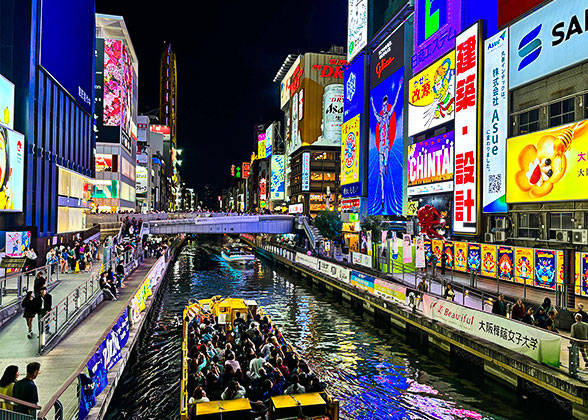
Dotonbori Street, Osaka
Day 7 Round Trip from Osaka to Hiroshima: Visit Itsukushima Shrine & Atomic Bomb Sites
► Attractions: Miyajima Island, Itsukushima Shrine, Floating Torii Gate, Atomic Bomb Dome, Hiroshima Peace Memorial Park & Museum
► Inclusions: Hotel breakfast, Osaka-Hiroshima round-trip trains, Hiroshima guide, entrance fees to attractions, ferry to Miyajima Island, other public transport passes, hotel in Osaka
Today, please walk 3 to 5 minutes from your hotel to Shinsaibashi Metro Station, then board the Midosuji Line for 6 stops (about 12 minutes) to Shin-Osaka Station. If carrying large luggage, a taxi is a convenient option, taking about 10 minutes and costing around USD 25.
► Tip: Since you’ll be making several transfers in the upcoming days, consider having your heavy luggage sent to Tokyo with your guide’s assistance, allowing you to travel more lightly.
After a 1.5-hour bullet train ride on your own from Shin-Osaka Station to Hiroshima Station (tickets reserved and included), your local guide will pick you up for a ferry ride to Miyajima Island, one of Japan’s Three Views, where red-and-white Itsukushima Shrine faces the blue sea, with Mount Misen’s green forests in the background. In the late 12th century, samurai-dictator Taira no Kiyomori lifted the maritime ban to promote trade, cracked down on pirates, and extensively renovated the port. Merchants, concerned about storms and natural disasters, found solace through worshiping the Sea Goddess. Consequently, the Itsukushima Shrine has been venerated ever since.
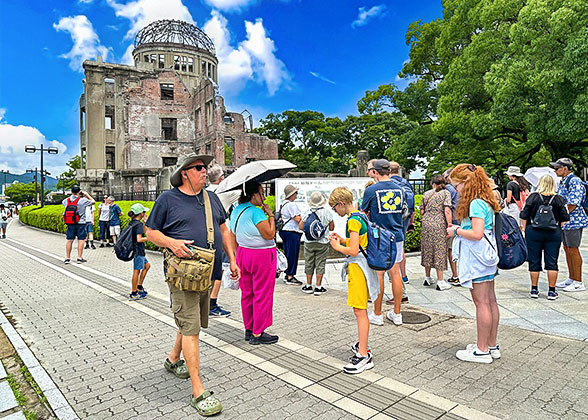
In the afternoon, we will head to the core of Hiroshima to explore its poignant history. After World War II, Hiroshima faced a pivotal choice: to rebuild as it was before 1945 or to create a lasting memorial. The city opted for the latter, transforming its scars into the Peace Memorial Park, where hope and peace flourish from devastation. Take a moment to admire the Atomic Bomb Dome, one of the few structures with well-preserved remains, now a UNESCO World Heritage site, symbolizing war’s devastating effects and the enduring desire for peace. Subsequently, explore the Peace Memorial Museum to see exhibits featuring victims’ personal items, impactful photographs, and models demonstrating the bomb’s destructive power. These displays embody tragedy and resilience, constantly reminding us of war’s high toll and the importance of peace.
Finally, your guide will escort you to Hiroshima Station and provide train tickets for your independent trip back to Osaka.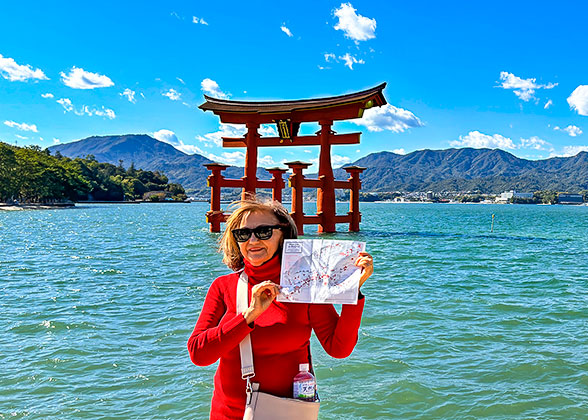
► Inclusions: Hotel breakfast, Osaka-Hiroshima round-trip trains, Hiroshima guide, entrance fees to attractions, ferry to Miyajima Island, other public transport passes, hotel in Osaka
Today, please walk 3 to 5 minutes from your hotel to Shinsaibashi Metro Station, then board the Midosuji Line for 6 stops (about 12 minutes) to Shin-Osaka Station. If carrying large luggage, a taxi is a convenient option, taking about 10 minutes and costing around USD 25.
► Tip: Since you’ll be making several transfers in the upcoming days, consider having your heavy luggage sent to Tokyo with your guide’s assistance, allowing you to travel more lightly.
After a 1.5-hour bullet train ride on your own from Shin-Osaka Station to Hiroshima Station (tickets reserved and included), your local guide will pick you up for a ferry ride to Miyajima Island, one of Japan’s Three Views, where red-and-white Itsukushima Shrine faces the blue sea, with Mount Misen’s green forests in the background. In the late 12th century, samurai-dictator Taira no Kiyomori lifted the maritime ban to promote trade, cracked down on pirates, and extensively renovated the port. Merchants, concerned about storms and natural disasters, found solace through worshiping the Sea Goddess. Consequently, the Itsukushima Shrine has been venerated ever since.
In the afternoon, we will head to the core of Hiroshima to explore its poignant history. After World War II, Hiroshima faced a pivotal choice: to rebuild as it was before 1945 or to create a lasting memorial. The city opted for the latter, transforming its scars into the Peace Memorial Park, where hope and peace flourish from devastation. Take a moment to admire the Atomic Bomb Dome, one of the few structures with well-preserved remains, now a UNESCO World Heritage site, symbolizing war’s devastating effects and the enduring desire for peace. Subsequently, explore the Peace Memorial Museum to see exhibits featuring victims’ personal items, impactful photographs, and models demonstrating the bomb’s destructive power. These displays embody tragedy and resilience, constantly reminding us of war’s high toll and the importance of peace.
Finally, your guide will escort you to Hiroshima Station and provide train tickets for your independent trip back to Osaka.
Itsukushima Shrine, Hiroshima
Atomic Bomb Dome, Hiroshima
Day 8 Train to Kanazawa: Kenroku-en Garden, Higashi Chaya District, Nagamachi Samurai District
► Attractions: Kenroku-en Garden, Higashi Chaya District, Nagamachi Samurai District
► Inclusions: Hotel breakfast, Osaka-to-Kanazawa bullet train, Kanazawa guide, entrance fees to attractions, other public transport passes, evening return escort, hotel in Kanazawa
Today, you’ll need to travel alone to Shin-Osaka Station to catch a 2.5-hour bullet train to Kanazawa with the provided tickets. Although often called Little Kyoto for its well-preserved historic buildings and rich traditional culture, Kanazawa’s heroic yet delicate qualities are deeply rooted in samurai heritage, in contrast to Kyoto’s regal and aristocratic elegance. Upon arrival, your local guide will escort you from Kanazawa Station to your hotel.
After a short rest, we’ll begin our afternoon tour at Kenrokuen Garden, one of Japan’s renowned top three gardens. As you admire the expansive Kasumi Pond, meandering towering Karasaki pines, and lanterns reminiscent of ancient zither pillars, along with Japan’s oldest fountain powered entirely by natural water pressure, you’ll grasp the essence of Japanese aesthetics: depth expressed subtly. You might also enjoy a drink at the historic tea house, formerly a venue where feudal lords hosted esteemed guests, offering a glimpse into the leisurely pursuits of Japan’s ancient nobility.
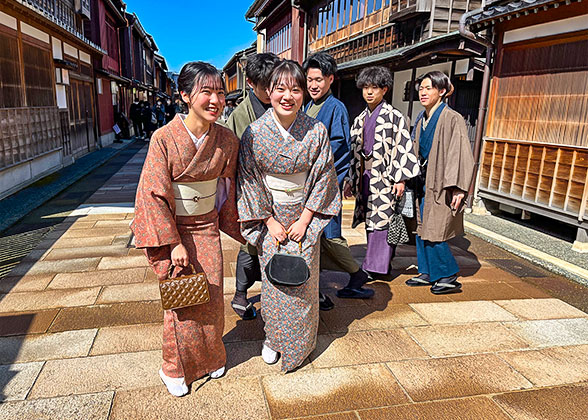
Next, move on to the Higashi Chaya District (Eastern Teahouse District), where Kanazawa’s teahouses have endured wars and earthquakes, preserving their original historic charm. Historically, these teahouses served as entertainment venues for guests and geisha performances, and were once exclusive to high-ranking officials and merchants from the 17th to the 19th centuries. Equipped with wooden latticed windows called “mushiko,” they provide strong privacy while allowing those inside to see out clearly.
Finally, follow your guide to explore the well-preserved Nagamachi Samurai District, famous for its cobblestone streets, tall earthen walls, and scenic waterways. Kanazawa flourished from the 17th to 19th centuries and was once Japan’s largest castle town, with a population similar to Rome’s at the time. At Nomura-ke Samurai Heritage Residence, you can see heirlooms such as a complete set of samurai armor, offering insights into the lives of affluent Kanazawa samurai of that period. After the visit, your guide will escort you back to your hotel.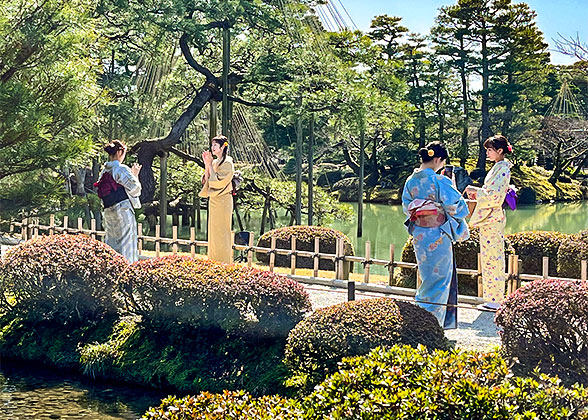
► Inclusions: Hotel breakfast, Osaka-to-Kanazawa bullet train, Kanazawa guide, entrance fees to attractions, other public transport passes, evening return escort, hotel in Kanazawa
Today, you’ll need to travel alone to Shin-Osaka Station to catch a 2.5-hour bullet train to Kanazawa with the provided tickets. Although often called Little Kyoto for its well-preserved historic buildings and rich traditional culture, Kanazawa’s heroic yet delicate qualities are deeply rooted in samurai heritage, in contrast to Kyoto’s regal and aristocratic elegance. Upon arrival, your local guide will escort you from Kanazawa Station to your hotel.
After a short rest, we’ll begin our afternoon tour at Kenrokuen Garden, one of Japan’s renowned top three gardens. As you admire the expansive Kasumi Pond, meandering towering Karasaki pines, and lanterns reminiscent of ancient zither pillars, along with Japan’s oldest fountain powered entirely by natural water pressure, you’ll grasp the essence of Japanese aesthetics: depth expressed subtly. You might also enjoy a drink at the historic tea house, formerly a venue where feudal lords hosted esteemed guests, offering a glimpse into the leisurely pursuits of Japan’s ancient nobility.
Next, move on to the Higashi Chaya District (Eastern Teahouse District), where Kanazawa’s teahouses have endured wars and earthquakes, preserving their original historic charm. Historically, these teahouses served as entertainment venues for guests and geisha performances, and were once exclusive to high-ranking officials and merchants from the 17th to the 19th centuries. Equipped with wooden latticed windows called “mushiko,” they provide strong privacy while allowing those inside to see out clearly.
Finally, follow your guide to explore the well-preserved Nagamachi Samurai District, famous for its cobblestone streets, tall earthen walls, and scenic waterways. Kanazawa flourished from the 17th to 19th centuries and was once Japan’s largest castle town, with a population similar to Rome’s at the time. At Nomura-ke Samurai Heritage Residence, you can see heirlooms such as a complete set of samurai armor, offering insights into the lives of affluent Kanazawa samurai of that period. After the visit, your guide will escort you back to your hotel.
Kenroku-en Garden, Kanazawa
Higashi Chaya District
Day 9 Kanazawa - Shirakawa-go Village - Kanazawa - Tokyo
► Attractions: Shirakawa-go Village, Wada House, Kanda House, Ogimachi Castle Observation Deck
► Inclusions: Hotel breakfast & morning pickup, Kanazawa & Shirakawa-go guide, Kanazawa-Shirakawa-go round-trip bus, entrance fees to attractions, other public transport passes, Kanazawa Station see-off, Kanazawa-to-Tokyo bullet train, hotel in Tokyo
This morning, your guide will meet you at your hotel and accompany you on a 1.5-hour express bus ride to Shirakawa-go Village.
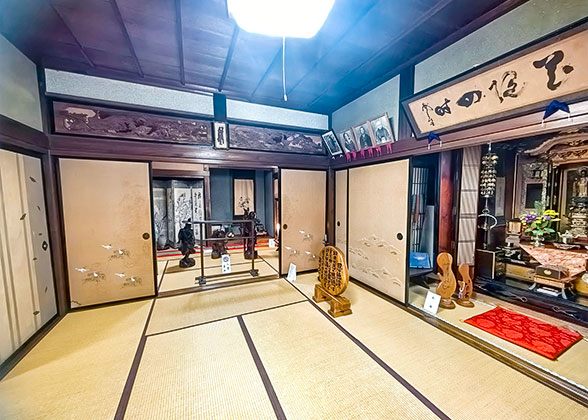
Surrounded by mountains and rice paddies, Shirakawa-go has long been isolated as an “island on the land.” From afar, you see its Gassho-zukuri houses with clasped-hand roofs. Besides enjoying sweeping views from the Ogimachi Castle Observation Deck, let’s explore the Wada House and Kanda House, with thick straw roofs and walls of mud and wood that keep interiors warm in winter and cool in summer. Because these structures require regular roof thatch replacement, Shirakawa-go has developed a mutual aid system in which the whole community collaborates on roofing work, strengthening emotional bonds and helping preserve the Gassho-zukuri-style houses for future generations.
In the afternoon, your guide will escort you back to Kanazawa and see you off at Kanazawa Train Station, where you’ll board the train for a 2.5-hour ride to Tokyo with our booked ticket. Upon arrival, please make your own way to your hotel: walk 9 minutes to the 3-star hotel or 7 minutes to the 4-star hotel.
► Night Views in Tokyo during Your Free Time
Our handpicked hotel sits in a traditional waterfront commercial area, with small canals weaving among the skyscrapers. From your hotel, you can easily reach Nihonbashi via Google Maps and enjoy a romantic stroll along the riverside. For a longer outing, take the Hibiya Line from Kayabacho Station for 15 minutes to Kamiyacho Station, then walk 5 minutes to Shiba Park, which offers a classic Tokyo view featuring the historic Zojoji Temple beside the modern Tokyo Tower.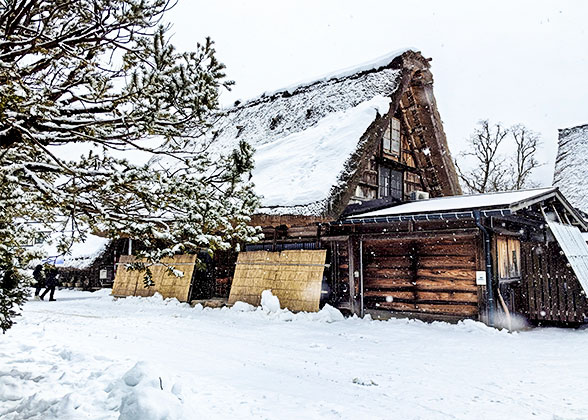
► Inclusions: Hotel breakfast & morning pickup, Kanazawa & Shirakawa-go guide, Kanazawa-Shirakawa-go round-trip bus, entrance fees to attractions, other public transport passes, Kanazawa Station see-off, Kanazawa-to-Tokyo bullet train, hotel in Tokyo
This morning, your guide will meet you at your hotel and accompany you on a 1.5-hour express bus ride to Shirakawa-go Village.
Surrounded by mountains and rice paddies, Shirakawa-go has long been isolated as an “island on the land.” From afar, you see its Gassho-zukuri houses with clasped-hand roofs. Besides enjoying sweeping views from the Ogimachi Castle Observation Deck, let’s explore the Wada House and Kanda House, with thick straw roofs and walls of mud and wood that keep interiors warm in winter and cool in summer. Because these structures require regular roof thatch replacement, Shirakawa-go has developed a mutual aid system in which the whole community collaborates on roofing work, strengthening emotional bonds and helping preserve the Gassho-zukuri-style houses for future generations.
In the afternoon, your guide will escort you back to Kanazawa and see you off at Kanazawa Train Station, where you’ll board the train for a 2.5-hour ride to Tokyo with our booked ticket. Upon arrival, please make your own way to your hotel: walk 9 minutes to the 3-star hotel or 7 minutes to the 4-star hotel.
► Night Views in Tokyo during Your Free Time
Our handpicked hotel sits in a traditional waterfront commercial area, with small canals weaving among the skyscrapers. From your hotel, you can easily reach Nihonbashi via Google Maps and enjoy a romantic stroll along the riverside. For a longer outing, take the Hibiya Line from Kayabacho Station for 15 minutes to Kamiyacho Station, then walk 5 minutes to Shiba Park, which offers a classic Tokyo view featuring the historic Zojoji Temple beside the modern Tokyo Tower.
Shirakawa-go Village
Wada House at Shirakawa-go Village
Day 10 Departure from Tokyo
► Inclusions: Hotel breakfast
Today marks the end of your tour. After breakfast, please check out as per your flight schedule and make your own transfer to the airport. Have a safe trip home!
► Recommended Hotspot Before Leaving Tokyo
If your schedule allows, visit Tokyo Station to admire its 19th-century red-brick architecture. Inside, Tokyo Station Ichibangai features themed alleys, such as Tokyo Character Street, where anime fans can explore popular IPs like Pokémon, Crayon Shin-chan, and My Neighbor Totoro. From there, you can take the Narita Express from the underground JR platform to Narita Airport in about 50 minutes (a taxi costs USD 210-240), or board the Keihin-Tohoku Line to Hamamatsucho Station, then transfer to the Tokyo Monorail for direct access to Haneda Airport (a taxi costs USD 60-70).
Today marks the end of your tour. After breakfast, please check out as per your flight schedule and make your own transfer to the airport. Have a safe trip home!
► Recommended Hotspot Before Leaving Tokyo
If your schedule allows, visit Tokyo Station to admire its 19th-century red-brick architecture. Inside, Tokyo Station Ichibangai features themed alleys, such as Tokyo Character Street, where anime fans can explore popular IPs like Pokémon, Crayon Shin-chan, and My Neighbor Totoro. From there, you can take the Narita Express from the underground JR platform to Narita Airport in about 50 minutes (a taxi costs USD 210-240), or board the Keihin-Tohoku Line to Hamamatsucho Station, then transfer to the Tokyo Monorail for direct access to Haneda Airport (a taxi costs USD 60-70).
Expand All
Collapse All
| Destinations | 3-star Hotels | 4-star Hotels |
|---|---|---|
| Tokyo |
Keio Presso Inn Otemachi 
|
Mitsui Garden Hotel Kyobashi
|
| Kyoto |
Hotel Keihan Kyoto Hachijoguchi
|
Rihga Gran Kyoto
|
| Osaka |
Henn na Hotel Osaka Shinsaibashi
|
DEL style Osaka Shinsaibashi by Daiwa Roynet Hotel
|
| Kanazawa |
Hotel Torifito Kanazawa
|
Daiwa Roynet Hotel Kanazawa Miyabi
|
2026 Prices
2027 Prices
- Prices are per person based on double occupancy.
- If you are a party of 4 people or more, we will offer a more favorable price.
Tour Specials: 10% off - Book before Aug 31, 2026
- Aug
- Sep
- Oct
- Nov
- Dec
- Jan
- Feb
- Mar
- Apr
- May
- Jun
- Jul
- Aug
- Sep
- Oct
- Nov
- Dec
Aug 2026
Arrival
Departure
Price (3-star)
Price (4-star)
Arrival
Aug 19
(Wed)
Departure
Aug 28
(Fri)
Price (3-star)
USD4129 USD3716
Price (4-star)
USD4639 USD4175
Arrival
Aug 26
(Wed)
Departure
Sep 04
(Fri)
Price (3-star)
USD4129 USD3716
Price (4-star)
USD4639 USD4175
Sep 2026
Arrival
Departure
Price (3-star)
Price (4-star)
Arrival
Sep 02
(Wed)
Departure
Sep 11
(Fri)
Price (3-star)
USD4039 USD3635
Price (4-star)
USD4499 USD4049
Arrival
Sep 09
(Wed)
Departure
Sep 18
(Fri)
Price (3-star)
USD4209 USD3788
Price (4-star)
USD4779 USD4301
Arrival
Sep 16
(Wed)
Departure
Sep 25
(Fri)
Price (3-star)
USD4209 USD3788
Price (4-star)
USD4779 USD4301
Arrival
Sep 27
(Sun)
Departure
Oct 06
(Tue)
Price (3-star)
USD4129 USD3716
Price (4-star)
USD4639 USD4175
Oct 2026
Arrival
Departure
Price (3-star)
Price (4-star)
Arrival
Oct 07
(Wed)
Departure
Oct 16
(Fri)
Price (3-star)
USD4039 USD3635
Price (4-star)
USD4499 USD4049
Arrival
Oct 14
(Wed)
Departure
Oct 23
(Fri)
Price (3-star)
USD4039 USD3635
Price (4-star)
USD4499 USD4049
Arrival
Oct 21
(Wed)
Departure
Oct 30
(Fri)
Price (3-star)
USD4039 USD3635
Price (4-star)
USD4499 USD4049
Arrival
Oct 28
(Wed)
Departure
Nov 06
(Fri)
Price (3-star)
USD4039 USD3635
Price (4-star)
USD4499 USD4049
Nov 2026
Arrival
Departure
Price (3-star)
Price (4-star)
Arrival
Nov 04
(Wed)
Departure
Nov 13
(Fri)
Price (3-star)
USD4039 USD3635
Price (4-star)
USD4499 USD4049
Arrival
Nov 11
(Wed)
Departure
Nov 20
(Fri)
Price (3-star)
USD4039 USD3635
Price (4-star)
USD4499 USD4049
Arrival
Nov 18
(Wed)
Departure
Nov 27
(Fri)
Price (3-star)
USD4039 USD3635
Price (4-star)
USD4499 USD4049
Arrival
Nov 25
(Wed)
Departure
Dec 04
(Fri)
Price (3-star)
USD4039 USD3635
Price (4-star)
USD4499 USD4049
Dec 2026
Arrival
Departure
Price (3-star)
Price (4-star)
Arrival
Dec 02
(Wed)
Departure
Dec 11
(Fri)
Price (3-star)
USD4039 USD3635
Price (4-star)
USD4499 USD4049
Arrival
Dec 09
(Wed)
Departure
Dec 18
(Fri)
Price (3-star)
USD4039 USD3635
Price (4-star)
USD4499 USD4049
Arrival
Dec 16
(Wed)
Departure
Dec 25
(Fri)
Price (3-star)
USD4209 USD3788
Price (4-star)
USD4779 USD4301
Arrival
Dec 23
(Wed)
Departure
Jan 01
(Fri)
Price (3-star)
USD4299 USD3869
Price (4-star)
USD4909 USD4418
Arrival
Dec 30
(Wed)
Departure
Jan 08
(Fri)
Price (3-star)
USD4299 USD3869
Price (4-star)
USD4909 USD4418
Jan 2027
Arrival
Departure
Price (3-star)
Price (4-star)
Arrival
Jan 05
(Tue)
Departure
Jan 14
(Thu)
Price (3-star)
USD4039 USD3635
Price (4-star)
USD4499 USD4049
Arrival
Jan 12
(Tue)
Departure
Jan 21
(Thu)
Price (3-star)
USD4039 USD3635
Price (4-star)
USD4499 USD4049
Arrival
Jan 19
(Tue)
Departure
Jan 28
(Thu)
Price (3-star)
USD4039 USD3635
Price (4-star)
USD4499 USD4049
Arrival
Jan 31
(Sun)
Departure
Feb 09
(Tue)
Price (3-star)
USD4039 USD3635
Price (4-star)
USD4499 USD4049
Feb 2027
Arrival
Departure
Price (3-star)
Price (4-star)
Arrival
Feb 09
(Tue)
Departure
Feb 18
(Thu)
Price (3-star)
USD4039 USD3635
Price (4-star)
USD4499 USD4049
Arrival
Feb 16
(Tue)
Departure
Feb 25
(Thu)
Price (3-star)
USD4039 USD3635
Price (4-star)
USD4499 USD4049
Arrival
Feb 23
(Tue)
Departure
Mar 04
(Thu)
Price (3-star)
USD4039 USD3635
Price (4-star)
USD4499 USD4049
Mar 2027
Arrival
Departure
Price (3-star)
Price (4-star)
Arrival
Mar 02
(Tue)
Departure
Mar 11
(Thu)
Price (3-star)
USD4159 USD3743
Price (4-star)
USD4619 USD4157
Arrival
Mar 09
(Tue)
Departure
Mar 18
(Thu)
Price (3-star)
USD4249 USD3824
Price (4-star)
USD4759 USD4283
Arrival
Mar 16
(Tue)
Departure
Mar 25
(Thu)
Price (3-star)
USD4249 USD3824
Price (4-star)
USD4759 USD4283
Arrival
Mar 23
(Tue)
Departure
Apr 01
(Thu)
Price (3-star)
USD4249 USD3824
Price (4-star)
USD4759 USD4283
Arrival
Mar 30
(Tue)
Departure
Apr 08
(Thu)
Price (3-star)
USD4249 USD3824
Price (4-star)
USD4759 USD4283
Apr 2027
Arrival
Departure
Price (3-star)
Price (4-star)
Arrival
Apr 06
(Tue)
Departure
Apr 15
(Thu)
Price (3-star)
USD4159 USD3743
Price (4-star)
USD4619 USD4157
Arrival
Apr 13
(Tue)
Departure
Apr 22
(Thu)
Price (3-star)
USD4329 USD3896
Price (4-star)
USD4899 USD4409
Arrival
Apr 20
(Tue)
Departure
Apr 29
(Thu)
Price (3-star)
USD4329 USD3896
Price (4-star)
USD4899 USD4409
Arrival
Apr 27
(Tue)
Departure
May 06
(Thu)
Price (3-star)
USD4329 USD3896
Price (4-star)
USD4899 USD4409
May 2027
Arrival
Departure
Price (3-star)
Price (4-star)
Arrival
May 04
(Tue)
Departure
May 13
(Thu)
Price (3-star)
USD4039 USD3635
Price (4-star)
USD4499 USD4049
Arrival
May 11
(Tue)
Departure
May 20
(Thu)
Price (3-star)
USD4039 USD3635
Price (4-star)
USD4499 USD4049
Arrival
May 18
(Tue)
Departure
May 27
(Thu)
Price (3-star)
USD4039 USD3635
Price (4-star)
USD4499 USD4049
Arrival
May 25
(Tue)
Departure
Jun 03
(Thu)
Price (3-star)
USD4039 USD3635
Price (4-star)
USD4499 USD4049
Jun 2027
Arrival
Departure
Price (3-star)
Price (4-star)
Arrival
Jun 01
(Tue)
Departure
Jun 10
(Thu)
Price (3-star)
USD4039 USD3635
Price (4-star)
USD4499 USD4049
Arrival
Jun 08
(Tue)
Departure
Jun 17
(Thu)
Price (3-star)
USD4039 USD3635
Price (4-star)
USD4499 USD4049
Arrival
Jun 15
(Tue)
Departure
Jun 24
(Thu)
Price (3-star)
USD4039 USD3635
Price (4-star)
USD4499 USD4049
Arrival
Jun 22
(Tue)
Departure
Jul 01
(Thu)
Price (3-star)
USD4039 USD3635
Price (4-star)
USD4499 USD4049
Arrival
Jun 29
(Tue)
Departure
Jul 08
(Thu)
Price (3-star)
USD4039 USD3635
Price (4-star)
USD4499 USD4049
Jul 2027
Arrival
Departure
Price (3-star)
Price (4-star)
Arrival
Jul 06
(Tue)
Departure
Jul 15
(Thu)
Price (3-star)
USD4039 USD3635
Price (4-star)
USD4499 USD4049
Arrival
Jul 13
(Tue)
Departure
Jul 22
(Thu)
Price (3-star)
USD4129 USD3716
Price (4-star)
USD4639 USD4175
Arrival
Jul 20
(Tue)
Departure
Jul 29
(Thu)
Price (3-star)
USD4129 USD3716
Price (4-star)
USD4639 USD4175
Arrival
Jul 27
(Tue)
Departure
Aug 05
(Thu)
Price (3-star)
USD4129 USD3716
Price (4-star)
USD4639 USD4175
Aug 2027
Arrival
Departure
Price (3-star)
Price (4-star)
Arrival
Aug 03
(Tue)
Departure
Aug 12
(Thu)
Price (3-star)
USD4129 USD3716
Price (4-star)
USD4639 USD4175
Arrival
Aug 10
(Tue)
Departure
Aug 19
(Thu)
Price (3-star)
USD4209 USD3788
Price (4-star)
USD4779 USD4301
Arrival
Aug 17
(Tue)
Departure
Aug 26
(Thu)
Price (3-star)
USD4129 USD3716
Price (4-star)
USD4639 USD4175
Arrival
Aug 24
(Tue)
Departure
Sep 02
(Thu)
Price (3-star)
USD4129 USD3716
Price (4-star)
USD4639 USD4175
Arrival
Aug 31
(Tue)
Departure
Sep 09
(Thu)
Price (3-star)
USD4039 USD3635
Price (4-star)
USD4499 USD4049
Sep 2027
Arrival
Departure
Price (3-star)
Price (4-star)
Arrival
Sep 07
(Tue)
Departure
Sep 16
(Thu)
Price (3-star)
USD4209 USD3788
Price (4-star)
USD4639 USD4175
Arrival
Sep 14
(Tue)
Departure
Sep 23
(Thu)
Price (3-star)
USD4209 USD3788
Price (4-star)
USD4779 USD4301
Arrival
Sep 21
(Tue)
Departure
Sep 30
(Thu)
Price (3-star)
USD4209 USD3788
Price (4-star)
USD4779 USD4301
Arrival
Sep 28
(Tue)
Departure
Oct 07
(Thu)
Price (3-star)
USD4039 USD3635
Price (4-star)
USD4499 USD4049
Oct 2027
Arrival
Departure
Price (3-star)
Price (4-star)
Arrival
Oct 05
(Tue)
Departure
Oct 14
(Thu)
Price (3-star)
USD4039 USD3635
Price (4-star)
USD4499 USD4049
Arrival
Oct 12
(Tue)
Departure
Oct 21
(Thu)
Price (3-star)
USD4039 USD3635
Price (4-star)
USD4499 USD4049
Arrival
Oct 19
(Tue)
Departure
Oct 28
(Thu)
Price (3-star)
USD4039 USD3635
Price (4-star)
USD4499 USD4049
Arrival
Oct 26
(Tue)
Departure
Nov 04
(Thu)
Price (3-star)
USD4039 USD3635
Price (4-star)
USD4499 USD4049
Nov 2027
Arrival
Departure
Price (3-star)
Price (4-star)
Arrival
Nov 02
(Tue)
Departure
Nov 11
(Thu)
Price (3-star)
USD4039 USD3635
Price (4-star)
USD4499 USD4049
Arrival
Nov 09
(Tue)
Departure
Nov 18
(Thu)
Price (3-star)
USD4039 USD3635
Price (4-star)
USD4499 USD4049
Arrival
Nov 16
(Tue)
Departure
Nov 25
(Thu)
Price (3-star)
USD4039 USD3635
Price (4-star)
USD4499 USD4049
Arrival
Nov 23
(Tue)
Departure
Dec 02
(Thu)
Price (3-star)
USD4039 USD3635
Price (4-star)
USD4499 USD4049
Arrival
Nov 30
(Tue)
Departure
Dec 09
(Thu)
Price (3-star)
USD4039 USD3635
Price (4-star)
USD4499 USD4049
Dec 2027
Arrival
Departure
Price (3-star)
Price (4-star)
Arrival
Dec 07
(Tue)
Departure
Dec 16
(Thu)
Price (3-star)
USD4039 USD3635
Price (4-star)
USD4499 USD4049
Arrival
Dec 14
(Tue)
Departure
Dec 23
(Thu)
Price (3-star)
USD4209 USD3788
Price (4-star)
USD4779 USD4301
Arrival
Dec 21
(Tue)
Departure
Dec 30
(Thu)
Price (3-star)
USD4299 USD3869
Price (4-star)
USD4909 USD4418
Arrival
Dec 28
(Tue)
Departure
Jan 06
(Thu)
Price (3-star)
USD4299 USD3869
Price (4-star)
USD4909 USD4418
View More Dates
Price Includes
- Service of English-speaking guide
- Shared airport pick-up on arrival
- Public transportation fare by bus, metro and train
- Accommodation with daily breakfast at selected hotels
- Entrance fees for the sights visited
Price Excludes
- International flights
- Japan visa fee if necessary
Itineraries you may also like: