Jul.-Aug. Extended Opening From July 4th to August 31st, 2026, the Summer Palace will open its iconic Tower of Buddhist Incense and Hall of Dispelling Clouds every day, which are usually closed on Mondays.
The Summer Palace stands as the largest and most intact royal garden in China, attracting millions of people worldwide for its intricate imperial architecture dating back to 18th century and stunning landscape of lakes and mountains.
Why visit the Summer Palace?
Architecture & Nature Harmony
The artificial structures of the Summer Palace blend perfectly into the natural hillsides and lakes. The splendid palaces spread naturally along the ridge, as if emerging from the mountain itself. The open lake surface reflects the pavilions and distant peaks, immersing visitors into a lively landscape painting.
Blend of Styles from Across China
The Summer Palace masterfully combines architectural styles from diverse regions of China. Within this garden, you will gain the grandeur of Beijing's imperial court adorned with golden glazed tiles and crimson walls, the tranquil and gentle charm of water towns south of China, and the white stone mandala buildings of Tibetan Buddhism.
China's Only Intactly Preserved Large-Scale Royal Garden
In China, the Summer Palace is the only large-scale royal garden preserved nearly intact. Despite numerous wars and conflicts, it has retained about 3,000 ancient buildings and 40,000 imperial relics, enabling visitors to step back in time to witness the Qing Dynasty royal family's daily life, governance, ceremonies, and leisure.
Recognition as a World Heritage Site and More
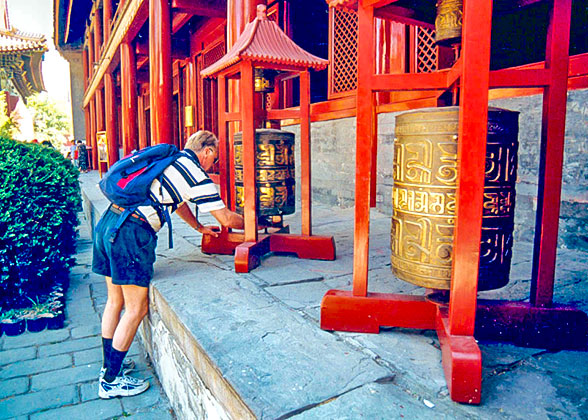
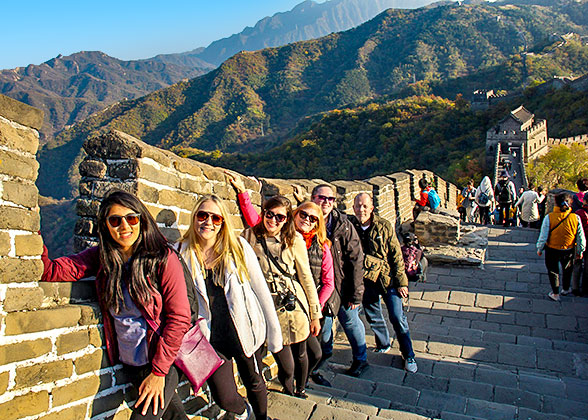
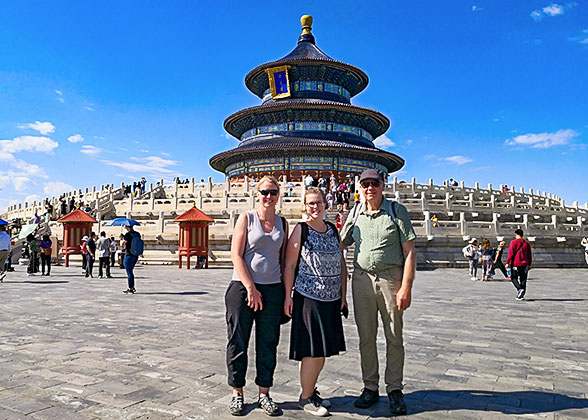
Summer Palace attracts numerous visitors around the world.
As a peak representative of Chinese classical gardens, the Summer Palace has earned many prestigious titles. It's listed on the World Heritage List for its stunning landscape gardening art and representation of eastern gardening ideology.
Plus, it's a National 5A-Grade Tourist Attraction, China's top tourism standard. Together with the Chengde Mountain Resort, the Humble Administrator's Garden, and the Lingering Garden in Suzhou, it is renowned as one of the "Four Great Famous Gardens of China".
What to See: Four Major Areas in Summer Palace
Spanning approximately 290 hectares, the Summer Palace is mainly composed of Longevity Hill (Wanshoushan) and Kunming Lake (Kunminghu). According to location and terrain, it can be divided into four areas: the front of Longevity Hill, the rear including its backside and Back Lake, the court area around the East Palace Gate, and the waterscape of Kunming Lake, each with distinct scenery.
Front Longevity Hill Area: Magnificent Buddhist Architecture Complex
Buddhist Complex of the Front Longevity Hill
Tower of Buddhist Incense
The Front Longevity Hill is the Summer Palace’s most splendid section, mainly for Buddhist rituals and royal ceremonies, starting from the north tip of Kunming Lake to Longevity Hill's peak.
Stroll down the exquisitely painted Long Corridor along the shore, and step up to the Hall of Dispelling Clouds, the central and grandest structure displaying an immense gilded statue of bodhisattva. Further up, the Tower of Buddhist Incense stands tall, and grants you a breathtaking panorama of the royal garden.
Rear Longevity Hill Area: Regional Buildings & Intermountain Views
Tibetan Pagoda in the Rear Longevity Hill
Nestled behind Longevity Hill, this area, composed of regional structures and mountainous scape, offers a serene recreational space from the grandeur upfront.
The Four Great Regions’ red and white palaces and pagodas, cascading down the hillside, model after Tibetan temples, while the Suzhou Market Street, consisting white-walled, grey-tiled houses, suddenly bring you to the waterside town in south China Yangtze River. And then there's the peaceful Back Lake, winding through lush forests where only the songs of birds and the murmur of water fill the air.
Occupying 3/4 of the garden, the area opens up the vista of Kunming Lake. Enjoy a boundless lake view along the East or West Causeway, with cultural heritage like the Bronze Ox and Marble Boat as highlighted sites.
Dotting Kunming Lake are South Island Lake, Hall of Recognition of Talent Island, and Site of the Mirror of Government Tower Island, symbolizing three Chinese mythical fairy islands, while the Seventeen-Arched Bridge spans the water like a white jade belt, connecting the South Lake Island to the mainland.
The Court Area in the northeast of the Summer Palace is mainly for governance and daily life. The Hall of Benevolence and Longevity, the core structure, towering on a marble pedestal served as the hub where the emperor met officials. North of it, the Garden of Virtue and Harmony, once a royal theater, now displays operatic artifacts to glimpse into the royals' entertainment. In the west, you will find Empress Dowager Cixi's (1835~1908) bedroom Hall of Joyful Longevity furnished luxurious furniture
In 1750, Emperor Qianlong ordered to dredge silt from waters in Beijing’s western suburbs, link the major lakes, and build structures on the causeways and surrounding hills, therefore the Summer Palace formed, originally called Garden of Clear Ripples (Qingyiyuan). Upon completion in 1764, the Summer Palace served as a summer retreat, a venue for ceremonies, and a site for naval drills.
In 1860, the Summer Palace was burned down by the Anglo-French Allied Force.
From 1885 to 1894, most of the garden had undergone reconstruction and it was renamed as the Summer Palace (Yiheyuan). It was recorded that Empress Dowager Cixi embezzled navy funds to reconstruct it as a resort where to spend the rest of her life.
In 1900, the Summer Palace was occupied by the Eight-Power Allied Forces for a year, resulting in vandalized decorations and looted interior furnishings. Restoration commenced in 1902, and since 1914, it has been open to the public.
Over the past decade, the Summer Palace has become Beijing’s most popular garden, attracting an average of over 15 million visitors annually, with holiday peak daily visitor counts surpassing 100,000.
Tour Planning
Which Gate to Enter
East Palace Gate
North Palace Gate
Of the six entrances, the East Palace Gate and North Palace Gate are the top choices. They are both near popular attractions and docks inside Summer Palace, and accessible with subway and multiple bus lines.
Recommended Route
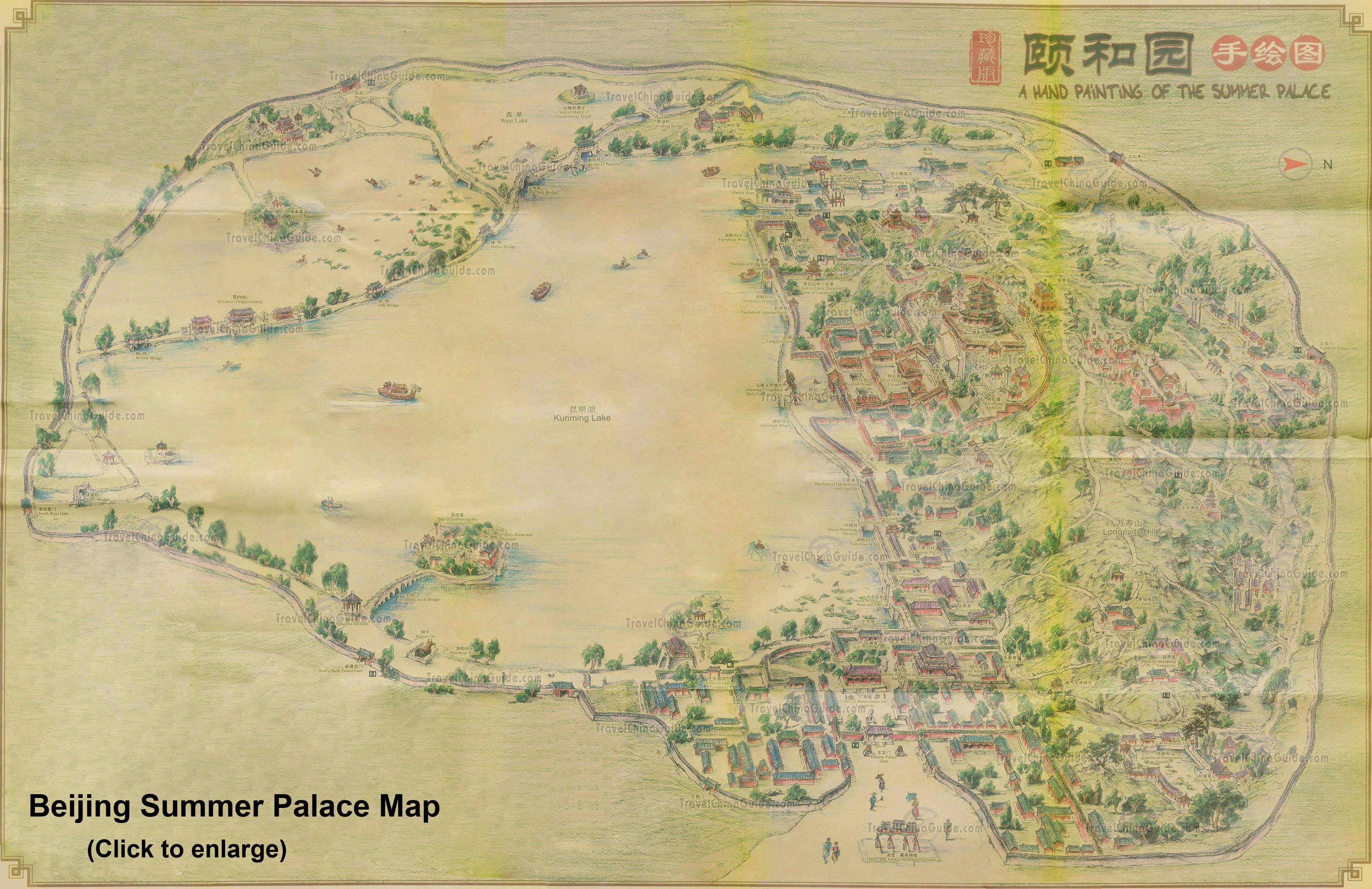
Summer Palace Map (Click to Enlarge)
For first-timers, the East Palace Gate Route is recommended for it includes most of the main attractions in the Summer Palace. Upon entering through the East Palace Gate, visitors will pass through the Court Area, turn west to the Front and Rear Longevity Hill Areas, and finally exit from the North Palace Gate.
Or, you can reverse the above route by entering from the North Palace Gate. The difference is that you will start from some hilly paths, which require enough energy to climb.
A classic route like the East Palace Gate Route generally takes 2 to 3 hours. If time permits, you can spend 5 to 6 hours for an in-depth tour by boating on the Kunming Lake and exploring other spots like the West Causeway and South Lake Island.
Best Visit Time
Visitors in the Summer Palace
Selfie in the Summer Palace
The best time to visit the Summer Palace is from April to May in spring and from September to October in autumn, with the highest temperature below 30°C (86℉) and plenty of sunny days, making outdoor exploration a breeze.
- Subway: Exit C2 at Xiyuan Station on Line 4, then follow signs for a 10-minute walk.
- Bus: Take bus No. 303, 332, 346, or 584, get off at Summer Palace Station (Yi He Yuan, 颐和园), and walk for 3 minutes.
Getting to the North Palace Gate (Beigongmen)
- Subway: Exit D at Beigongmen Station on Line 4, then walk west for 5 minutes.
- Bus: Take bus No. 303, 332, 346, 384, 394, 563, 584, 601, or Sightseeing Bus 3, get off at Summer Palace North Palace Gate Station (Yi He Yuan Bei Gong Men, 颐和园北宫门), and walk for 5 minutes.
Summer Palace Tickets Price
Ticket Type
Price (CNY)
April to October
November to March
Combo Ticket
60
50
Entrance Fee
30
20
Garden of Virtue & Harmony
5
Tower of Buddhist Incense
10
Summer Palace Museum
20
Suzhou Market Street
10
Note: Free admission for children under 6 and seniors over 60. Half-price tickets for those aged 6 to 18.
1.The main areas of the Summer Palace, Kunming Lake and Longevity Hill, stay open all year round, holidays included.
2.Virtue and Harmony Garden, Tower of Buddhist Incense, and the Suzhou Market Street are open from 08:00 to 18:00 (Apr.-Oct.) and 08:30 to 17:00 (Nov.-Mar.). They only close on Mondays except public holiday.


 Jul.-Aug. Extended Opening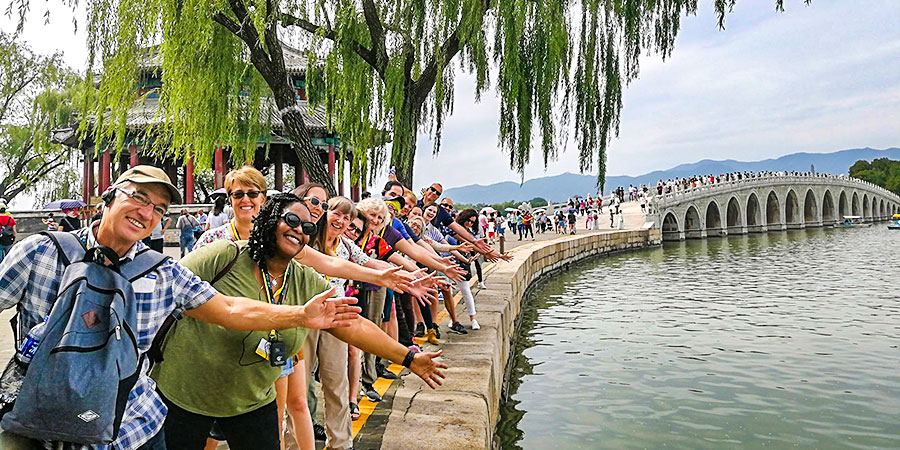


 Key Attractions: