Zhejiang Travel Guide
Zhejiang Facts
Abbreviation: Zhe
Administration Type: Province
Capital: Hangzhou
Location: 27°12' to 31°31' N, 118 to 123° E
Climate: subtropical monsoon climate
Temperature: 15~18°C (annual average), 33~43°C (extreme maximum), -2.2~ -17.4°C (extreme minimum)
Annual Rainfall: 980~2,000 millimeters
Area: 101,800 km² (39,305mi²)
Population (2019): 58,500,000
Provincial Tree: camphor tree
Provincial Flower: orchid
 Weather Area Code & Zip Code
 Zhejiang Pictures
Cities in Zhejiang
Recommended Zhejiang Itineraries
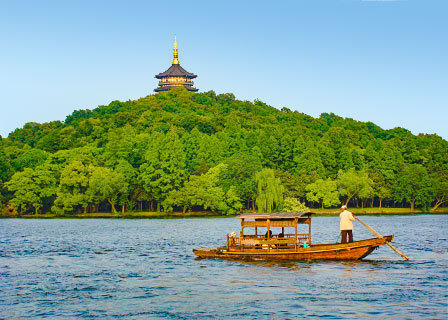
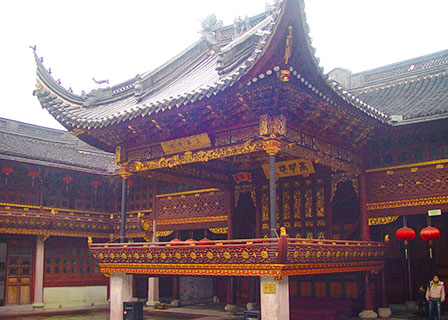
- Private Hangzhou Tours: to West Lake, Six Harmonies Pagoda, Lingyin Temple and more
- Best Suzhou Tours: to visit classical gardens in Suzhou, Tongli and Wuzhen Water Towns...
Famous Attractions
 West
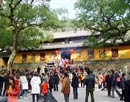
West Lingyin
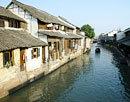 Wuzhen
 Mount
Mount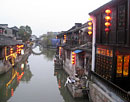 Xitang
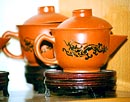 National Tea
 Chinese
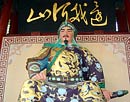 Tomb of
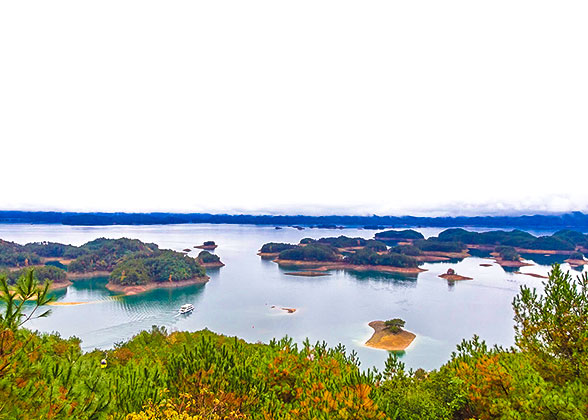 Thousand Islets
 Nanxun
Zhejiang Introduction
Zhejiang, literally meaning a winding river, is the former name of the Qiantang River in ancient times. The Qiantang River is the longest river in the Province and the spectacular Qiantang River Tide is often used as a metaphor for the fighting spirit of people living there. The province is one of China’s smallest and most densely populated provinces with a total area of 101,800 square kilometers (39,305 square miles) and a population of 54,426,900, for the reasons of excellent geographical location as well as a developed and active economy.
History
The history of the province goes back to ancient times. Neolithic Hemudu Cultural Ruins dating back as early 7000 years ago is regarded as one of the cradles of Chinese civilization. During the Spring and the Autumn Period (770 BC - 476 BC), the area was separately dominated by the Wu Kingdom and Yue Kingdom. From that time on, the Wu and Yue cultures have developed, flourished and influenced this region. The present jurisdiction of this province was formed about the early part of the Ming Dynasty (1368-1644).
Geography & Climate
Situated on China’s eastern coastal area and to the south of the Yangtze Delta, Zhejiang is the province with the most islands in China, with more than 3,000 islands along its coast. What’s more, it borders the modernized international metropolis, Shanghai, to the northeast, which can be easily reached either by bus or train. The region enjoys distinct seasons due to its subtropical geographic location. Every year, there is a rainy period from May to June. Sometimes from August to October typhoons attack this region. The average annual rainfall is 1,600 millimeters. Spring and autumn are the most pleasant months for travelers to visit. Attractions
In terms of tourism, it has boasted many attraction sites since ancient times. Its capital, Hangzhou, as a key national tourist city, is picturesque all year round. One of China’s most beautiful sites, West Lake, is located right in the heart of the city. There is a saying that illustrates the charm of the city: 'In heaven there is paradise, and on earth there are Hangzhou and Suzhou.' Some other must-see natural beauties include the No.1 Mountain in southeastern China, Mt. Yandang, the most elegant Thousand Islets Lake, and the famous Buddhist mountain, Tiantai Mountain, as well as others. Furthermore, the sacred Chinese calligraphy place, Orchid Pavilion, the oldest private library in Asia, Tianyi Pavilion, the greatest water conservancy project in ancient China, Grand Canal, and ancient water towns like Xitang, Nanxun, Wuzhen and Xinshi, are all attraction sites that delight tourists who visit this region. The province also enjoys a tremendous reputation in the long history of Chinese Buddhism. Temple of Soul's Retreat is one of the ten most famous ancient Buddhist temples in China. Mt. Putuo is admired as the 'Buddhist Kingdom on the Sea'. In addition to those beautiful sites, there are many local specialties rewarding visitors both from home and abroad. The most famous ones are tea, silk, embroidery and the local Cuisine. Economy
Zhejiang is a relatively developed province. Known as ‘a land of fish and rice’, it is a comprehensive productive region of agricultural products. Rice, tea, silk, oranges, bamboo products and sea products feature largely in China. It is also China’s most important fishing province. Zhoushan Fishing Ground is China’s largest ocean fishery base. The industry of the province is mostly light industry, processing and manufacturing industries and collective industry. One of its administrative cities, Yiwu, is world’s largest small commodity distributing center. The city is generally acknowledged as the largest market by international organizations like the United Nations and the World Bank. ‘A sea of small commodities, a paradise for shoppers’ has been motto of Yiwu. The most famous products here are clothes, ornaments, zippers, knit goods, woolen textiles among many others. Passport holders of 55 countries and regions can enjoy a visa-free stay of 240 hours if they make an international transfer in Hangzhou Xiaoshan Airport. During the layover, they can visit Zhejiang, Jiangsu and Shanghai.
Read details about 240-Hour Visa-Free Transit in Shanghai, Jiangsu, and Zhejiang.