How many days is ideal for a Maldives tour?
Generally, 5 to 7 days is best for honeymooners and those who are expecting a leisurely holiday. You can enjoy your time on an island, and set aside a day or two for water activities like snorkeling or dolphin cruise. If you have 8 to 10 days, you can head to other local islands or resort islands to explore more dive sites and feel different island vibes. If your time is limited, spending 3 to 4 days on one island is perfect for a short escape.
Where to stay in Maldives for first timers?
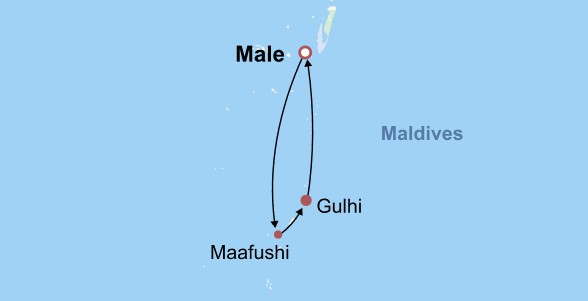
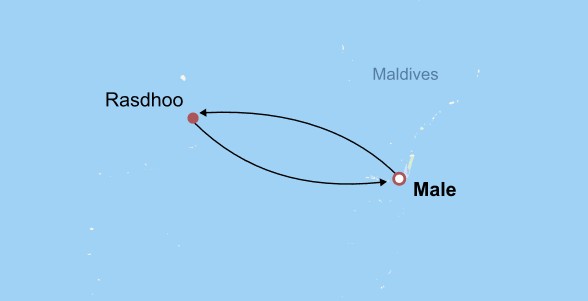
For first timers, we suggest you choose local islands near the capital city of Male, such as Maafushi, Dhiffushi, or Rasdhoo. It can not only save your time and transportation expense, but also offer you the opportunity to taste traditional Maldivian cuisine and interact with the locals while enjoying the enchanting sea scenery.
When is the best time to visit the Maldives?
The dry season from November to April is the best time and also the peak time. During this period, the sea is calm and the weather is clear, perfect for an island vacation. For a budget travel, the off season from June to August is the cheapest period. Although the weather becomes unpredictable, you can enjoy larger discounts and quieter beaches. And because of the plankton bloom, abundant manta rays and whale sharks can be seen in the sea in these months.
Do I need a visa to visit the Maldives?
No matter which country you are from, you can enjoy a free visa on arrival to visit the Maldives. A tourist visa is valid for 30 days.
Are there any special reminders for the Maldives?
As the Maldives is an Islamic country, alcohol and pork products are strictly prohibited, and remember to use your right hand to give and receive things. The dress codes depend on whether you are going to a local island or a resort island. Generally, there are no special rules on the resort islands, but on local islands, please dress conservatively. Cover your shoulders and knees other than on the bikini beaches.
What to pack for the Maldives?
1. Sun Protection: Tourists may underestimate the intense sunlight in the Maldives. Please be sure to choose reef-safe high SPF sunscreen and wide-brimmed sun hats.
2. Dry Bags: Keep your belongings dry, especially the electronic products, while you enjoy water activities.
3. Snorkeling Gear: Bring your own mask, snorkel and water shoes for a comfortable and hygienic experience.
4. Water Bottle: Use your own water bottle to stay hydrated and help reduce plastic pollution.
5. Light, Breathable Clothes: Linen, cotton and silk clothes can make you comfortable in the hot and humid weather
Do I need to tip in the Maldives?
No, but it’s appreciated. A 10% service charge is generally included in your hotel and restaurant bills. You can give your hotel staff extra tips for excellent services. For your dive staff and guide, you can tip USD 5-10 per day.
Which is nicer, Seychelles or Maldives?
Both of them are dreamy island vacation destinations in the Indian Ocean, but they offer quite different experiences.
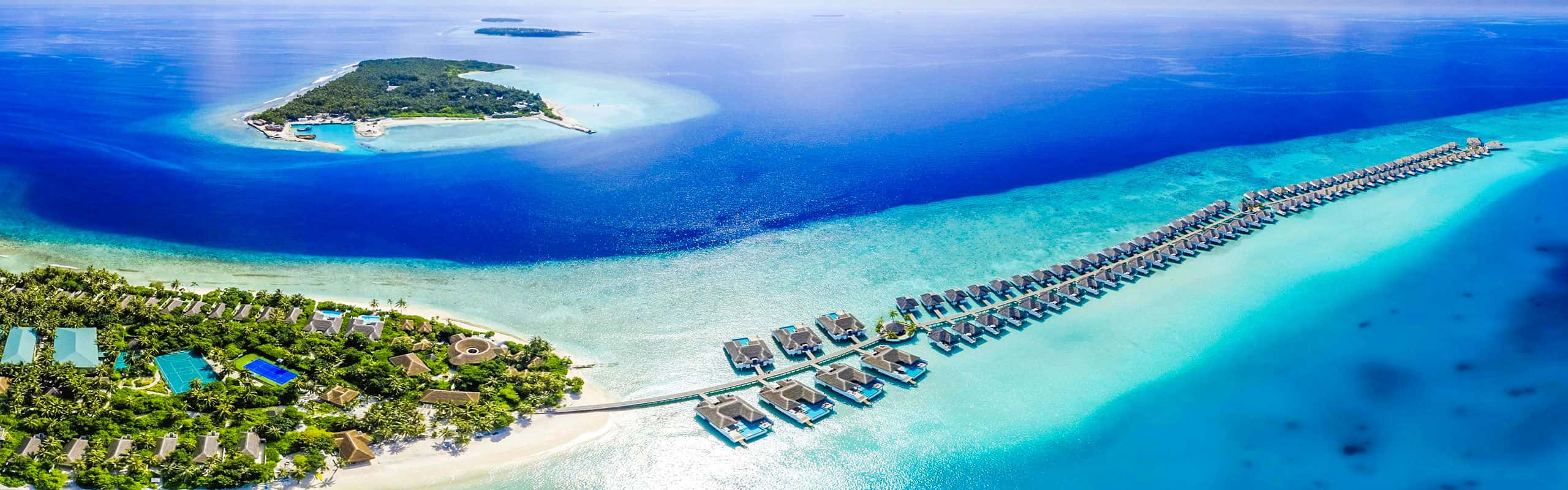
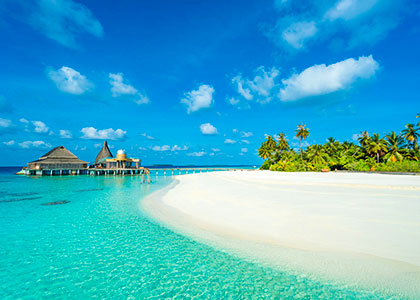
If you long for a private getaway, enjoying secluded beaches and encountering various marine life in the world-class unspoiled waters, the Maldives, with over 1,000 islands, will be your ideal choice.
If you want to enjoy the beach while experiencing diverse land-based activities, such as visiting nature reserves and admiring splendid sceneries with granite boulders, Seychelles will be better.