Tibet Travel Guide
Tibet Facts


Major Cities
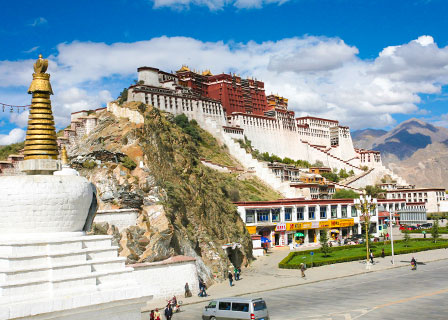
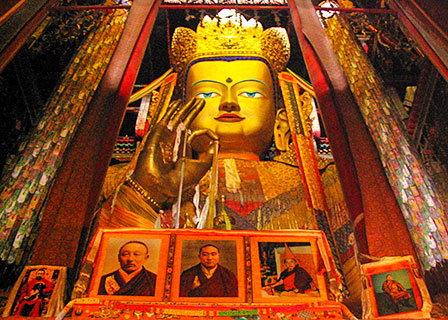
 Potala Palace
 Tibet Museum
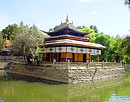 Norbulingka
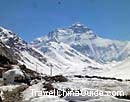 Mount Everest
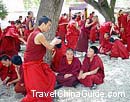 Sera Monastery
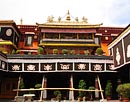 Jokhang
Temple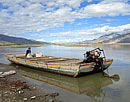 Yarlung
Tsangpo River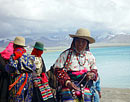 Heavenly Lake
Namtso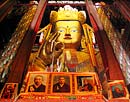 Tashilhunpo
Monastery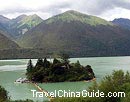 Pagsum
Lake
See more about Top 10 Things to Do in Tibet, 15 Best Places to Visit in Tibet for First-time Visitors
Brief Introduction
Tibet enchants tourists from China and abroad with its landscape, religious traditions, culture, and its unsolved mysteries. At any mention of this land, the images of snowy mountains, mirror-like lakes, Potala Palace and Buddhist disciples immediately come to mind.
Tibet Autonomous Region (TAR) occupies one eighth of the China’s territory. Due to its high altitude, it is often called the 'Roof of the World' and the 'Third Pole of the Earth'. It boasts the world's highest peak, the splendid Mount Everest, and the Tibetan Plateau, where the Yangtze River and Yellow River both begin.
See more: Mount Everest HikingHistory and Religion
Language and Culture
See more about People & Life, Festivals.
Travel Restrictions
A travel permit is required for every foreign visitor. The only way to obtain a permit is to book a tour package with an authorized travel agency in China, which can help apply for the Travel Permit through the local tourism bureau. No agency can provide "permit-only" service, and overseas tourists must book their tours with a private vehicle, driver and tour guide. Citizens of all nationalities can apply for the permit.
Transportation
 How to Travel from Nepal to Tibet
1. High Altitude: The Tibetan Plateau’s elevation can reach about 2 miles (3,000 meters) above sea level. As a result, people will be exposed to stronger ultraviolet radiation, increasing the risk of sunburn. The high elevation also means that the air is thinner, which can result in altitude sickness in those who are not acclimatized to less oxygen. Travelers are strongly advised to bring sunscreen and medication for altitude sickness.
2. Extreme Weather: The extreme climate makes Tibet one of the world’s harshest places to live. Although its summers are cool, winters are viciously cold, and the differences between daytime and nighttime temperatures can be vast. Visitors are strongly advised to prepare appropriate clothing according to the season they are traveling in. Summer and autumn, from June to October, are considered to be the best times to visit.
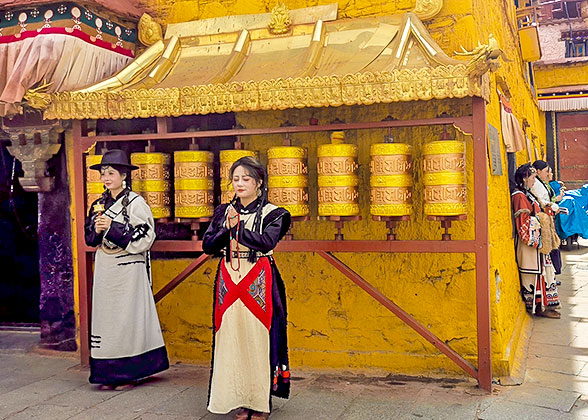
See Also: Tibet Weather & Best Time to Visit Tibet3. Religious Etiquettes and Taboos: Tashi Delek is a common greeting phrase, which means “Good Luck”. And presenting a Hada or Khata, a type of silk scarf to local people is also regarded as a practice to show respect, give blessings, and hospitality. Travelers are also advised to observe local taboos when visiting monasteries. Spitting, talking loudly, as well as touching, walking over, and sitting on sacred objects are considered taboos. According to the Buddhist custom, one must always walk clockwise around shrines, stupas, Mani stones and prayer wheels or risk bad luck.
 Further Reading:
You May Like

- Last updated on Jun. 17, 2026 by Rachel Hou -