Best Time to Visit Xishuangbanna
November to April is the best time to explore Xishuangbanna.
1. The weather during this time is pretty warm, without feeling cold or any uncomfortable mugginess. The daytime highs range from 14 to 25 degrees Celsius (57-77 degrees Fahrenheit), and sometimes the highest temperature can reach over 30 degrees Celsius (86 degrees Fahrenheit). It is a stark contrast to most northern cities, which are experiencing their freezing period of the year. This makes Xishuangbanna a popular destination to escape the cold.
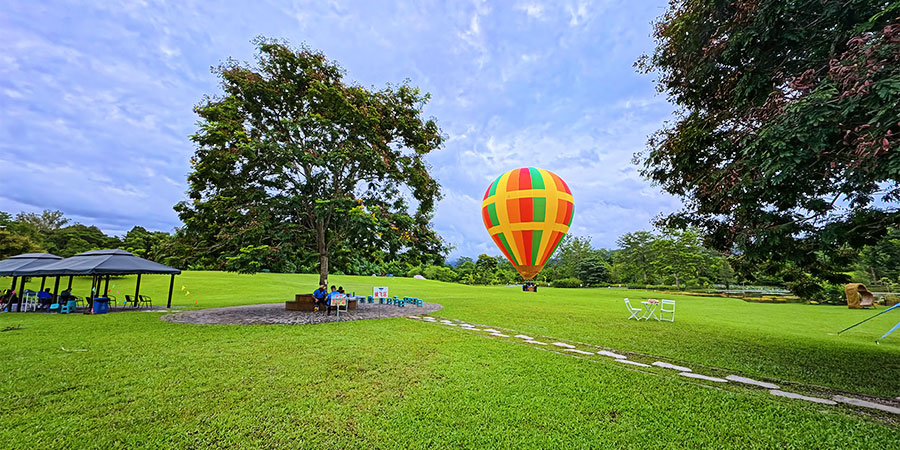 |
| Stunning View at Tropical Botanical Garden |
2. These months are also the dry season in Xishuangbanna, so it rarely rains, and when it does, it's mostly in the form of brief showers that won’t influence your trip a lot.
(1) Thanks to the less rainy weather, there is abundant sunshine, fewer mosquitoes and dry trails in the Tropical Botanical Garden. Additionally, as some types of trees begin to lose their leaves, the view beneath the trees becomes more open and clearer, making it easier to observe the unique wonders of the rainforest, such as strangler figs and aerial gardens. Besides, the Tropical Botanical Garden provides hot air balloon rides, which are better suited to the dry season. On rainy days, they might be canceled.
(2) If you plan to explore the rainforest, the sparse rainfall minimizes risks during hikes: the trails are dry to prevent slipping, puddles aren’t particularly deep, and natural disasters like mudslides and flooding are virtually nonexistent.
(3) Due to the scarcity of rainfall, elephants gather in Wild Elephant Valley, as it offers ample water and food. Furthermore, the sparse vegetation provides excellent conditions for observing the elephants. To increase your chances of spotting wild elephants, we recommend entering the park before 8:00 or after 16:00.
See More in: Xishuangbanna Weather
|
|
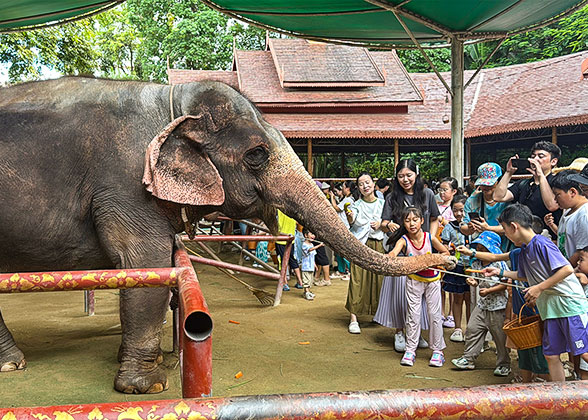
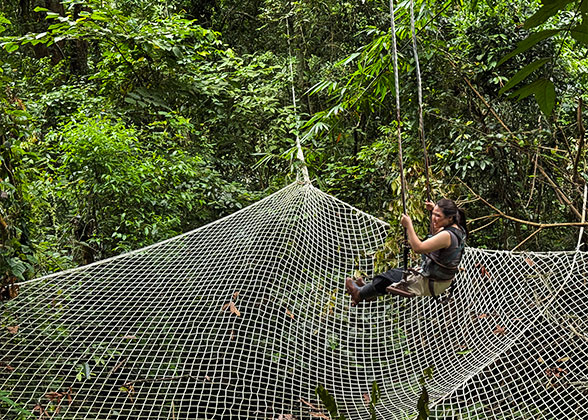
 November, December, and March Are Quiet and Budget-friendly.
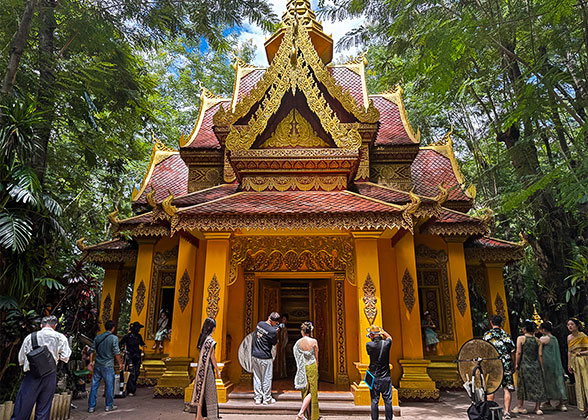 |
| Busy Attractions During Peak Season |
January and February Are Busy and Costly.
April: Highlighted by the Water Splashing Festival
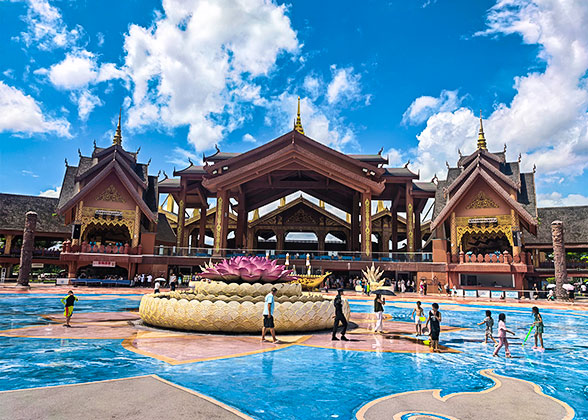 |
| Water Splashing Square |
However, April is also an expensive month for travel. Hotel prices skyrocket in a short period, and attractions - and even the city streets - are packed with people. This can be overwhelming for those who don’t like crowds or are on a tight budget. If you still want to experience the water-splashing festivities, you can visit the Dai Ethnic Park during other months, where water-splashing activities take place daily.
Not Recommended Period: June to August
7-Day Xishuangbanna Weather Forecast
Further Reading
- Last updated on Jun. 25, 2026 by Rachel Hou -