How did Genghis Khan breach China Great Wall?
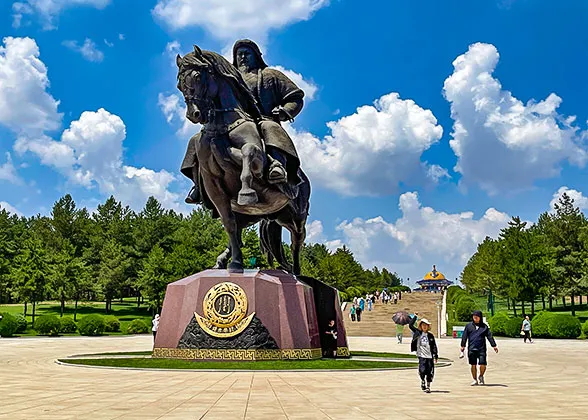
Genghis Khan (1162 - 1227), founder of the Mongol Empire, was the only figure in Chinese history to breach the defensive line of the Great Wall. Born Temujin, he later became known as Genghis Khan, a title bestowed upon the supreme leader of the Mongol people.
During Genghis Khan’s era, the Central Plains were ruled by the Jin Dynasty (1115 - 1234). At the time, the various Mongol tribes remained under Jin domination and regularly paid tribute in treasure and provisions to the Jin court. To prevent the Mongols from growing too powerful, the Jin state periodically sent military forces into the Mongolian grasslands to massacre young men, deliberately weakening the military strength of the tribes. These brutal policies fostered deep resentment among the Mongols and fueled a fierce desire for revenge against the Jin State.
In 1206, Temujin unified the Mongol tribes and established the Mongol Empire. When he learned that the new Jin ruler, Wanyan Yongji, was weak and incompetent, Genghis Khan openly broke off relations with the Jin State and no longer recognized its suzerain status.
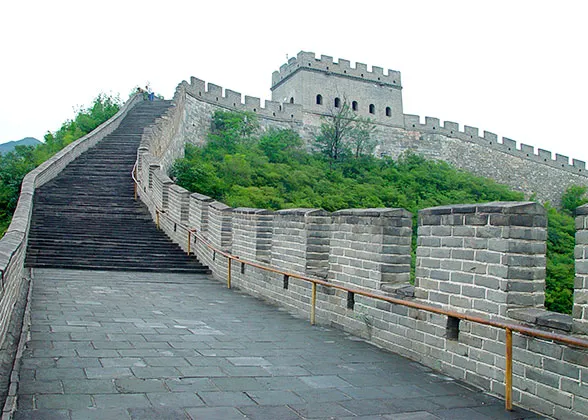
After that, in order to defend against the attacks of the Mongol Empire, the Jin State constructed a nearly 3,000-kilometer (1,900-mile) Great Wall in the northwest. The Jin Great Wall was not only built with high walls but also had moats dug outside the walls, which greatly resisted the attacks of the nomadic people.
Yet as a military genius, Genghis Khan led his armies to breach the Great Wall multiple times during his lifetime. His most famous and decisive breakthroughs came at the Battle of Yehuling and the Battle of Juyongguan - two pivotal campaigns that paved the way for the collapse of the Jin Dynasty and the eventual rise of the Yuan Dynasty (1271 - 1368).
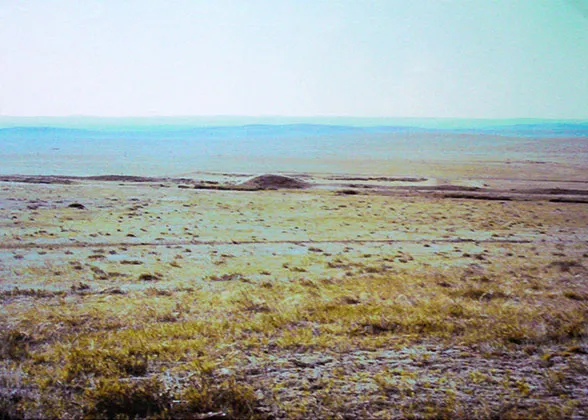
In August 1211, following successive defeats at Wuyue Camp and Wusha Fort, Jin general Wanyan Chengyu resolved to make a determined stand at the strategic Yehuling Fort. The Jin army, totaling 450,000 troops, was stationed at various perilous points of Yehuling. This seemed like a good idea, taking advantage of the terrain. However, it also dispersed the Jin forces, significantly reducing the speed of mutual rescue among the different armies.
The Mongol army numbered only 100,000, a stark numerical disadvantage. How did Genghis Khan turn the tide?
Upon identifying this fatal flaw in the Jin deployment, Genghis Khan ordered his elite forces to concentrate their attack on the Jin central command. His trusted general Muqali led a vanguard assault that swiftly shattered the Jin front lines. With his command structure in disarray, Wanyan Chengyu lost effective control of his army. Most Jin units were scattered across the passes and strongpoints of Yehuling, too far apart to coordinate or mobilize in time. The Jin front collapsed catastrophically. Overwhelmed by the speed and ferocity of the Mongol advance, Wanyan Chengyu fled with whatever troops he could gather. With their commander missing and morale shattered, Jin soldiers scattered in panic, pursued and cut down by Mongol forces across the mountains. Casualties exceeded 200,000.
This battle crippled the military power of the Jin State. Afterwards, the Jin abandoned their northern territories and retreated to their capital, Zhongdu - today’s Beijing.
To capture Zhongdu, Genghis Khan had to seize the critical fortress of Juyongguan. The Jin court attached great importance to this and not only reinforced the walls but also increased the garrison at Juyongguan to 10,000 soldiers.
Genghis Khan entrusted the assault to Jebe, one of his most brilliant generals. After conducting a probing attack, Jebe realized that due to its unique geographical location, the Juyong Pass could not be taken by force. Even if the Mongols attacked for an eternity, they would not be able to shake this ancient pass. Instead, he devised a cunning stratagem.
After several large-scale attacks, Jebe discarded his weapons, horses and other strategic supplies and pretended to flee. When Wanyan Fuxing, a general of the Jin State, saw this, he thought he was better than Jebe and ordered his troops to chase Jebe. To strengthen the deception, Jebe had his troops abandon provisions and even allowed a small number of soldiers to be captured deliberately. Under the torture of Wanyan Fuxing, these deliberately captured Mongolian soldiers had to reveal the “truth” that they were fleeing because of a traitor in the Mongolian camp and that they had to retreat in a hurry for fear of being pursued by the Jin troops. Wanyan Fuxing believed the false information given by the Mongolians and ordered his troops to pursue them without stopping, determined to capture Jebe alive. By this time, Jebe had already set up an ambush on the way, waiting for Wanyan Fuxing to walk into it.
Open warfare favored the Mongol cavalry. Once trapped, roughly half of Wanyan Fuxing’s 10,000 soldiers were killed in the fighting. Mid-battle, Jebe deliberately left an escape route open for surviving Jin troops. Mongol soldiers disguised in Jin uniforms then mixed with the fleeing survivors and infiltrated Juyongguan. With coordinated attacks from inside and outside the walls, Jebe captured the fortress.
General Meng Tian Attacked the Huns in the North
Wei Qing and Huo Qubing Beat Back the Huns
Tumu Crisis
The War of Shanhaiguan Great Wall
Battle of Rehe - Last Battle on the Great Wall
During Genghis Khan’s era, the Central Plains were ruled by the Jin Dynasty (1115 - 1234). At the time, the various Mongol tribes remained under Jin domination and regularly paid tribute in treasure and provisions to the Jin court. To prevent the Mongols from growing too powerful, the Jin state periodically sent military forces into the Mongolian grasslands to massacre young men, deliberately weakening the military strength of the tribes. These brutal policies fostered deep resentment among the Mongols and fueled a fierce desire for revenge against the Jin State.
In 1206, Temujin unified the Mongol tribes and established the Mongol Empire. When he learned that the new Jin ruler, Wanyan Yongji, was weak and incompetent, Genghis Khan openly broke off relations with the Jin State and no longer recognized its suzerain status.
After that, in order to defend against the attacks of the Mongol Empire, the Jin State constructed a nearly 3,000-kilometer (1,900-mile) Great Wall in the northwest. The Jin Great Wall was not only built with high walls but also had moats dug outside the walls, which greatly resisted the attacks of the nomadic people.
Yet as a military genius, Genghis Khan led his armies to breach the Great Wall multiple times during his lifetime. His most famous and decisive breakthroughs came at the Battle of Yehuling and the Battle of Juyongguan - two pivotal campaigns that paved the way for the collapse of the Jin Dynasty and the eventual rise of the Yuan Dynasty (1271 - 1368).
The Battle of Yehuling Fort
|
|
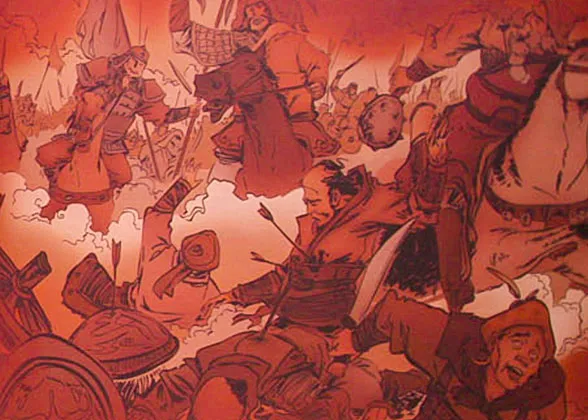
The Mongol army numbered only 100,000, a stark numerical disadvantage. How did Genghis Khan turn the tide?
Upon identifying this fatal flaw in the Jin deployment, Genghis Khan ordered his elite forces to concentrate their attack on the Jin central command. His trusted general Muqali led a vanguard assault that swiftly shattered the Jin front lines. With his command structure in disarray, Wanyan Chengyu lost effective control of his army. Most Jin units were scattered across the passes and strongpoints of Yehuling, too far apart to coordinate or mobilize in time. The Jin front collapsed catastrophically. Overwhelmed by the speed and ferocity of the Mongol advance, Wanyan Chengyu fled with whatever troops he could gather. With their commander missing and morale shattered, Jin soldiers scattered in panic, pursued and cut down by Mongol forces across the mountains. Casualties exceeded 200,000.
This battle crippled the military power of the Jin State. Afterwards, the Jin abandoned their northern territories and retreated to their capital, Zhongdu - today’s Beijing.
The Battle of Juyongguan
Genghis Khan entrusted the assault to Jebe, one of his most brilliant generals. After conducting a probing attack, Jebe realized that due to its unique geographical location, the Juyong Pass could not be taken by force. Even if the Mongols attacked for an eternity, they would not be able to shake this ancient pass. Instead, he devised a cunning stratagem.
|
|
After several large-scale attacks, Jebe discarded his weapons, horses and other strategic supplies and pretended to flee. When Wanyan Fuxing, a general of the Jin State, saw this, he thought he was better than Jebe and ordered his troops to chase Jebe. To strengthen the deception, Jebe had his troops abandon provisions and even allowed a small number of soldiers to be captured deliberately. Under the torture of Wanyan Fuxing, these deliberately captured Mongolian soldiers had to reveal the “truth” that they were fleeing because of a traitor in the Mongolian camp and that they had to retreat in a hurry for fear of being pursued by the Jin troops. Wanyan Fuxing believed the false information given by the Mongolians and ordered his troops to pursue them without stopping, determined to capture Jebe alive. By this time, Jebe had already set up an ambush on the way, waiting for Wanyan Fuxing to walk into it.
Open warfare favored the Mongol cavalry. Once trapped, roughly half of Wanyan Fuxing’s 10,000 soldiers were killed in the fighting. Mid-battle, Jebe deliberately left an escape route open for surviving Jin troops. Mongol soldiers disguised in Jin uniforms then mixed with the fleeing survivors and infiltrated Juyongguan. With coordinated attacks from inside and outside the walls, Jebe captured the fortress.
Further Reading on Famous Great Wall Battles:
Wei Qing and Huo Qubing Beat Back the Huns
Tumu Crisis
The War of Shanhaiguan Great Wall
Battle of Rehe - Last Battle on the Great Wall
- Last updated on Jun. 18, 2026 by Sherry Xia -