What to see in Egypt for first-time travelers?
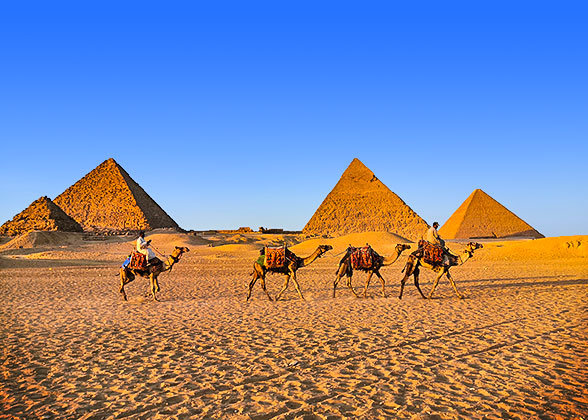
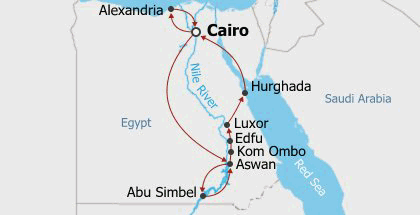
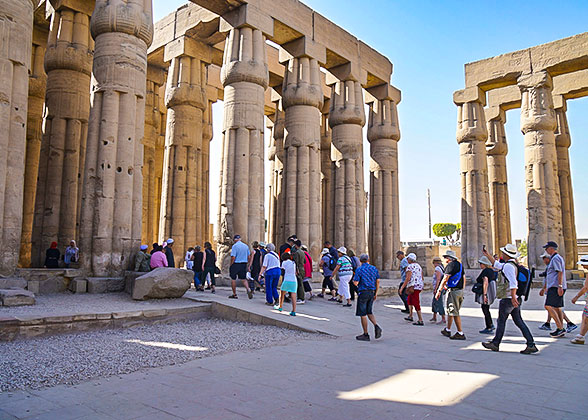
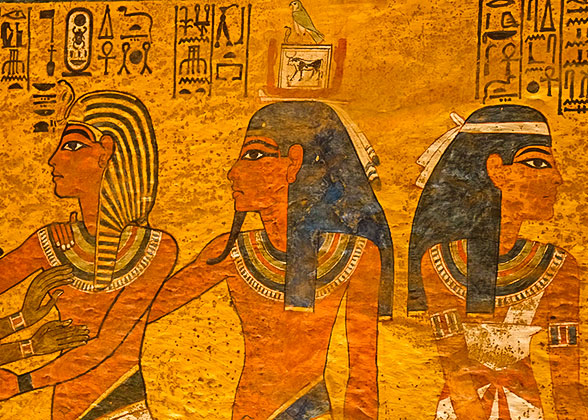
For first-timers, Egypt’s ancient wonders take center stage. Discover the hardcore soul of Pharaonic Egypt by admiring the Egyptian Museum, the iconic Giza Pyramids, the very symbol of Ancient Egyptian civilization, alongside the enigmatic Sphinx, the Valley of the Kings - the burial ground of pharaohs, the awe-inspiring monumental temples of Abu Simbel, and Luxor, the world’s largest open-air museum.
Beyond history, unwind on a multi-day Nile cruise, catch a felucca ride at sunset, or dive into the Red Sea’s crystal-clear waters in Hurghada. For adventure seekers, desert quad biking with a visit to a Bedouin village for an authentic taste of desert life is well worth the trip. To round out your cultural immersion, haggle your way through Old Cairo’s bustling bazaars, and visit Nubian villages in Aswan for a glimpse into their vibrant traditions.
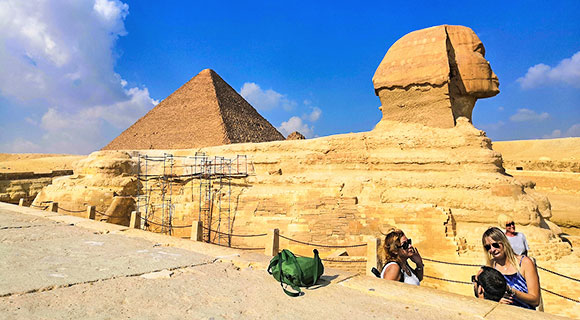
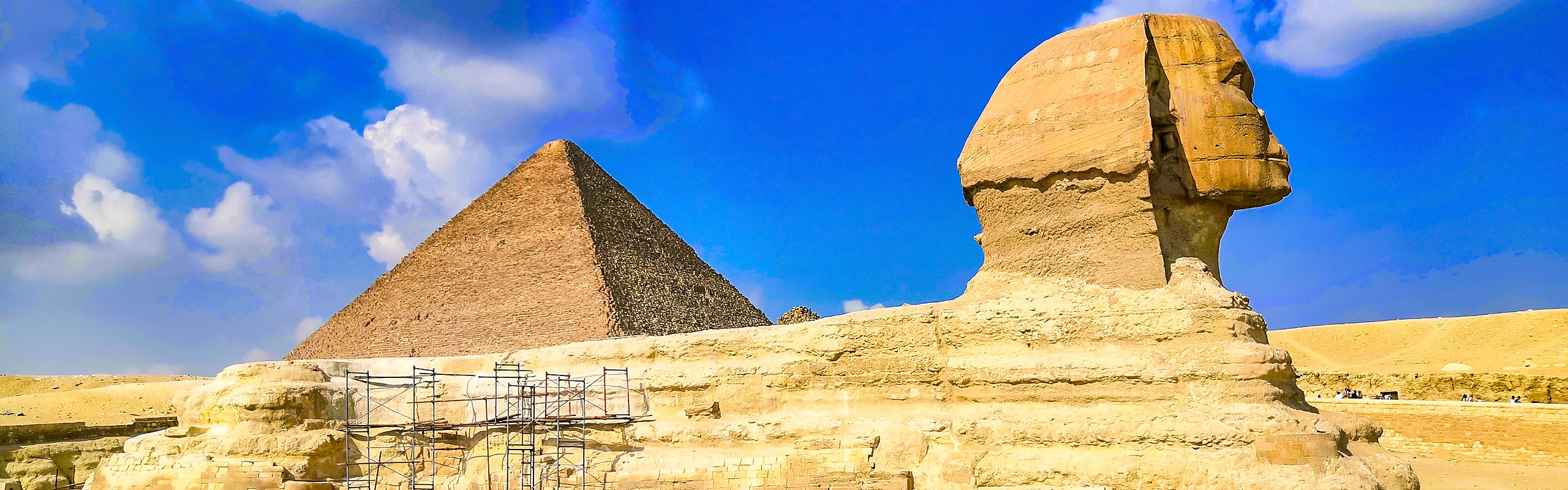
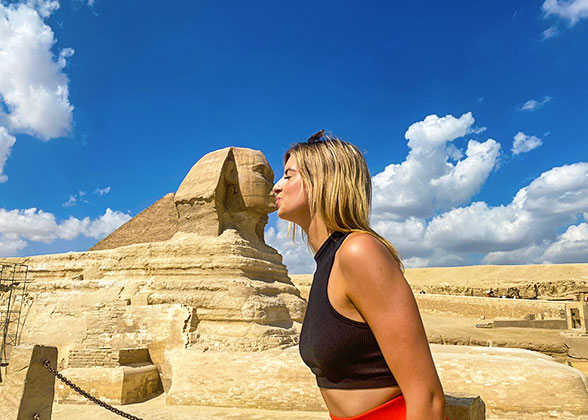
Great Sphinx, Cairo
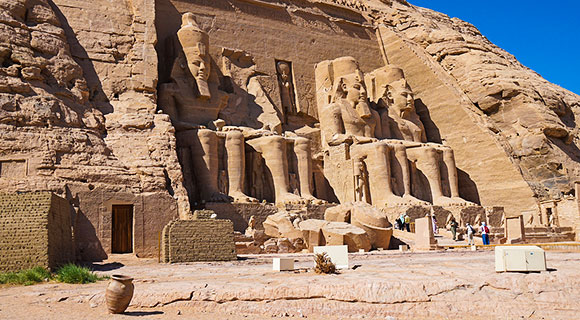
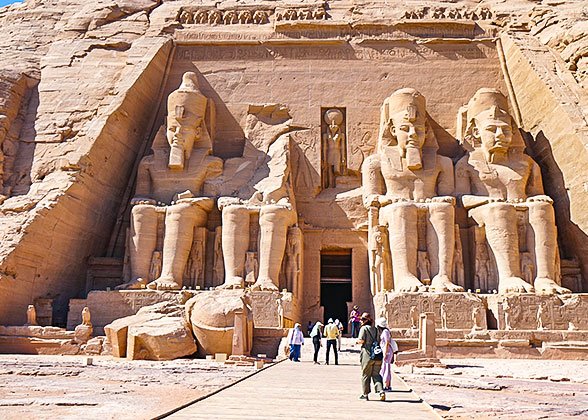
Abu Simbel Temple
How many days are enough for an Egypt tour?
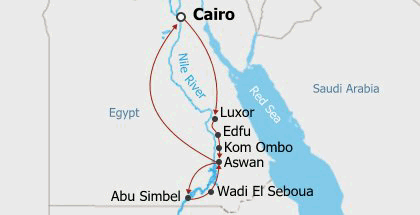
A week is generally enough to comfortably cover all the must-see sights: explore the Giza Pyramids, trace the roots of two great faiths in Islamic and Coptic areas in Cairo, and embark on a Nile cruise to soak in the river’s timeless beauty, ancient temples, and royal tombs along the way.
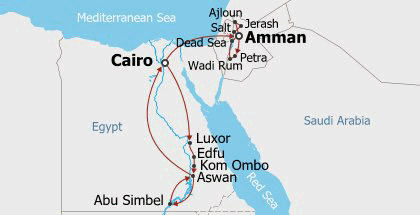
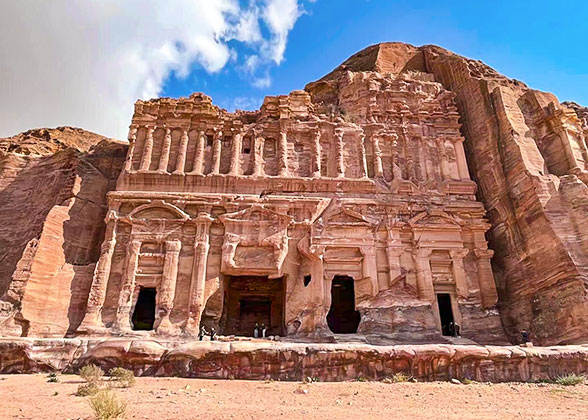
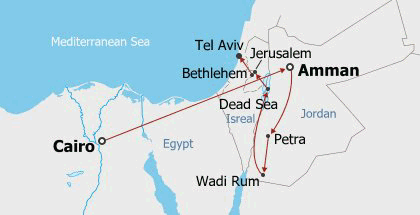
With roughly two weeks, you can dive deeper into your Nile cruise, add the Nubian villages and the remote Temple of Abu Simbel, or add an excursion to Alexandria’s Mediterranean charm, the Red Sea's underwater world, or the western desert’s vast silence. If you have more than two weeks, consider extending your journey to neighboring countries like Israel and Jordan, where Christianity, Judaism, and Islam intersect in fascinating ways.
Do I need a visa to visit Egypt?
Most travelers need a visa for Egypt. Citizens of 78 countries, including the US, UK, New Zealand, Canada, and all EU member states, are eligible for either a visa on arrival or an e-Visa, both valid for a single-entry stay of up to 30 days for USD 30. Make sure your passport is valid for at least six months.
A heads-up: Starting August 2026, Cairo International Airport will introduce a new e-entry system that may affect visa-on-arrival procedures. Check the latest rules before you fly.
What is the best time to visit Egypt? What should I pack?
October to April is the best time to travel to Egypt. With average temperatures ranging from 20 to 30°C (68 and 86°F) and little rain, the days are delightfully mild and ideal for touring pyramids and temples. Nights, however, can turn chilly, so pack layers, such as short sleeves with a light jacket, and a windbreaker for desert outings. A lightweight dust mask is an excellent backup as sandstorms typically occur in March and April.
May to September brings scorching heat, often over 40°C (104°F), especially in the desert. However, this is the peak diving season on the Red Sea resorts like Hurghada and Sharm El-Sheikh, thanks to warm waters and great visibility. It’s also cheaper and less crowded during this time. Just bring strong sunscreen and avoid prolonged outdoor activity during midday hours.
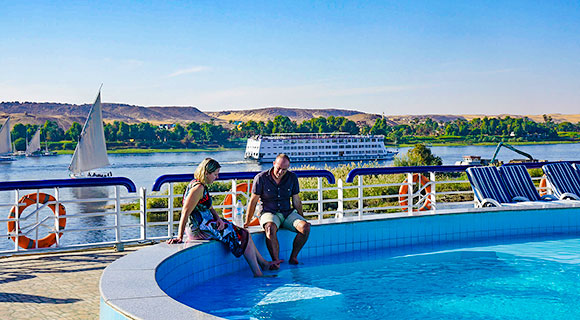
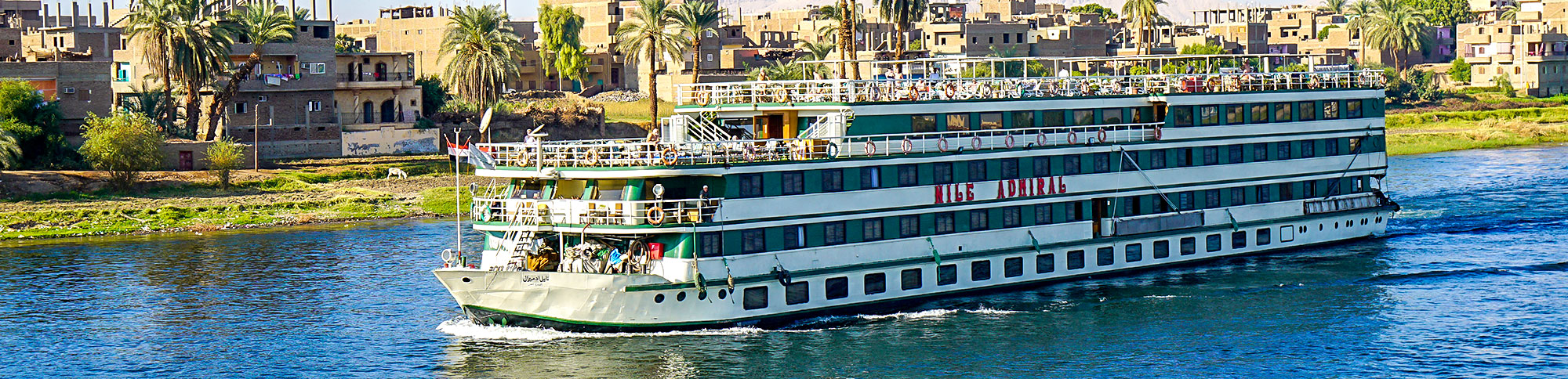
Nile River Cruise
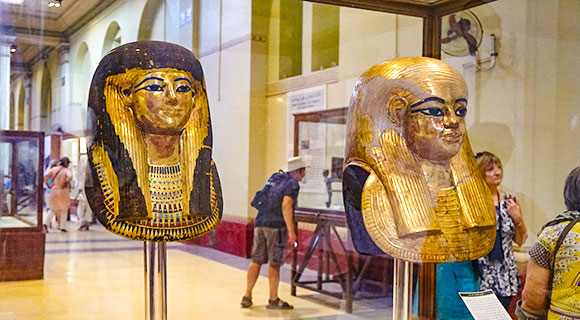
Egyptian Museum, Cairo
Is Egypt safe to travel?
Overall, Egypt is a safe country, particularly in major tourist destinations like Cairo, Aswan, Luxor, and Hurghada. Locals are generally warm and welcoming, though you should stay alert to petty theft and common scams, such as unsolicited "help" or fake officials at tourist sites. Also, exercise particular care when crossing streets, as traffic can be chaotic with pedestrians and vehicles mixing freely.
How to get to and travel around Egypt?
Cairo International Airport (CAI) is the main international gateway, offering direct and connecting flights from major cities such as London and Paris. Other international airports include those in Hurghada, Luxor, and Sharm El-Sheikh.
Domestic flights connect key destinations such as Cairo, Alexandria, Aswan, Luxor, and Hurghada. Flying from Cairo to Luxor or Sharm El-Sheikh, for example, takes just about an hour. The Nile also offers a unique travel experience, with multi-day cruises and traditional feluccas available. Overland, the bus network is extensive, with Cairo’s main hub at Turgoman Bus Station serving routes reaching most major cities.
Within cities, transport can be chaotic. If you are an independent traveler, the metro is a reliable way to avoid traffic and even has women-only carriages. Uber and Careem ride-hailing apps are also a good option; confirm the fare and destination before you go. While minibuses and city buses exist, they're generally not tourist-friendly due to Arabic-only signage.
On our curated Egypt tour packages, private cars and drivers handle all the transfers, so you can give your full attention to the journey itself.
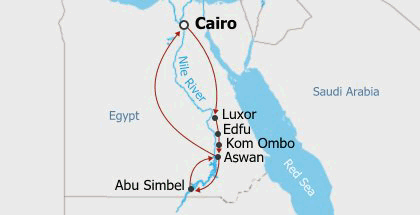
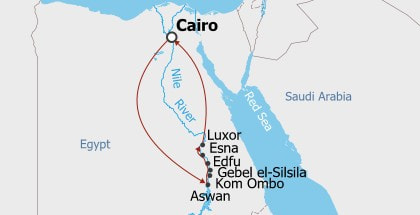
How to travel from Cairo to Luxor and Aswan?
Flying is the fastest option. Multiple daily direct flights from Cairo International Airport take about 1 hour to Luxor and 1 hour 20 minutes to Aswan.
Trains offer a more traditional experience, with regular daytime and overnight sleeper services, taking about 10 hours to Luxor and 14 hours to Aswan. The overnight sleeper is highly recommended; it’s more comfortable and includes dinner and breakfast. Just remember to allow extra time to get to Ramses Station in central Cairo.
Cruises technically link all three cities, with full itineraries lasting 11 to 15 days, but such sailings are rare and depart only on specific dates. A far more practical approach: fly to Luxor or Aswan first, then take the classic Nile cruise between the two.
Buses are the most budget-friendly choice, costing around USD 10-25. But the roads can be unpredictable, and traffic delays are common. The ride takes about 10 hours to Luxor and 14 hours to Aswan.
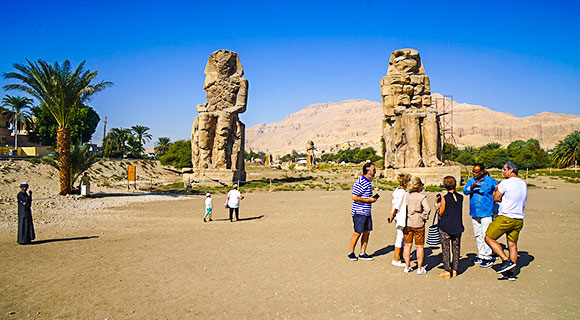
Colossi of Memnon
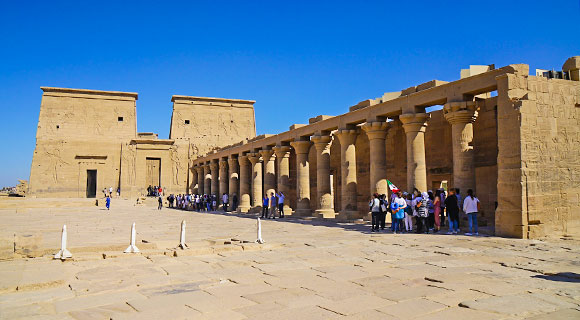
Egypt Philae Temple, Aswan
What is the best currency to take? Is USD acceptable?
U.S. dollars are the best currency to take, as it is widely accepted at most high-end hotels, tourist attractions, and for cruise bookings. Euros are also accepted at upscale establishments in places like Cairo and Hurghada. However, for everyday expenses like taxis, souvenirs, and tips, Egyptian pounds are much more practical and save you from unfavorable exchange rates. The safest bet is to convert your dollars or euros to EGP after arrival. For best value, it is recommended that you exchange money at local banks or exchange offices.
Do they speak English in Egypt?
English is widely spoken in popular tourist spots like Cairo, Luxor, and Hurghada, especially at attractions, upscale hotels, big malls, and on cruise ships. However, off the beaten track, like in local bazaars, street stalls, or taxis, most locals speak little to no English, sticking primarily to Arabic, the country’s official language. Keep a translation app handy just in case. Our Egypt tours with English-speaking guides will give you extra peace of mind.
How to avoid diarrhea in Egypt?
Diarrhea in Egypt is famously nicknamed “Pharaoh’s Revenge.” To avoid it, follow these simple rules: Drink and brush only with sealed bottled water; tap water is a no-go. Skip ice in drinks, as it’s usually made from tap water. For food, avoid salads, raw seafood, undercooked meat, and any pre-cut or peeled fruit; instead, stick to freshly cooked, piping-hot dishes. Good hygiene also helps: Wash your hands often, eat at reputable restaurants, and pack anti-diarrheal meds. If you get severe abdominal pain, nonstop diarrhea, or a fever, seek medical attention at a local hospital right away.
For more tourist information, read
Egypt Travel Guide.