How many days in Nepal is enough?
3-6 days: This is the minimum period for a Nepal tour. You can focus on the multitude of UNESCO-listed sites in Kathmandu Valley, and add one more spot like Chitwan to experience wildlife safaris, or Pokhara for its stunning mountain and lake views. Additionally, a 5-day itinerary is also friendly for beginners longing for an Everest Base Camp (EBC) trekking.
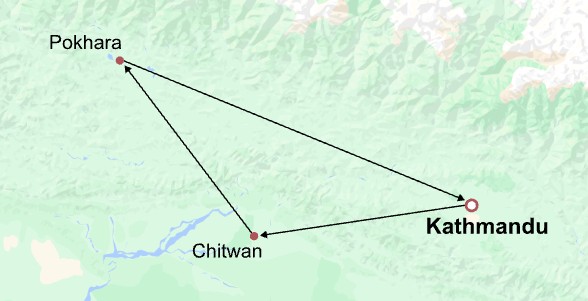
7-10 days: It’s the best duration for an immersive tour of the Kathmandu Valley, Chitwan, and Pokhara, plus a visit to Nagarkot, one of the best viewpoints for the Mt. Everest sunrise.
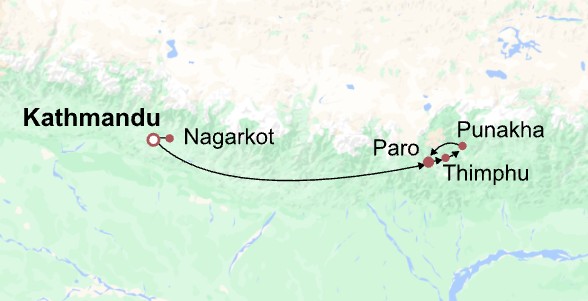
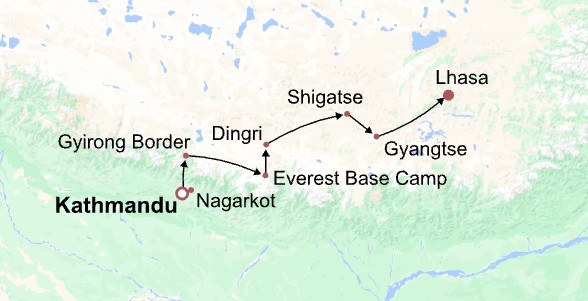
11 days or more: Cover your trip with all the country’s landmarks and lengthen to a neighboring country like Bhutan, China, or India.
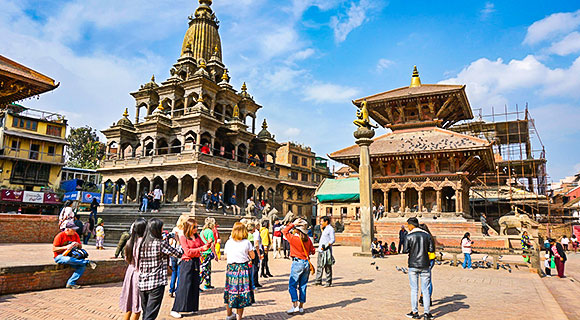
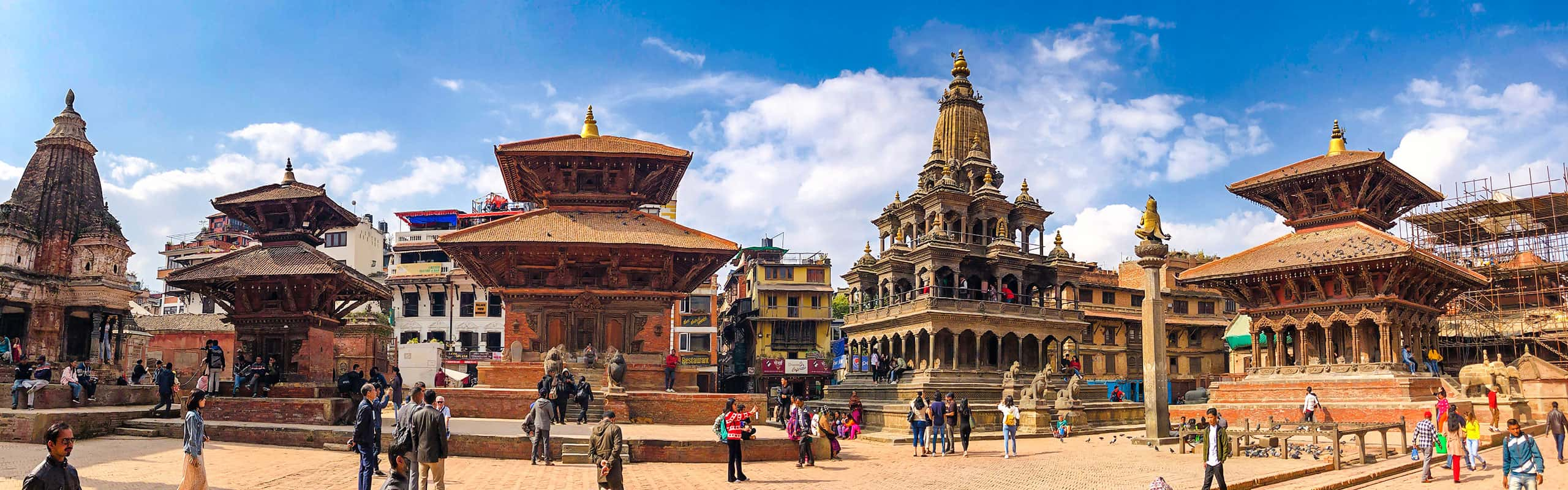
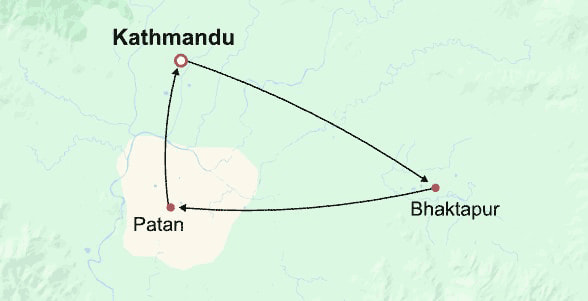
Patan Durbar Square
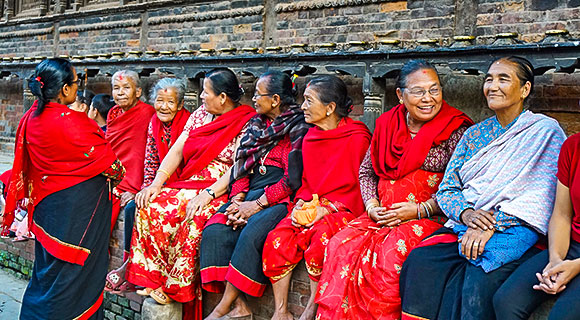
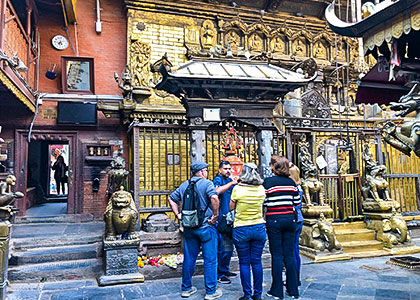
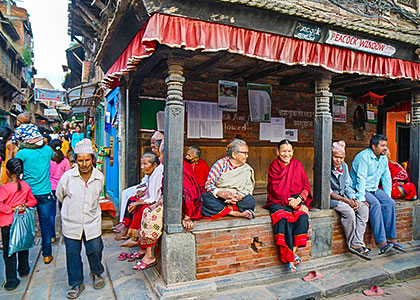
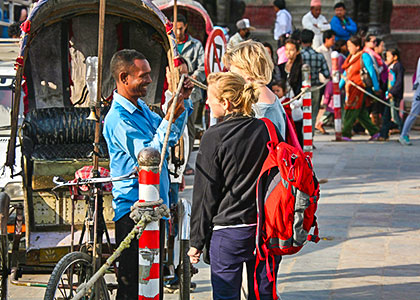
Local People in Nepal
What to see in Nepal for first-time travelers?
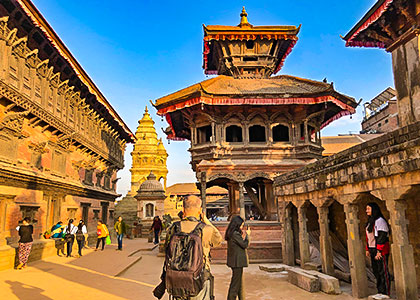
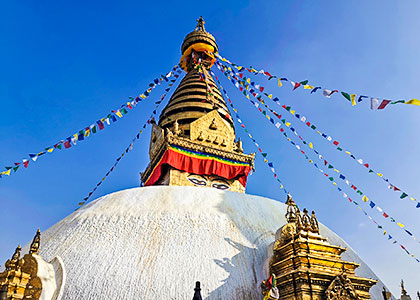
For first-timers interested in Nepal’s religion and living culture, explore Kathmandu Valley’s royal Durbar squares for delicate Newar architecture, visit Swayambhunath Stupa to get insights into the religious integration of Buddhism and Hinduism, witness an open-air cremation ceremony at Pashupatinath Temple, and admire Boudhanath Stupa, the world’s largest hemispheric stupa. Besides, the lively Thamel district offers you a glimpse of its backpacker culture.
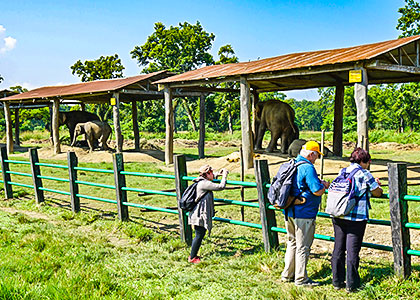
If you prefer natural beauty, head to Chitwan, take jeep and canoe safaris, as well as a jungle walk to encounter wild animals, including one-horned rhinoceros and gavials. Or enjoy boating on Phew Lake in Pokhara and behold the first-rate Annapurna ranges reflected on the lake surface.
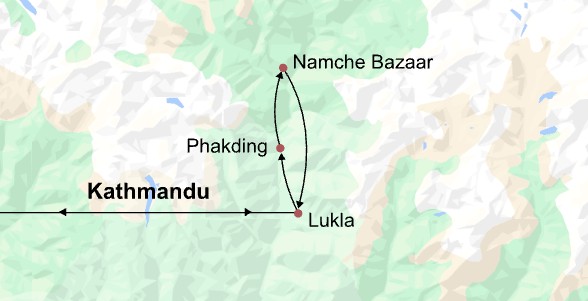
Fancy a trek? Our fairly gentle Mt. Everest mini trek itinerary, provided with experienced local guides and porters, will ensure a hassle-free journey for first-time travelers.
In addition, for pilgrims who wish to explore the birthplace of Sakyamuni, the founder of Buddhism, Lumbini is your destination.
When is the best time to travel in Nepal?
The best time for Nepal tours is from October to November and February to April, which feature a mild climate and high visibility. The average daily temperatures in Kathmandu during these months are around 13-25°C (55-77°F), suitable for outdoor activities and hiking. Moreover, Dashain, Nepal’s grandest traditional festival, takes place in October, offering a great chance to immerse yourself in lively activities like sacrificial rituals and processions. However, please prepare for the abundant sunlight and pack sunglasses and sunscreen.
December to January is cold, with temperatures ranging from 3 to 18°C (38 to 65°F), and May to September has frequent rainfall, resulting in poor visibility for mountain views, but these two periods are off seasons, suitable for tourists who prefer tranquility and have limited budgets.
Do I need a visa to visit Nepal?
Apart from Indian citizens, all other international travelers need to obtain a visa to enter Nepal. Most travelers can apply for a visa on arrival at Kathmandu Tribhuvan International Airport and stay for 15 days, 30 days, or 90 days, costing USD 30, USD 50, and USD 125 respectively. Children under 10 years old are free of charge. In addition, citizens from 12 countries including Afghanistan and Palestine need to apply for a tourist visa beforehand through a Nepalese Embassy or the online mission portal.
Is Nepal cheap or expensive?
Overall, Nepal is a low-cost tourist destination. Except for modest premium on international airfare, the expenses for visiting city attractions and daily activities are low. For example, a mid-range one-day expense, including a comfortable hotel, public transportation, and meals, is around USD 50-100. For hikers, the cost of a guided trek varies depending on your destination and duration. Hiring a professional guide costs around USD 30-40 per day, and USD 20-25 for a porter.
How to get to and travel around Nepal?
Tourists can enter Nepal by taking flights to Kathmandu Tribhuvan International Airport via countries like China, India, Malaysia, Thailand, Turkey, and Singapore, or by land through an official international border checkpoint from India or China.
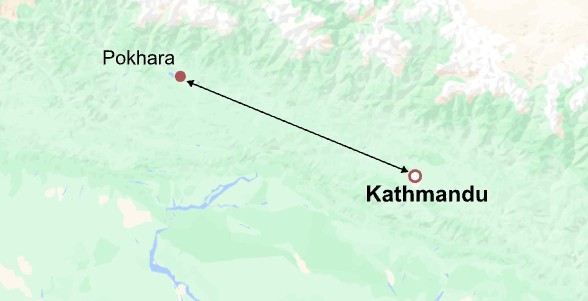
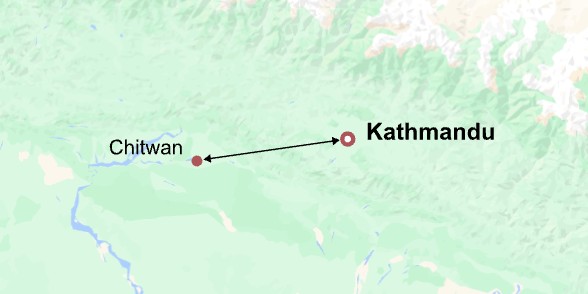
For domestic city transfers, flights at Lukla Airport, Pokhara Airport, and Tribhuvan International Airport, as well as tourist buses and private cars are all available. For instance, the flight from Kathmandu to Pokhara or Chitwan takes approximately less than half an hour, while the drive takes about 5-7 hours. Within the cities, you can use car-hailing apps like Indrive, or consider taking a motorcycle.
Is Nepal safe to travel?
Yes. As most local people follow Hinduism and Buddhism, they are friendly to travelers. However, in tourist areas or during grand festivals, it is necessary to stay alert for pickpockets. Additionally, if a high-altitude trek is on your list, choose certified trekking agencies and licensed guides, and make preparations beforehand to prevent altitude sickness.
Can a beginner do EBC trek?
Yes, but thorough preparation is a must. The well-developed Everest Base Camp (EBC) trek routes feature accessible dining and lodging, and good road conditions, with no complex ice cracks or glacier crossings, making it friendly for beginners. What you need to pay special attention to are altitude sickness, daily long hiking duration of 6 to 8 hours, cold weather, and intense ultraviolet radiation. However, as long as you start your physical training about 2-3 months in advance and take precautions against altitude sickness, and pack enough clothing and sunscreen, you can fulfill your journey safely.
If you are short on time and just want to get a sneak peek of EBC, our Mt. Everest Mini Trek itinerary can exactly meet your needs. Welcome to contact our travel consultants to tailor your own Nepal tour package!
Read more on Nepal Travel Guide.