Goldfish Alley (Jinyu Hutong)
Nestled in central Beijing, Goldfish Alley has evolved from a narrow alley of modest homes into a vibrant shopping boulevard lined with towering malls. Its evolution from residential to commercial is a story worth telling.
Legend traces its origins to the Ming Dynasty (1368-1644), when gold and silver workshops lined the alley, earning it the name "Gold and Silver Alley." Another popular tale speaks of grand mansions with goldfish ponds that once dotted the lane. As the workshops disappeared and memories faded, the name gradually evolved in pronunciation and folklore into "Goldfish Alley," which took hold over time.
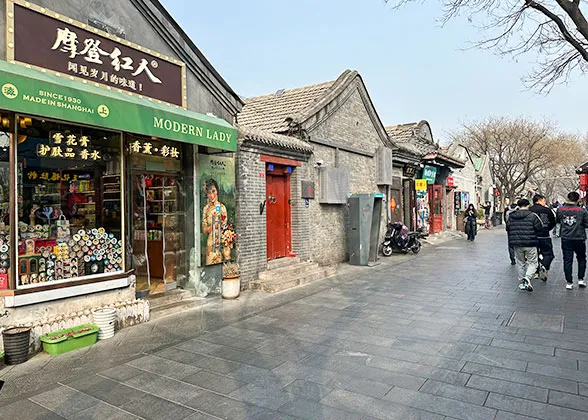
In its early days, the alley was just six meters (6.6 yards) wide, packed with traditional courtyards and shaded by rows of pagoda trees. Each spring, the blossoms filled the air with a sweet, lingering fragrance. The ground was paved with crushed stone—practical for rainy or snowy days, though less kind to those wearing thin-soled shoes.
Life here was lively. Street vendors called out their wares: barbers, toy sellers, and vendors of stinky tofu. One quirky spot was a no-frills wine stand: no tables, just large earthenware vats buried halfway into the ground, topped with wooden lids. Patrons used them as makeshift tables, on which they sipped wine, played chess, and swapped stories.
By the early 20th century, the western end had become a bustling hub. Dong'an Market, Beijing's first major shopping complex, was a one-stop destination offering daily necessities, fresh produce, and live entertainment including acrobats and comedians. Crowds flocked daily, often spilling onto sidewalks and clogging streets. Nearby, the Auspicious Theater hosted legendary Peking Opera stars and later became one of the city's first movie houses, its seats filled day and night.
In contrast, the eastern end, once home to mansions of nobles and high-ranking officials, exuded quiet prestige. One prominent late-Qing (1644-1911) minister built his private garden estate here, known as "Na Family Garden". Covering a quarter of the eastern section, it stood as a symbol of elite living.
Midway through the alley stood Virtue and Excellence Temple, once a prince's residence. Located just a ten-minute horse ride from the Forbidden City, it was favored base for provincial officials preparing for imperial audiences.
The 1980s brought dramatic change. The expansion of some major hotels claimed half the alley, including most of Na Family Garden. Today, only two pavilions and fragments of rockeries remain. One by one, courtyard homes gave way to shopping malls and luxury hotels, reshaping the lane into the sleek commercial street you see today.
Though the old neighborhood charm and grand residences are mostly gone, Goldfish Alley remains a magnet for visitors seeking Beijing's urban pulse and culinary delights.
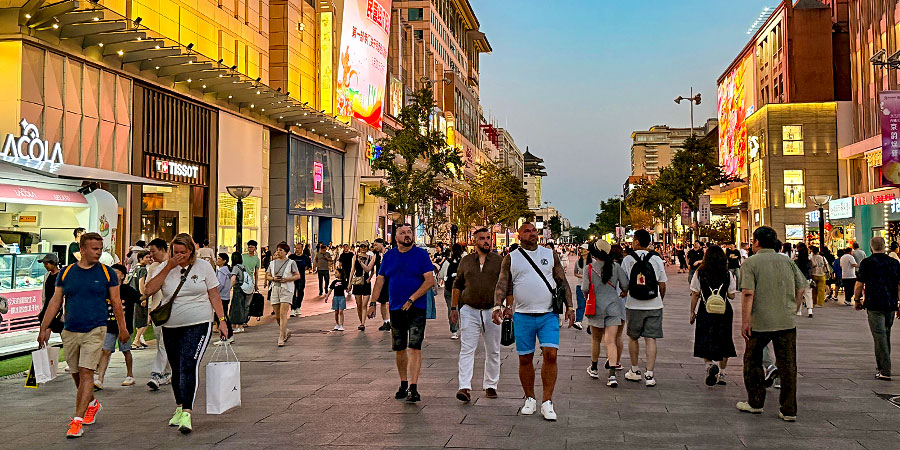
Strolling through, you're immersed in dynamic city life. Shops from global brands to stylish boutiques line both sides. Malls like APM blend fashion, dining, and daily retail. Storefronts showcase seasonal trends, while crowds flow steadily, embodying Beijing's fast-moving rhythm.
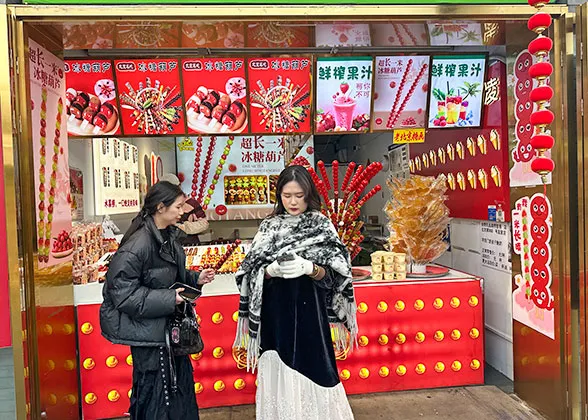
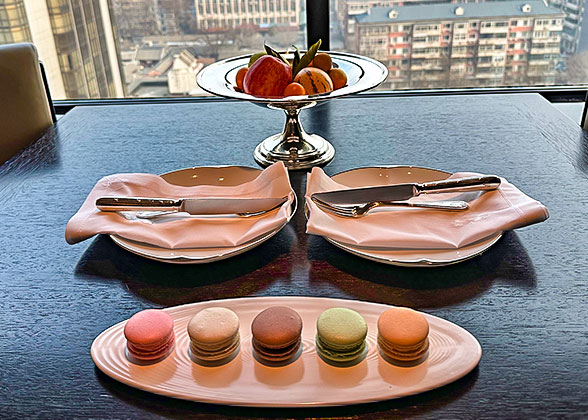
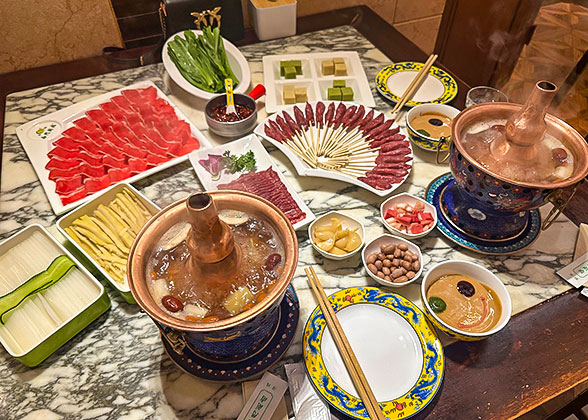
Food lovers will find plenty to savor. At the western entrance, Donglai Shun Restaurant serves Beijing's iconic copper-pot hotpot, a thinly sliced lamb cooked tableside, dipped in sesame sauce. Upscale hotels like the Peace Hotel offer fine Chinese and Western food, ideal for business engagements or festive gatherings. Just nearby, Wangfujing Snack Street delivers a taste of the city's street food culture, from candied hawthorns to scallion pancakes, all at wallet-friendly prices.
Goldfish Alley is perfectly situated in the city center, adjacent to the Wangfujing shopping district and within walking distance of the Forbidden City and Tiananmen Square.
Exit B or C of Jinyu Hutong Station (Line 8) puts you right in the heart of the action. Dengshikou Station (Line 5), Exit A, is a ten-minute walk away.
Open 24/7 with no entry fee, the alley welcomes you year-round. To avoid crowds, skip weekday rush hours (7:00–9:00 and 17:00–19:00). Plan for 30 to 60 minutes, ideal as a natural extension of a Wangfujing Street walking tour.
You May Like: Dongsi Hutongs
|
|
Legend traces its origins to the Ming Dynasty (1368-1644), when gold and silver workshops lined the alley, earning it the name "Gold and Silver Alley." Another popular tale speaks of grand mansions with goldfish ponds that once dotted the lane. As the workshops disappeared and memories faded, the name gradually evolved in pronunciation and folklore into "Goldfish Alley," which took hold over time.
In its early days, the alley was just six meters (6.6 yards) wide, packed with traditional courtyards and shaded by rows of pagoda trees. Each spring, the blossoms filled the air with a sweet, lingering fragrance. The ground was paved with crushed stone—practical for rainy or snowy days, though less kind to those wearing thin-soled shoes.
Life here was lively. Street vendors called out their wares: barbers, toy sellers, and vendors of stinky tofu. One quirky spot was a no-frills wine stand: no tables, just large earthenware vats buried halfway into the ground, topped with wooden lids. Patrons used them as makeshift tables, on which they sipped wine, played chess, and swapped stories.
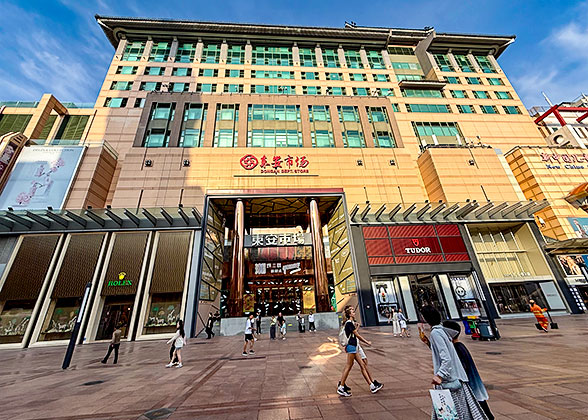 |
| Dong'an Market, Beijing Goldfish Alley |
By the early 20th century, the western end had become a bustling hub. Dong'an Market, Beijing's first major shopping complex, was a one-stop destination offering daily necessities, fresh produce, and live entertainment including acrobats and comedians. Crowds flocked daily, often spilling onto sidewalks and clogging streets. Nearby, the Auspicious Theater hosted legendary Peking Opera stars and later became one of the city's first movie houses, its seats filled day and night.
In contrast, the eastern end, once home to mansions of nobles and high-ranking officials, exuded quiet prestige. One prominent late-Qing (1644-1911) minister built his private garden estate here, known as "Na Family Garden". Covering a quarter of the eastern section, it stood as a symbol of elite living.
Midway through the alley stood Virtue and Excellence Temple, once a prince's residence. Located just a ten-minute horse ride from the Forbidden City, it was favored base for provincial officials preparing for imperial audiences.
The 1980s brought dramatic change. The expansion of some major hotels claimed half the alley, including most of Na Family Garden. Today, only two pavilions and fragments of rockeries remain. One by one, courtyard homes gave way to shopping malls and luxury hotels, reshaping the lane into the sleek commercial street you see today.
Though the old neighborhood charm and grand residences are mostly gone, Goldfish Alley remains a magnet for visitors seeking Beijing's urban pulse and culinary delights.
|
|
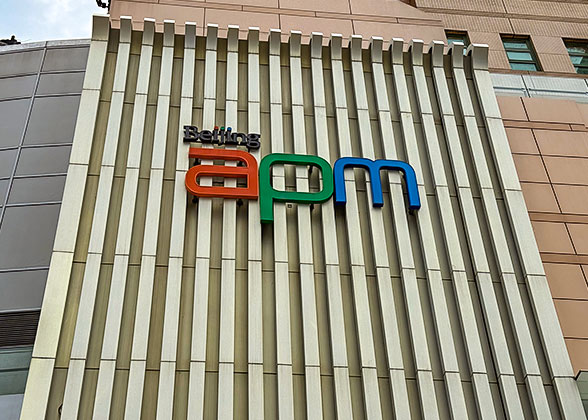
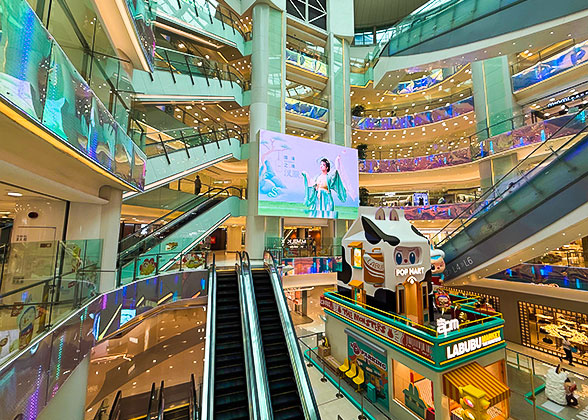
Strolling through, you're immersed in dynamic city life. Shops from global brands to stylish boutiques line both sides. Malls like APM blend fashion, dining, and daily retail. Storefronts showcase seasonal trends, while crowds flow steadily, embodying Beijing's fast-moving rhythm.
Food lovers will find plenty to savor. At the western entrance, Donglai Shun Restaurant serves Beijing's iconic copper-pot hotpot, a thinly sliced lamb cooked tableside, dipped in sesame sauce. Upscale hotels like the Peace Hotel offer fine Chinese and Western food, ideal for business engagements or festive gatherings. Just nearby, Wangfujing Snack Street delivers a taste of the city's street food culture, from candied hawthorns to scallion pancakes, all at wallet-friendly prices.
|
|
Getting There
Goldfish Alley is perfectly situated in the city center, adjacent to the Wangfujing shopping district and within walking distance of the Forbidden City and Tiananmen Square.
Exit B or C of Jinyu Hutong Station (Line 8) puts you right in the heart of the action. Dengshikou Station (Line 5), Exit A, is a ten-minute walk away.
 |
| Wangfujing Shopping District, Near Goldfish Alley |
Best Time to Visit
Open 24/7 with no entry fee, the alley welcomes you year-round. To avoid crowds, skip weekday rush hours (7:00–9:00 and 17:00–19:00). Plan for 30 to 60 minutes, ideal as a natural extension of a Wangfujing Street walking tour.
You May Like: Dongsi Hutongs
- Last updated on Jul. 23, 2026 by Sherry Xia -