North Divine Kitchen
Built in 1420, the North Divine Kitchen at northeast of Hall of Prayer for Good Harvests in Temple of Heaven was the dedicated facility for preparing offerings for the most significant heaven-worshipping ceremonies of the Ming and Qing dynasties (1368-1911).
More than a kitchen for cooking, the North Divine Kitchen is a core embodiment of the ancient Chinese philosophy of "Revering Heaven." Through meticulous preparation and solemn rituals, the ancients expressed their awe, gratitude, and reliance on nature (Heaven). They hoped to communicate with the divine through pure food and sincere hearts, praying for favorable weather and peace for the nation.
Chefs here firstly slaughtered and cleaned the plumpest livestock, particularly cattle vital to agriculture. Then they cooked them as gifts to Heaven, along with the finest grains and freshest vegetables. Cooking relied mainly on steaming and pickling, which are simple, gentle methods that preserved ingredients' natural essence. Because the ancients believed that presenting the most authentic taste demonstrated respect and gratitude for Heaven's bounty. At the center of the courtyard stands "Sweet Spring Well," whose clear, sweet water was used specifically for soups to ensure the purity of the offerings.
This site also served as a venue for solemn rituals. On the day before a sacrifice, the emperor would personally arrive to inspect different rooms: the main hall Divine Treasury, which stored exquisite ritual vessels, and the side halls, which held prepared raw meat. He checked that the vessels were clean and complete, and that the meat was perfect and compliant with requirements. It also showed the deep reverence the ancients held for their sacred connection with the divine.
Today, you can visit the Divine Kitchen to admire its historic architecture and explore thematic exhibitions inside.
As you look around, you will see how its sacrificial significance are reflected in every detail: green glazed roof tiles symbolize life, exquisite paintings cover the beams, and white marble forms a pure, elevated base. Every element was chosen to create the dignified and sacred atmosphere vital for the imperial rituals.
What's more, this 600-year-old building is well-preserved and open to the public as an exhibition hall. It hosts the "Temple of Heaven Cultural Relics Exhibition," which systematically presents sacrificial culture under the theme of "Heaven, Earth, Man, and Harmony." Divided into 14 units, the exhibition displays over 200 artifacts, including ritual vessels, musical instruments, and costumes, highlighted by treasures like the Ming Dynasty gilded bronze chime bells. These artifacts offer a tangible glimpse into the solemn atmosphere of the past and the cultural tradition of "revering Heaven and ancestors."
April 1 – October 31: 8:00–18:00
November 1 – March 31: 8:00–17:00
Closed every Monday except statutory holidays.
Visitors can enter the North Divine Kitchen directly with the main entrance ticket; no separate reservation or additional ticket is required.
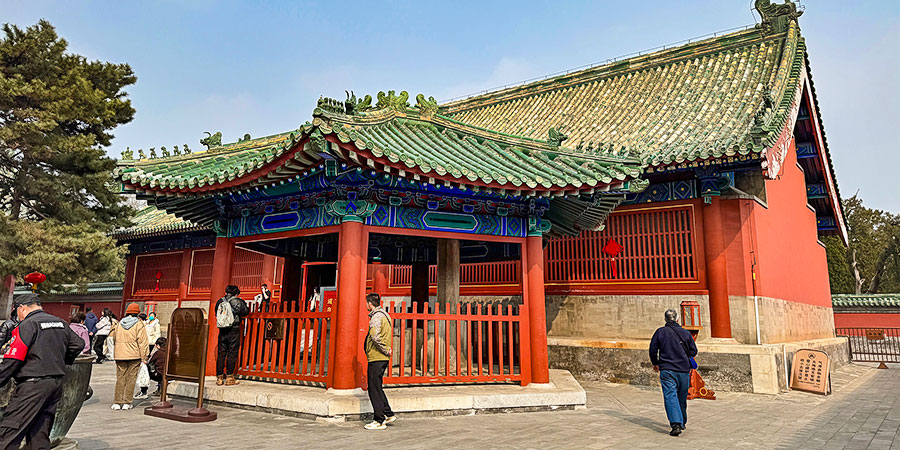 |
| North Divine Kitchen, Temple of Heaven |
More than a kitchen for cooking, the North Divine Kitchen is a core embodiment of the ancient Chinese philosophy of "Revering Heaven." Through meticulous preparation and solemn rituals, the ancients expressed their awe, gratitude, and reliance on nature (Heaven). They hoped to communicate with the divine through pure food and sincere hearts, praying for favorable weather and peace for the nation.
What Was North Divine Kitchen Used For?
Preparing Offerings
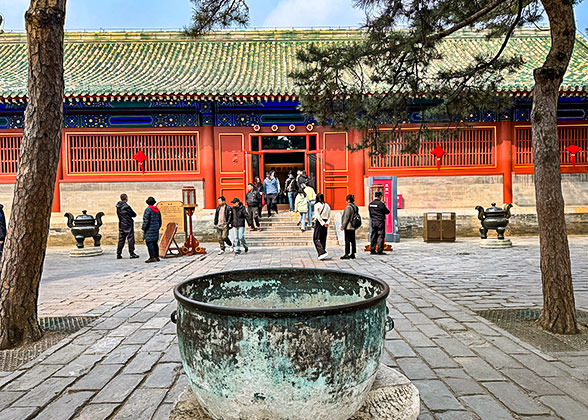
Chefs here firstly slaughtered and cleaned the plumpest livestock, particularly cattle vital to agriculture. Then they cooked them as gifts to Heaven, along with the finest grains and freshest vegetables. Cooking relied mainly on steaming and pickling, which are simple, gentle methods that preserved ingredients' natural essence. Because the ancients believed that presenting the most authentic taste demonstrated respect and gratitude for Heaven's bounty. At the center of the courtyard stands "Sweet Spring Well," whose clear, sweet water was used specifically for soups to ensure the purity of the offerings.
|
|
Holding Rituals
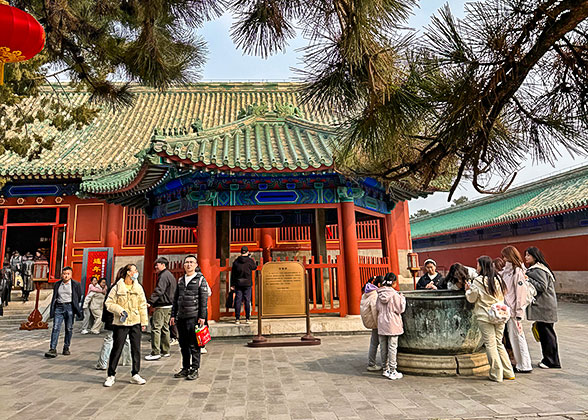
This site also served as a venue for solemn rituals. On the day before a sacrifice, the emperor would personally arrive to inspect different rooms: the main hall Divine Treasury, which stored exquisite ritual vessels, and the side halls, which held prepared raw meat. He checked that the vessels were clean and complete, and that the meat was perfect and compliant with requirements. It also showed the deep reverence the ancients held for their sacred connection with the divine.
What Can We See at North Divine Kitchen Now?
|
|
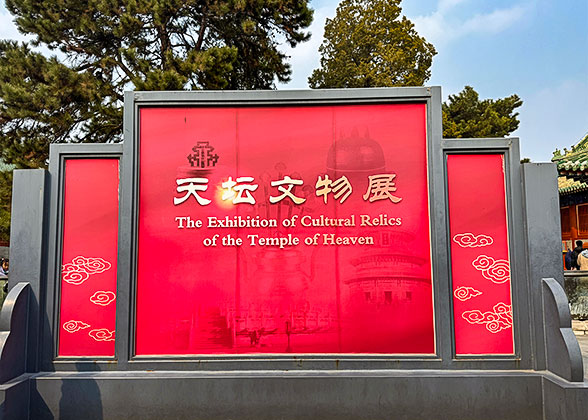
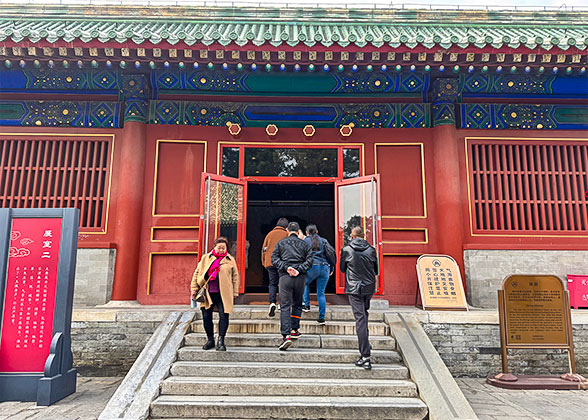
Today, you can visit the Divine Kitchen to admire its historic architecture and explore thematic exhibitions inside.
As you look around, you will see how its sacrificial significance are reflected in every detail: green glazed roof tiles symbolize life, exquisite paintings cover the beams, and white marble forms a pure, elevated base. Every element was chosen to create the dignified and sacred atmosphere vital for the imperial rituals.
What's more, this 600-year-old building is well-preserved and open to the public as an exhibition hall. It hosts the "Temple of Heaven Cultural Relics Exhibition," which systematically presents sacrificial culture under the theme of "Heaven, Earth, Man, and Harmony." Divided into 14 units, the exhibition displays over 200 artifacts, including ritual vessels, musical instruments, and costumes, highlighted by treasures like the Ming Dynasty gilded bronze chime bells. These artifacts offer a tangible glimpse into the solemn atmosphere of the past and the cultural tradition of "revering Heaven and ancestors."
Opening Hours
April 1 – October 31: 8:00–18:00
November 1 – March 31: 8:00–17:00
Closed every Monday except statutory holidays.
Tickets
Visitors can enter the North Divine Kitchen directly with the main entrance ticket; no separate reservation or additional ticket is required.
You May Like

- Last updated on Apr. 17, 2026 by Jally Zhang -