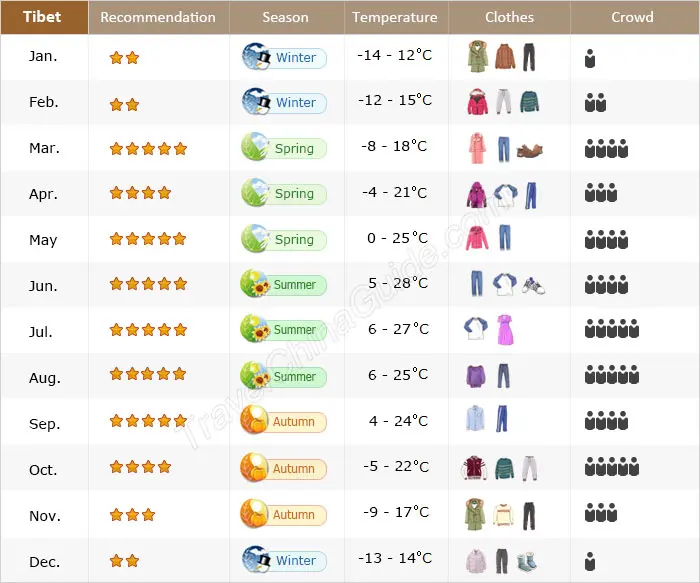
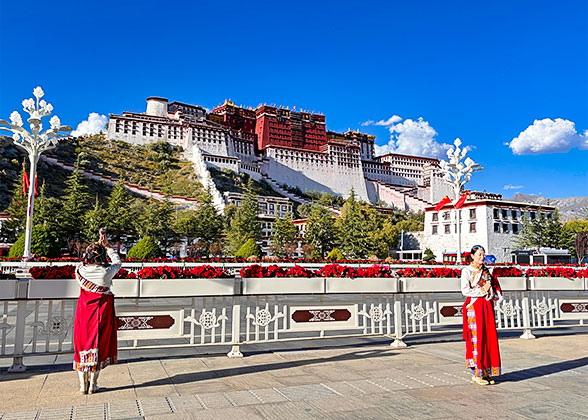
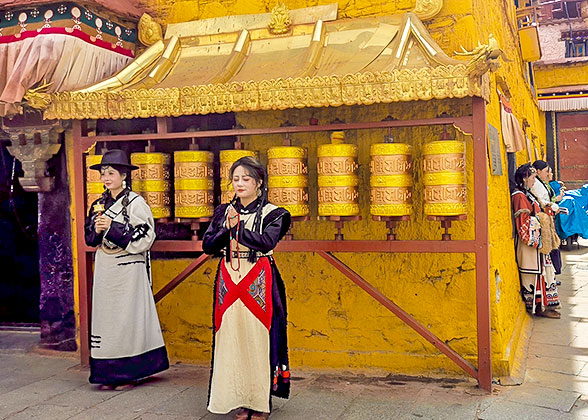
The best time to visit Tibet is from April to October, offering the most favorable weather with clear skies and beautiful scenery. In particular, May–June and September–October with the least snowfall and wind is the most ideal time for visiting Mount Everest. Beyond those months, several other periods have their own unique appeal, such as Nyingchi's peach blossom season from mid-March to mid-April.
Click to see
Tibet Weather by month.
What makes April - October the best time to visit Tibet?
Pleasant Temperature
During this period, daytime temperatures across most parts of Tibet range from a pleasant 15°C to 25°C (59°F to 77°F). Even during the peak summer months of July and August, you won't suffer from scorching heat. In Lhasa, for example, summer highs sit comfortably around 20–25°C (68°F to 77°F), a refreshing escape from the heat found in much of China. If you head to higher-altitude places like Namtso Lake and Yamdrok Lake, you may even need a jacket to stay warm.
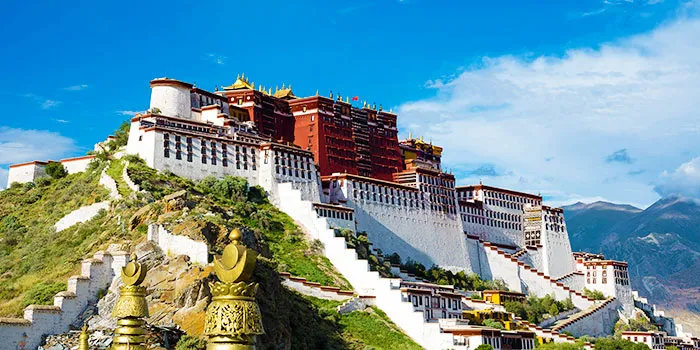 |
| Lhasa in July, with Clear Sky & Mild Temperature |
Mild Precipitation
Although April to October coincides with Tibet's rainy season, total rainfall remains modest. The rainiest months, July and August, bring just 110–120 mm of rainfall per month, and about 85% of it falls at night, so daytime sightseeing is rarely interrupted. The night showers actually take the edge off the plateau's usual dryness, leaving the air feeling far less parched than in the dry season.
Vibrant Landscape
These months showcases Tibet at its most vibrant. You can see lush green meadows and blooming wildflowers with snowy mountains in the distance, like stepping into a painting.
High Oxygen Content
Thanks to lush vegetation, the relative oxygen content in Tibet climbs to its annual high in this time, especially in July and August, ranging around 65%. At this level, traveling on the plateau feels noticeably more comfortable, as altitude sickness is much milder and easier to recover from.
Tip
Tibet is at its busiest and most expensive during three peak periods: the May Day holiday from May 1 to 5, the National Day holiday from October 1 to 7, and the entire July–August school summer holiday, when domestic families flock in. During these times, hotel prices soar and rooms can sell out quickly, while tickets for top attractions like the Potala Palace are also hard to get. If you plan to visit during these months, booking well in advance is highly recommended.
See More about
Public Holidays in China Best Time to Visit Mount Everest: May-Jun. & Sep.-Oct.
May to June and September to October are ideal for visiting the Mount Everest region. The clear skies and stable sunny weather during both periods give you unobstructed views of the north face of this world’s highest mountain. Plus, with the least snowfall and weakest winds throughout the year, you'll feel more comfortable out there.
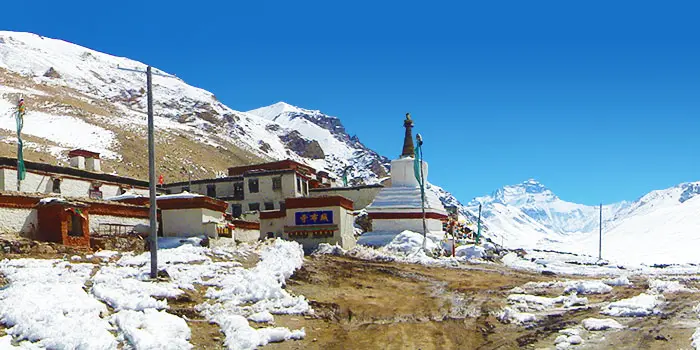 |
| On the way to Mount Everest |
July and August bring warmer temperatures that speed up snowmelt on the mountain, making trails slippery and increasing the risk of avalanches. For safety, it's best to avoid these months if you're planning to climb Mount Everest.
Best Time for Nyingchi Peach Blossom: Mid‑March - Mid‑April
During the time, wild peach trees bloom against snowy peaks along the Yarlung Tsangpo River, and the annual Peach Blossom Festival in Nyingchi is the main highlight. Blooming starts in Bomi County east of Nyingchi in early to mid-March, peaks around the Nyingchi city area in late March, and extends into mid-April in northwest of Nyingchi.
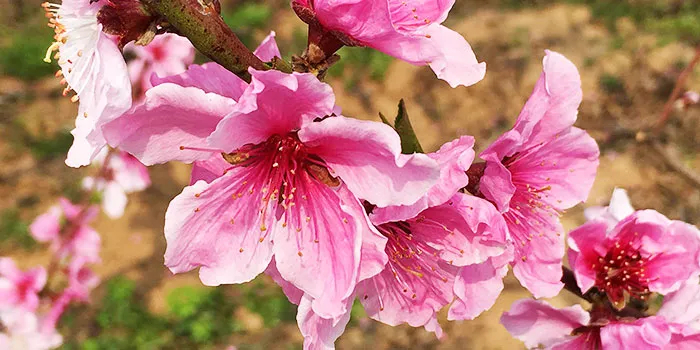 |
| Nyingchi's Peach Blossom in March |
What about Visiting Tibet in November - March?
If your trip falls between November and March, expect cold climate.
In lower-elevation areas such as Lhasa, daytime highs reach a slightly chilly 10–15°C (50–59°F), while nights plunge well below freezing. Higher-elevation destinations like Nagqu and the Mount Everest area face far harsher conditions: daytime temperatures often stay below zero, with nighttime lows dropping to -15°C (5°F) or even lower. Strong winds also make outdoor activities extremely challenging. In addition, many roads frequently close due to snow, and the Everest Scenic Area once temporarily suspended entry in past Januaries amid blizzard warnings.
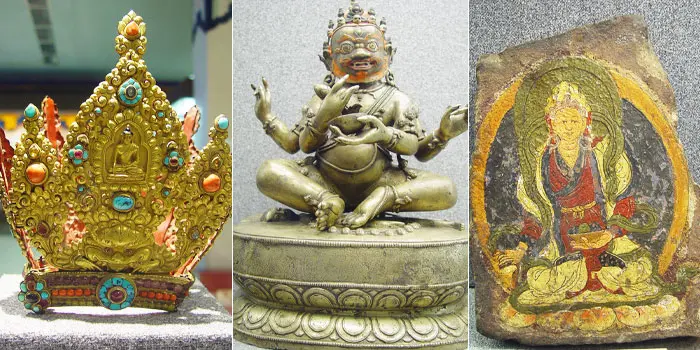 |
| Tibetan Cham Dance |
Yet it isn't all drawbacks. Tourists may enjoy discounts of up to 50% on admission to some scenic spots. For example, the Potala Palace admission ticket drops from CNY 200 to 100. Crowds are thin, and if you happen to be there during the Tibetan New Year, usually in January or February, you can experience vibrant cultural activities like cham dance performances.
In short, if you decide to visit Tibet between November and March, Lhasa is the top recommendation, and higher‑altitude regions should be avoided.
- Last updated on Jul. 09, 2026 by Jally Zhang -