Xijiaomin Lane
If you picture Beijing hutongs as the bustling South Gong and Drum Lane with its crowded shops and courtyards, Xijiaomin Lane will surprise you. Located west of Tiananmen Square, this quiet alley is lined with Western-style buildings but weren't built by foreigners. A century ago, Chinese bankers put them up here, trying to build up the nation's finance in tough times. Today, they quietly tell the story of the Qing Dynasty (1644-1911)'s last-ditch push to take back control of its money as the empire was falling apart.
Back in the Ming Dynasty (1368-1644), Xijiaomin Lane was called "Xijiangmi Lane." Paired with the neighboring Dongjiaomin Lane, it formed "Jiangmi Lane," named for the local glutinous rice trade. During the Qing Dynasty, its closeness to the Forbidden City brought many government offices here. The rice trade faded, and the lane got its current name through a phonetic shift.
The lane's golden age ran from the 1900s to the 1920s. Its rise during this time was essentially China's "financial fightback after suffering the blows of falling behind."
By the late 1800s, while Western nations had mature banking systems, China had none. Its main financial bodies were remittance houses and native banks. These worked fine until Western powers forced open China's doors.
However, as the Qing government's repeated military defeats brought massive indemnities, due to their small scale and informal structure, those remittance houses and native banks were unable to raise the enormous sums required. The court had to borrow from foreign banks, but their terms were brutal. The cost went far beyond sky-high interest, often demanding political sovereignty in return. On top of that, foreign banks exercised the privilege of issuing their own banknotes within China and controlled customs revenue, effectively dominating the country's financial arteries.
Under this existential threat, China began shifting from old-school finance to modern banking.
In 1905, the Treasury Bank, China's first state-run bank, opened here. This marked the birth of a real "modern national bank," starting the minting of silver coins and planning for a unified paper currency. In 1908, it became Bank of the Great Qing, taking on central bank roles. After the Qing fell in 1912, it was reorganized into the Bank of China. Soon after, more state-owned banks and financial firms set up shop here, building the groundwork for China's own modern financial setup.
Xijiaomin Lane had kept being China's financial hub until the capital moved south in 1928. Its modern story, from boom to bust, tells the tale of a dying dynasty's last, frantic push to move ahead.
Today, this "Old Beijing State-Owned Bank Street" keeps several well-preserved bank buildings. They offer a real-life look at how the lane changed through the early 1900s.
The first building at the east entrance is the former Continental Bank office. Founded in 1919, it became the country's biggest savings bank by 1922, proving the lane's prosperity. Its grand style reflects the banking boom of that time. The building has a basement, four main floors, and a two-story clock tower. A large granite base supports four tall pilasters reaching the third floor. The clock tower is topped with a sleek red dome and four large clock faces visible from afar. A century on, this building still stands proudly here as a city landmark, now a Bank of China branch.
If the Continental Bank marks the peak, the Beiyang Baoshang Bank next door shows the grit of early Chinese banks surviving under foreign pressure. Founded in 1910, this building went up in 1912. It aimed to solve the debt crisis of Chinese merchants in Tianjin who owed foreign ones, hence "Commercial Guarantee". Unlike the tall, fancy Continental Bank, this building is all about practicality. Six thick, evenly spaced white marble columns hold up the three-story Western classical building and its flat, strong cornice. The design echoes the steady, down-to-earth mindset of bankers fighting to survive.
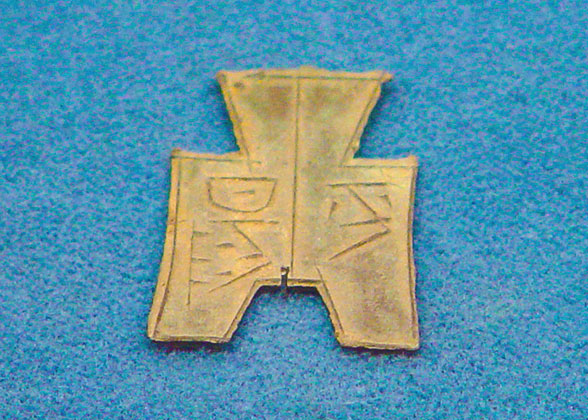
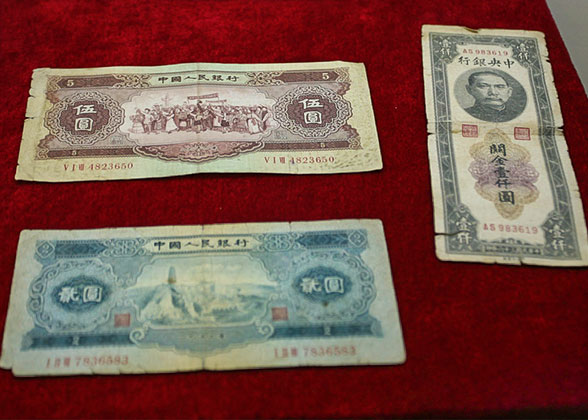
The old building now houses the China Numismatic Museum. It holds over 300,000 coins and artifacts from pre-Qin times (about 2,000 years ago) to today, including many rare pieces that showcase China's long monetary history.
Admission to the museum is free and does not require prior booking. It is open from 9:00 to 17:00 Tuesday through Sunday, with last entry at 16:00.
Further west is the former Central Bank office, opened in 1931 as its Beijing branch. By then, China's financial hub had moved to Shanghai, and Xijiaomin Lane was fading. The building mirrors this shift. The two-story building has a semicircular porch held up by four round columns, giving it the light feel of a European villa. Only the heavy iron bars on the first-floor windows hint at its past as a bank. This elegant yet subdued style marks the lane's decline, quite different from the solid Commercial Guarantee Bank of Chihli or the grand Continental Bank.
To see where it all began, walk to No. 27. This is the original site of Treasury Bank, China's earliest state-owned bank founded in 1905. Unfortunately, the original two-story main building was torn down in 1982 for bank dormitories. Today, only the entrance, iron windows, and two gate piers survive, still showing fine craftsmanship. Without a plaque to tell its story, this historic site is easy to miss.
Take Subway Line 1 to Tian'anmen West Station, then walk about 10 minutes from Exit C. Or take Line 2 to Qianmen Station, then walk about 8 minutes from Exit C.
The streets around the alley experience heavy traffic, particularly between 7:00–9:00 and 17:00–19:00. For a more relaxed visit, weekday mornings are best.
If you're keen on China's modern history and financial evolution, check out these nearby spots:
Dongjiaomin Lane: Facing Xijiaomin Lane across Tian'anmen Square, it features old foreign banks and embassy buildings.
Xiheyan Street: Just south of Xijiaomin Lane, this was another old Beijing financial street, home to China's first stock exchange.
Why Was Xijiaomin Lane Named So?
Back in the Ming Dynasty (1368-1644), Xijiaomin Lane was called "Xijiangmi Lane." Paired with the neighboring Dongjiaomin Lane, it formed "Jiangmi Lane," named for the local glutinous rice trade. During the Qing Dynasty, its closeness to the Forbidden City brought many government offices here. The rice trade faded, and the lane got its current name through a phonetic shift.
Why Xijiaomin Lane Mattered: China's 1900s–1920s Financial Fightback
The lane's golden age ran from the 1900s to the 1920s. Its rise during this time was essentially China's "financial fightback after suffering the blows of falling behind."
By the late 1800s, while Western nations had mature banking systems, China had none. Its main financial bodies were remittance houses and native banks. These worked fine until Western powers forced open China's doors.
However, as the Qing government's repeated military defeats brought massive indemnities, due to their small scale and informal structure, those remittance houses and native banks were unable to raise the enormous sums required. The court had to borrow from foreign banks, but their terms were brutal. The cost went far beyond sky-high interest, often demanding political sovereignty in return. On top of that, foreign banks exercised the privilege of issuing their own banknotes within China and controlled customs revenue, effectively dominating the country's financial arteries.
Under this existential threat, China began shifting from old-school finance to modern banking.
In 1905, the Treasury Bank, China's first state-run bank, opened here. This marked the birth of a real "modern national bank," starting the minting of silver coins and planning for a unified paper currency. In 1908, it became Bank of the Great Qing, taking on central bank roles. After the Qing fell in 1912, it was reorganized into the Bank of China. Soon after, more state-owned banks and financial firms set up shop here, building the groundwork for China's own modern financial setup.
Xijiaomin Lane had kept being China's financial hub until the capital moved south in 1928. Its modern story, from boom to bust, tells the tale of a dying dynasty's last, frantic push to move ahead.
What to See in Xijiaomin Lane?
Today, this "Old Beijing State-Owned Bank Street" keeps several well-preserved bank buildings. They offer a real-life look at how the lane changed through the early 1900s.
Peak Era Architecture: Former Continental Bank
The first building at the east entrance is the former Continental Bank office. Founded in 1919, it became the country's biggest savings bank by 1922, proving the lane's prosperity. Its grand style reflects the banking boom of that time. The building has a basement, four main floors, and a two-story clock tower. A large granite base supports four tall pilasters reaching the third floor. The clock tower is topped with a sleek red dome and four large clock faces visible from afar. A century on, this building still stands proudly here as a city landmark, now a Bank of China branch.
Early Development Architecture: Former Commercial Guarantee Bank of Chihli
If the Continental Bank marks the peak, the Beiyang Baoshang Bank next door shows the grit of early Chinese banks surviving under foreign pressure. Founded in 1910, this building went up in 1912. It aimed to solve the debt crisis of Chinese merchants in Tianjin who owed foreign ones, hence "Commercial Guarantee". Unlike the tall, fancy Continental Bank, this building is all about practicality. Six thick, evenly spaced white marble columns hold up the three-story Western classical building and its flat, strong cornice. The design echoes the steady, down-to-earth mindset of bankers fighting to survive.
The old building now houses the China Numismatic Museum. It holds over 300,000 coins and artifacts from pre-Qin times (about 2,000 years ago) to today, including many rare pieces that showcase China's long monetary history.
Admission to the museum is free and does not require prior booking. It is open from 9:00 to 17:00 Tuesday through Sunday, with last entry at 16:00.
|
|
Decline Era Architecture: Former Central Bank
Further west is the former Central Bank office, opened in 1931 as its Beijing branch. By then, China's financial hub had moved to Shanghai, and Xijiaomin Lane was fading. The building mirrors this shift. The two-story building has a semicircular porch held up by four round columns, giving it the light feel of a European villa. Only the heavy iron bars on the first-floor windows hint at its past as a bank. This elegant yet subdued style marks the lane's decline, quite different from the solid Commercial Guarantee Bank of Chihli or the grand Continental Bank.
The Oldest Bank: Site of China's First State-Run Bank
To see where it all began, walk to No. 27. This is the original site of Treasury Bank, China's earliest state-owned bank founded in 1905. Unfortunately, the original two-story main building was torn down in 1982 for bank dormitories. Today, only the entrance, iron windows, and two gate piers survive, still showing fine craftsmanship. Without a plaque to tell its story, this historic site is easy to miss.
Getting There
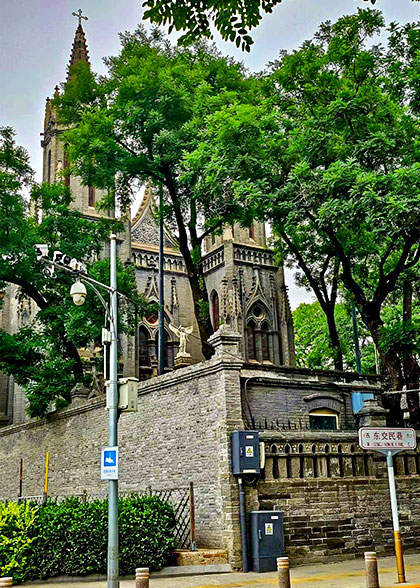 |
| Previous Embassy, Dongjiaomin Lane |
Take Subway Line 1 to Tian'anmen West Station, then walk about 10 minutes from Exit C. Or take Line 2 to Qianmen Station, then walk about 8 minutes from Exit C.
The streets around the alley experience heavy traffic, particularly between 7:00–9:00 and 17:00–19:00. For a more relaxed visit, weekday mornings are best.
Nearby Financial History Attractions
If you're keen on China's modern history and financial evolution, check out these nearby spots:
Dongjiaomin Lane: Facing Xijiaomin Lane across Tian'anmen Square, it features old foreign banks and embassy buildings.
Xiheyan Street: Just south of Xijiaomin Lane, this was another old Beijing financial street, home to China's first stock exchange.
- Last updated on Jul. 23, 2026 by Sherry Xia -