


Tiananmen Square
 Kind Reminder:
 Tiananmen Square will be temporarily closed from October 26th to October 29th, 2026.
Located in the heart of Beijing, Tiananmen Square is the most common starting point for exploring the city. This vast open space is surrounded by China's most iconic landmarks, including the National Museum and the Great Hall of the People. This guide provides a straightforward look at what to see at the square and practical advice on tickets and timing to help you avoid the crowds and save time on your way to the Forbidden City.
|
|
Top 3 Things to Do at Tiananmen Square
Capture the 360-degree "Grand View"
Stand in the center of the square for a panoramic view of Beijing's most famous modern landmarks. You can photograph the Great Hall of the People, the National Museum, and the iconic Portrait of Chairman Mao, a perfect straightforward way to show "I was in Beijing".
Explore the National Museum's Treasures
If you have a few hours, step into the National Museum. It's a great spot to see China's most important historical artifacts in one place.
Start from the Square to the Forbidden City
Tiananmen Square serves as the main gateway to the imperial heart of Beijing. Walking north through the square saves you time and provides a smooth transition from the modern landmarks of the square to the hub of ancient China.
Highlighted Landmarks at the Square
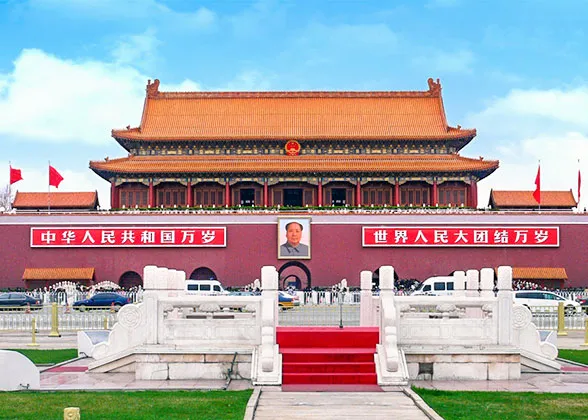
Tiananmen Tower (Gate of Heavenly Peace)
This iconic red building with its golden-tiled roof is the gateway to the Forbidden City. It is most famous for the large portrait of Chairman Mao hanging above the central archway. Visitors often stop here to take photos before heading north into the palace grounds.
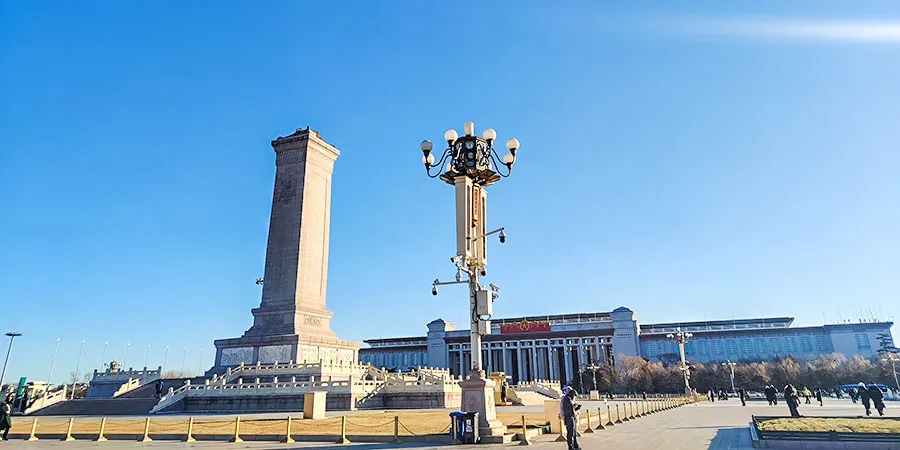
Located in the middle of the square, this 38-meter granite pillar honors those who died during China's revolutionary years. If you walk closer, you can see eight large white marble carvings around the base that show key scenes from modern Chinese history.
 |
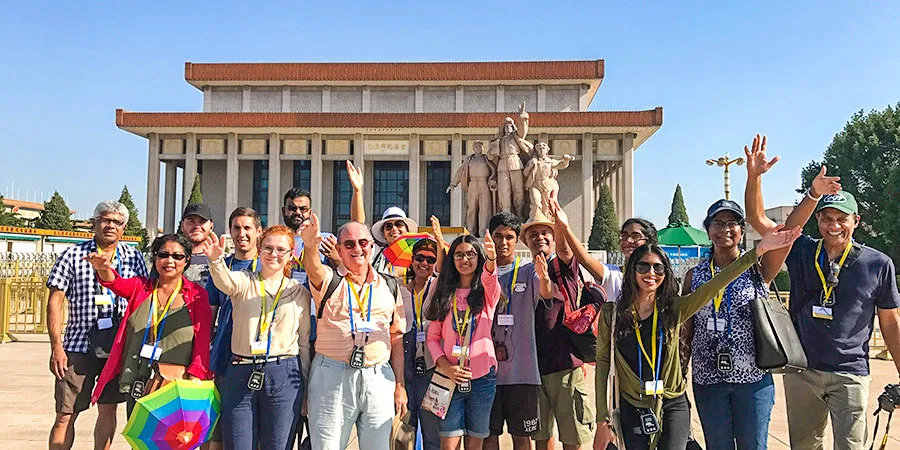
This is the resting place of Chairman Mao Zedong. Visitors can enter to see his body in a crystal casket and learn about his life.
 |
This museum holds a massive collection of over a million items, from ancient bronze vessels to modern art. It's a great place to escape the weather and dive into China's long history.
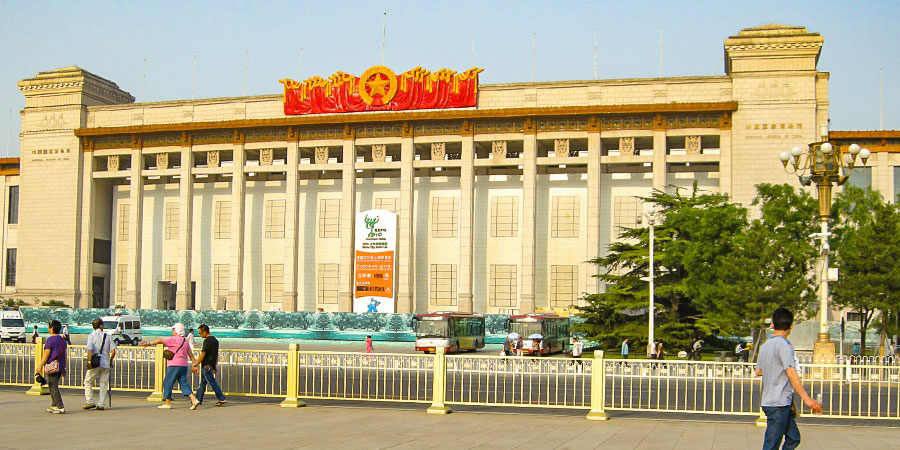 |
This is where China's major political meetings take place. You can recognize it by the 12 tall marble columns at the entrance. When it's not being used for state events, parts of the building are open to the public, allowing you to see its vast meeting halls and decorated ceilings.
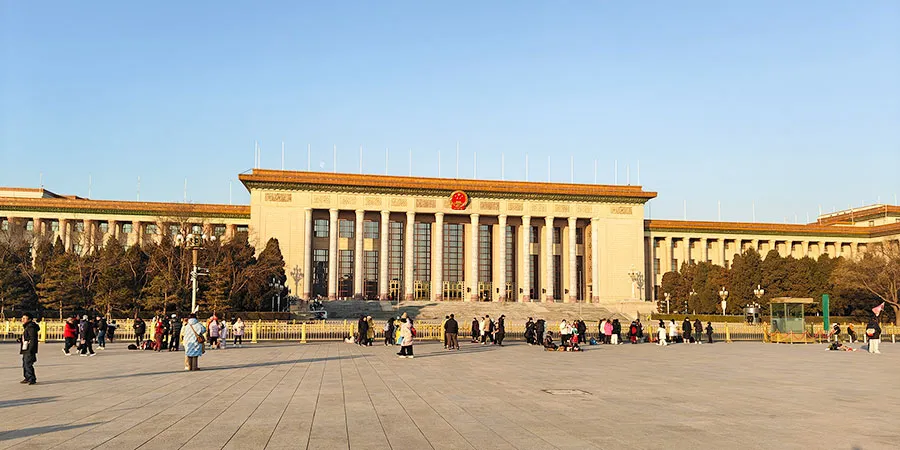 |
Flag-Raising Ceremony
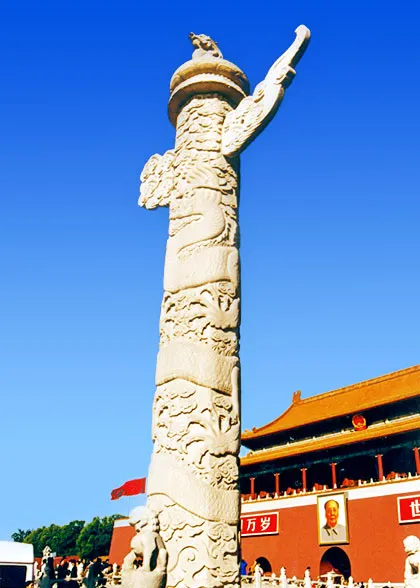 |
| Ornamental Column at Tiananmen Tower |
The flag-raising ceremony at Tiananmen Square is a solemn and magnificent daily event held at sunrise. As the military band plays the national anthem, honor guards march in perfect unison from the Tiananmen Tower to the central flagpole. At the first note of the anthem, the national flag begins its slow ascent—aligning precisely with sunrise.
This captivating ceremony draws numerous spectators each day and has become a major highlight of the square. If you plan to visit, arriving early is highly recommended to secure a good viewing spot. The specific time of the ceremony adjusts with the seasons to coincide precisely with sunrise.
See also: China National Day Parade, on Tiananmen Square Beijing
 Tiananmen Square FAQs
Travel to Tiananmen Square with Us
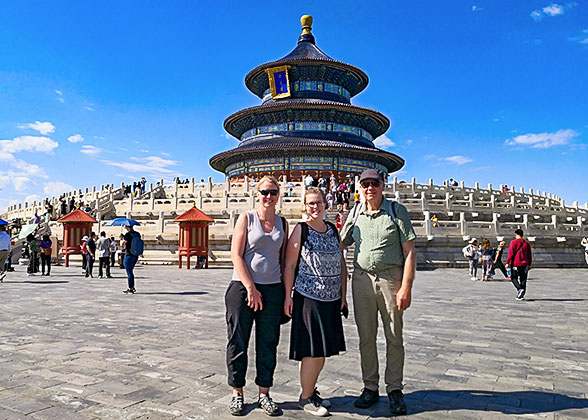
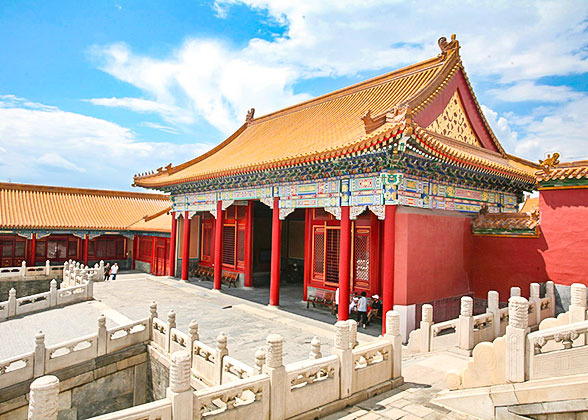
Getting from the Square to the Forbidden City
Most people visit Tiananmen Square and the Forbidden City on the same day. To make your walk between them easier, keep these tips in mind:
 The Walking Route: Once you finish exploring the square, walk North through the pedestrian underpass toward the Tiananmen Tower. Continue straight through the gate tower until you reach the Meridian Gate. This is the only entrance where visitors can enter the Forbidden City.
|
|
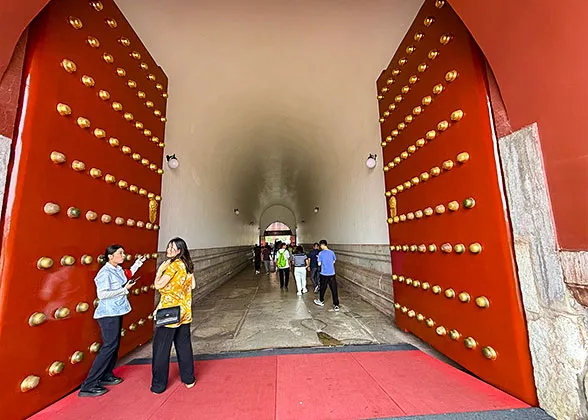
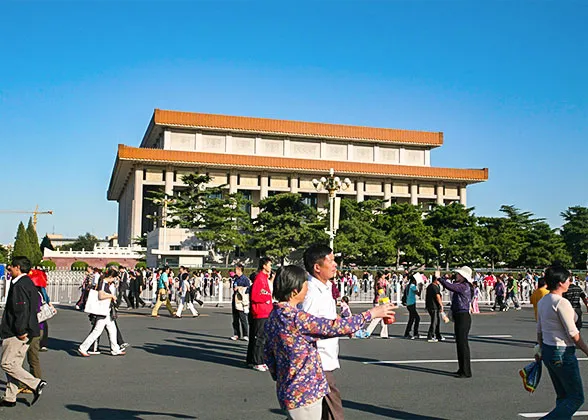 Security Checks: Be ready for two separate security screenings—one to enter the square and another to enter the palace. You will need to show your original passport at both spots, so keep it in an easy-to-reach pocket to avoid digging through your bag. Watch the Clock: If your Forbidden City ticket is for the morning slot (entry before 12:00), aim to arrive at the square at least 2 hours early, and arriving by 8:30 is recommended for weekends and holidays. This gives you plenty of time to clear both security lines without feeling rushed for your palace entry time.
Transportation & Security Checkpoints
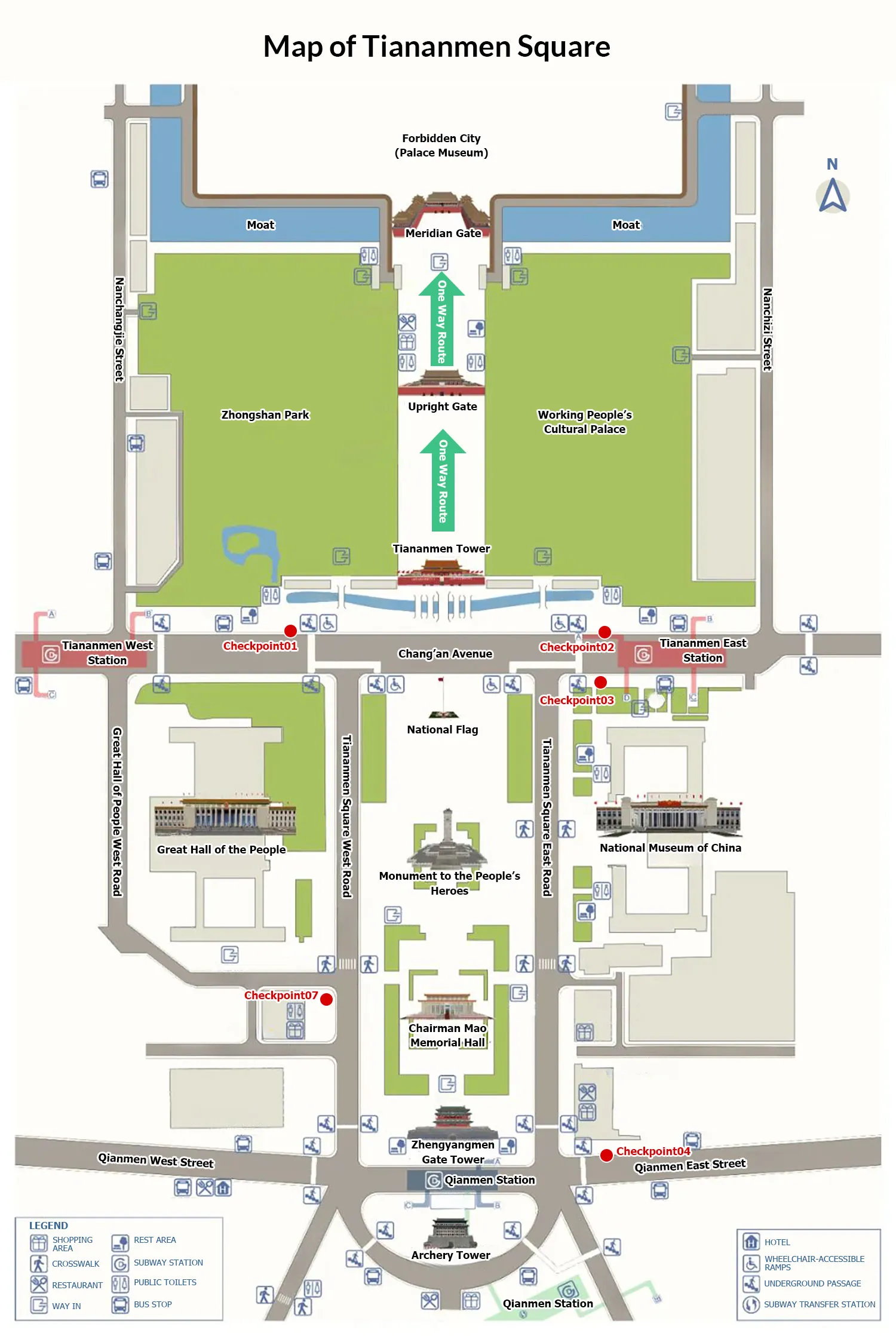
To enter Tiananmen Square, you must go to the specific checkpoint selected during your booking.
Closest Checkpoints (3-minute walk):
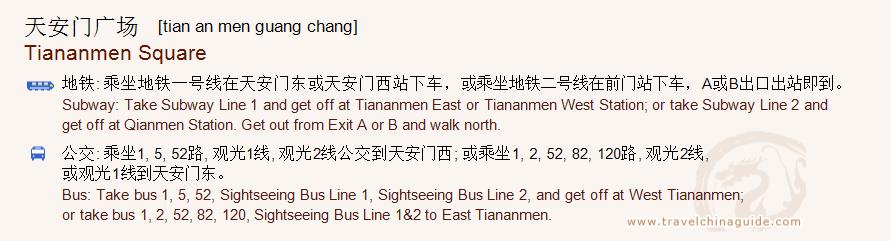
Checkpoint 01 (West Red Wall): Take Subway Line 1 to Tiananmen West Station (Exit B/A), or Bus 1 / Sightseeing Line 2. Checkpoint 02 (East Red Wall): Take Subway Line 1 to Tiananmen East Station (Exit B), or Bus 1, 52, or 82. Checkpoint 03 (Square North Road East): Take Subway Line 1 to Tiananmen East Station (Exit C), or Bus 1, 52, or 82.
|
|
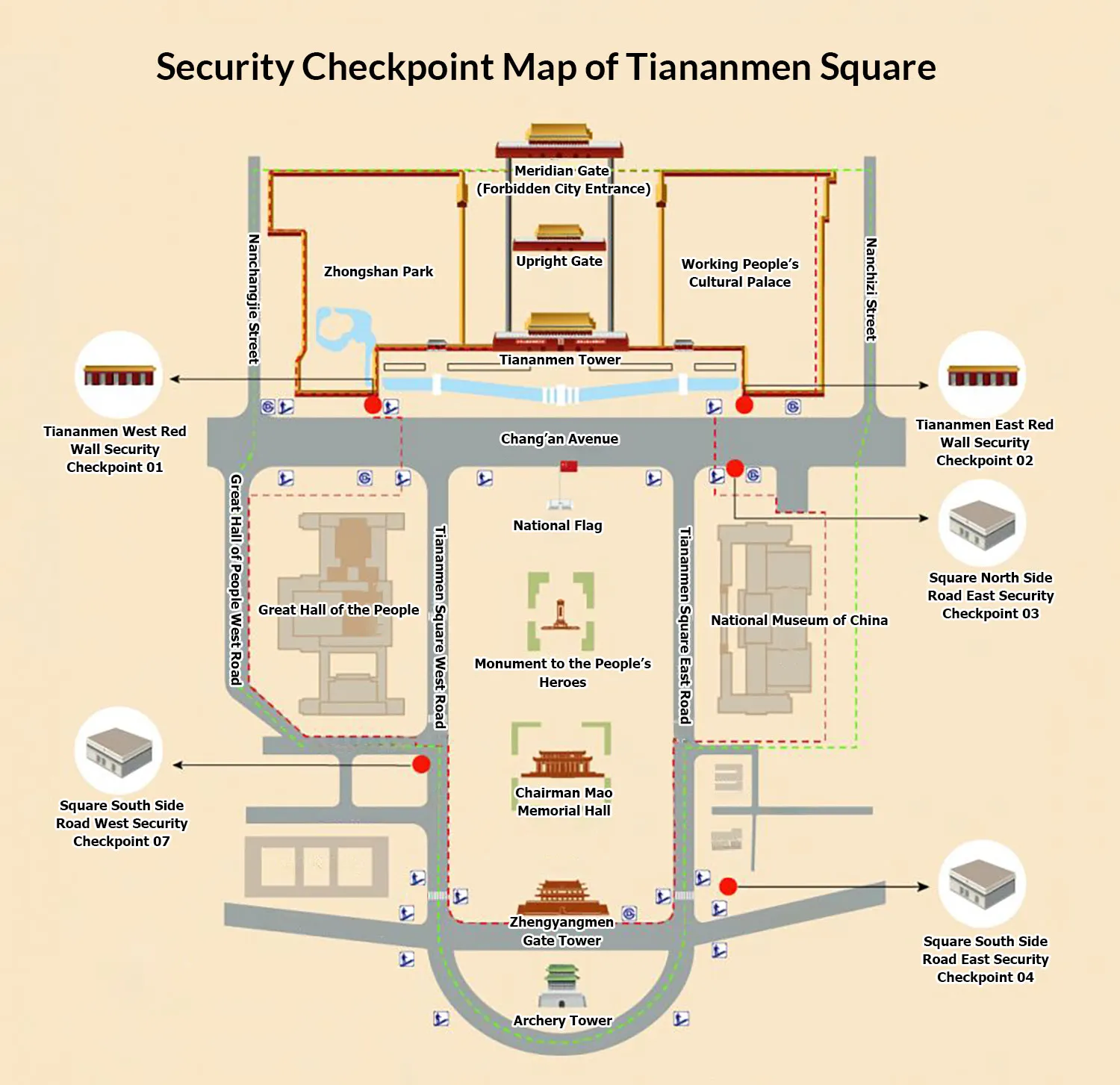
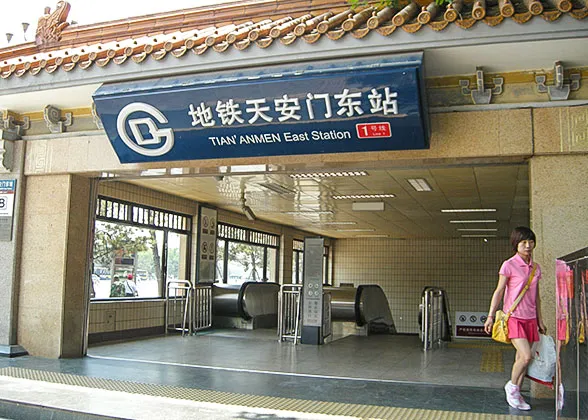
Farther Checkpoints (15–20 minute walk):
Checkpoint 04 (Square South Road East): Take Subway Line 2 or 8 to Qianmen Station (Exit E2). Checkpoint 07 (Square South Road West): Take Subway Line 2 or 8 to Qianmen Station (Exit C); involves an underground passage. Important: Please proceed directly to your reserved checkpoint. Entry via a non-reserved gate may be denied, even after queuing.
See more:How to Get from Beijing South Railway Station to Forbidden City & Tiananmen Square
Ticket & Entry
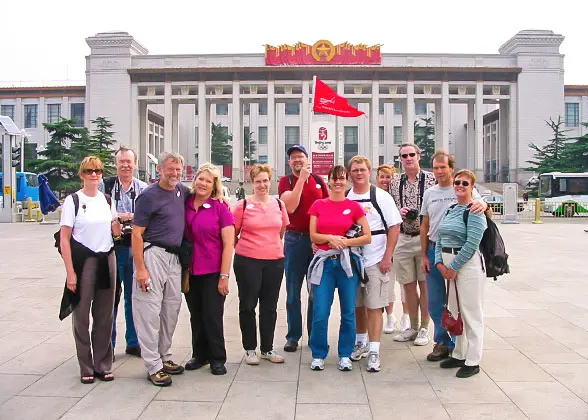 |
| National Museum of China |
Entry to Tiananmen Square is free, but all visitors must complete an online reservation 1–7 days in advance through the official website or WeChat account. After booking, bring your original passport and reservation confirmation (digital or SMS) to the designated security checkpoint for verification.
Due to high demand, slots often fill up quickly, even with a week-long advanced booking. For greater flexibility and improved availability, consider using the Travel China Guide Tiananmen Square Reservation Service, which allows bookings beyond the standard 7-day limit and adapts to your personal travel schedule.
Tiananmen Square Tickets Booking Best Time to Visit
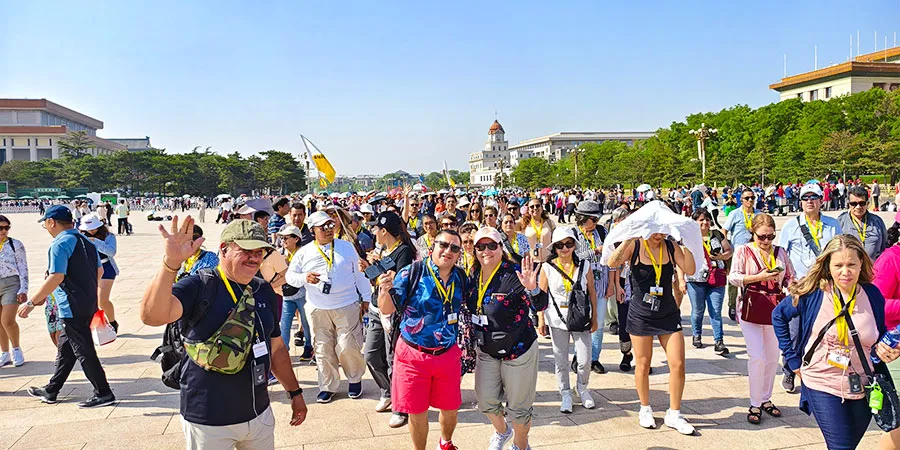 |
The ideal time to visit is September to October, when Beijing enjoys mild temperatures (15°C–25°C), clear skies, and comfortable conditions for extended outdoor walking. Avoid the first seven days of October, which mark the National Day holiday and bring massive crowds.
For a smoother experience, plan your visit between 10:00 and 16:00. This helps you avoid the intense morning rush during flag-raising and the evening crowd at flag-lowering. On non-holiday weekdays, wait times are typically under 30 minutes.
Allocate at least 2 hours for your visit, including time for security checks and queuing. During national holidays, it’s wise to set aside at least 4 hours due to the larger crowds.
What to Bring & Wear
 |
| Tourists on Tiananmen Square |
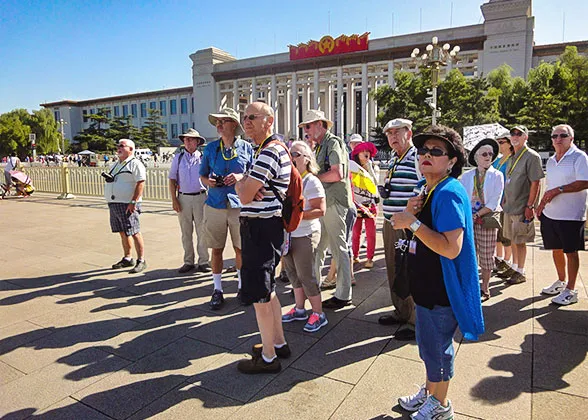
You will need to show your passport multiple times, so always carry the original with you to avoid delays. Food, water, selfie sticks, and power banks under 20,000mAh are permitted. Items like lighters and other fire hazards are strictly prohibited.
The square is vast and requires a lot of walking, so comfortable shoes are essential. In summer, the open space offers little shade, so apply sunscreen and wear sun-protective clothing. In winter, a warm coat, gloves, and a hat are necessary for protection against the cold.
Where to Eat
For hot meals, you can find shops along the Tiananmen Square East Road. Snacks like bread and sausages are available from vending carts within the square. South of the square, Qianmen Food Street offers a wide variety of restaurants and street food stalls. If you’re short on time, bring light meals and bottled water is a convenient option.
Nearby Attractions:
China Railway Museum (Zheng Yang Gate Branch) - Located at the southeast side of this square, visitors can see abundant exhibitions about development history of China Railway.
Beijing Planning Exhibition Hall - To the southeast of the square, demonstrating the development history and the future urban planning of the city.
Dongjiaomin Lane and Xijiaomin Lane: Two Hutongs near the square.
Qianmen: To the south of the square, it is a popular shopping area marked by an ancient gate tower.
Lao She Teahouse: To the southwest of the square, it is a Beijing-style cultural teahouse.
Qianmen Food Streets: To the south of the square, many restaurants and small booths offer various Chinese cuisines and street foods.
- Last updated on Oct. 26, 2026 by Jally Zhang -