Beijing Transportation
Beijing is the most important transportation hub in mainland China in air, rail and road transportation: China’s largest airport is located here; it is the biggest rail hub of the country; many national roads and expressways radiate out here. Its urban area also has well appointed transport system. However, as a metropolis in a densely populated country, transportation in the city’s urban area is a bit crowded, especially during rush hours (around 08:00 and 18:00). During these time periods, traffic jams are common and may cause significant delays. If possible, avoid taking buses/taxis at this time of a day as it may drain your limited vacation time. The local government has carried out many measures to relieve traffic pressure, including encouraging traveling by public transport tools, allocating car registration by a license-plate lottery system, and controlling traffic by odd-even license plates, etc.
Air
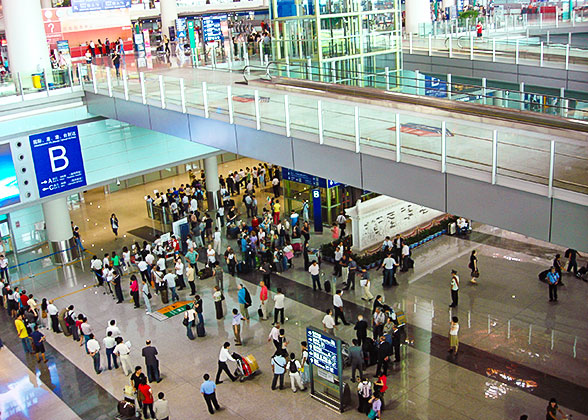
There are two passenger airports in Beijing: Capital International Airport in the northeast of the city, about 25 kilometers (about 16 miles) from Tiananmen Square and Daxing Airport, about 53 kilometers (33 miles) south of Beijing city center. They both serve domestic and international flights; so double confirm which airport you are going to use, especially when departing from the city. Both the airports can be easily reached by airport shuttle bus, express subway train and taxi. There are also long-distance buses connecting the airports with nearby cities like Langfang and Baoding.
 |
| Capital Airport |
 Terminal 2 Terminal 3 - Transfer in T3,
- Facilities & Services of T3
- 5 Things to Do
- Airport Maps Airport Express Train Airport Shuttle Bus to Downtown Community Bus to Shunyi
Daxing Airport
Facilities and Services Daxing Airport Express Daxing Airport Shuttle Bus How to Travel from Beijing to Daxing Airport
|
|
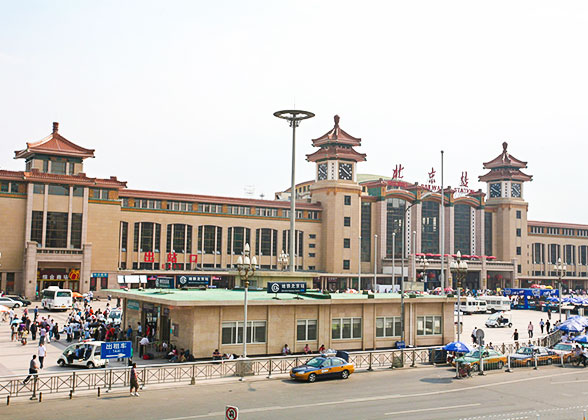
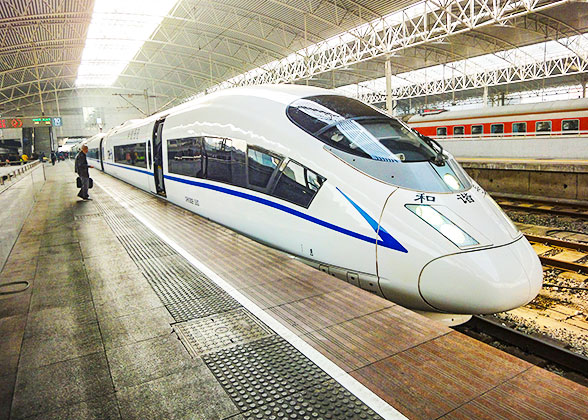
As one of the busiest long-distance bus transport hubs, Beijing has 8 coach stations operating buses to neighboring cities like Tianjin, Zhangjiakou ... There are ten major ones in downtown, including Liuliqiao Passenger Transportation Junction, Zhaogongkou Bus Station, Sihui Bus Station ……
Transportation to Major Destinations
How to Travel between Beijing and Shanghai: Train vs. Plane
How to Travel between Beijing and Guangzhou: Train vs. Plane
How to Travel between Beijing and Xi'an: Train vs. Plane
How to Travel between Beijing and Hong Kong: Train vs. Flight
Transportation to Other Cities
 |
| Subway Station |
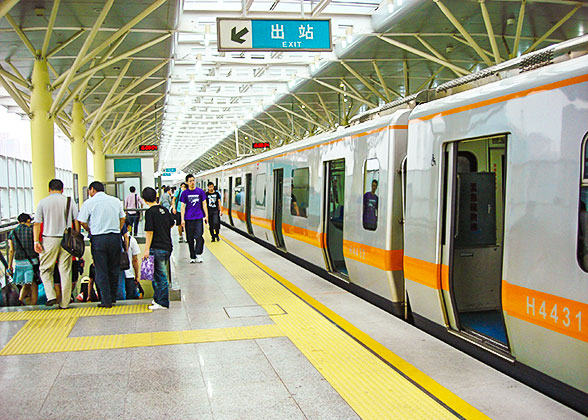
In 1971, the first subway line of this city was put into use, making it the first China city having subway. At present, 29 subway lines have been in operation, including two airport express lines and two tram lines. Due to the frequent traffic jams, the subway is the most time-saving transport means especially during rush hours.
Check out each subway line to know its route and schedule to better plan your trip.
Line 1, Line 2, Line 3 (not open yet), Line 4, Line 5, Line 6, Line 7, Line 8, Line 9, Line 10, Line 11, Line 13, Line 14, Line 15, Line 16, Line 17, Line 19, Daxing Line, Changping Line, Yizhuang Line, Fangshan Line, Yanfang Line, Line S1, Capital Airport Express, Daxing Airport Express (New Airport Line), Xijiao Line (Western Suburban Line), Yizhuang T1 Line
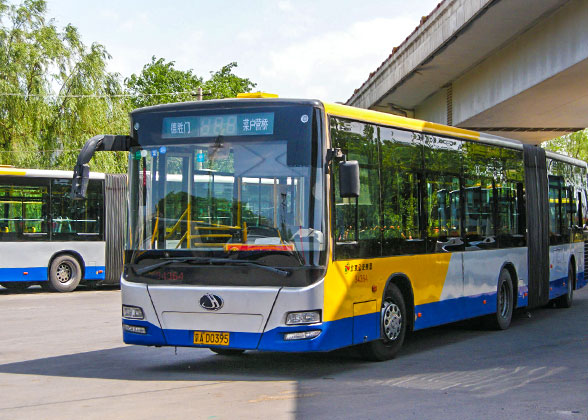 |
Over 1,200 bus routes are running in Beijing, including regular downtown lines, suburban lines, night lines and intercity lines. Payment by both cash and the Transportation Smart Card can be accepted. Bus / Subway Search Hub of Tour Dispatch: offering tourist buses to major attractions in and around the city, like Deshengmen Bus Station. Sightseeing Bus: 4 Dangdang bus lines & 3 city sightseeing bus lines to Tiananmen Square and Summer Palace Beijing Tourist Bus: 12 special lines and 5 holiday lines
About 67,000 taxis are in operation in Beijing to serve the public with the flag-down rate of CNY13 for the first 3km (2mi). The drivers would charge by meter for downtown travels, and ask for flat rates for long-distance trips. An 8-hour taxi rental with a driver may cost CNY500-800. The cost from Capital Airport to Badaling Great Wall is CNY600-800 for a round trip.
300,000 dockless sharing bikes run by DiDi Bike, Hello Bike and Meituan Bike are good supplements to the mass transit of Beijing city buses and subways. Internet access and mobile apps are a must to use these dockless bikes and they accept online payment by Apple Pay, Wechat Pay or Alipay.
Rickshaw
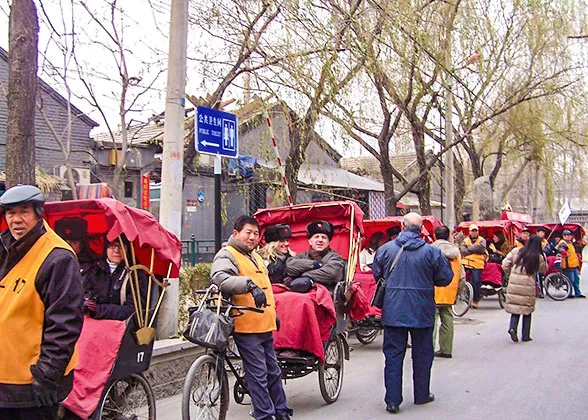 |
Rickshaw is a traditional form of transport. Nowadays, modern rickshaw travel is an excellent way to experience old Beijing culture and Hutongs (alleyways). After paying a negotiated fare, the rickshaw pullers will take you through the narrow lanes. Tourists can find the rickshaws at attractions like Nanluoguxiang, Shichahai and Houhai. The price is CNY100-200 depending on the duration and sometimes the extra service fee is charged. It is recommended to bargain for an exact price before boarding.
There are two types of Beijing smart transportation cards, Beijing Yikatong Card and Beijing Hutong Card with “China T-Union”that can be used in over 300 cities in China. Users can take their passports and go to the customer service centers of subway stations to apply for a deposit card. To top up the physical card, users can go to the service centers and self-service machines at subway stations.
 Reply
Reply 0
0 0ReplyReply00ReplyReply
Thank you
00ReplyReplyCan I take knitting needles as part of my carry on
00ReplyReply00Reply