Great Wall History
As dynasties rose and fell throughout history, the Great Wall endured cycles of construction, dilapidation, and reconstruction. Among all periods of building activity, the Qin, Han, and Ming dynasties made the most remarkable contributions. The Great Wall visible to visitors today predominantly refers to the structure built during the Ming Dynasty (1368 - 1644). Construction commenced in the 14th century and took over 200 years to assume its present form.
Zhou Dynasty Great Wall (1046 - 256 BC) - The Early Great Wall
The State of Chu was the first to build a defensive wall system, known as the “Chu Square Wall.” Historical records indicate it stretched nearly 1,000 kilometers (600 miles), positioned to the northwest and northeast of Chu’s capital to fend off incursions from powerful neighboring states. Subsequently, the States of Qi, Wei, Han, Qin, Yan, and Zhao successively erected their own defensive walls along their borders for mutual protection.
Read more:
Qin Dynasty Great Wall (221 - 207 BC) - The Unification of the Great Wall of China
|
|
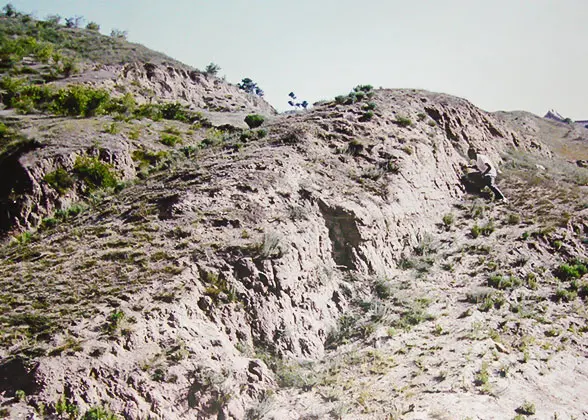
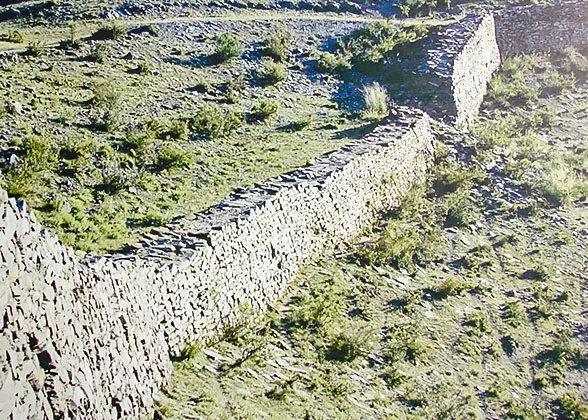
In 214 BC, the emperor dispatched General Meng Tian with 300,000 troops to campaign against the Huns in the north. After repelling the invaders, Meng Tian immediately oversaw the construction of new wall sections along the northern frontier. This gave rise to the continuous Great Wall that traversed China’s northern mountains, rivers, deserts, and plains. Primarily constructed of rammed earth with partial stonework, the Qin Great Wall boasted enhanced defensive capabilities compared to its pre-unification predecessors.
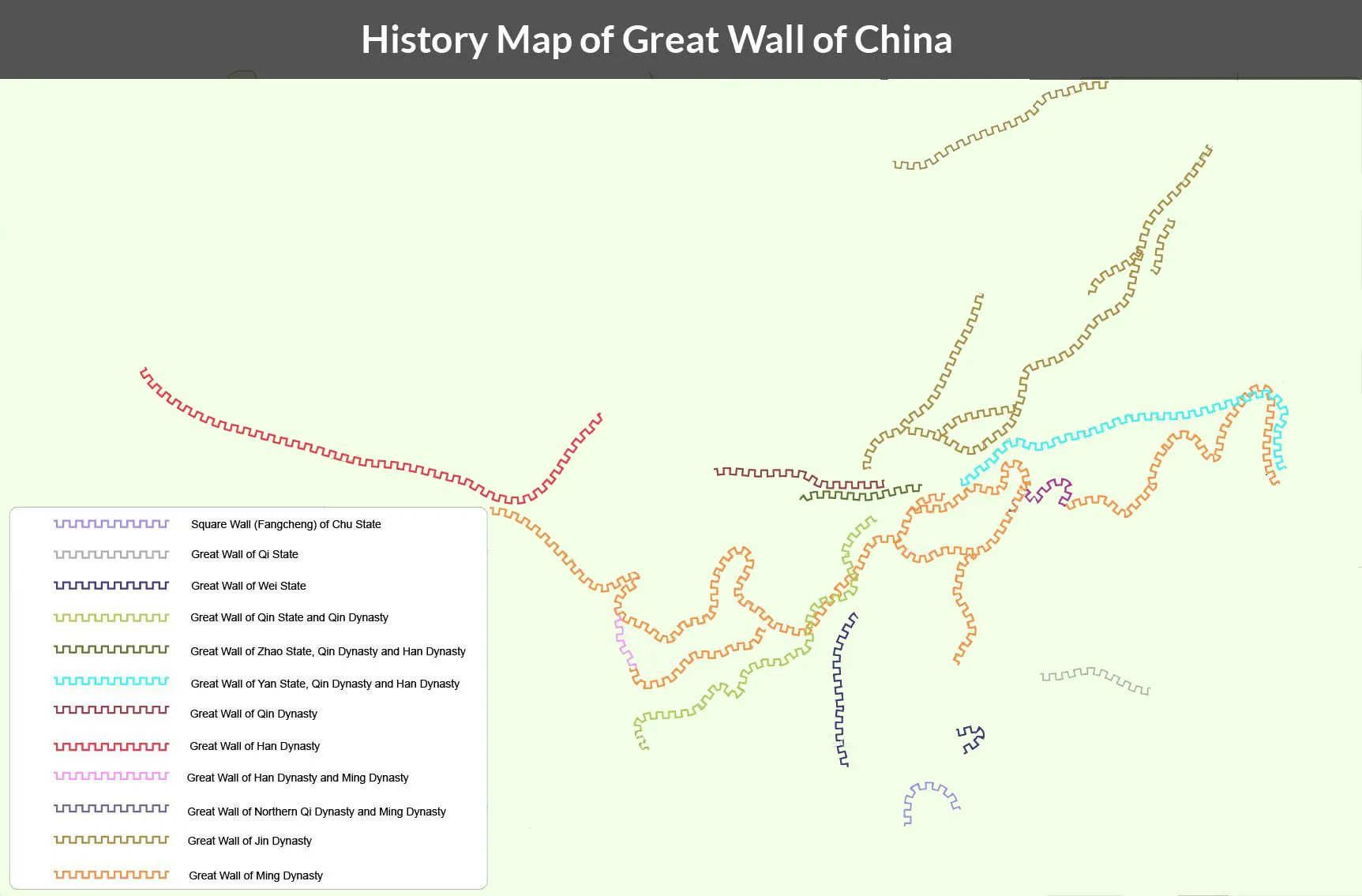 |
Great Wall History Map  Photos Maps Photos Maps |
Han Dynasty Great Wall (202 BC - 220 AD)
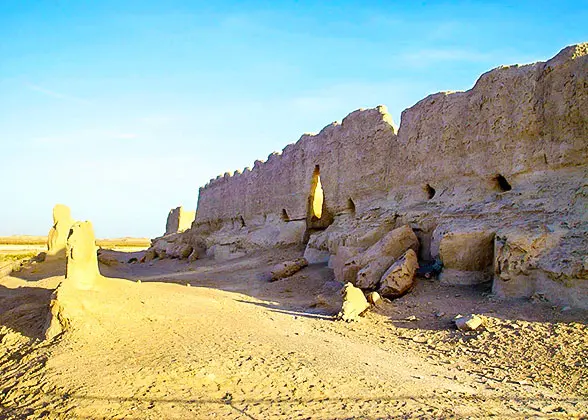
Emperor Wu of Han, Liu Che, further refined the Great Wall’s defensive layout, installing beacon towers at regular intervals to transmit military signals across garrison posts. Today, ruins of the Han Great Wall and its beacon towers can still be seen in Xinjiang, Gansu, Ningxia, Inner Mongolia, and other regions of northern and western China.
Jin Dynasty Great Wall (265 - 420)
Southern and Northern Dynasties Great Wall (420 - 589)
Sui Dynasty Great Wall (581 - 618)
|
|
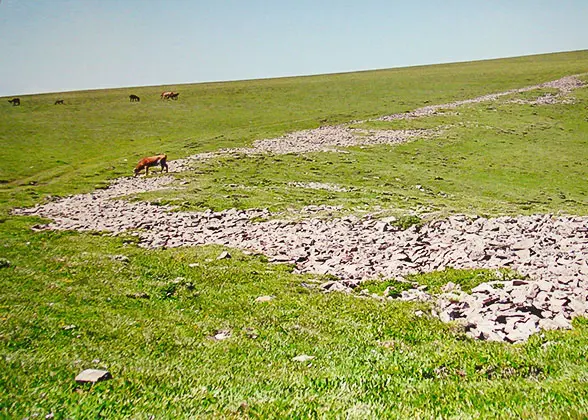
Tang Dynasty Great Wall (618 - 907)
Great Wall of Liao, Song, and Jin Dynastes (907 - 1234)
Though the Song Dynasty (960 - 1279) unified the Central Plains, it faced prolonged military confrontation with the Liao and Jin regimes in the north. Its territory lay south of the original Qin and Han Great Walls, which had fallen under Liao and Jin control. As northern invasions intensified, the Song territory retreated further south of the Yangtze River, far removed from the Great Wall’s location. Consequently, virtually no Great Wall construction took place under the Song Dynasty.
After defeating the Northern Song Dynasty, the Jin Dynasty (1115 - 1234) emerged as a dominant power in northeastern China, with its northwestern border adjacent to the rising Mongol tribes. To defend against Mongol incursions, the Jin regime launched large-scale Great Wall construction. Work on the northernmost Great Wall began in 1194 but was halted temporarily by drought and official opposition. Construction resumed in 1196 and was completed within three years, stretching approximately 1,650 kilometers (1,025 miles). The Jin Great Wall was integrated with moats, beacon towers, fortresses, and garrison camps to form a primary defensive network.
Read more:
Yuan Dynasty Great Wall (1271 - 1368)
Ming Dynasty Great Wall (1368 - 1644): The Golden Age of Great Wall Construction
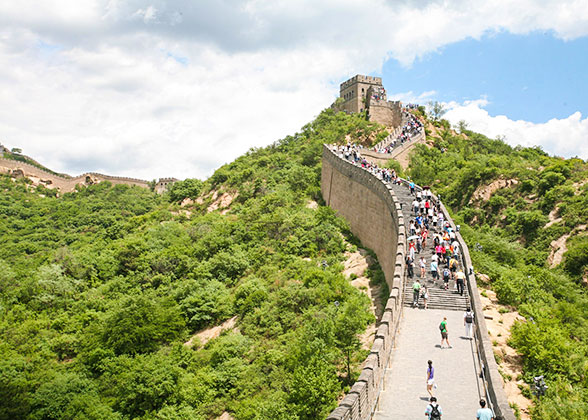 |
| Badaling section of Ming Dynasty, Beijing |
The Ming Dynasty marked the peak of Great Wall construction, with the vast majority of surviving wall ruins dating to this period. The Ming court carried out 18 large-scale renovation and expansion projects, resulting in a total length of 8,851.8 kilometers (5,500.3 miles).
Zhu Yuanzhang, the Ming founder and a former peasant uprising leader, possessed firsthand experience in siege warfare. Upon seizing power, he prioritized the construction of robust walls and frontier fortifications to consolidate his rule. As a result, not only were all prefectural and county city walls solidly built and fully bricked over, but Great Wall construction continued almost uninterrupted for over 200 years.
Engineering techniques for the Ming Great Wall advanced dramatically: it was predominantly built with bricks and stone blocks, standing 6 - 7 meters (20 - 23 feet) tall and 4 - 5 meters (13 - 16 feet) wide on average. At strategic strongpoints, hollow watchtowers and battlements invented by the renowned Ming general Qi Jiguang were installed, drastically boosting defensive effectiveness. Unlike earlier versions, the Ming Great Wall was no longer an isolated structure - it evolved into a fully integrated military defense system comprising passes, watchtowers, beacon towers, and interconnected wall sections.
Read more:
Great Wall Garrisons in Ming Dynasty
General Qi Jiguang Renovated Great Wall in the Northern Frontier
Qing Dynasty Great Wall (1644 - 1911)
No new construction has been undertaken on the Great Wall since the fall of the Qing Dynasty. Over time, countless sections suffered severe damage or disappeared entirely due to natural erosion and human activity. In the 1980s, growing public awareness of cultural heritage prompted large-scale restoration efforts on key sections of the wall.
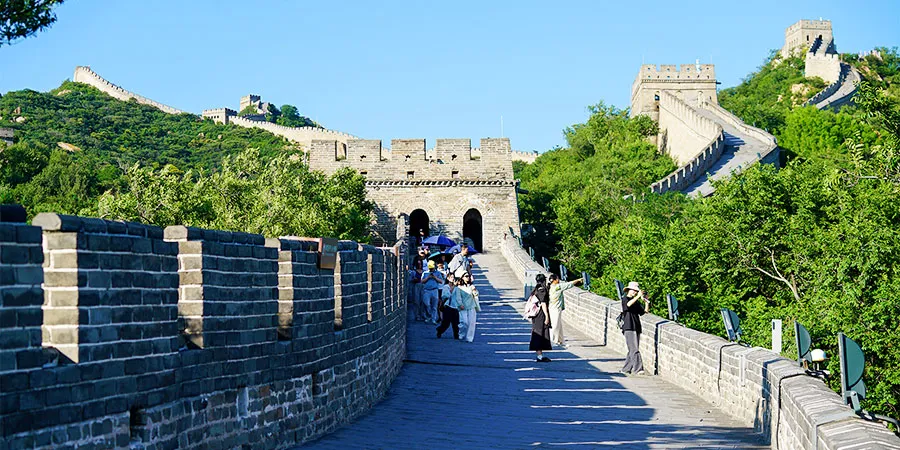 |
| The restored Great Wall |
In 1987, the Great Wall was inscribed as a UNESCO World Cultural Heritage Site, quickly rising to become one of the world’s most iconic tourist destinations. Today, famous sections of the Great Wall, such as Badaling, Mutianyu, Jinshanling, Juyongguan, and Simatai, attract hundreds of thousands of tourists every year.