Xi’an Biang Biang Noodles Cooking Class
Biang Biang Noodles Cooking Class: Hand-Pull & Calligraphy

- Itinerary
- Prices
- Reviews
Trip Highlights
- Savor the sense of accomplishment as you turn simple flour into a steaming bowl of delicious noodles.
- Learn secret recipes passed down through generations for Xi'an noodles from a local chef.
- Learn to write one of the most complex Chinese character - biang, with local friends.
- No commission-driven shopping stops - we dedicate maximum time to food tasting and immersive exploration.
- No optional paid add-ons to avoid overpriced tourist traps, ensuring a transparent, cost-effective experience.
This trip can be customized to meet your individual needs!
View More Videos
Hand-making Xi'an Biangbiang Noodles
What to Expect
Xi’an’s iconic Biang Biang noodles, named for the slapping sound during preparation, are belt-wide with a chewy, smooth texture. Now you can master the art of making them yourself! During this 3-hour hands-on experience at a time-honored Xi’an noodle restaurant, you’ll make and enjoy your fruits of labor just like a local. A professional English-speaking guide will accompany you throughout the experience, capturing memorable photos, and sharing insider tips on local eating customs. After the meal, learn to write the complex “biang” character and take your calligraphy as a souvenir.Itinerary Arrangement - From 14:00 to 17:00
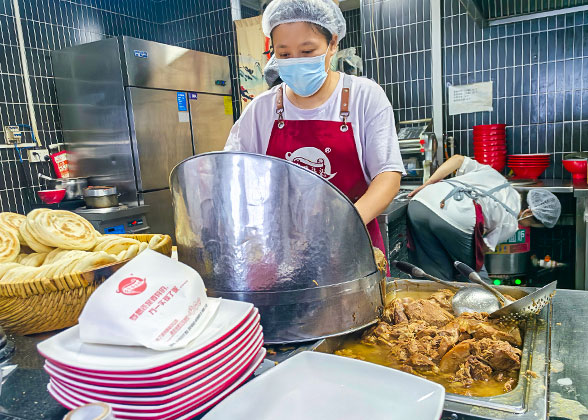
At 14:00, your guide will meet you in the hotel lobby and take you to this well-known noodle restaurant, which is always bustling with diners during meal times and draws many people from far and wide.When you arrive, the aroma of hot chili oil already fills the kitchen, and you can hear the sound of dough being slapped against the dough board. The chef will greet you warmly and then show you what the cooks are busy doing.
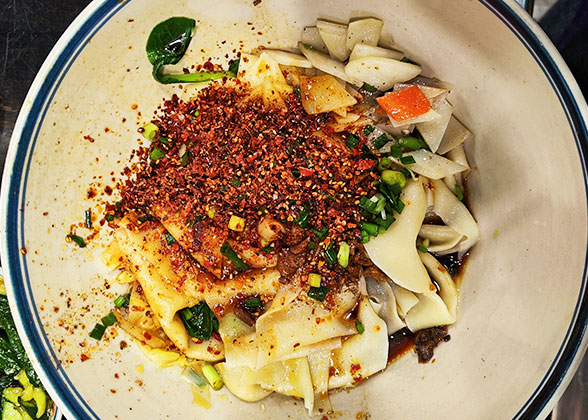
Xi’an Biang Biang Noodles
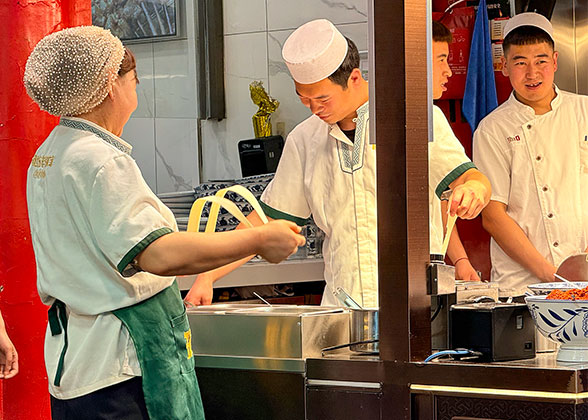
Chefs Pulling the Noodles
Then, set the dough aside to ferment for about 30 minutes. During this time, your guide will explain the essence of Biangbiang noodles: the simpler, the more aromatic. Authentic Xi’an noodles typically have three components: hot chili oil, minced garlic, and vinegar. The chili is made from Shaanxi’s local pepper, which is fragrant but not too spicy. Finely chopped garlic allows its flavor to penetrate the noodles. And the vinegar, fermented from a blend of grains in the Shaanxi tradition, is tangy and aromatic, yet refreshingly smooth without being harsh. With these simple seasonings, you can even savor the wheat’s natural sweet fragrance.
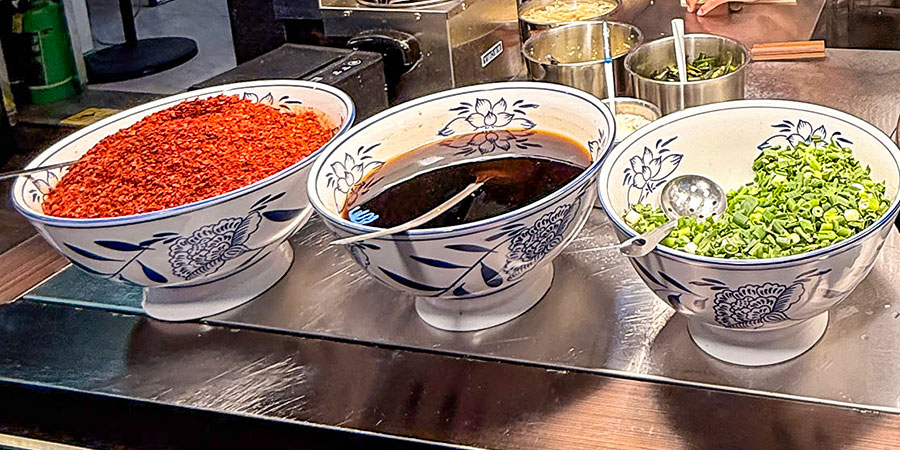
Various Seasonings for Biang Biang Noodles
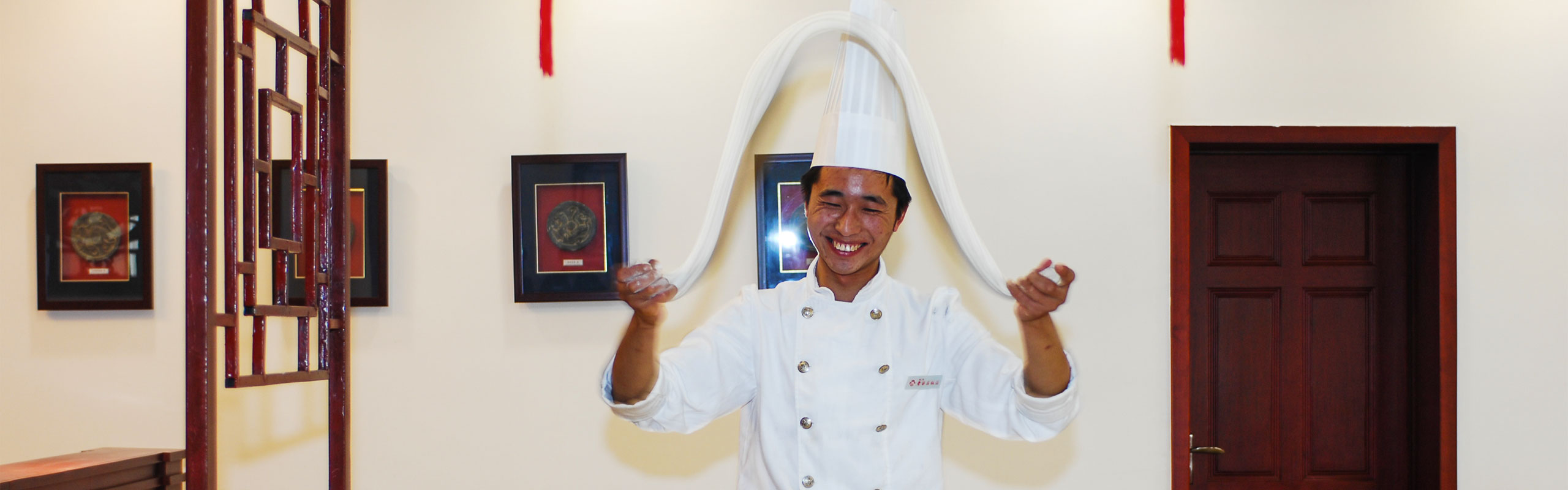
Then we need to roll each piece of fermented dough into an oval shape with even width and thickness. Now comes the most critical step, pulling the noodles. Hold both ends of the dough piece, gently stretch it, and then slap it firmly against the dough board. At this moment you will hear the famous sound of “biangbiang”. It is normal for your first few attempts to break or to turn out uneven. The chef will help adjust your technique and you will succeed after several tries. It may surprise you that a typical bowl of Biangbiang noodles contains only one or two strips, because each strip can be as long as your arm span and as wide as a belt.
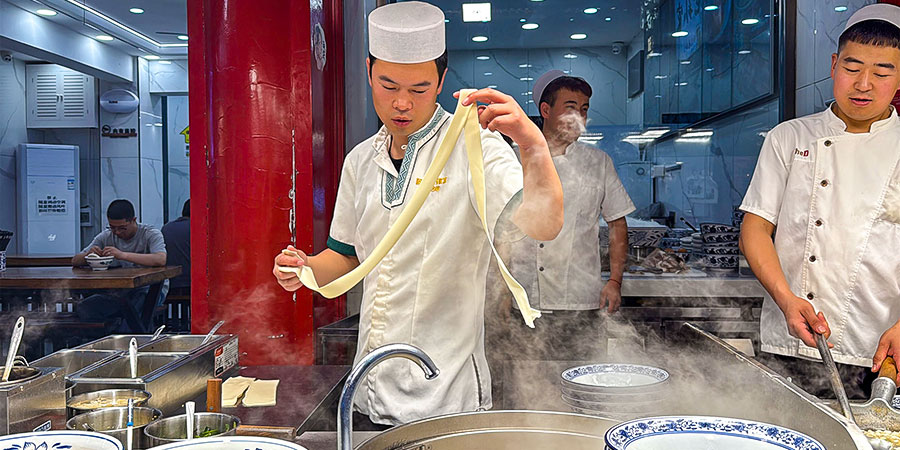
Pulling Long and Wide Biang Biang Noodles
When the noodles are mixed, you can try pairing them with a garlic clove. Shaanxi locals believe, “Noodles without garlic lose half their flavor.” Bite the garlic, take a big mouthful of noodles, then sip the soup to finish the meal.
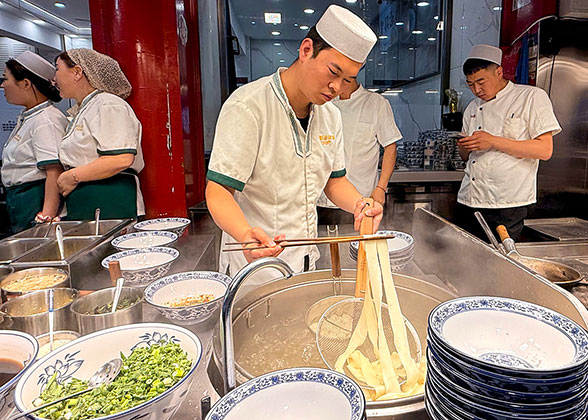
Putting Noodles into Boiled Water
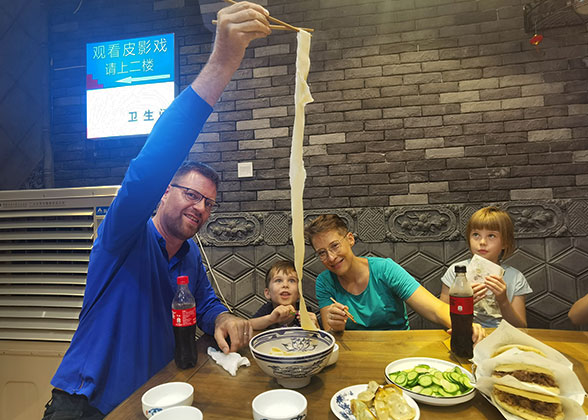
Our Guests Enjoy Biang Biang Noodles
After completing this enjoyable experience, your guide will take you back to your hotel. If you wish to continue exploring Xi'an sights or local delicacies, simply ask your guide for recommendations.
► Biang Biang Noodles Trivia:
It was, in fact, born of poverty. Before China's reform and opening-up in 1978, locals subsisted on coarse grains. To make them more palatable, they made a heavy, salty, spicy, and oily sauce with minced garlic, salt, chili oil, and soy sauce to eat with. Life later improved, but the taste remained, becoming a sensory hallmark of local cuisine. Back then, intense labor and sweating helped flush out the excess salt. Today, people eat the same bowl of such noodles but get little exercise, inviting early risks of diabetes, hypertension, and stroke. This has also driven the local incidence rate to among the highest in the country. Of course, an occasional indulgence is fine.
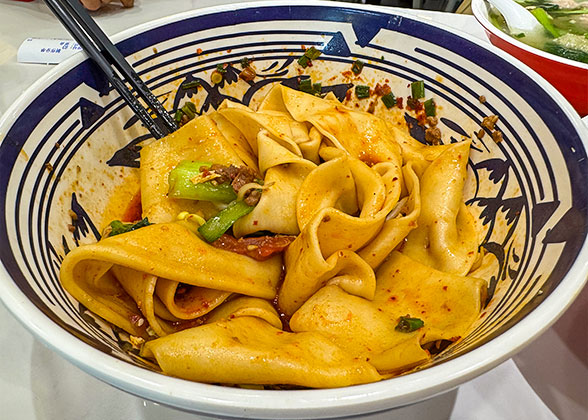
Mixed Biang Biang Noodles
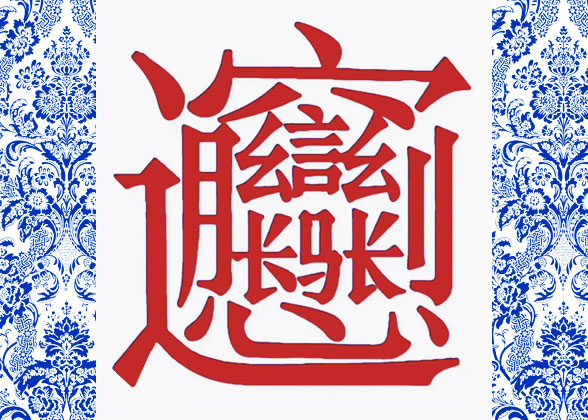
Complex Chinese Character Biang
This trip can be customized to meet your individual needs!
Tour Prices 2027 & 2028
| 1 traveler | 2-3 travelers | 4-5 travelers |
|---|---|---|
USD139 | USD89 | USD69 |
- If you are a group of 6 people or more, we will offer a more favorable price by your group size.
Price Includes
- Round-trip taxi between your hotel and restaurant
- Cooking class fee
- Dinner with your handmade Biang Biang Noodles
- Private English-speaking guide
Price Excludes
- Hotel accommodation
- Tips or gratuities to guide and driver
Itineraries you may also like: