In midsummer, July receives the highest temperatures and strongest sunlight of the year, as well as much rainfall. However, with large day-night temperature differences, though Inner Mongolia weather in July around noon is hot and scorching, it turns pleasant at night. Normally, the precipitation lasts for a short time, thus resulting in limited influences on your travel schedule. In July, natural views like grasslands are in the prime; Naadam festivals are also held throughout the whole region. Therefore, it is the best time to visit Inner Mongolia.

See also:
Hohhot Weather in July Yearly Highest Temperatures, But Acceptable
Although vast in area, the whole Inner Mongolia shares generally similar temperatures in July. With daytime high degrees hovering around 27 - 35 degrees Celsius (81 - 95 degrees Fahrenheit), July is the hottest month of the year. But it is bearable and the highest temperatures rarely exceeds 40°C (104°F). Only when keeping walking under sunshine around noon, you feel scorching and sweat much. Having a rest for several minutes in the shady places, you can stop sweating and cool down. Besides, the commonly blowing wind on the vast grasslands and deserts also brings away some heat for visitors. In a word, the high temperature is not a big deal for your sightseeing.
As the low values range from 12 to 20°C (54 - 68°F), Inner Mongolia climate in July turns pleasantly cool when night falls.
Peak Rainy Season
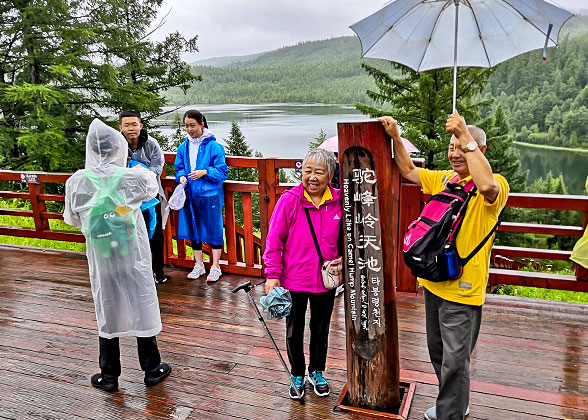 |
| Rainy Arxan National Forest in July |
With significant increase of precipitation, July marks the peak rainy season of Inner Mongolia and the average monthly precipitation is no less than 100 mm (3.94 in), a quite high level for this semi-arid area. With about 14 rainy days, it is safe to say that the weather of Inner Mongolia in July is a little rainy. But the specific amount varies among different parts: the south usually receives the most rainfall and the west the least.
The precipitation mostly falls in forms of moderate and brief downpour, but heavy rainfall and thunder storm also happen on occasions. Luckily, it seldomly keeps raining for the whole day or in consecutive days. It is also commonly seen that it rains heavily in some areas but remains sunny in nearby. In short, your trip won’t be disrupted a lot, though perhaps involving small adjustments.
Long Daytime, Intense Sunlight
Throughout July, the sun rises at around 4:00 - 6:00 from eastern Inner Mongolia to the west and sets at 20:44 - 19:40. The daylength shortens from about 16 hours at the beginning of this month to 14.5 hours at the end. Though the rainy condition is frequent, it doesn’t last long as mentioned above so its sunlight duration still averages about 9 hours per day, allowing most visits bathed under bright sunshine. Meanwhile, the UV index reaches 10, the yearly highest level. During clear days, the sunlight remains strong in the morning and turns scorching around noon. In view of the thin cloud cover, never slack on sun protection even in gloomy or cloudy days.
Best Time to Visit Inner Mongolia
It is widely recognized that July is the best time to visit Inner Mongolia.
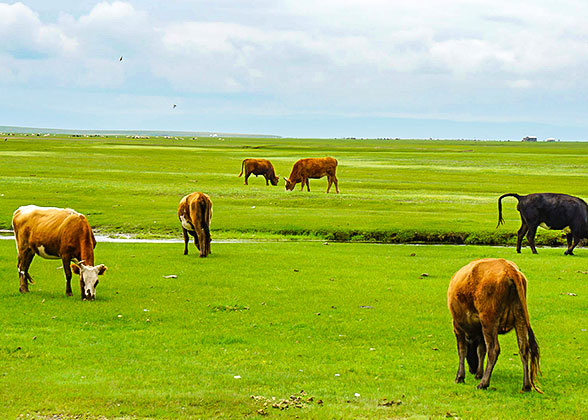
Except for the generally favorable climate of Inner Mongolia in July, lush grassland is another reason why a large number of visitors choose to travel there this time of the year. During this month, grasslands and mountains of the whole region have revived luxuriant and the wild flowers blossom. You can see the Moergele River meanders across
Hulunbuir Prairie like a jade belt where herds of horses and sheep are grazing.
 | | Lush Hulun Prairie | |  | | Naadam Fair in July | |
In addition, you can’t miss the distinctive Naadam Fairs held in July. Excellent competitions are held including wrestling, horse riding and archery. The interesting games and great cheers together create a lively atmosphere, which will definitely make you impressive. People of Mongol nationality dress in the traditional costumes and bring visitors wonderful performances.
What to Wear in Inner Mongolia in July?
Upper Body: In high summer, short-sleeved tops are the most recommended, but considering the strong sunlight, you had better wear thin sunscreen coats or shirts when staying under sunshine for a long time. Also, prepare jackets or trench coats for cool nights and 3-in-1 windbreakers for rainy days in mountain areas like
Arxan National Forest Park.
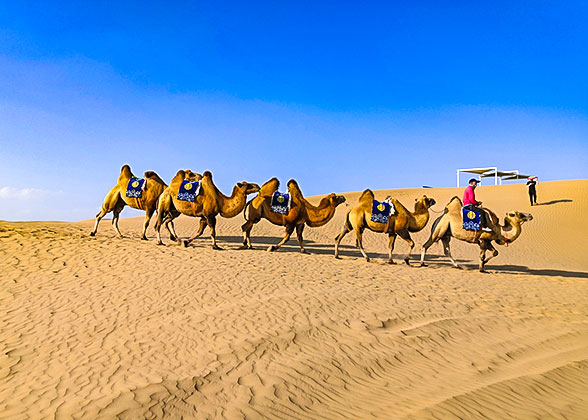
Lower Body: It is suggested to bring lightweight long trousers, such as loose jeans, flax sweatpants and thin jacket pants. Dress and shorts are acceptable only during urban tours since they are less convenient for some tourist activities like grass sliding on Xilingol Grassland and camel riding in Tengger Desert.
Shoes: Lightweight and breathable sneakers are the top choice for various landforms in Inner Mongolia. Comfortable sandals suit only urban attractions like
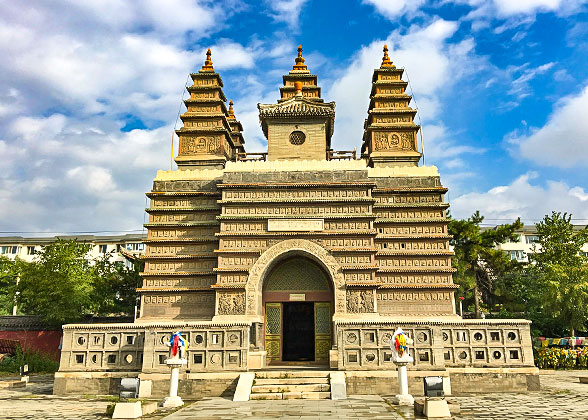
Five-Pagoda Temple and
Genghis Khan’s Mausoleum. Shoe covers are useful to prevent sand getting in when having fun in
Singing Sand Ravine as well as to keep your shoes dry and clean on rainy days.
Others: Sun protection is of great importance for visitors travelling to Inner Mongolia in July. Large sunhats, high-SPF sunblock and sunglasses are indispensable. Umbrella should be packed for both sunlight and rain prevention. If you are sensible to heat, a portable fan could help a lot. Don’t forget to bring mosquito repellent products for visiting the grassy areas.
Travel Recommendations and Tips for Inner Mongolia in July
1. In July, Naadam Fairs of different scales are held in different parts of Inner Mongolia; the date also varies. The largest ones in the past years were held in Xilingol, Hinggan and Hulunbuir, but the specific information about Naadam Fairs in 2027 is still unknown. If you are interested in the relevant activities, please keep close eyes on it so as to settle down your schedule as early as possible. As July is the peak travel season, you should book hotels, and flights tickets in advance to enjoy relatively low prices.
 |
| Camel Riding in Deserts |
2. When travelling to deserts, much attention should be paid to prevent heatstroke and sunburn. You are suggested to visit there in the morning and avoid outdoor activities during burning middays when you can take a rest in the hotel or at dining halls of the attractions. In the afternoon when the sunlight is less intense, you can continue your desert exploration.
3. To decrease the impact of rainy condition on your plan, you had better check the forecast frequently so that timely adjustments can be made and a smooth trip ensured. However, the rainfall sometimes is not forecasted, so raingear should be prepared at any time in case that it rains suddenly in the vast grasslands with a few shelters.
- Last updated on Aug. 07, 2026 by Gabby Li -