The terracotta warriors, each crafted with unique facial features, clothing, and expressions modeled after real soldiers from the
Qin Dynasty (221 - 207 BC), share one surprising trait: every terracotta warrior figure has single eyelids. This uniformity raises curiosity, as it contrasts with the diverse eyelids seen in people today.
There are three main explanations for this phenomenon: it may reflect the genetic prevalence of single eyelids among the pure Han Chinese at that time; the originally painted double eyelids might have flaked off centuries of underground burial; or craftsmen intentionally designed single eyelids to give the soldiers a stern and commanding appearance.
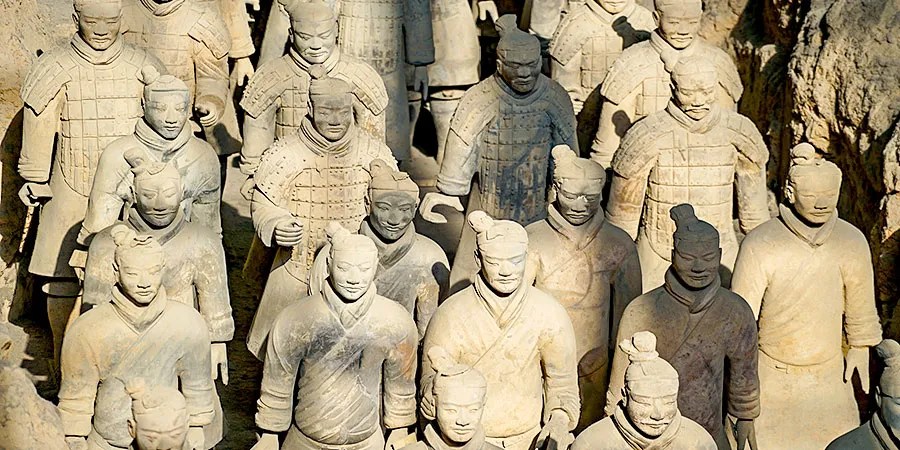 |
| Infantry Warriors with Single Eyelids |
1. Reflected the dominant Pure Han Chinese genes during the Qin and Han dynasties.
From a genetic perspective, single eyelids were common among the pure Han Chinese at that time. The ethnic composition in the Central Plains was quite uniform, with limited intermarriage with external groups, which led to the dominance of the single eyelid gene among early Chinese populations. Furthermore, analyses of murals from the
Han Dynasty (206 BC - 220 AD), sculptures from the
Tang Dynasty (618 - 907), and DNA from ancient remains confirm that the single eyelid gene made up a relatively high percentage of the population. Features such as red phoenix eyes, flat noses, and single eyelids were seen as characteristic of pure Han Chinese. Therefore, creating the terracotta warriors with single eyelids more accurately reflects the historical reality and aesthetic ideals of that period.
2. The Originally Painted Double Eyelids Flaked Off.
It is highly likely that these terracotta warrior figures were originally made with both single and double eyelids, similar to how people look today. However, the double eyelids were probably not carved but painted on using mineral-based pigments, just like the vibrant colors used for their clothing and other features. Over more than 2,200 years underground, the terracotta warriors faced many challenges, including fires, collapses, floods, and long-term exposure to moisture and harmful substances in the soil. These factors caused the painted layers to deteriorate significantly.
By the time the warrior figures were excavated, most of the original pigments had already flaked away and then faded. In cases where the color stayed attached somewhat better, the sudden change in environment upon being unearthed, especially exposure to air and drying, caused the remaining pigments to peel off within minutes or hours. This rapid degradation would have affected the delicate painted double eyelids. As a result, what we see today are mostly terracotta warriors with single eyelids.
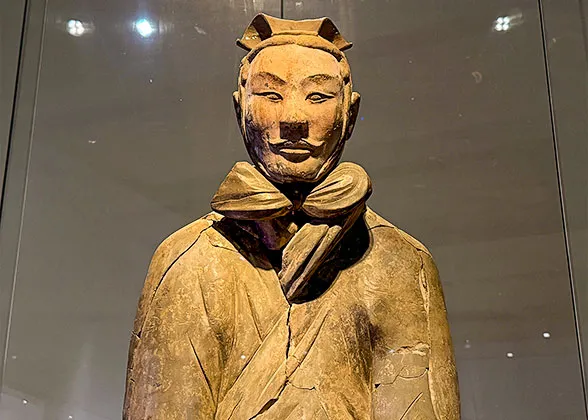 | | Civil Official Figure with Single Eyelids | | 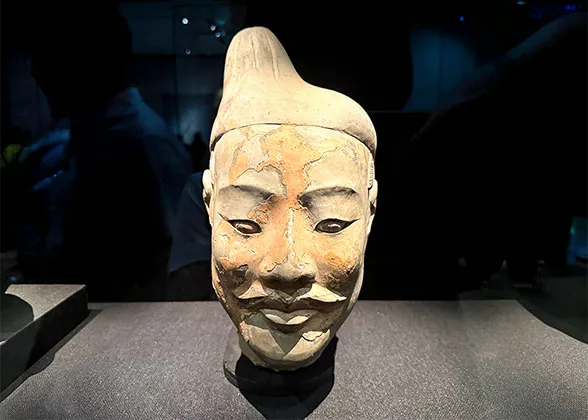 | | Single Eyelids of Colored Terracotta Warrior | |
3. Single Eyelids Better Suit the Soldiers' Images
Compared to double eyelids, single eyelids often create a colder, more serious, and stern appearance, which better fits the authoritative and commanding presence needed for a military force. In contrast, double eyelids can appear softer and more approachable. As symbols of the Qin dynasty's army, the terracotta warriors' single-eyelid design serves to highlight the soldiers' perceived bravery, determination, and intimidating presence. This artistic choice thus more effectively conveys the formidable strength of the entire underground army and enhances the soldiers' intended role and character.
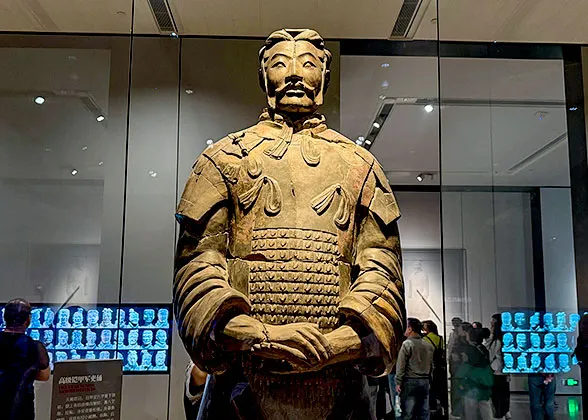 | | Stern High-ranking Officer | | 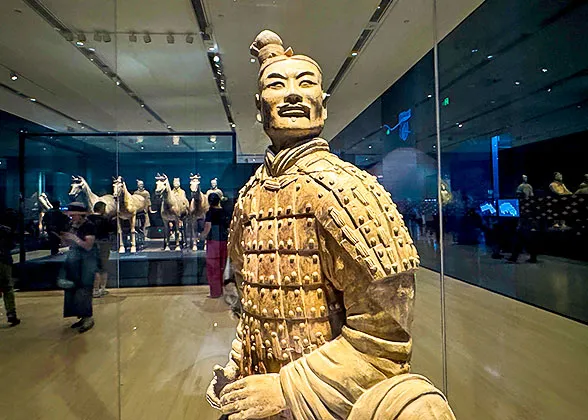 | | August Kneeling Archer | |
- Last updated on Oct. 23, 2025 by Doris Xue -
 Further Reading:
 Terracotta Army