Best Time to Visit Chongqing
Based on the climate, the best times to visit Chongqing are spring – March to May and Autumn – September to November, with mild temperatures, limited rainfall, and beautiful seasonal views. Another major advantage of these two seasons is moderate crowd levels. Apart from public holidays during these periods, attractions are generally manageable, travel costs are well affordable, and lines in front of photo spots are not very long. Visitors can explore the city at a relaxed and enjoyable pace.
See More in: Chongqing Weather
From March to May, the temperatures in Chongqing gradually rise, and the winter’s damp chill fades away, making it comfortable to walk in the city zones and explore the mountain areas. Plus, in terms of rainfall, Chongqing in spring experiences relatively lower precipitation. Besides, rain is mostly in the form of drizzle, which won’t influence outdoor activities a lot.
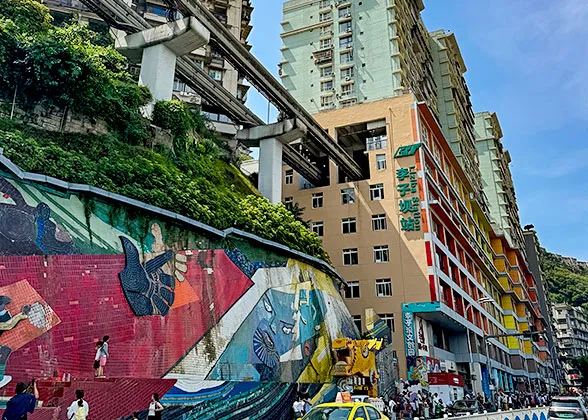
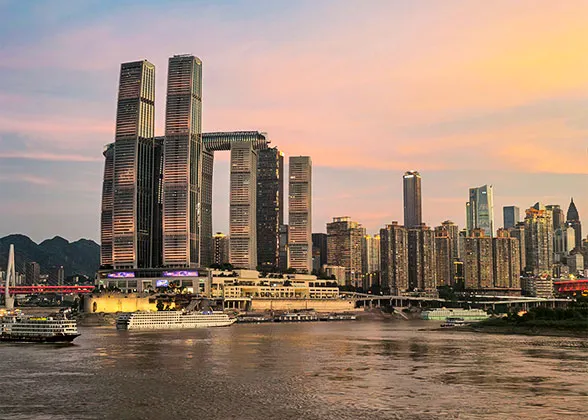
Although Chongqing is well-known as a foggy city, the fog in the spring is not as severe as in the winter, because of rising temperatures. So the visibility will improve significantly, perfect for appreciating an 8D cityscape and river scene.
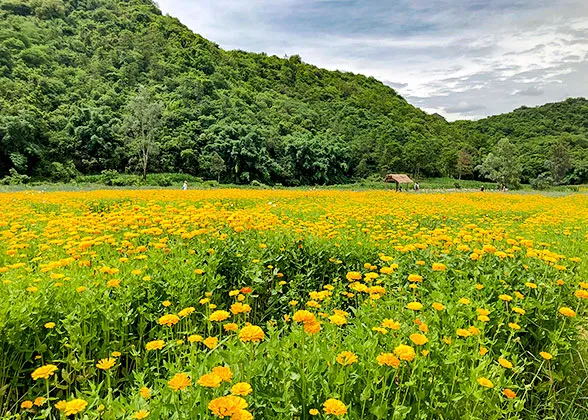
Spring is also when flowers bloom across the city and surrounding areas. Cherry blossoms, rapeseed flowers, peach blossoms, and tulips appear one after another in parks, botanical gardens, and even suburban hills. Places like Nanshan Botanical Garden and nearby countryside areas become especially photogenic.
After enduring Chongqing’s intense summer heat, the city turns cool gradually from September to November. By late September, the daytime highs drop to under 30 degrees Celsius (86 degrees Fahrenheit), and the oppressive humidity eases, so visitors won’t have any uncomfortable feelings for outdoor travel.
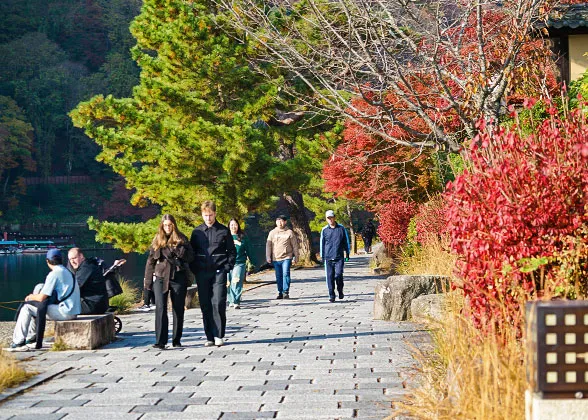
Autumn is also the best season for natural scenery. Forested areas and mountain regions like Fairy Mountain of Wulong begin to show autumn colors, with layered forests and misty valleys creating dramatic landscapes. Urban areas like Central Park also offer a colorful and vibrant fall foliage view.
You need to notice that there is relatively thick fog in the early morning and evening in the autumn season. But mist adds a kind of atmosphere to the view, which is a unique feature in Chongqing. It’s best to arrange outdoor sightseeing that requires clear skies around 10:00-16:00.
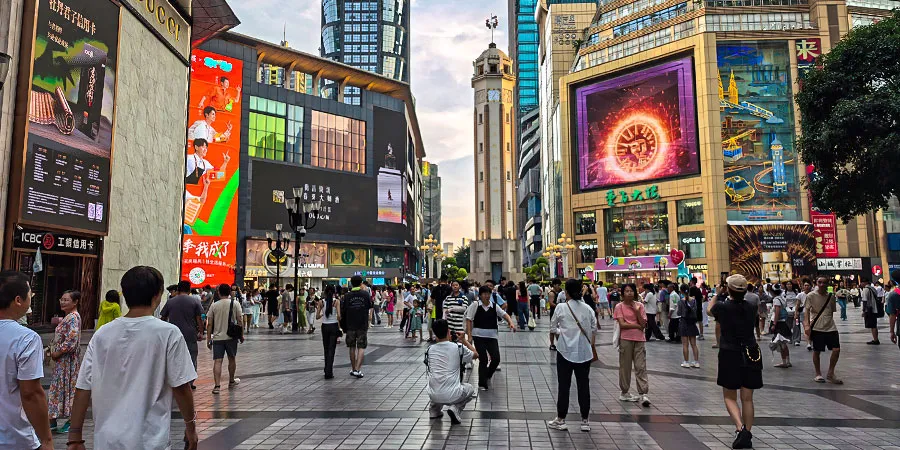
Considering July and August are Chinese school summer holidays, family tours and student trips are at their peak all around China. Chongqing, as a popular tourist city, sees quite a large number of visitors. Popular attractions like Hongya Cave, the Yangtze River Cableway, and Liziba Light Tram Station become extremely congested. Long lines and traffic congestion are common, and hotels often cost you a pretty penny.
In terms of weather, Chongqing’s nickname “Furnace” explains a lot. Summer daytime highs regularly reach 35-40°C (95-104°F), and the perceived temperature is even higher due to Chongqing’s high humidity. Spending more than 20-30 minutes outdoors at midday can be physically exhausting. Even after sunset, the heat tends to linger. Besides, July and August also mark the rainy season in Chongqing: rainfall increases, featuring sudden heavy downpours and nighttime thunderstorms.
However, you should know that mountain areas offer cooler temperatures, fresh air, prosperous natural views and a relatively quieter travel experience.
In addition to the summer holiday, the following public holidays in 2026 also make Chongqing full of tourists and are recommended to avoid:
1. Chinese New Year: February 15th -23rd
2. Qingming Festival: April 4th -6th
3. May Day Holiday: May 1st -5th
4. Dragon Boat Festival: June 19th -21st
5. Mid-Autumn Day: September 25th -27th
6. National Day Holiday: October 1st -7th
7. New Year’s Day: January 1st
If you fail to avoid these periods:
1. To reduce travel costs and have a smooth travel experience, it’s essential to book train tickets and hotels in advance.
2. Start your day early and try to get to the popular attractions as early as possible to avoid crowds.
3. Avoid scheduling multiple key attractions in a single day whenever possible, in case you feel crowded the whole day or fail to finish your travel plan because the crowded attractions slow your traveling pace.
4. Nearby mountain districts tend to be calmer. If you can’t stand the crowds in the urban area, why not plan a day tour at Jinfo Mountain or Wulong Karst National Geology Park?
June sits in a gray area. It’s warmer than spring but not as extreme as July and August. Daytime temperatures typically range from 26-33°C (79-91°F), and while precipitation is considerable, the rain is mainly brief downpours in the afternoon, which is still manageable for travelers.
From a crowd perspective, June has noticeably fewer visitors than July and August, making it easier to book hotels and quieter to visit popular attractions. Note that some schools begin their summer vacation by late June, meaning possible increasing numbers of tourists.
Winter is the low season in Chongqing, due to its cold, humid and foggy climate, which brings certain challenges that can affect your travels. For example, frequent and heavy fog will reduce visibility, significantly impacting your sightseeing experience and increasing traffic risks. Damp coldness can be uncomfortable for a long time outdoors, especially on overcast days.
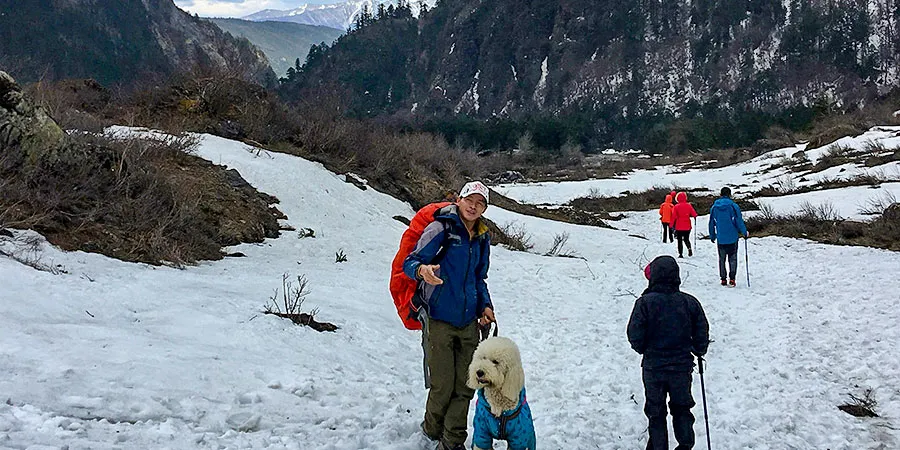
But there are still some things that may attract you. Places like Wulong and Jinfo Mountain have stunning snowy views and various snow activities. Besides, the city witnesses the fewest tourists, meaning a more budget-friendly and leisurely travel experience.
See More in: Chongqing Weather
Spring: Favorable Weather and Flowers Everywhere
Although Chongqing is well-known as a foggy city, the fog in the spring is not as severe as in the winter, because of rising temperatures. So the visibility will improve significantly, perfect for appreciating an 8D cityscape and river scene.
Spring is also when flowers bloom across the city and surrounding areas. Cherry blossoms, rapeseed flowers, peach blossoms, and tulips appear one after another in parks, botanical gardens, and even suburban hills. Places like Nanshan Botanical Garden and nearby countryside areas become especially photogenic.
|
|
Autumn: Shaking off the Heat and Enjoying Fall Foliage View
Autumn is also the best season for natural scenery. Forested areas and mountain regions like Fairy Mountain of Wulong begin to show autumn colors, with layered forests and misty valleys creating dramatic landscapes. Urban areas like Central Park also offer a colorful and vibrant fall foliage view.
You need to notice that there is relatively thick fog in the early morning and evening in the autumn season. But mist adds a kind of atmosphere to the view, which is a unique feature in Chongqing. It’s best to arrange outdoor sightseeing that requires clear skies around 10:00-16:00.
|
|
Time to Avoid Visiting Chongqing
Crowded, Rainy, and Stuffy Peak Season: July and August
In terms of weather, Chongqing’s nickname “Furnace” explains a lot. Summer daytime highs regularly reach 35-40°C (95-104°F), and the perceived temperature is even higher due to Chongqing’s high humidity. Spending more than 20-30 minutes outdoors at midday can be physically exhausting. Even after sunset, the heat tends to linger. Besides, July and August also mark the rainy season in Chongqing: rainfall increases, featuring sudden heavy downpours and nighttime thunderstorms.
However, you should know that mountain areas offer cooler temperatures, fresh air, prosperous natural views and a relatively quieter travel experience.
 |
| Crowded City Center During Summer Vacation |
Crowded and Expensive Public Holidays
1. Chinese New Year: February 15th -23rd
2. Qingming Festival: April 4th -6th
3. May Day Holiday: May 1st -5th
4. Dragon Boat Festival: June 19th -21st
5. Mid-Autumn Day: September 25th -27th
6. National Day Holiday: October 1st -7th
7. New Year’s Day: January 1st
Tips
1. To reduce travel costs and have a smooth travel experience, it’s essential to book train tickets and hotels in advance.
2. Start your day early and try to get to the popular attractions as early as possible to avoid crowds.
3. Avoid scheduling multiple key attractions in a single day whenever possible, in case you feel crowded the whole day or fail to finish your travel plan because the crowded attractions slow your traveling pace.
4. Nearby mountain districts tend to be calmer. If you can’t stand the crowds in the urban area, why not plan a day tour at Jinfo Mountain or Wulong Karst National Geology Park?
Not Bad Month to Visit: June
June sits in a gray area. It’s warmer than spring but not as extreme as July and August. Daytime temperatures typically range from 26-33°C (79-91°F), and while precipitation is considerable, the rain is mainly brief downpours in the afternoon, which is still manageable for travelers.
From a crowd perspective, June has noticeably fewer visitors than July and August, making it easier to book hotels and quieter to visit popular attractions. Note that some schools begin their summer vacation by late June, meaning possible increasing numbers of tourists.
Low Season: December to February
But there are still some things that may attract you. Places like Wulong and Jinfo Mountain have stunning snowy views and various snow activities. Besides, the city witnesses the fewest tourists, meaning a more budget-friendly and leisurely travel experience.
 |
| Snowy Mountain View in Wulong District |
Recommended Tours

- Last updated on Jan. 09, 2026 by Rachel Hou -