As the first, largest, and most opulent imperial mausoleum in Chinese history, the
Mausoleum of Emperor Qin Shi Huang is known to contain many priceless cultural relics. A natural question then arises: why not excavate the mausoleum to uncover these treasures? The answer is deliberate and involves multiple considerations, outlined below.
1. Current Limitations in Cultural Relics Preservation Technology
In the past, due to underdeveloped preservation techniques, the hasty excavation of cultural sites, such as the
mausoleum of Emperor Zhu Yijun in Beijing, led to tragic and irreversible damage to numerous relics once they were exposed to air. Similarly, when the Terracotta Warriors were first uncovered, the delicate painted layers on their surfaces quickly curled and flaked off shortly after exposure to environmental changes, leaving the earthen warriors we see today. These instances show that excavating the mausoleum of
Emperor Qin Shi Huang (259 BC - 210 BC) without advanced preservation methods would cause damage.
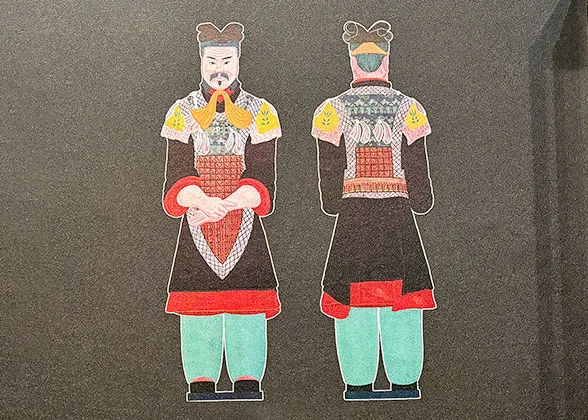 | | Originally Colored Terracotta Warriors | | 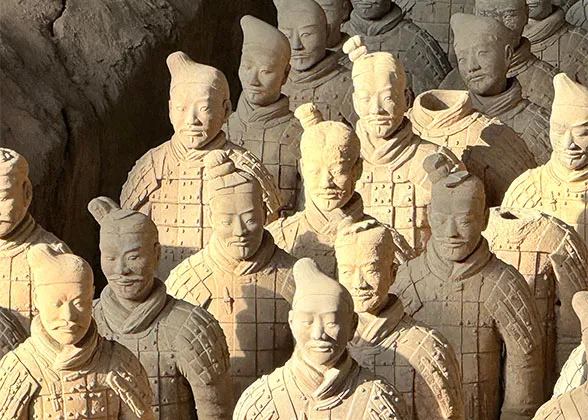 | | Today's Grey Terracotta Warriors | |
Being China's largest imperial mausoleum, Qin Shi Huang's tomb is believed to contain a vast collection of valuable relics. Having been buried underground for over two thousand years, many of these relics may have already become fragile due to long-term environmental stress. Preserved in a highly stable underground environment, these relics could suffer rapid, catastrophic, and irreversible deterioration when exposed to the outside air. Hasty excavation could cause structural collapse, harming both the relics and the site itself. Experts have therefore emphasized that any excavation must be backed by reliable guarantees for the effective preservation of its contents.
2. Immense Scale and Complex Structure Pose Formidable Excavation Challenges
The monumental scale and intricate architecture of the Qin Shi Huang Mausoleum present an unprecedented engineering challenge. Covering a total area of approximately 56 square kilometers (22 square miles), the site features a burial mound that still stands over 70 meters (230 feet) high. The mausoleum consists of two main parts: the earthen mound above ground and the underground palace below. The underground palace is located about 35 meters (115 feet) below the surface. Even with today's technology, carrying out a full excavation and ensuring careful preservation is extremely challenging. For any large-scale archaeological excavation, it is unfeasible to just dig a few holes to access the mausoleum. A thorough excavation would first necessitate the careful removal of the large amount of earth making up the burial mound, which would result in the loss of this priceless historical structure.
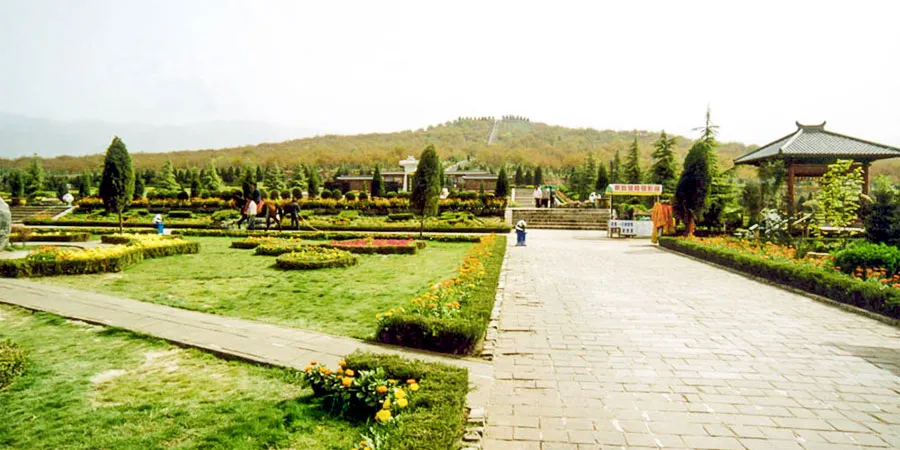 |
| Part of Qin Shi Huang's Mausoleum |
Besides, simply clearing this layer in an archaeological manner could take centuries and would permanently affect the site's integrity. For comparison, archaeologists have spent more than 50 years excavating only about one-third of the three main
Terracotta Army pits. The Qin Shi Huang Mausoleum covers an area roughly 1300 times larger than these pits, and it is unclear how many more years would be needed to complete its excavation.
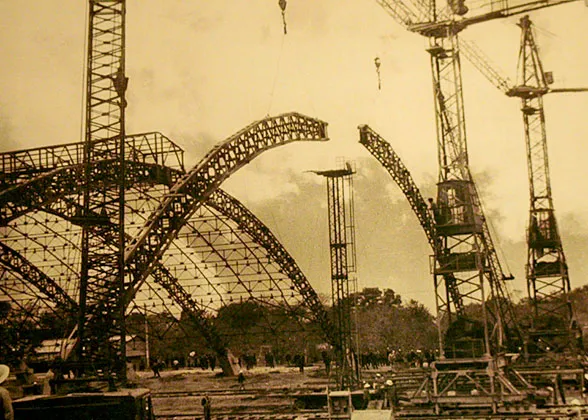 |
| Construction of Pit 1's Protective Hall |
Additionally, such an effort would require constructing a permanent protective shelter covering the entire complex, similar to the halls over the Terracotta Army pits, a project filled with its own challenges. To protect every cultural relic, the use of bulldozers, excavators, and explosives would be banned, meaning extensive manual labor would be necessary over a long period. This would slow down the process and call for a large shelter to shield the site from harsh weather. Any mistake during excavation could cause irreversible damage to the mausoleum and its surrounding environment. Last but not least, excavating such a large site would need vast human and financial resources, and without adequate funding, it would be hard to start or maintain.
3. Extreme Mercury Content and Complex Underground Mechanisms Cause Significant Safety Hazards
Historical records describe the underground palace as using mercury to simulate rivers and seas, a description that has been supported by modern technology. Surveys have confirmed exceedingly high mercury levels in the tomb's central area, with concentrations in the mound soil exceeding normal levels by more than seventy times. Under these conditions, any excavation could directly threaten the health of archaeologists and nearby residents. Even more concerning, improper handling during excavation that results in mercury leakage could cause serious environmental safety issues.
In addition, historical documents suggest the underground palace is exceedingly deep and may contain numerous mechanical traps and anti-theft devices. Although thousands of years have passed, the current condition and potential risks of these mechanisms remain unknown, and accidentally triggering them could pose serious threats to archaeological personnel.
4. Prevailing Cultural Relics Policy Prioritizes Preservation
Currently, China's policy for imperial mausoleums focuses on preservation over excavation, guided by the principle of "preserve first, excavate only when necessary." The guiding philosophy is to avoid active excavation whenever possible, based on lessons from past archaeological work: if relics remain in a relatively stable state underground, it's safer not to disturb them. Delaying excavation helps prevent irreversible damage, and keeping heritage intact for future generations with better technology is a wiser and more responsible choice.

Further Reading:
 Underground Palace of Qin Shi Huang Mausoleum What did Qin Shi Huang die from? Hu Hai – 18th Son of Emperor Qin Shi Huang Fu Su – Emperor Qin Shi Huang's Eldest Son 15 Little-Known Facts About the Terracotta Army History of the Terracotta Army
- Last updated on Jun. 03, 2026 by Sherry Xia -