Mutianyu Great Wall History
Why Is It Called Mutianyu Great Wall?
At this time, a scholar came to the village. He told the villagers, “Do not rely on apricots for survival; switch to farming, and you will survive.” From then on, the villagers began to grow crops for their livelihood. Apricot Valley was renamed Mutian Valley, meaning “Valley Aspiring for More Fields.” The Great Wall built here was also named Mutianyu Great Wall after the village name.
The Construction History of Mutianyu Great Wall
|
|
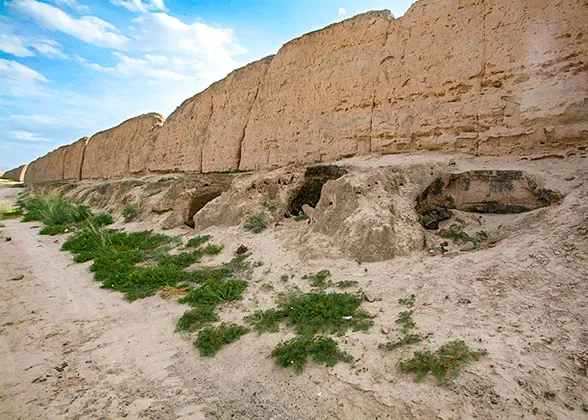
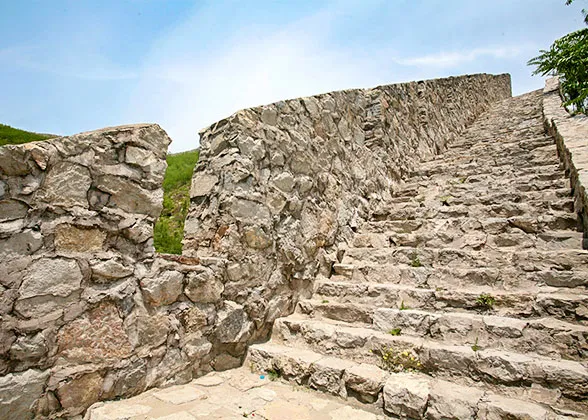
In 1368, shortly after the founding of the Ming Dynasty, Emperor Zhu Yuanzhang (1328 - 1398) ordered the overhaul and expansion of the Great Wall to repel Mongol raids from the north. Under the command of General Xu Da (1332 - 1385), construction unfolded atop the ruins of the Northern Qi Great Wall, with Mutianyu emerging as a pivotal segment of this grand defensive project.
A milestone came in 1404 with the completion of Mutianyu Pass, now known as Zhengguan Terrace. Comprising three interconnected watchtowers, this architectural ensemble stands as an iconic landmark of Mutianyu Great Wall, embodying the ingenuity of Ming military engineering.
|
|
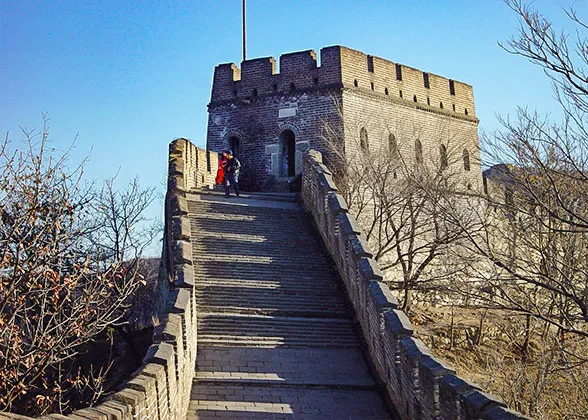
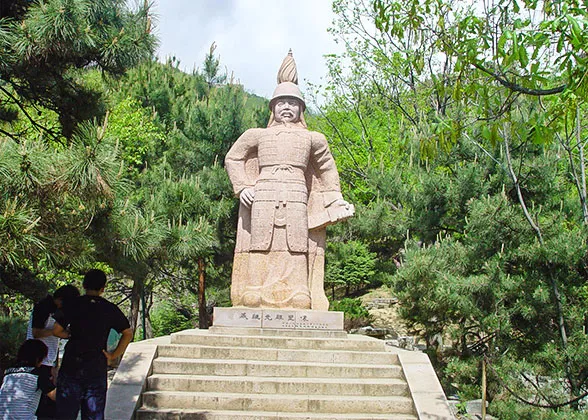
By the mid-Ming Dynasty, to fortify the capital’s northern defenses, the renowned general Qi Jiguang (1528 - 1588) was summoned from southern China. Recognizing Mutianyu’s strategic significance, he personally oversaw its reinforcement in 1569, strengthening walls, adding beacon towers and watchtowers, and refining its defensive layout to render it virtually impenetrable. What we witness today is largely the grandeur of Mutianyu Great Wall as shaped by Qi Jiguang’s vision.
The Protection and Development of Mutianyu Great Wall
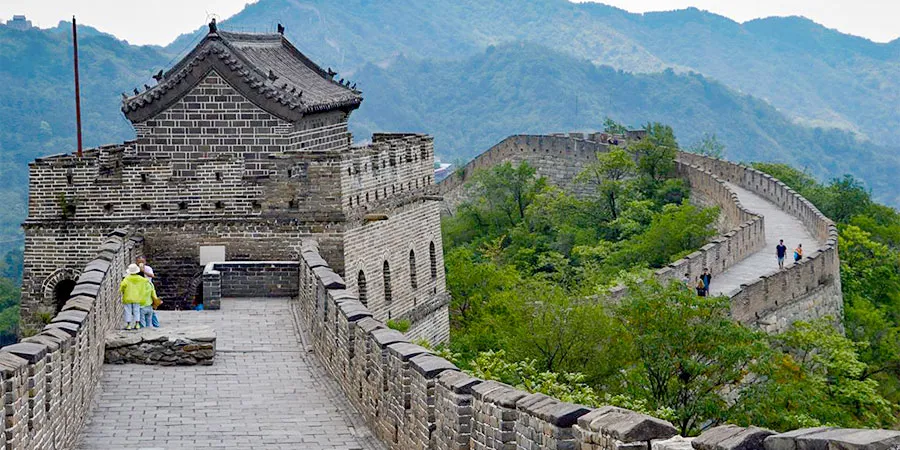 |
| The restored Mutianyu Great Wall |
After two years of trial operation, Mutianyu Great Wall opened its gates to domestic and international visitors on April 29, 1988, swiftly establishing itself as a premier tourist destination renowned for its pristine architecture and scenic vistas.
In 2000, further development transformed it into a comprehensive scenic area, with upgraded tourism facilities enhancing visitor experience while preserving its historical integrity.
The year 2011 marked a significant milestone when Mutianyu was designated a National 5A-level Tourist Attraction - a recognition that elevated its conservation standards and management practices. Today, it welcomes millions of travelers annually, serving as a living testament to China’s architectural heritage.
|
|
You may like:
Mutianyu Great Wall Construction
General Qi Jiguang Renovated Great Wall in the Northern Frontier
How to Travel from Beijing to the Mutianyu Great Wall
Visiting the Mutianyu Great Wall: Toboggan, Cable Car, or Chairlift?
Mutianyu Weather: Great Wall Weather Forecast & Clothing Tips
Recommended Tours



- Last updated on Sep. 29, 2026 by Sherry Xia -