Best Time to Visit Lhasa

Best Months to Visit Lhasa: May - October
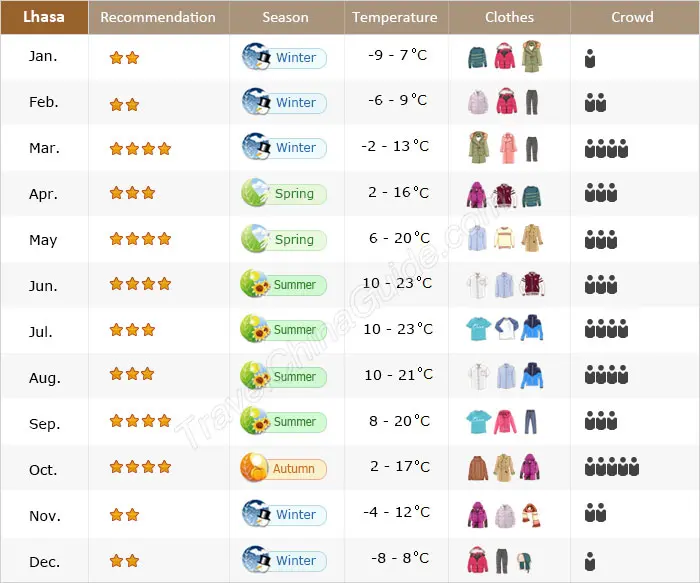
May through October is widely considered the best time to visit Lhasa. During this period, Lhasa offers the most comfortable temperature, the most diverse scenery, and higher oxygen levels. The advantages of May-June, July-August, and September-October differ slightly: 
Lhasa in May with Perfect Weather
 

May - June

During this period, precipitation in Lhasa is at a moderate level of the year, with plenty of sunny days and an exceptionally blue sky - ideal conditions for sightseeing and photography. Besides, the daytime is warm and comfortable by this time, though the nighttime can still be a bit chilly. In terms of natural scenery, various flowers such as peach blossoms and alpine rhododendrons are in bloom, and the grasslands and trees begin to turn a pale green. Additionally, this period sees the fewest tourists and the lowest admission prices among the three periods.
 

July - August

Weather: Even in the height of summer, the high altitude keeps the temperature of Lhasa warm and comfortable, but not hot. Though this is the rainy season when the city sees frequent rain, you can still have a wonderful trip, since Lhasa’s rain mostly falls at night and is rarely continuous. Therefore, on the forecasted rainy days, you will likely only hear the patter of rain as you fall asleep, and find the sun shining brightly and the air crisp and fresh upon waking in the morning. Additionally, this is the season with the longest daylight hours of the year, allowing you to gain more sightseeing time.

Scenery: This is when the scenery of Lhasa is at its most vibrant. The grass and trees turn a deep green, and wildflowers bloom everywhere. With these touches of greenery, both cultural landmarks like the Potala Palace and Norbulingka, as well as natural wonders like Yamdrok Lake and Namtso Lake, become even more beautiful and captivating.
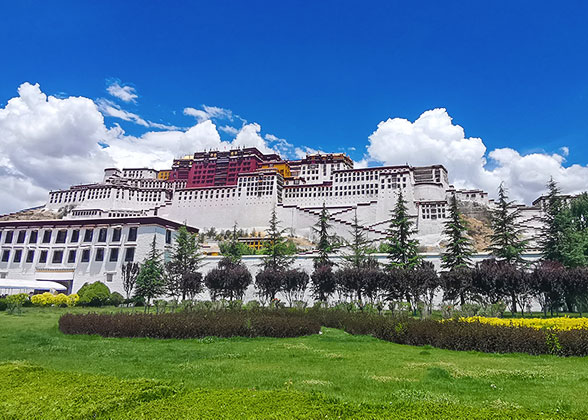
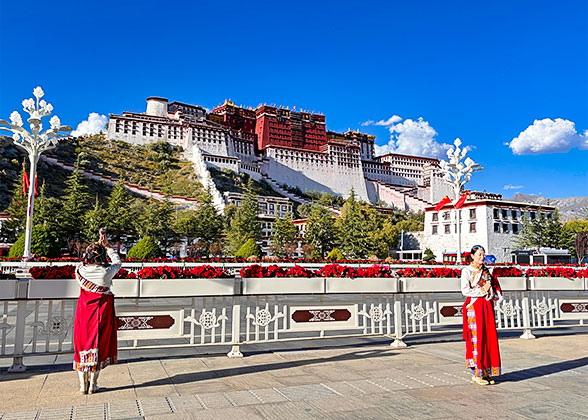
Potala Palace in June
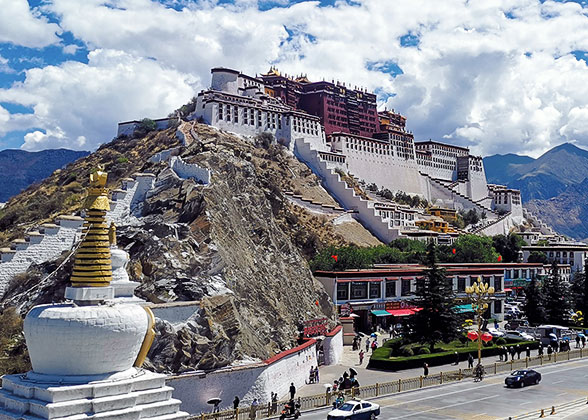
Potala Palace in July
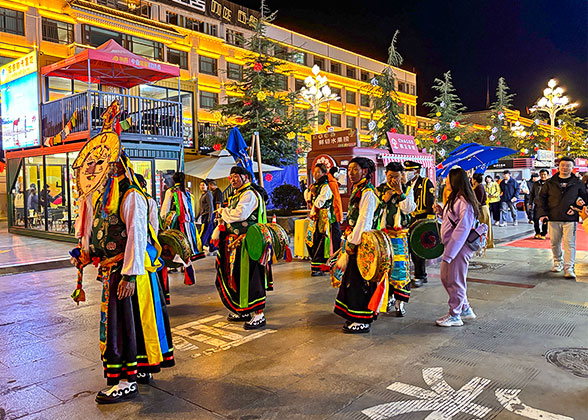
Lively Night of Lhasa in Summer
 

September - October

Overall, the weather of Lhasa during this time is ideal for travel: First, the temperature is cool and cozy. Second, although there is some rain, as in July and August, it tends to fall mainly at night. Moreover, these two months mark the transition between the rainy season and the dry season, so the clouds become fewer and the skies are growing increasingly clear. Another appealing feature is that the leaves turn golden and the grasslands take on a warm yellow hue, creating a unique autumn view.
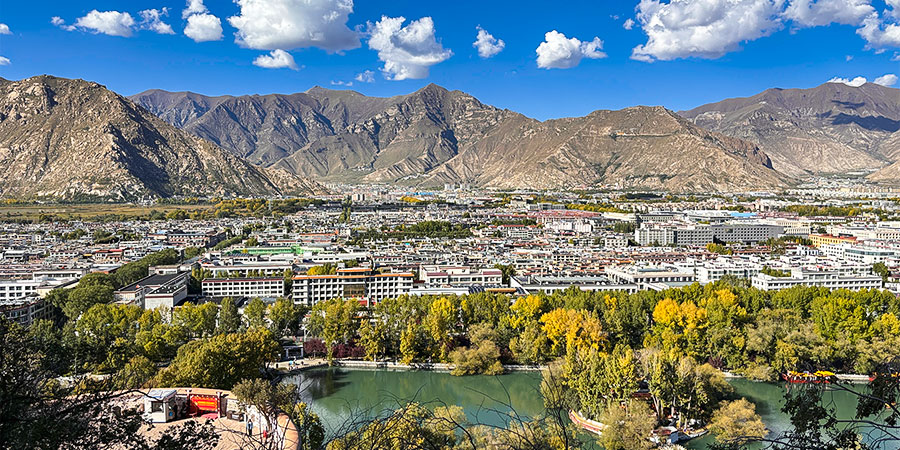
Beautiful Lhasa in September & October
 

Tips

1. The two long holidays - May Day holiday in early May and National Day holiday in early October - are when Lhasa is at its busiest, so be sure to avoid them if possible. Additionally, as mentioned above, May and June are the least crowded times of the three periods, while July and August, months of China’s summer holiday, are much more crowded. If you prefer the scenery in July and August, be sure to plan your itinerary well in advance.
2. During these periods, the sun’s rays in Lhasa are extremely intense, so sun protection is a top priority during your visit.
3. There are usually the Saga Dawa Festival to commemorate Shakyamuni Buddha and the Namtso Lake Thawing Festival in May, and the lively Shoton Festival to taste Tibetan yogurt and watch Tibetan opera in August.


November - April: Cold but Quiet & Cheap Time for A Lhasa Trip

Over this period, the climate of Lhasa turns colder and the oxygen levels drop, making it the slack season. If you want to experience a quieter Lhasa or have a budget-friendly trip, and are in good physical condition, you can consider visiting the city during these months. Specifically:
 

Advantages of Visiting Lhasa from November to April

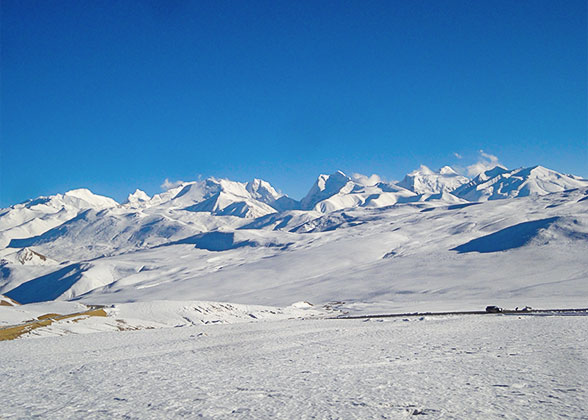
1. The weather is almost always sunny, with a deep blue sky and the best visibility of the year. The snow-capped peaks of the Nyenchen Tanglha and Namcha Barwa ranges are visible in their entirety almost every day.
2. The snow-covered scenery of the Potala Palace, the view of the sunlight turning the snow-covered mountain peaks a golden yellow, and the blue ice of Namtso Lake are unique highlights during this time of year.
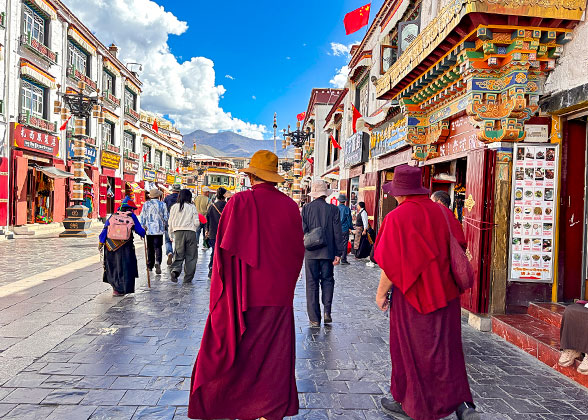
3. The number of tourists is quite small, so you won’t have to wait in line at the Potala Palace or the Jokhang Temple. Barkhor Street is also quiet, allowing you to experience authentic Tibetan life.
4. Prices for hotels, flights, and some attraction tickets are relatively low.
View of Potala Palace in December
Snow View of Namtso Lake
 

Disadvantages of Visiting Lhasa from November to April

1. The temperature is generally low, with extreme temperature fluctuations between day and night: the daily high is around 5-15°C (41-59°F) and the daily low ranges from -10 to 0°C (14-32°F).
2. The air is very dry, making lips, noses, and skin prone to cracking.
3. Oxygen levels are low, and the likelihood of altitude sickness is much higher than in May-October. So, this season is not suitable for the elderly or those with weak cardiovascular or respiratory systems.
4. Higher-altitude destinations such as Namtso Lake and Mount Everest may experience heavy snow, with some roads closed, leading to travel restrictions.
5. There is none of the summer greenery, and the vegetation is withered and yellow.
 

Tips

1. Cold weather makes you more susceptible to colds and serious altitude sickness. Therefore, during your trip:
(1) Be sure to avoid strenuous activities such as running or jumping. Try not to schedule any activities on the first day to allow your body time to acclimate.
(2) Stay warm and drink plenty of hot water. For example, dry your body and hair thoroughly after showering, and always wear a warm hat when going out for sightseeing.
(3) Avoid alcohol and do not overeat.
(4) Get plenty of rest and try not to stay up late.
(5) If you feel unwell, seek help immediately.
2. Of course, March and April of spring and November of autumn are a little bit warmer than winter months from December to February.
3. The Tibetan New Year, which may fall in February or March, is indeed a great time to experience Tibetan folk customs. However, please note that traveling to Lhasa during this period may present some inconveniences:
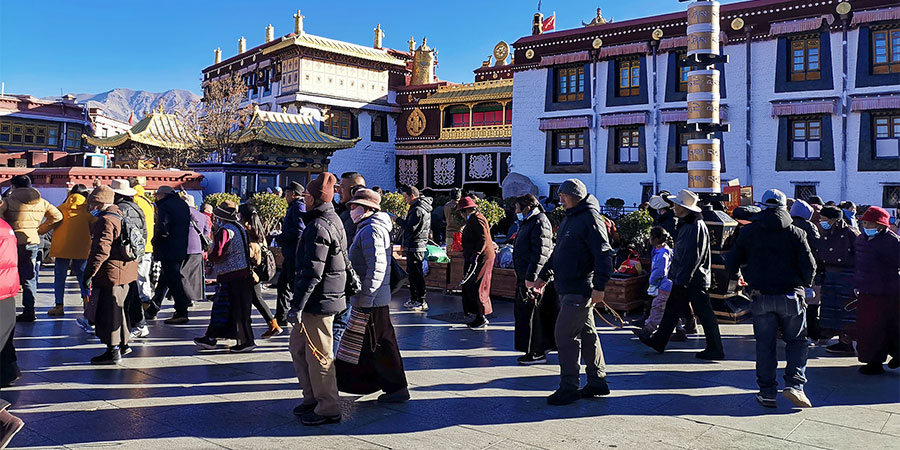
Crowded Barkhor Street during the Tibetan New Year
Crowded Lhasa during the Tibetan New Year

(1) Some attractions will be crowded, such as Barkhor Street, where Tibetan New Year’s goods are sold, as well as the Jokhang Temple and the Potala Palace, where locals go to pray for blessings.
(2) Many restaurants and shops will be closed.

Lhasa Weather by Month

- Last updated on Jun. 16, 2026 by Demi Li -