Shanghai Museum on People's Square
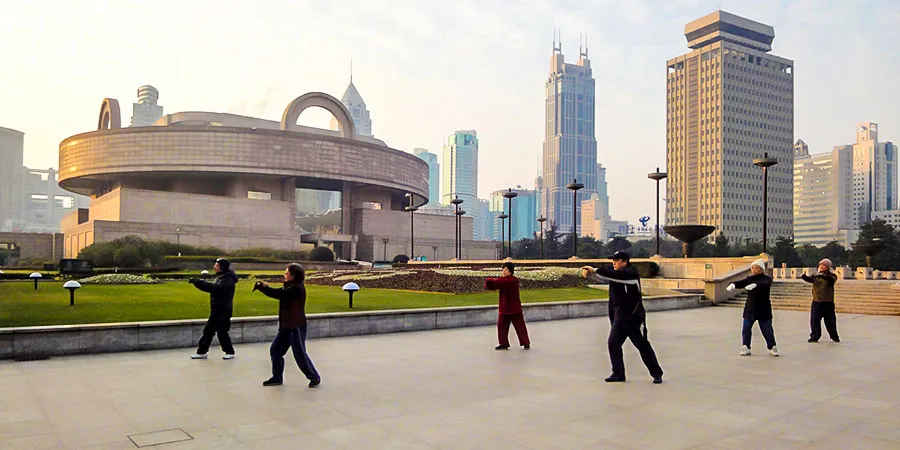
Located at People’s Avenue in Huangpu District and opened to the public in 1996, the Shanghai Museum on People’s Square covers an area of 38,000 square meters (9.39 acres), resembling an ancient bronze ritual vessel from afar. It is the former site of the Shanghai Museum, and most of its thematic exhibitions have been moved to the newly opened Shanghai Museum East in 2024. Currently, the Shanghai Museum on People’s Square features two permanent galleries, which mainly display furniture from China’s Ming and Qing dynasties and various handicrafts from Chinese ethnic minorities. Besides, there are special exhibition halls. Most of the exhibits in these halls come from voluntary donations by private collectors, focusing on specialized art categories such as crafts of Ming and Qing dynasties and calligraphy and paintings. Beyond that, the museum has been devoting to the exhibition of foreign cultural relics and continues to acquire more from around the world.
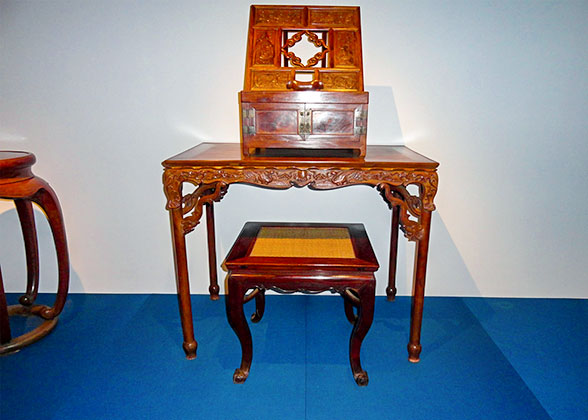
This gallery showcases exquisite Chinese furniture, mainly from the Ming (1368–1644) and Qing (1644–1911) dynasties, including beds, chairs, tables, shelves, and cabinets. In early ancient China, people mostly sat on the floor. Over time, their seating habits gradually shifted from floor-sitting to raised sitting with legs hanging down. This change can be clearly seen in the design of some ancient furniture. Compared with the previous ages, the Ming and Qing dynasties represent the golden age of traditional Chinese furniture making, yet their styles differ greatly. Ming furniture is known for its simplicity, elegance, balanced structure, smooth lines and harmonious proportions. By contrast, Qing furniture emphasizes grandeur, favoring elaborate patterns, carvings and inlaid decorations. If you look at the details of these exhibitions, you’ll gain a clear understanding of the distinct aesthetic standards of both periods and be fascinated with their superb craftsmanship.
Must-see relics:
1. Black Lacquered Cabinet
—from Qing Dynasty
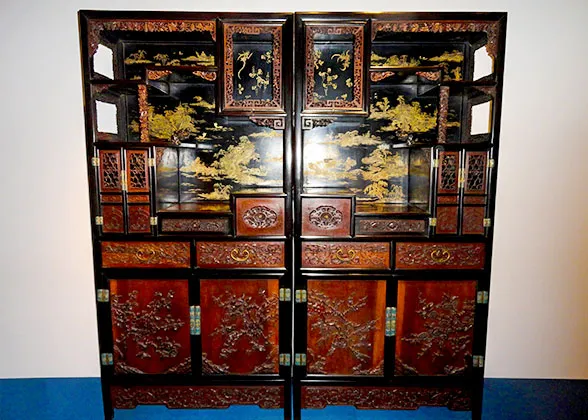
It’s a fine black lacquered cabinet with golden painted landscapes. The drawers and doors are made of high-quality wood, with beautiful enamel hinges. Inside, the shelves are arranged at different heights, specially designed to show off small antiques. This kind of furniture characterized by luxurious appearance and lavish decorations was very popular in the upper class of the time.
2. Imperial Throne with Matching Screen
—from Qing Dynasty
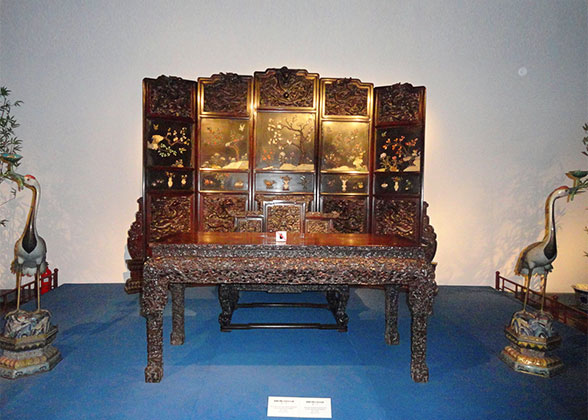
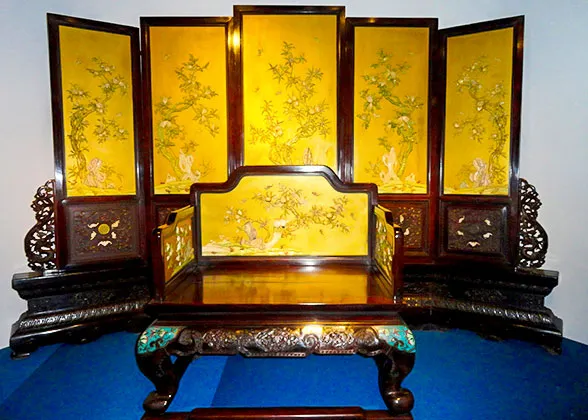
This set of furniture includes a spacious and comfortable imperial throne and a grand and elegant matching screen. Made of rosewood, they are decorated with gold lacquer and inlaid with delicate ivory carvings. These carvings closely imitate the natural forms of pomegranates, peaches, and Buddha’s hands, among which bats are flying leisurely. The entire scene is prosperous and full of vitality, symbolizing “fertility, good fortune, and longevity”.
Due to differences in ecological environment, production methods, and historical changes in various regions, different ethnic groups in the vast land of China have emerged, along with diverse and rich cultures of different styles. Delightfully, visiting this gallery that collects the characteristic handicrafts of various ethnic groups from all over the country, you’re able to experience the colorful ethnic culture without leaving Shanghai. The exhibitions are divided into several sections, which involves clothing, dyeing & weaving & embroidery, metalwork, carvings, lacquerware, rattan & bamboo weaving, and mask arts. Through these artifacts, visitors can develop a deeper appreciation of the long history of Chinese ethnic minorities’ craft culture and splendid artistic aesthetics.
Representative relics:
a. Silver Eagle-shaped Ornament
—from Tajik nationality
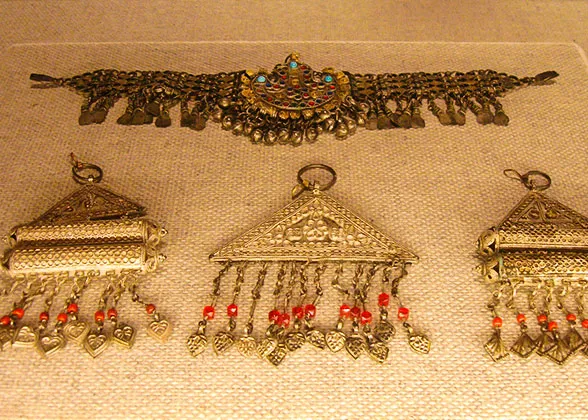
The main body of this ornament is made of silver and is crafted using traditional techniques such as hammering, engraving, and bead threading. Some parts are also set with colored gemstones and red beads.
b. Shoes with Upturned Toe
—from Dong minority
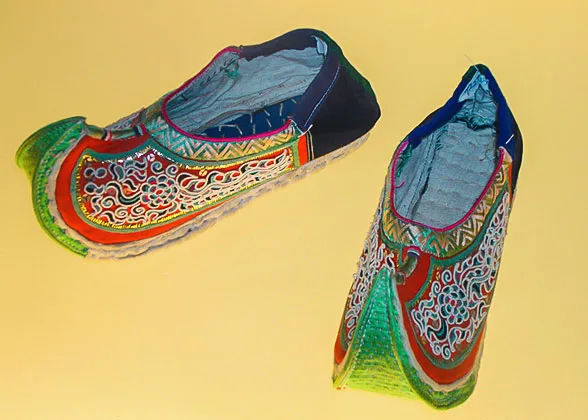
The toe of the shoe is noticeably raised, presenting a “phoenix head” shape. This not only facilitates walking on mountainous terrain but also demonstrates its noble status as a formal shoe; the upper part of the shoe is embroidered with auspicious patterns such as phoenixes using colorful threads.
This exhibition, themed “Pearls Returned Home”, will open in July 2026 to October 2027. Its exhibits are precious calligraphy and paintings donated by Mr. Ching Banlee, a Filipino-Chinese entrepreneur. These works date back over 800 years from the Song Dynasty (960-1279) to the Ming and Qing Dynasties and the modern era. They are rich in content and diverse in types, covering many authors and schools in the history of Chinese calligraphy and painting.
In this exhibition, you can admire over a hundred exquisite rarities of rhinoceros horn carvings of Ming and Qing dynasties and other related cultural relics. The decorative themes of these treasures are diverse, and the artistic craftsmanship of the patterns is truly magnificent and ingenious, drawing on and integrating the styles or techniques of gold, jade, lacquer, bamboo, and wood carving. Among the main categories—rhinoceros horn cups—fully embody the traditional values of Chinese handicrafts such as making full use of materials, achieving the best in craftsmanship and artistry.
Among the curated selection of more than 50 pieces on display, all were donated by Robert Chang, a highly influential contemporary art collector in China. The production history of these relics dates back to the Ming Dynasty and the 20th century and the range is extensive, including daily necessities, writing utensils, and decorative items, among which there are many precious pieces from the imperial collection of the Qing Dynasty. Here, you can fully appreciate the treasures of China.
The People’s Square branch of Shanghai Museum also hosts temporary exhibitions of overseas relics on an irregular basis. Here is a list of overseas exhibitions to be held from July 2026 to October 2027.
The Shanghai Museum on People’s Square will present this exhibition across its first to third floors. Featuring over 1,000 exquisite cultural relics from the Americas, the exhibition covers the Olmec along the Gulf Coast, the Maya city-states deep in the rainforest, Teotihuacan—the City of the Gods, the Aztec Empire that dominated Mesoamerica, the numerous ancient Peruvian civilizations nurtured by the Andes, and the subsequent Inca Empire. It seeks to present a panoramic panorama of the ancient civilizations of Central and South America, creating the world’s largest, highest-grade, most narratively comprehensive, and latest-presenting grand exhibition on ancient American civilizations in history.
This exhibition adopts a mode that integrates physical exhibits with virtual reality narratives, allowing visitors to transcend time and space and experience the former glory of cultural heritage sites such as Mexico City, Chichen Itza, and Teotihuacan in an immersive manner.
Visitors will sit on 360-degree dynamic seats and, by wearing VR equipment, explore the hidden Inca secret land—Machu Picchu, which is nestled deep within the forest and clouds. Throughout this journey, you will not only enjoy the breathtaking scene where the “Lost City” blends seamlessly with nature, but also deeply understand how the Inca civilization etched its remarkable ingenuity into the world for eternity.
The Shanghai Museum on People’s Square has lost some of its appeal considering that most of the exhibition halls have been moved away. Therefore, if you plan to visit only one museum in Shanghai, then the Shanghai Museum East is the top priority.
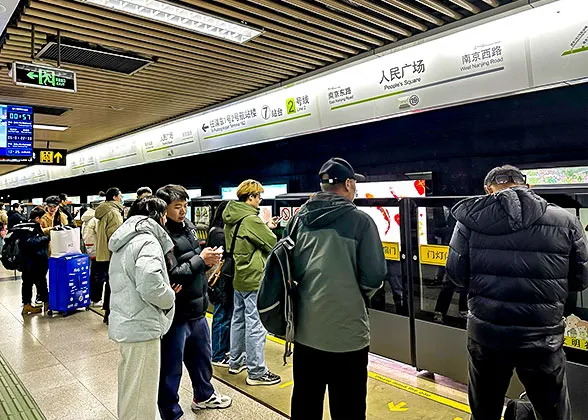
Take Metro Line 1, Line 2, or Line 8 and get off at People’s Square Station, go out through Exit 1 and then walk southeast for about ten minutes.
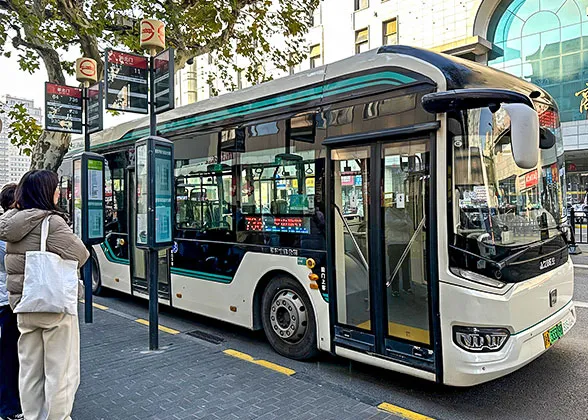
1. Take bus No. 18, 23, 42, 46, 49, or 71 to People’s Square Station. From there, walk about 200 meters (220 yards) south.
2. Take City Sightseeing Bus Line 1 or Line 2 and get off directly near the museum.
3. Take Tunnel Bus Line 3 or Tunnel Bus Line 6 to People’s Square Station, then walk approximately 700 meters (770 yards) southwest.
Note: There are shuttle buses running between the Shanghai Museum on People’s Square to Shanghai Museum East. The specific operational information is as follows.
During peak visiting periods such as the National Day holiday from October 1st to 7th, winter and summer vacations in mid-January to mid-February and Early July to late August, respectively, and popular special/temporary exhibitions, it is still necessary to make an appointment to visit the museum. You can make a prior booking through the Shanghai Museum WeChat mini program. However, it should be noted that the interface does not have an English translation. For hassle-free bookings, you can turn to trusted travel agencies like TCG for help.
1. Before entering the museum, security checks are required, and luggage storage services are provided on the right side of the museum entrance.
2. To protect the cultural relics, flash photography and selfie sticks are prohibited in some galleries.
3. Both rest areas and water stations are available inside.
 Further Reading:
 15 Free Things to Do in Shanghai
12 Popular Shanghai Activities to Survive Summer
Top 10 Places for a Shanghai Visit in Winter
Shanghai Tourist Destinations in July: 7 Places to Go
What to Do in Shanghai in December: 6 Places to Go
Top 10 Shanghai Tourist Spots for Solo Travelers
 |
| Shanghai Museum on People's Square |
Permanent Galleries
Chinese Ming and Qing Furniture Gallery - 4F
|
|
Must-see relics:
1. Black Lacquered Cabinet
—from Qing Dynasty
It’s a fine black lacquered cabinet with golden painted landscapes. The drawers and doors are made of high-quality wood, with beautiful enamel hinges. Inside, the shelves are arranged at different heights, specially designed to show off small antiques. This kind of furniture characterized by luxurious appearance and lavish decorations was very popular in the upper class of the time.
2. Imperial Throne with Matching Screen
—from Qing Dynasty
This set of furniture includes a spacious and comfortable imperial throne and a grand and elegant matching screen. Made of rosewood, they are decorated with gold lacquer and inlaid with delicate ivory carvings. These carvings closely imitate the natural forms of pomegranates, peaches, and Buddha’s hands, among which bats are flying leisurely. The entire scene is prosperous and full of vitality, symbolizing “fertility, good fortune, and longevity”.
|
|
Chinese Minority Nationalities’ Art Gallery – 4F
Representative relics:
a. Silver Eagle-shaped Ornament
—from Tajik nationality
The main body of this ornament is made of silver and is crafted using traditional techniques such as hammering, engraving, and bead threading. Some parts are also set with colored gemstones and red beads.
b. Shoes with Upturned Toe
—from Dong minority
The toe of the shoe is noticeably raised, presenting a “phoenix head” shape. This not only facilitates walking on mountainous terrain but also demonstrates its noble status as a formal shoe; the upper part of the shoe is embroidered with auspicious patterns such as phoenixes using colorful threads.
|
|
Current Special Exhibitions
Painting and Calligraphy Exhibition – 3F
Ming and Qing Rhinoceros Horn Carvings Exhibition – 3F
Chinese Cloisonné Exhibition – 4F
Temporary Exhibitions
1-3F: “On Top of the World Tree”—Ancient Civilization of the Americas
2F: Rainforest Adventure: Maya Quest (Immersive VR Experience)
3F: Over Machu Picchu: Journey to the Inca Cloud City (Immersive VR Experience)
Is Shanghai Museum on People’s Square Worth Visiting?
How to Get to the Shanghai Museum on People’s Square
By Metro
|
|
By Bus
2. Take City Sightseeing Bus Line 1 or Line 2 and get off directly near the museum.
3. Take Tunnel Bus Line 3 or Tunnel Bus Line 6 to People’s Square Station, then walk approximately 700 meters (770 yards) southwest.
Note: There are shuttle buses running between the Shanghai Museum on People’s Square to Shanghai Museum East. The specific operational information is as follows.
| Operating Days | Wednesday to Sunday |
|---|---|
| Departure Times | Two-way service available hourly at 11:00, 12:00, 13:00, 14:00, 15:00 |
| Last Trip of the Day | Shanghai Museum on People’s Square: 17:00 Shanghai Museum East: 16:30 |
| Fare | CNY 4 one-way |
| One-way Trip Duration | 30 minutes |
Tickets & Opening Hours
| Entrance Fee & Reservation | The Shanghai Museum on People’s Square offers FREE entry; Individual tourists do not require advance booking; Groups of 20 or more must book 7 to 14 days in advance. |
|---|---|
| Opening Hours | 09:00 - 17:00 (last entry at 16:00); Closed on Monday except public holidays |
| Audio Guide in English | Rental: CNY 40 Deposit: CNY 400 or 50 US dollars, or a passport |
| Recommended Visit Duration | 1.5 - 2.5 hours |
Other Information You May Need to Know
Tips for Visiting Shanghai Museum on People’s Square
2. To protect the cultural relics, flash photography and selfie sticks are prohibited in some galleries.
3. Both rest areas and water stations are available inside.
Further Reading: 15 Free Things to Do in Shanghai 12 Popular Shanghai Activities to Survive Summer Top 10 Places for a Shanghai Visit in Winter Shanghai Tourist Destinations in July: 7 Places to Go What to Do in Shanghai in December: 6 Places to Go Top 10 Shanghai Tourist Spots for Solo TravelersRecommended Tours
- Last updated on Jul. 24, 2026 by Sherry Xia -