Best Time to Visit Guilin
Choosing the best time to visit Guilin depends on several factors, including weather conditions, landscape scenery, crowd levels, and travel costs. Generally speaking, spring from March to May and autumn from September to November provide the most balanced travel experience.
See More in: Guilin Weather
In terms of the tourist volume, these months see manageable visitors, outside major public holidays. Therefore, hotels are easier to book, flight prices are relatively stable, and popular attractions are far less crowded. Then, as for the weather and scenery:
Spring marks the awakening of Guilin after the damp chill of winter. Temperatures gradually warm throughout the season.
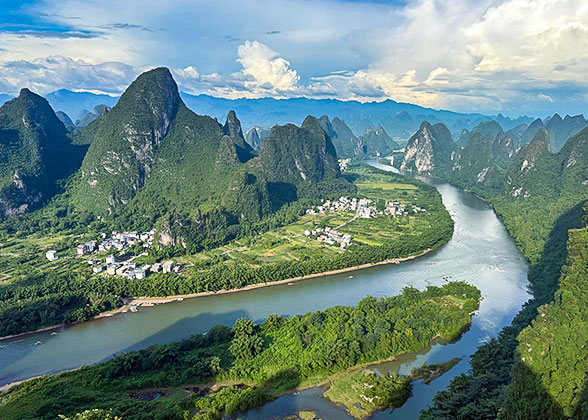
Although spring tends to be one of the rainier seasons, the rain results in limited impact on your outdoor plans as long as you carry rain gear. Moreover, the rainfall plays an important role in shaping Guilin’s river scene. Frequent showers replenish rivers and streams, keeping water levels high. Plus, the water quality of the Li River remains quite high.
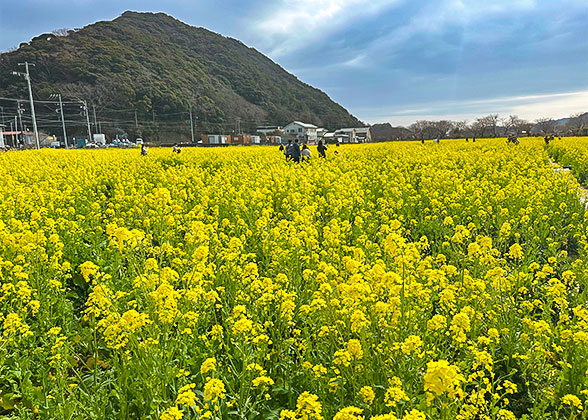
During these months, the vegetation becomes lush and vibrant. Trees along the riverbanks grow dense and green, forming a striking contrast with the limestone karst peaks that define Guilin’s landscape. Plus, Spring is also the flowering season in the region. Visitors can often see rapeseed flowers, azaleas, hydrangeas, and wisteria across the city.
In Autumn, Guilin’s temperatures become cooler and more comfortable after the intense heat of summer. Rainfall decreases, and the air becomes slightly drier.
Even though rainfall becomes less frequent, river conditions remain excellent. Water levels are still sufficient for sightseeing cruises, and visibility along the Li River remains high. Autumn, therefore, represents one of the last periods of the year when visitors can enjoy Guilin’s classic river scenery under perfect conditions.
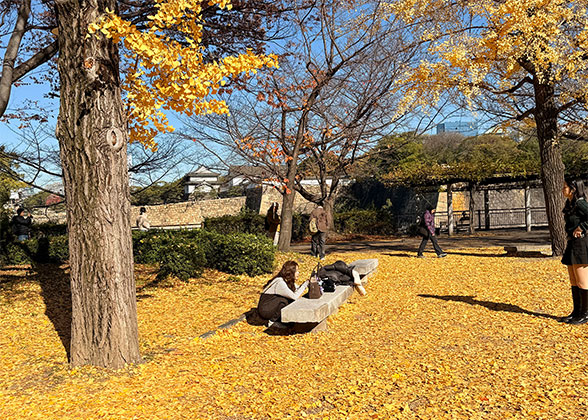
One of the biggest seasonal highlights in autumn is visiting the Longji Rice Terraces. During harvest season, the layered terraces turn golden as the rice ripens, offering a stunning scene of golden waves from a distance. Another popular autumn destination is Haiyang Town, which is famous for its ancient ginkgo trees.
July and August coincide with China’s nationwide summer vacation, making them the busiest travel months across the country. Guilin is no exception.
During these two months, famous attractions such as Elephant Trunk Hill become extremely crowded, bamboo rafting ticket areas often have long lines, roads near scenic spots experience traffic congestion, and both flights and hotel prices increase sharply.
The weather is also a major challenge. Midday temperatures frequently exceed 36 degrees Celsius (97 degrees Fahrenheit). When combined with high humidity, the perceived temperature feels even hotter. Even after sunset, the temperature remains relatively high. Therefore, visitors often experience sticky and uncomfortable conditions throughout the day. In addition, July and August fall within Guilin’s rainy season. Heavy downpours occur frequently, so outdoor activities, especially rafting, can be disrupted by storms.
Some travelers may only have time to visit Guilin during summer vacation. In that case, a few strategies can help improve the experience:
1. Book flights and hotels well in advance to avoid sharp price increases.
2. Start sightseeing early in the morning to avoid both crowds and extreme heat. This is particularly important for bamboo rafting activities.
3. Check weather forecasts carefully. Several consecutive rainy days may make mountain travel unsafe.
4. Travelers sensitive to heat may consider visiting higher elevations such as Mao’er Mountain, where temperatures are cooler. Another good option is exploring caves such as Silver Cave, which maintains a comfortable temperature year-round.
In addition to summer vacation, certain national public holidays can also affect travel experience due to large crowds and transportation pressure.
This is the most important holiday in China. The biggest challenge during this period is the nationwide travel rush known as the “Spring Festival travel season.” Transportation tickets can be extremely difficult to obtain. Many local restaurants also close temporarily during the holiday.
May Day Holiday: May 1st - May 5th
National Day Holiday: October 1st - October 7th
These two holidays create massive domestic travel waves. Flights and train tickets sell out quickly, hotel prices rise dramatically, and major attractions become extremely crowded.
Qingming Festival: April 4th - April 6th
Dragon Boat Festival: June 19th - June 21st
Mid-Autumn Festival: September 25th - September 27th
New Year’s Day: January 1st - January 3rd
During these shorter holidays, tourist numbers in Guilin increase slightly but usually remain manageable compared with in longer public holidays.
Winter in Guilin is relatively quiet. Temperatures are cool, and the air near the river can feel damp and chilly. Reduced rainfall leads to lower water levels along the Li River. Some riverbanks become exposed, causing a slightly less impressive river view, and certain cruise routes may shorten.
However, winter also offers advantages. The above-mentioned disadvantages make this period the low season of Guilin. So, attractions such as Elephant Trunk Hill, the Sun and Moon Pagodas, and Jingjiang Prince City become much quieter, and hotels are cheaper to book.
For nature lovers, winter also brings special scenery in the mountains. Under suitable conditions, Mao’er Mountain can produce rime ice landscapes that transform the forest into a winter wonderland.
June has both advantages and disadvantages for visiting Guilin.
One advantage is that tourist numbers are relatively low. Besides, as a summer month, its temperatures are slightly milder than in July and August, with daytime highs generally ranging between 27°C and 34°C (81-93°F). Evenings often become pleasantly cool, making it an enjoyable time to take night walks or cruises around the Two Rivers and Four Lakes scenic area.
However, June is also Guilin’s wettest month. Heavy rainstorms occur frequently, and these storms can stir up the river, making the water appear muddy. In severe cases, intense rainfall can trigger landslides in mountainous areas or temporary urban flooding.
See More in: Guilin Weather
In terms of the tourist volume, these months see manageable visitors, outside major public holidays. Therefore, hotels are easier to book, flight prices are relatively stable, and popular attractions are far less crowded. Then, as for the weather and scenery:
March to May: Pleasant Weather and Various Blossoms
Although spring tends to be one of the rainier seasons, the rain results in limited impact on your outdoor plans as long as you carry rain gear. Moreover, the rainfall plays an important role in shaping Guilin’s river scene. Frequent showers replenish rivers and streams, keeping water levels high. Plus, the water quality of the Li River remains quite high.
During these months, the vegetation becomes lush and vibrant. Trees along the riverbanks grow dense and green, forming a striking contrast with the limestone karst peaks that define Guilin’s landscape. Plus, Spring is also the flowering season in the region. Visitors can often see rapeseed flowers, azaleas, hydrangeas, and wisteria across the city.
|
|
September to November: Cool Temperatures and Golden Views
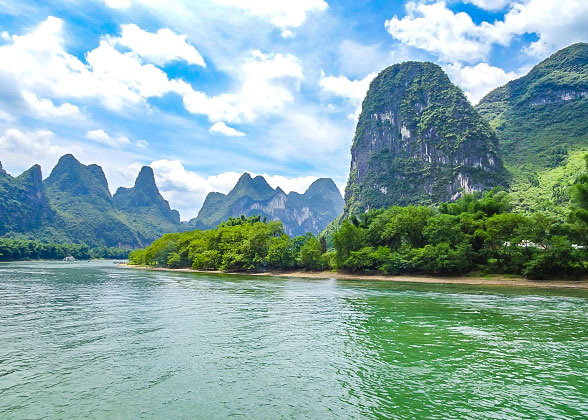
Even though rainfall becomes less frequent, river conditions remain excellent. Water levels are still sufficient for sightseeing cruises, and visibility along the Li River remains high. Autumn, therefore, represents one of the last periods of the year when visitors can enjoy Guilin’s classic river scenery under perfect conditions.
One of the biggest seasonal highlights in autumn is visiting the Longji Rice Terraces. During harvest season, the layered terraces turn golden as the rice ripens, offering a stunning scene of golden waves from a distance. Another popular autumn destination is Haiyang Town, which is famous for its ancient ginkgo trees.
|
|
Hot and Rainy Peak Months to Avoid: July and August
During these two months, famous attractions such as Elephant Trunk Hill become extremely crowded, bamboo rafting ticket areas often have long lines, roads near scenic spots experience traffic congestion, and both flights and hotel prices increase sharply.
The weather is also a major challenge. Midday temperatures frequently exceed 36 degrees Celsius (97 degrees Fahrenheit). When combined with high humidity, the perceived temperature feels even hotter. Even after sunset, the temperature remains relatively high. Therefore, visitors often experience sticky and uncomfortable conditions throughout the day. In addition, July and August fall within Guilin’s rainy season. Heavy downpours occur frequently, so outdoor activities, especially rafting, can be disrupted by storms.
 |
| Popular Attractions During Summer Vacation |
Some travelers may only have time to visit Guilin during summer vacation. In that case, a few strategies can help improve the experience:
1. Book flights and hotels well in advance to avoid sharp price increases.
2. Start sightseeing early in the morning to avoid both crowds and extreme heat. This is particularly important for bamboo rafting activities.
3. Check weather forecasts carefully. Several consecutive rainy days may make mountain travel unsafe.
4. Travelers sensitive to heat may consider visiting higher elevations such as Mao’er Mountain, where temperatures are cooler. Another good option is exploring caves such as Silver Cave, which maintains a comfortable temperature year-round.
Chinese Public Holidays in 2026 to Avoid
1. Chinese New Year: February 15th - February 23rd
2. Major Travel Rush Holidays
National Day Holiday: October 1st - October 7th
These two holidays create massive domestic travel waves. Flights and train tickets sell out quickly, hotel prices rise dramatically, and major attractions become extremely crowded.
3. Short Three-Day Holidays
Dragon Boat Festival: June 19th - June 21st
Mid-Autumn Festival: September 25th - September 27th
New Year’s Day: January 1st - January 3rd
During these shorter holidays, tourist numbers in Guilin increase slightly but usually remain manageable compared with in longer public holidays.
Low Season: December to February
However, winter also offers advantages. The above-mentioned disadvantages make this period the low season of Guilin. So, attractions such as Elephant Trunk Hill, the Sun and Moon Pagodas, and Jingjiang Prince City become much quieter, and hotels are cheaper to book.
For nature lovers, winter also brings special scenery in the mountains. Under suitable conditions, Mao’er Mountain can produce rime ice landscapes that transform the forest into a winter wonderland.
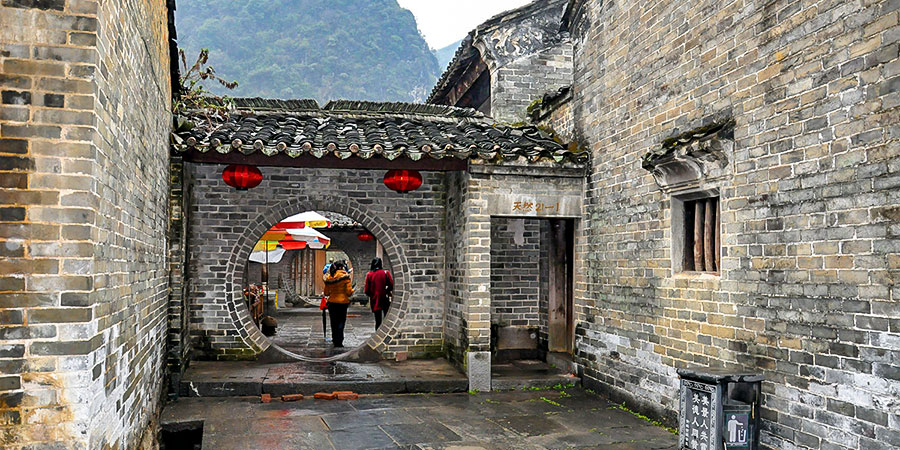 |
| Guilin During Low Season |
Not a Bad Time to Visit: June
One advantage is that tourist numbers are relatively low. Besides, as a summer month, its temperatures are slightly milder than in July and August, with daytime highs generally ranging between 27°C and 34°C (81-93°F). Evenings often become pleasantly cool, making it an enjoyable time to take night walks or cruises around the Two Rivers and Four Lakes scenic area.
However, June is also Guilin’s wettest month. Heavy rainstorms occur frequently, and these storms can stir up the river, making the water appear muddy. In severe cases, intense rainfall can trigger landslides in mountainous areas or temporary urban flooding.
Further Reading



- Last updated on Mar. 18, 2026 by Rachel Hou -