History of the Terracotta Army
The Terracotta Army, a stunning wonder with a history spanning over 2,200 years, was built between 246 BC and 208 BC. For centuries, it has endured various natural disasters and human destruction until it was accidentally discovered in 1974 by local farmers. Later archaeological excavations revealed it once again, leading to its preservation and public display. Recognized for its significant historical and cultural importance, the Mausoleum of Emperor Qin Shi Huang, including the Terracotta Army, was added to the UNESCO World Heritage List in 1987. Today, it is open to the public as a major museum, attracting millions of visitors from all over the world each year.
Historical records indicate that, around 247 or 246 BC, shortly after ascending the throne as the Emperor of Qin at the age of 13, Emperor Qin Shi Huang, China's first emperor, ordered the construction of his mausoleum. As an integral part of this grand mausoleum complex, the massive underground Terracotta Army was also constructed around this time, intended to guard the emperor in his afterlife.
You may like:
Who Built the Terracotta Army?
Why was the Terracotta Army Built?
When Was the Terracotta Army Built?
Archaeological evidence and historical accounts suggest that the construction of the Terracotta Army was a huge project spanning nearly four decades, from approximately 247 BC until 208 BC, two years after Emperor Qin's death. Finally, this extensive project was abruptly halted due to the outbreak of large-scale peasant uprising.
Over its more than 2,200 years buried underground, the Terracotta Army suffered various significant damages. Archaeological evidence shows that the pits were heavily flooded. Consequently, the partition walls in Pit 1 subsided nearly 50%, reducing their height from about 3.5 meters (11.5 feet) to just 1.7 meters (5.6 feet). Even more damaging was the human-made destruction. Traces of charcoal and burnt earth found in the pits, along with the absence of weapons in many terracotta warrior figures' hands, indicate deliberate destruction. According to historical records, historians and archaeologists speculate that Xiang Yu (232 BC - 202 BC), one of the main forces who overthrew the Qin Dynasty (221 BC - 207 BC), may have ordered the pits to be set on fire and the bronze weapons looted as an act of revenge for Qin's earlier conquest of his native Chu state. Alternatively, some suggest the weapons might have been stolen by tomb raiders.
See more about: How did the Terracotta Army get burnt and destroyed?
In March 1974, some farmers accidentally discovered fragments of terracotta figures while digging a well in Lintong District, Xi'an. They soon reported their discovery to the local museum, which promptly captured the attention of archaeologists. On July 15 of the same year, a large-scale archaeological excavation was officially launched. The pit initially discovered is what we now know as the largest, Pit 1.
Read more:
Who discovered the Terracotta Warriors?
Discovery of the Terracotta Army in 1974
As excavations progressed, archaeologists discovered Pit 2 and Pit 3 in April and May of 1976, located northeast and northwest of Pit 1, respectively. Together, these three pits form a complete underground military formation simulating the Qin army.
On October 1, 1979, to better preserve the Terracotta Army, the protective hall of Pit 1 was completed and officially opened to the public, allowing visitors to witness the awe-inspiring underground army up close.
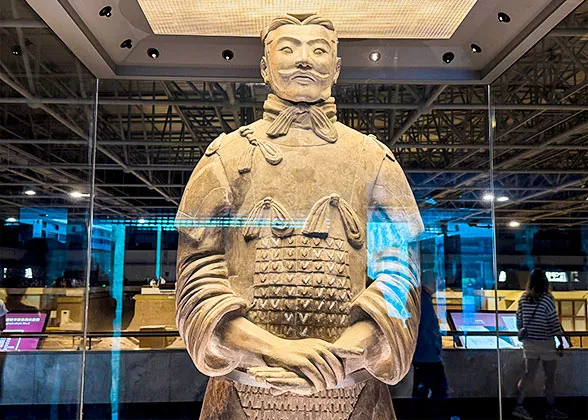
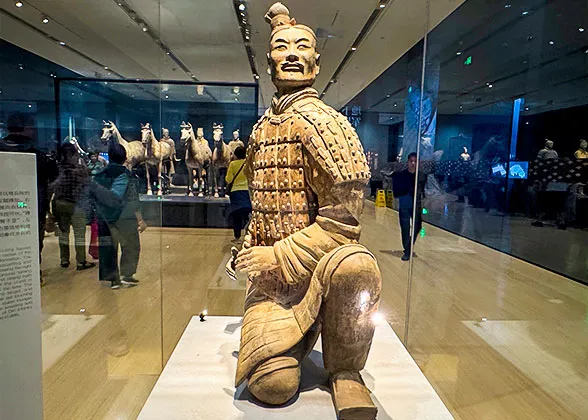
Excavation of Pit 3 began shortly after its discovery in 1976, and its exhibition hall opened on September 27, 1989. The first formal excavation of Pit 2 commenced in 1994, revealing rare green-faced warrior and battle formations such as cavalry warriors and infantry warriors. The exhibition hall for Pit 2 itself was opened on October 1, 1999. In 2015, the second major excavation of Pit 2 officially began. At present, Pit 2 has yielded significant findings, such as the high-ranking officer, kneeling archer, and standing archer. Additionally, an exhibition hall showcasing many archaeological treasures of the Terracotta Army was opened to the public in 1994.
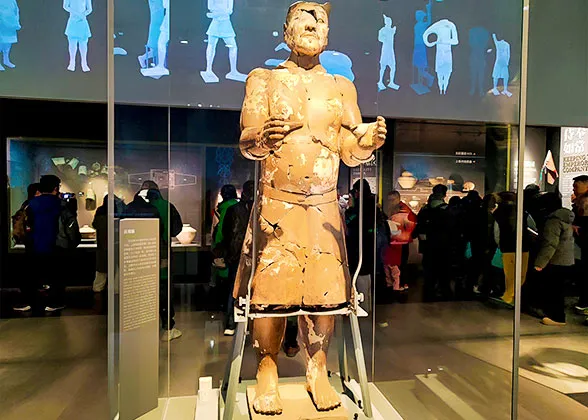
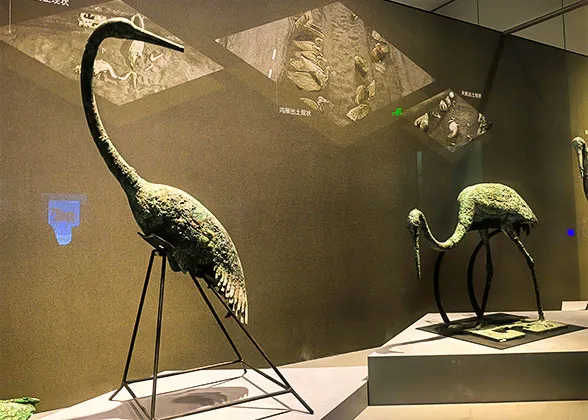
Beyond the main pits, several smaller accessory pits with unique features were also excavated. From July 1998 to January 1999, Pit K9801 was dug up, revealing a large amount of stone armor and helmets. In 1999, Pit K9901 was discovered, containing over 30 lively and diverse acrobatics figures. In 2000, archaeologists uncovered Pit K0006, which held 12 civil official figures, and Pit K0007, which yielded 46 finely crafted bronze aquatic birds. The exhibition halls for Pit K0006 and Pit K9901 opened in September and October 2011, respectively. Currently, Pit K0007 and Pit K9801 are not open to the public, but visitors can view the bronze aquatic birds, as well as the stone armor and helmets found there, in the cultural relics exhibition hall next to Pit 2.
Excavation of the Terracotta Army is ongoing and far from complete, promising the future discovery of more diverse and lifelike terracotta warrior figures. Concurrently, leveraging modern technology, archaeologists continue their work in conserving and restoring the figures, striving to present them to visitors in a state as close to their original appearance as possible.
 Further Reading:
Exhibition of Archaeological Discoveries
Top 20 FAQs about the Terracotta Army
Emperor Qin Shi Huang's Mausoleum Site Museum
15 Little-Known Facts About the Terracotta Army
8 Cool Facts You May Not Know about the Terracotta Army
How to Visit Terracotta Army - A Perfect One-Day Tour Plan
Why are there few historical records about the Terracotta Warriors?
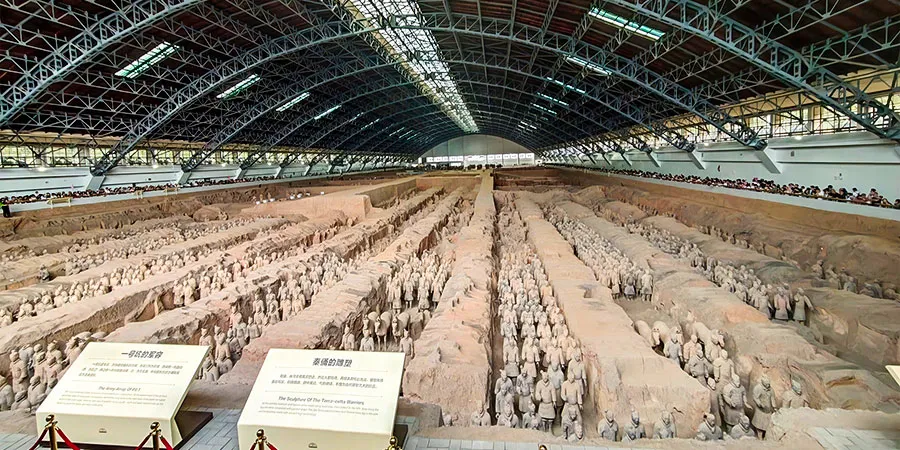 |
| Massive Terracotta Army Pit 1 |
Construction History of the Terracotta Army
1. Began at 247 BC or 246 BC: over 2,200 years ago
You may like:
Who Built the Terracotta Army?
Why was the Terracotta Army Built?
When Was the Terracotta Army Built?
2. Spanned nearly 40 years and stopped at 208 BC.
What Happened to the Terracotta Army before It Was First Discovered?
|
|
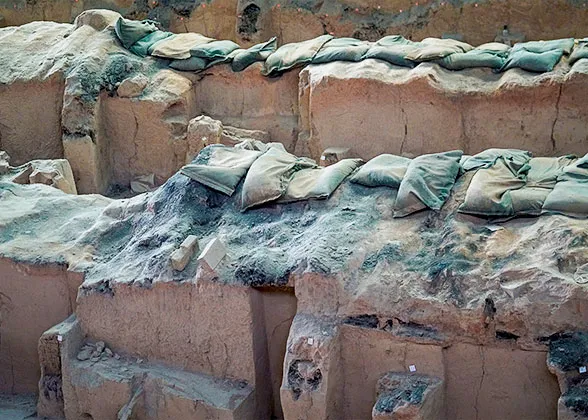
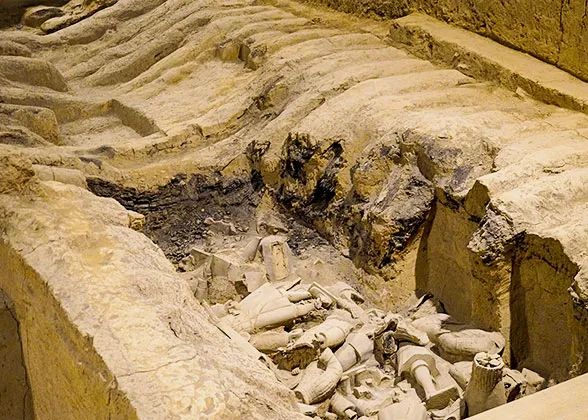
See more about: How did the Terracotta Army get burnt and destroyed?
Discovery and Excavation of the Terracotta Army
1. Initial discovery of the Terracotta Army: 1974
Read more:
Who discovered the Terracotta Warriors?
Discovery of the Terracotta Army in 1974
As excavations progressed, archaeologists discovered Pit 2 and Pit 3 in April and May of 1976, located northeast and northwest of Pit 1, respectively. Together, these three pits form a complete underground military formation simulating the Qin army.
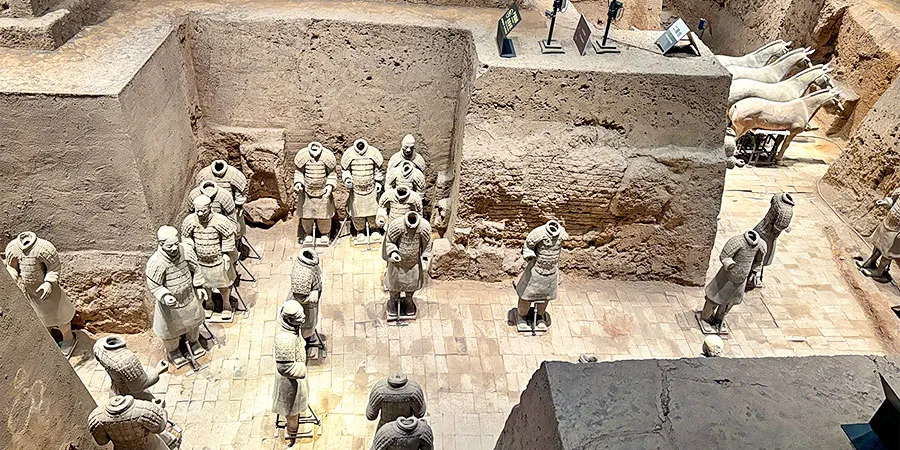 |
| Terracotta Warriors in Pit 3 |
3. Pit 1 opened to the public: 1979
4. Excavation and opening of Pit 2 and Pit 3: 1976 - 2015
|
|
5. Excavation and opening of accessory pits: 1998 - 2011
|
|
Excavation and Preservation Will Continue in The Future.
Further Reading:Exhibition of Archaeological Discoveries
Top 20 FAQs about the Terracotta Army
Emperor Qin Shi Huang's Mausoleum Site Museum
15 Little-Known Facts About the Terracotta Army
8 Cool Facts You May Not Know about the Terracotta Army
How to Visit Terracotta Army - A Perfect One-Day Tour Plan
Why are there few historical records about the Terracotta Warriors?
Recommended Tours


- Last updated on Nov. 17, 2025 by Doris Xue -