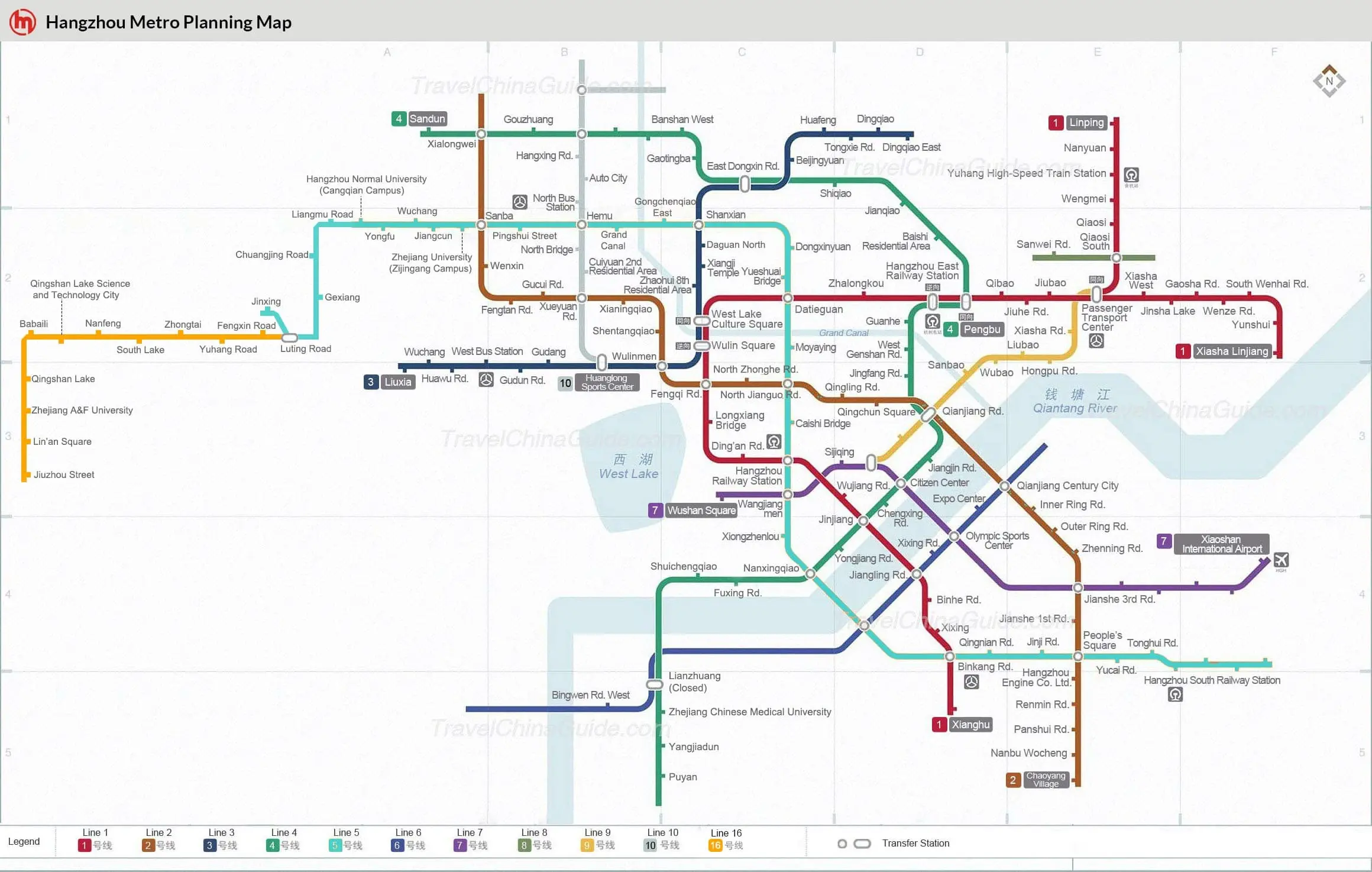
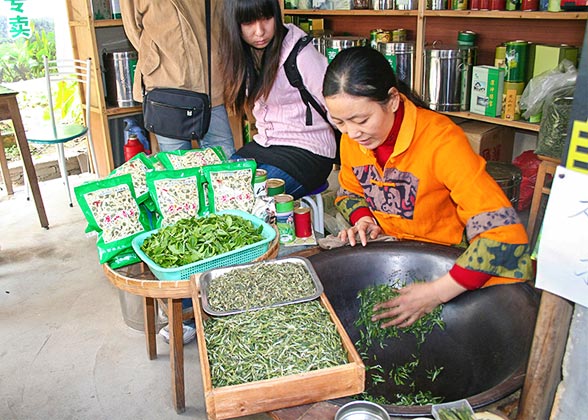
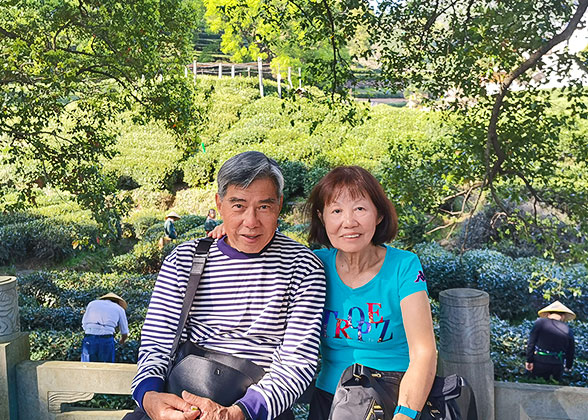
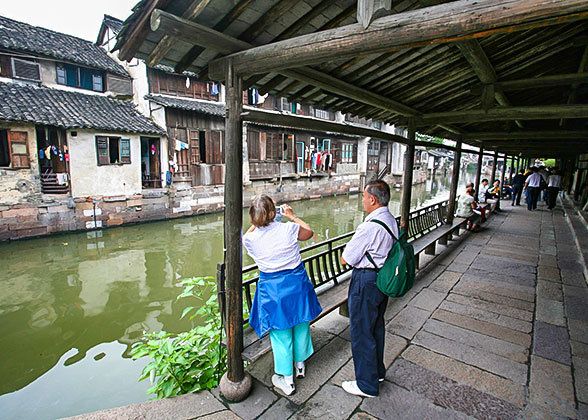
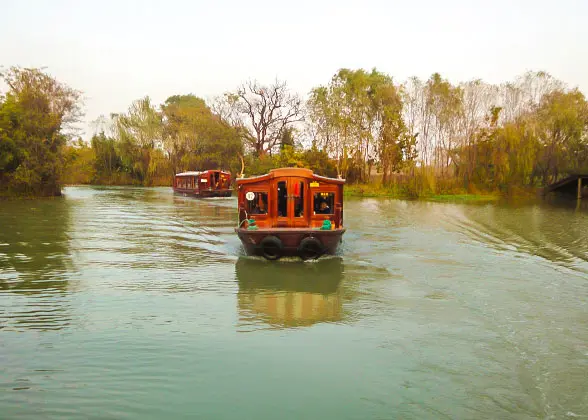
Hangzhou, located in the southern part of China’s Yangtze River Delta, has long earned its fame as the “Heaven on Earth” by virtue of its stunning natural scenery. In this paradise lies the core masterpiece West Lake where vast waters are embraced by lush green mountains and dotted with exquisitely crafted pavilions and towers. Gliding gently on a sightseeing boat, you seamlessly become part of this breathtaking natural landscape. Nestled among the hills near the lake are another unique sight - vast terraced Longjing Tea Plantations, neatly arranged and dotted with tea-picking farmers wearing conical hats. You can also join in this activity of picking fresh tea leaves, and later savor the refreshing taste of authentic Longjing tea.
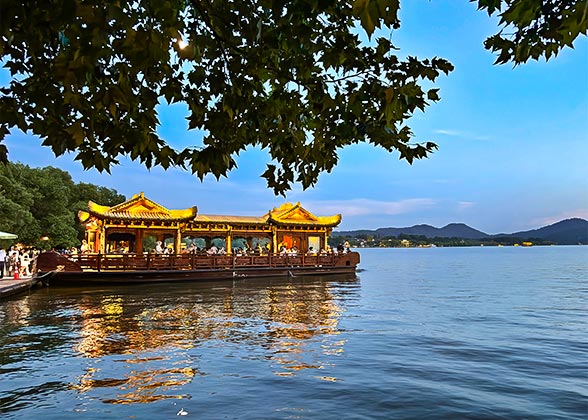
Sightseeing Boat on West Lake
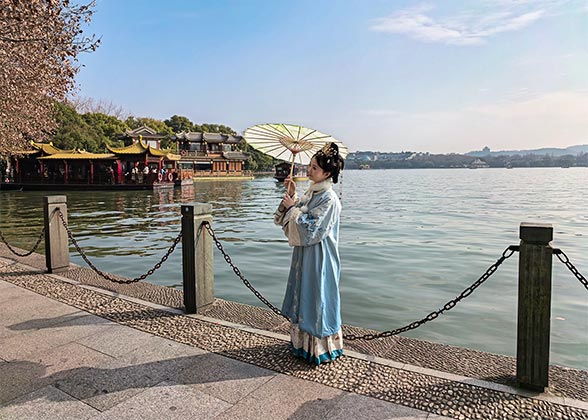
Tourist Taking Photos by West Lake
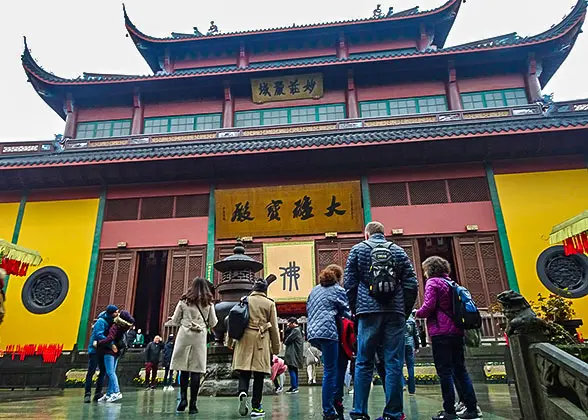
As a city with a history of over 2,000 years of establishment, Hangzhou boasts rich cultural heritage in addition to picturesque landscapes. The Archaeological Ruins of Liangzhu City, which dates back 5, 000 years, was excavated right here, and the subsequent discoveries of pottery, jade artifacts, as well as palace walls, tombs, and other clues gradually unveiled the mystery of the origin of China’s 5,000-year-old civilization. Another famous historical site the Lingyin Temple that has endured through thousands of years, is grand in scale and features solemn Buddhist architecture. The story of the eminent monk Ji Gong helping people and spreading compassion to all beings has been passed down for hundreds of years.
Nowadays, Hangzhou is even known as the “Silicon Valley of China”, being the top city in China for the development of artificial intelligence. Therefore, in Hangzhou, you can see the most advanced technological products such as robots and drones, as well as the most intelligent urban facilities.
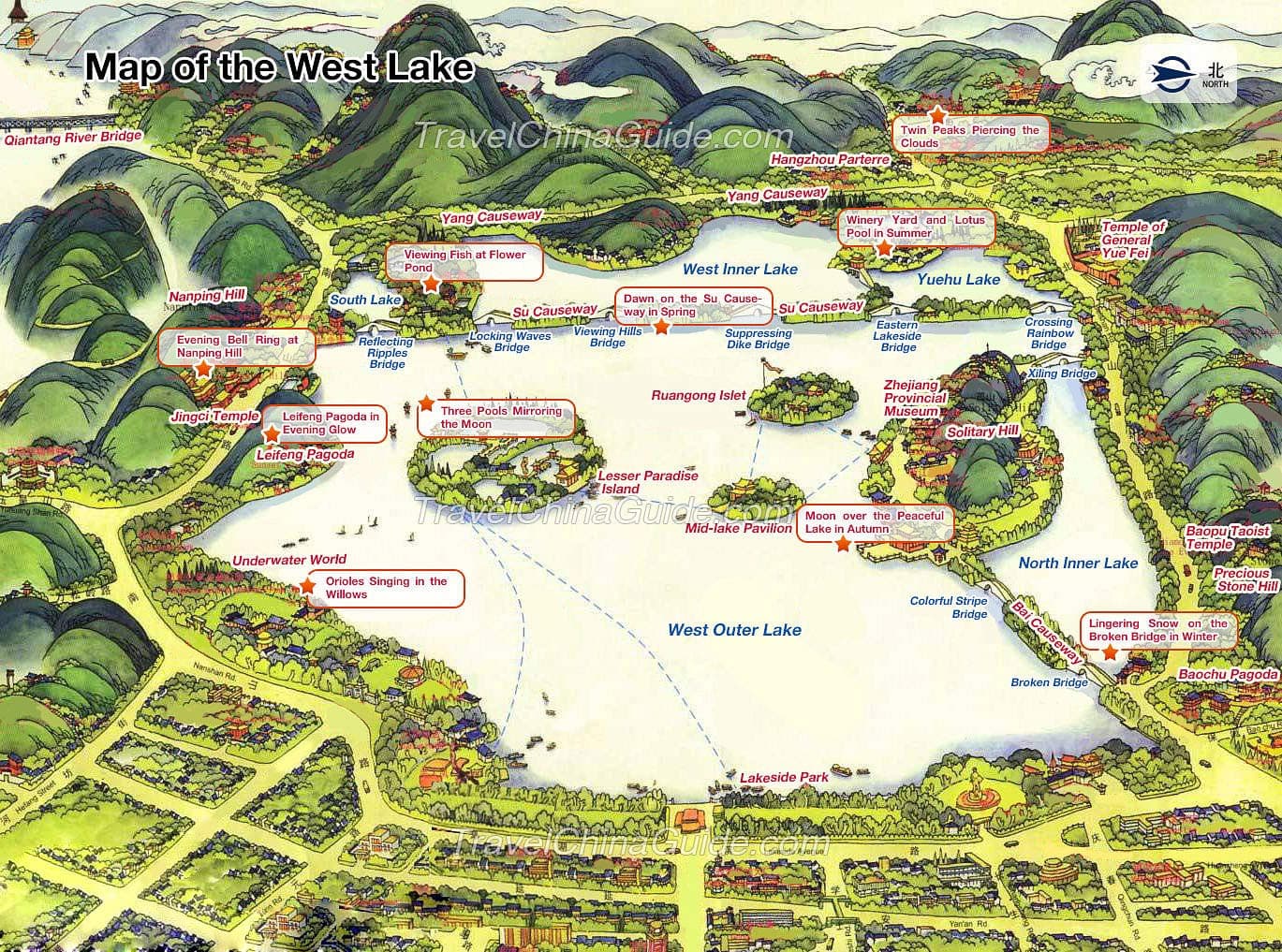
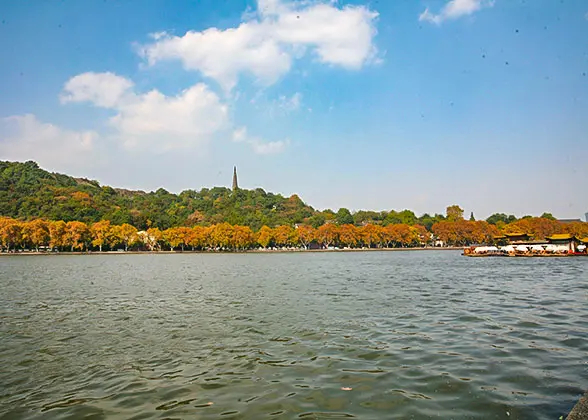
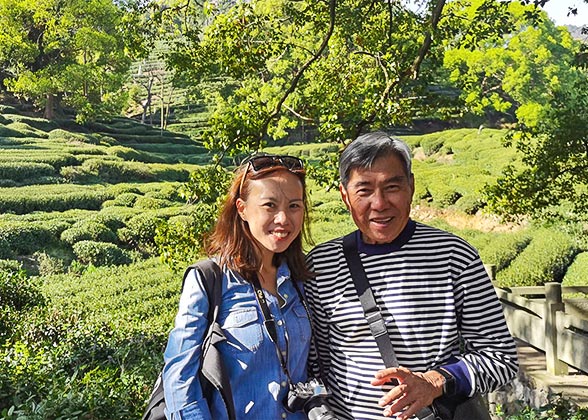
West Lake enjoys the greatest reputation in Hangzhou for there is a household touching and heart-wrenching love story of a human and a snake fairy that has been passed down for generations, and its natural beauty has also been vividly depicted in the poems and paintings of many ancient Chinese literati. The 638-hectare (1,576-acre) lake surface is like a huge copper mirror, dotted with small islands and ancient towers, and surrounded by lush mountains. You can ride a bicycle to tour around the lake, or take a boat to slowly enjoy the lake scenery. Strolling further to the Longjing Village on the southwest side of the lake, you can see the layered emerald green tea plantations stretching along the mountain slopes. Bathed in the fragrance of tea, you may already be eager to experience the fun of picking tea with the villagers.
The Lingyin Temple, with a history of over 1,700 years, is another hidden gem nestled among the green mountains and clear waters of Hangzhou. The solemn Buddhist halls and towering ancient trees are in harmony, and the surrounding hills have an incredibly magnificent structure. The wisps of incense float in the midst of the melodious bell sounds, making you forget the worldly hustle and bustle. The worship activities here have been flourishing for thousands of years, carrying the aspirations of countless people for peace, health, and success in their studies and careers.
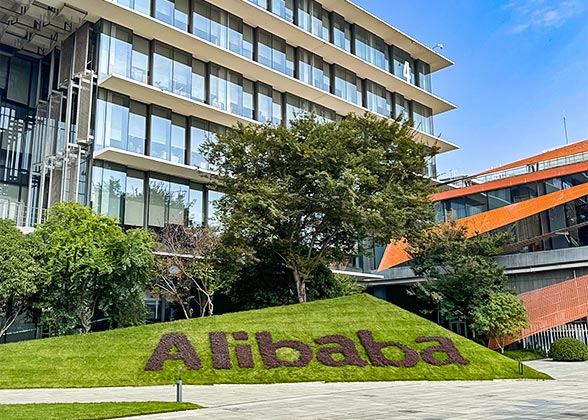
If you are interested in science & technology, you might want to visit Alibaba’s headquarters. This building of China’s leading internet enterprise has witnessed the evolution of Chinese technology time and again. You can immerse yourself in experiencing the future life scenarios created by artificial intelligence, interact closely with robots, or even practice AI technology under the guidance of the guide.
Hangzhou is a major aviation and high-speed rail hub in China. Whether you are departing from overseas or transferring from other Chinese cities, you can arrive efficiently. However, since many scenic areas are very extensive and specific scenic spots are scattered, it is best to combine different modes of transportation for your tour.
How to Get to Hangzhou?
Currently, Hangzhou Xiaoshan International Airport is the main airport of this city. It has direct international routes to 53 destinations including Tokyo, Seoul, Paris, Frankfurt, New York, Los Angeles, etc., as well as 127 domestic routes to other Chinese cities such as Beijing, Xi’an, Chongqing, and Guangzhou. Taking the bullet train is another convenient way to Hangzhou, especially if you travel from Shanghai, which only takes 45 - 60 minutes. If your first stop after arriving in Hangzhou is to visit the West Lake, it is recommended that you buy the ticket at Hangzhou Station. After getting off the train, you can reach the destination within just 10-minute drive.
How to Get Around in Hangzhou?
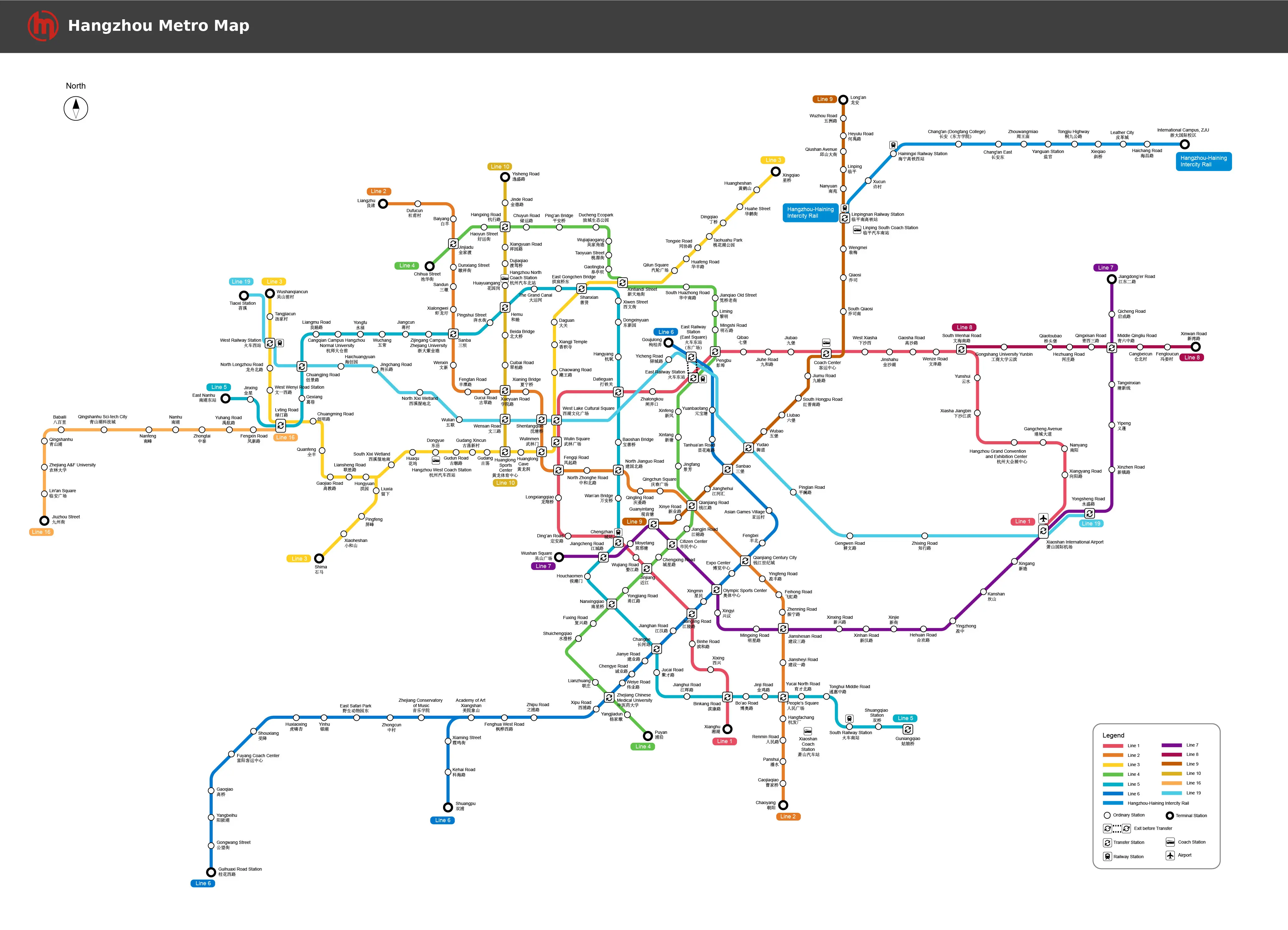
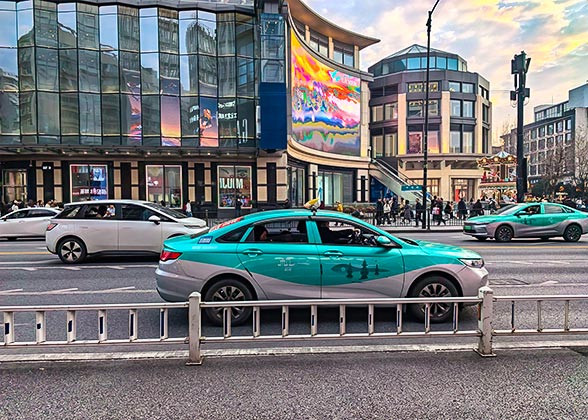
There are a total of 12 metro lines in Hangzhou, covering most attractions in the city. Nevertheless, considering the certain distance between the subway stations and the entrance of some scenic spots due to extensiveness of the scenic areas, you are recommended to take the subway to the nearest station of the tourist attractions first, and then take a bus or take a taxi to the specific scenic spot you want to visit. By the way, cycling around the large West Lake is also highly recommended, which saves energy and allows you to enjoy the lake views while touching the gentle breeze.
What’s more, the unique water bus service in Hangzhou is also worth experiencing. For just CNY 3, you can board the bus and enjoy the city views along the canal as you travel.
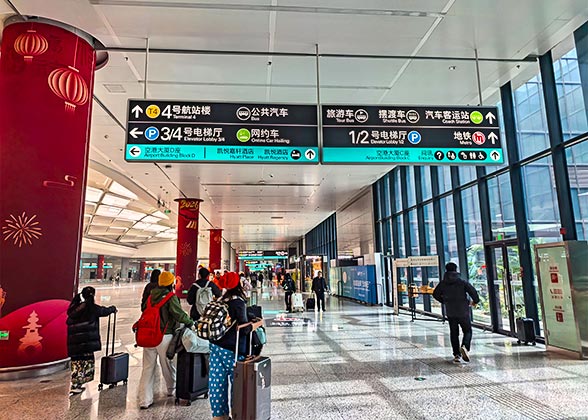
Terminal of Hangzhou Xiaoshan International Airport
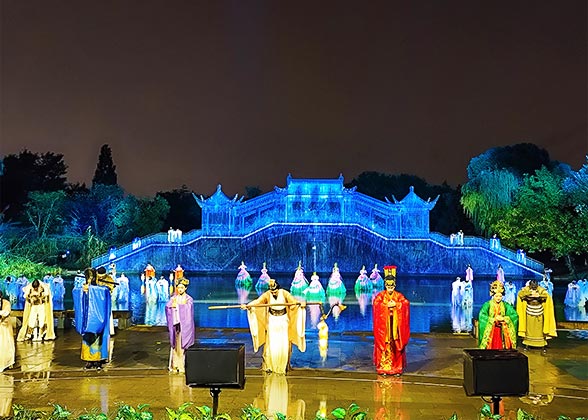
A 1 - 2-day stay in Hangzhou is most suitable, as it’s long enough to visit the main attractions in the city, such as the West Lake, Lingyin Temple and Longjing Village. After dark, you can watch the stage performance at the West Lake, which features a floating and elevating platform where performers dance on the water, with the landscape of the lake as the backdrop. Combined with the effects of lights and holographic projections, it creates a dreamlike atmosphere.
If you don’t have a tight schedule, you can visit the core attractions in the first two days, and then arrange one extra day to visit the Archaeological Ruins of Liangzhu City, admiring the ancient cityscape from 5,000 years ago and the unearthed historical relics such as jade and pottery.
The Best Area to Stay in Hangzhou
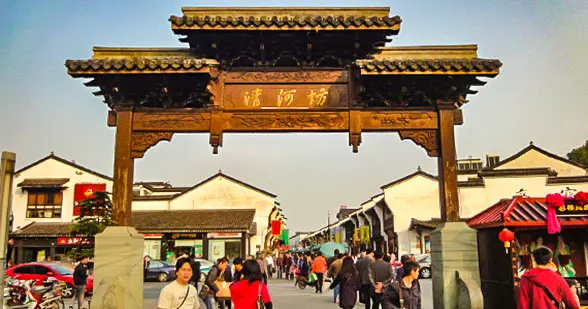
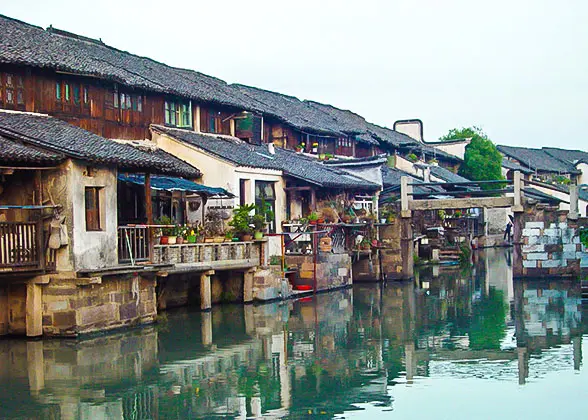
The best area to stay in Hangzhou is around the West Lake thanks to the convenient transportation nearby, fabulous scenery, as well as comprehensive entertainment facilities. However, the accommodation expenses are relatively high, especially during the peak tourist season. If you are a budget traveler, you can choose to live at the Xiaohe Straight Street near the Grand Canal where there is more peaceful, flanked by retro Chinese-style buildings, including many nice folk houses.
Hangzhou has a subtropical monsoon climate, with distinct four seasons and humid air. January is the coldest month, with the lowest temperature dropping to -4℃ (25℉). Hot weather lasts from late June to early September, with July and August being the hottest months when temperatures often exceed 35℃ (95℉).
Spring and autumn are the best times to visit Hangzhou, during which the weather is pleasant and the scenery is at its most beautiful. Especially in spring, you can see the Su Causeway of West Lake with peach blossoms in full bloom and experience the joy of tea picking. Although July - August is hot, it is also the peak flowering period of the lotus flowers in the West Lake, which will surely offer you a visual feast.
The cooking style of Hangzhou cuisine emphasizes maintaining the original flavor, with a light, fresh and tender taste. The most recommended specialty dish is Fried Shrimps with Longjing Tea, which is elegantly presented on a plate. The shrimps are crisp and delicious, with a refreshing aroma of Longjing Tea. Next is Dongpo Pork – a delicacy named after an ancient Chinese poet. Made by slow-cooking marbled pork with condiments like scallions, ginger, cooking wine, and rock sugar until the sauce thickens, it turns out tender, fragrant, rich without being too greasy.
Speaking of Longjing tea, it is a symbol of Hangzhou and ranks first among China’s top ten famous teas. It was once the exclusive tribute tea for the ancient imperial court. The Longjing Tea plants are nurtured by the soil and moisture of West Lake, contributing to refreshingly sweet and smooth texture of the brewed tea leaves, with a lingering aftertaste. Guess you wouldn’t resist a cup of it to cool off and relive fatigue while enjoying the scenery by the lake in summer!


 Read more: