

Chengdu Travel Guide
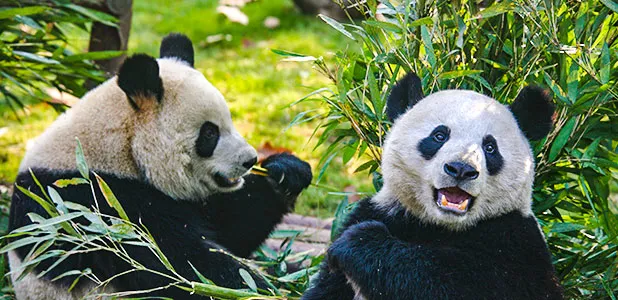
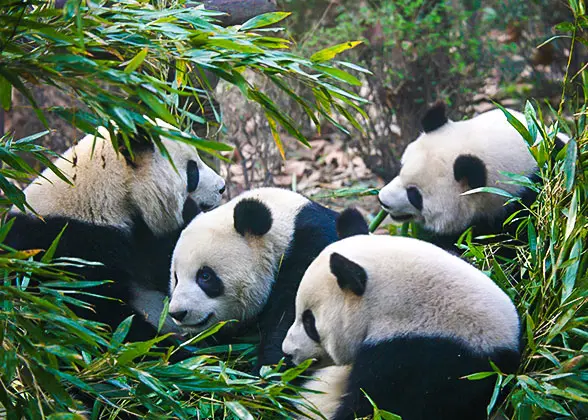
Chengdu is renowned as the City of Pandas, with round and chubby pandas being its super star. From adorable pandas in the Chengdu Panda Base, the climbing-panda sculpture hanging on the top of the IFS building, to panda-themed cultural and creative stores all over the streets, elements of pandas can be found in every corner of the city. Wandering around Chengdu is like exploring the World of Pandas.
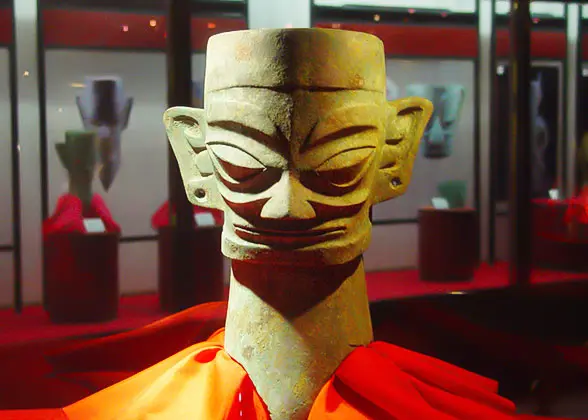
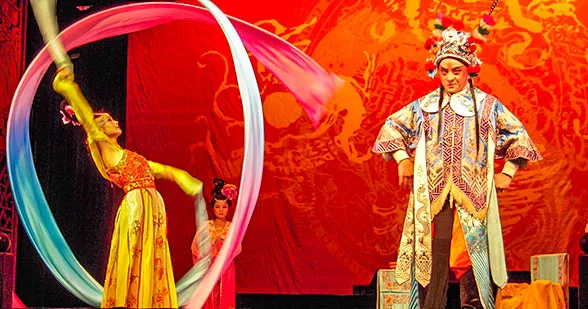
More than these, the mysterious ancient bronze mask in the Sanxingdui Museum, the magical Sichuan Opera Face-changing performance, and the unique laid-back lifestyle of local people in Chengdu all endow the city with extraordinary charm.
In addition, Chengdu is the first Asian city listed as the City of Gastronomy by UNESCO, and it attracts foodies all around the world with its wide variety of delicious foods, from pungent and spicy Chengdu Hot Pot to deep-fried sweet glutinous rice balls.
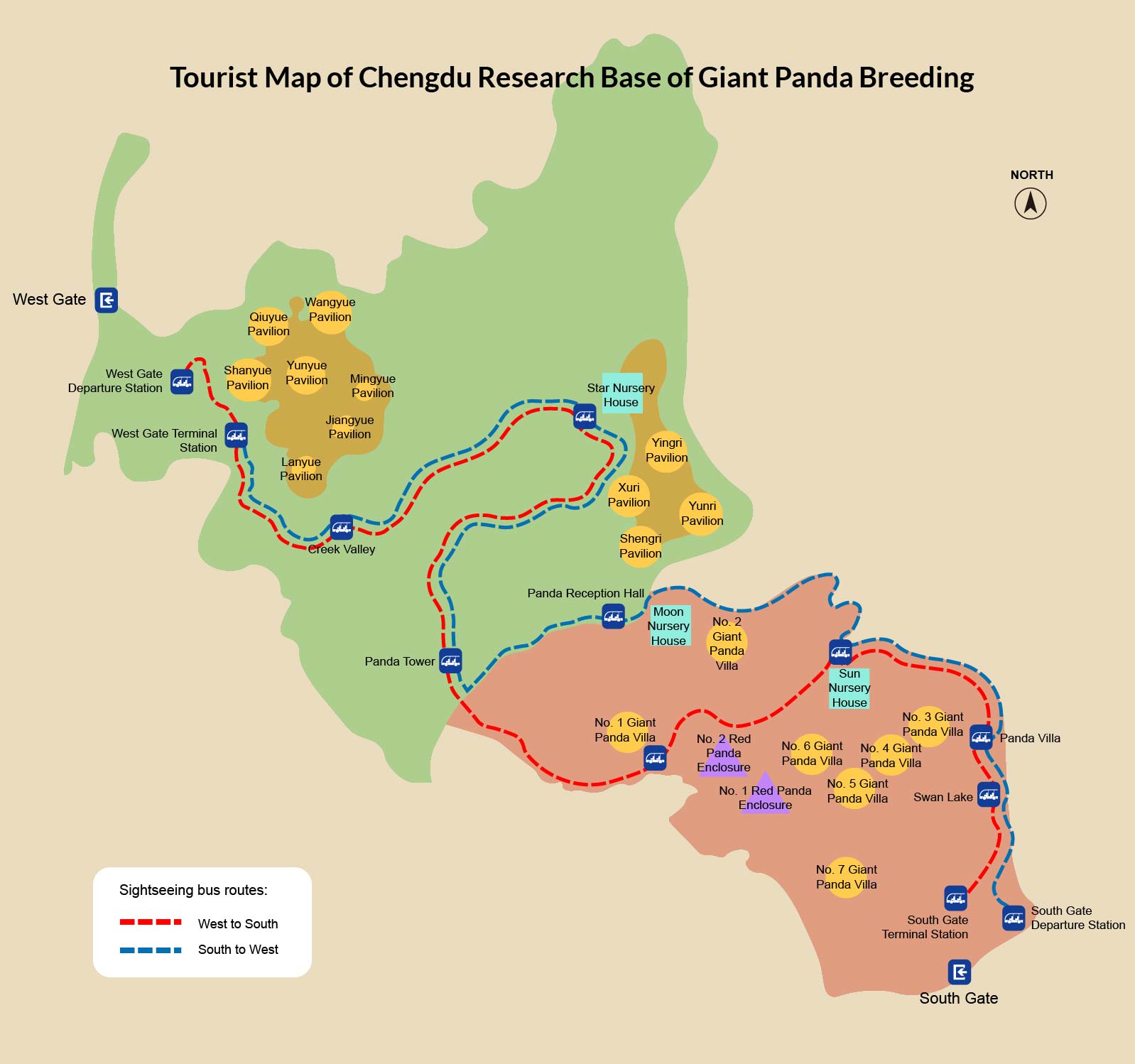
For most of people travelling to Chengdu, the first thing to do is to view pandas and the best site is the Chengdu Panda Base in close proximity to the downtown area. A total of 260 pandas live here, with the megastar Hua Hua. Her chubby face and slow-paved movements enchant countless tourists. Another good place to see pandas in Chengdu is the Wolong Natural Reserve where you can experience a panda keeper’s day as a volunteer, make food for pandas, and clean their houses.
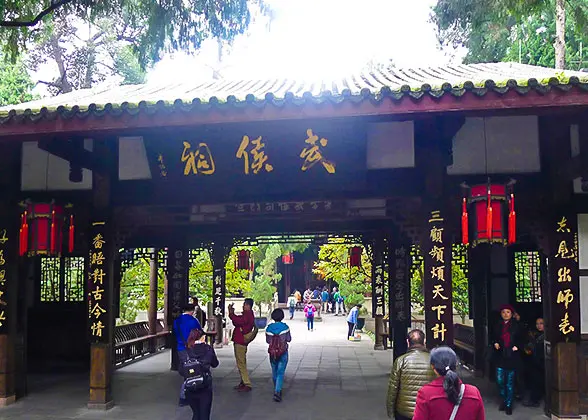
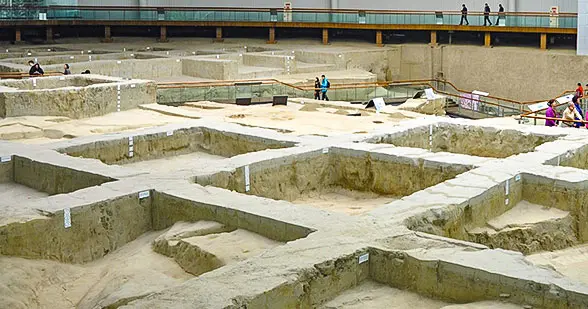
Chengdu is the birthplace of the mysterious Shu Civilization with a history more than 2,000 years. In the Sanxingdui Museum, the uniquely shaped bronze sacred tree, the highly expressive bronze mask, and the large sun-shaped bronze object are simply the gifts from aliens. Besides, Chengdu was the capital city of the Kingdom of Shu in China’s Three Kingdoms Dynasty (220 - 280), and if you are curious about hero stories of this period, don’t miss the Wuhou Temple.
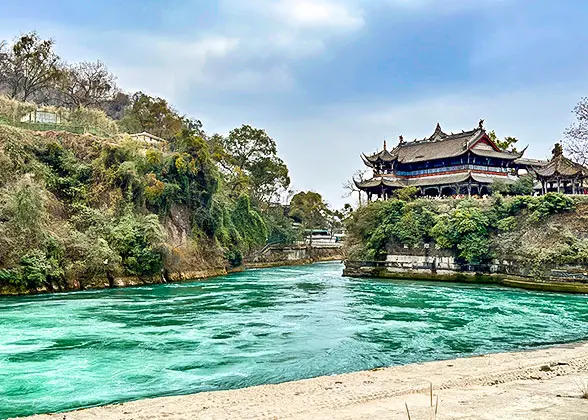
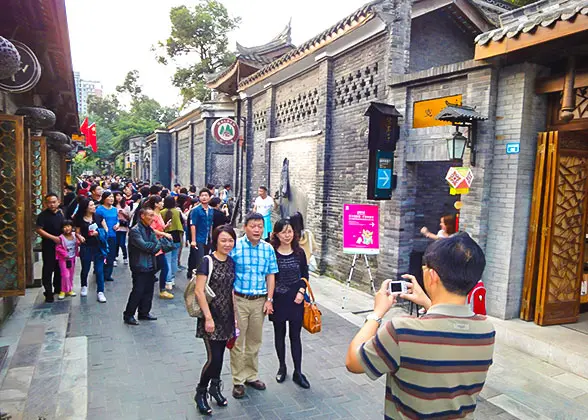
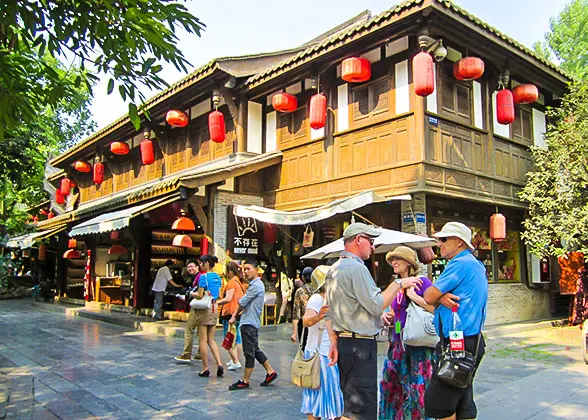
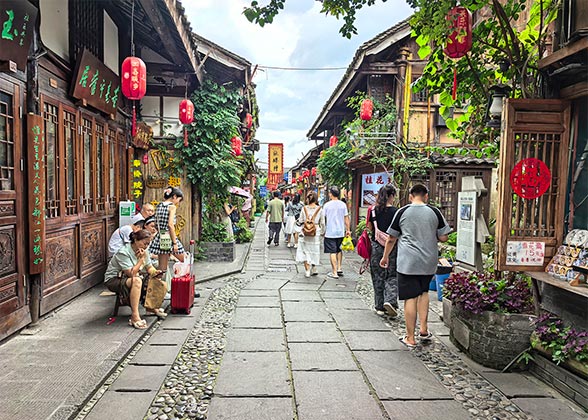
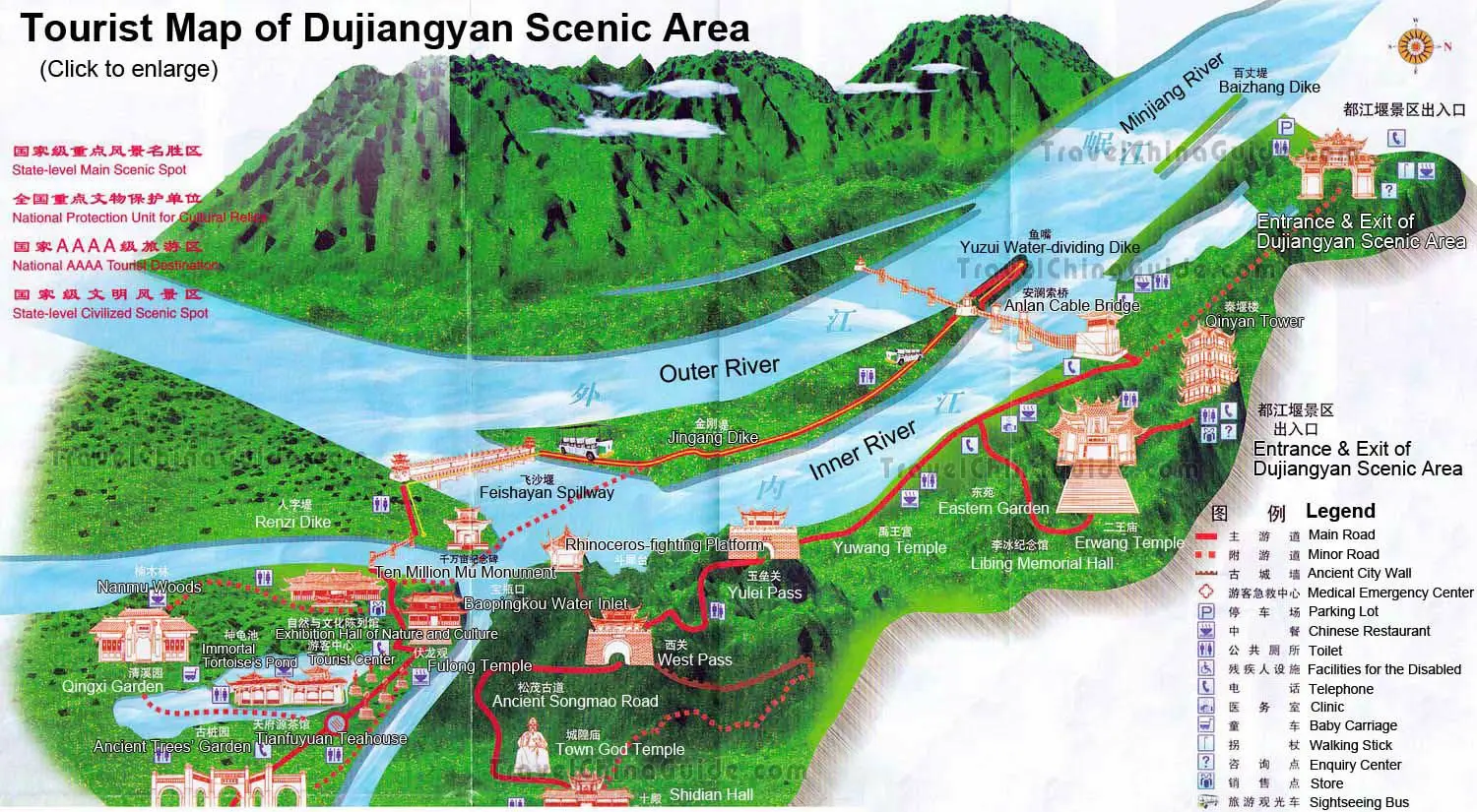
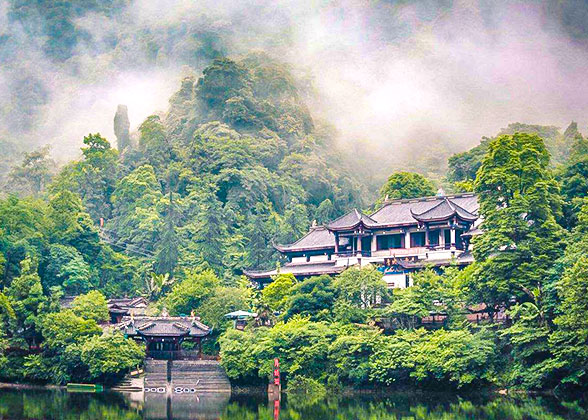
Chengdu also boasts World Heritage Sites. The Mount Qingcheng, as a major birthplace of Taoism, is a good place for relaxation and admiring impressive natural scenery and ancient temples. The 2,200-year-old Dujiangyan Irrigation System embodies ancient people’s wisdom and is still in operation. In addition, Chengdu is a wonderful place to take a city walk. If you want to visit the most fashionable and bustling block in Chengdu, don’t miss the Chunxi Road, and if you prefer to indulge yourself into the most real street life of the city, just wander around the Wide and Narrow Valley.
For most tourists, it’s suitable to spend 2 to 4 days on a Chengdu tour. Two days is enough for you to visit the Chengdu Panda Base and some top attractions in the downtown area like Wide and Narrow Alley and Chunxi Road. To visit top attractions relatively far away from downtown Chengdu, such as the Dujiangyan Irrigation System, the Mount Qingcheng, and the Sanxingdui Museum, it’s suitable to arrange a day trip.
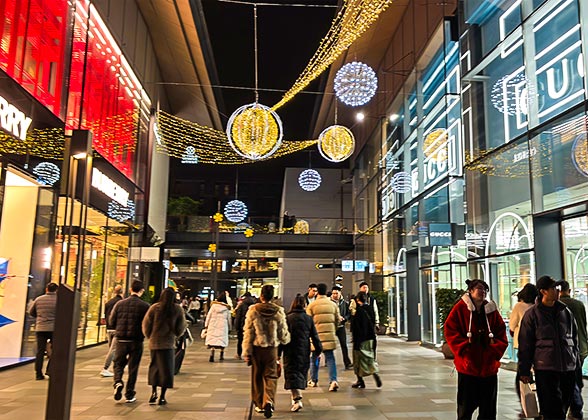
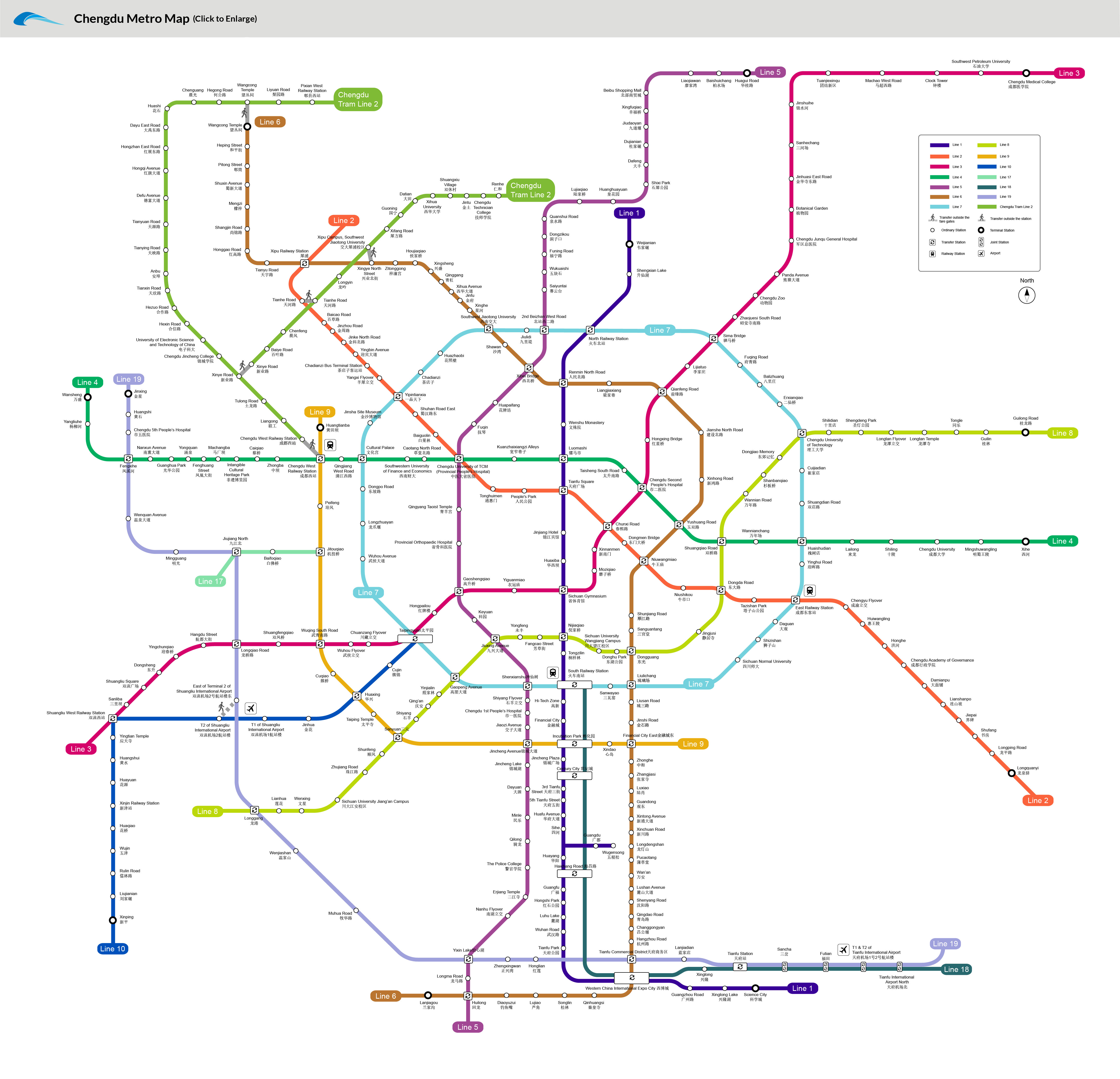
It’s recommended to live in the Chunxi Road area, a popular commercial district featuring a great number of restaurants and fashion stores and also the junction of Metro Line 2 and Line 3. So, it’s convenient to enjoy delicious food and shopping here and get to other attractions. However, the accommodation costs here are relatively high.
Another good choice is to stay in the Yulin Road area in an authentic local atmosphere. After you wake up in your hotel room, you can go to the nearby market and enjoy a typical Chengdu breakfast. Besides, it’s conveniently located and the hotel room prices here are relatively low.
Chengdu is an essential transportation hub in the southwest region of China, and it’s quite convenient for international tourists to reach and tour around.
For international tourists, the Tianfu International Airport is the main hub to get to Chengdu, and it operates over 70 international air routes, with direct ones from Los Angeles, London, Frankfurt, Rome, Paris, Tokyo, and Seoul... Besides, the airport connects Chengdu with over 200 cities in China, like Beijing, Shanghai, and Guangzhou, from which you can easily get to Chengdu within 3 hours by air.
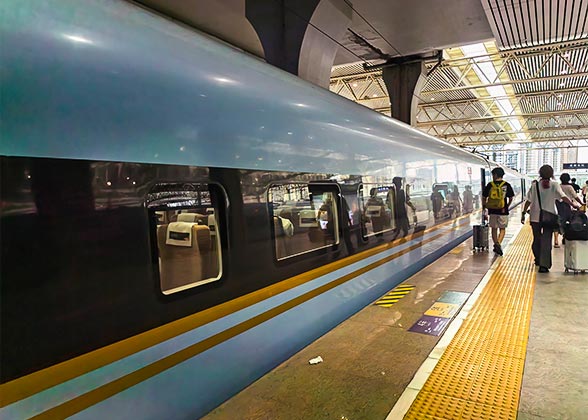
From other Chinese cities to Chengdu, you can alternatively consider taking a high-speed train to the Chengdu East Railway Station, which is closer to the city center than the Tianfu International Airport. Moreover, in terms of short to medium-distance trips, such as those from Chongqing, Xi’an, and Kunming to Chengdu, it’s faster and more economical to take a high-speed rail than a plane.
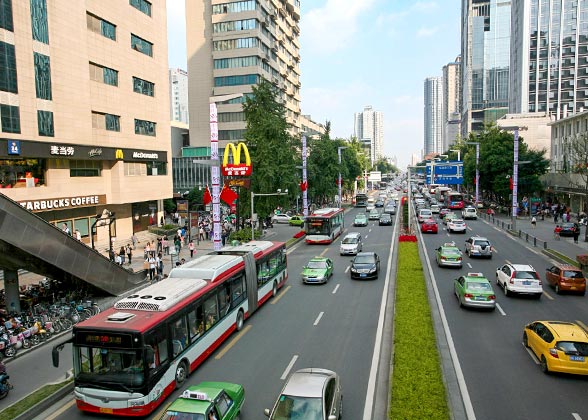
The means of transportation in downtown Chengdu are mainly metros, taxis, direct tourist buses, buses, and shared bikes.
To tour around Chengdu conveniently and high-efficiently, it’s suggested to take a metro and it takes you about 1 hour to get to most of the attractions in the downtown area. For a group of 2 to 4 people, especially those traveling with children and the elderly, taxis are the most suitable choice by which you can directly get to the attraction entrance. Taking a direct tourist bus is also worth considering. With no need for a transfer halfway, you can reach the Chengdu Panda Base, the Dujiangyan, the Mount Qingcheng, and the Sanxingdui Museum directly.
Chengdu has a subtropical monsoon climate with four distinct seasons. July and August are the hottest months throughout the year, with the highest temperature often reaching near 40°C (104°F). January is the coldest month, but temperatures usually do not drop below 3°C (37°F).
March to May and September to November are the best times to visit Chengdu, during which the climate is mild and rainfall is relatively low, making it ideal for outdoor sightseeing. In addition, pandas stay longer in the outdoor during these periods, so you’re more likely to see these adorable and active creatures at their enclosures.
Chengdu is one of the most popular culinary capitals in China, and anyone visiting the city should enjoy hot pot, street food, and Sichuan Cuisine here. The Chengdu Hot Pot perfectly balances the numbing and spicy taste and the aromatic flavor. Among all the street snacks, Sweet Water Noodles is the most recommended. The thick noodles are coated with rich sauce, and once you take a bite, you will savor sweet, spicy, and salty tastes successively. Here’s a useful tip for you to find the most authentic Sichuan Cuisine: go to the surrounding areas of residential communities and enter the restaurant with the most local people, and your taste buds will surely be satisfied.
In recent years, more and more people show an interest in the leisurely and slow-paced lifestyle of people in Chengdu, and the topic of “Becoming a Chengduer” has been increasingly popular across the internet. So, what is actually Chengdu people’s life like, and how to experience Chengdu like a local?
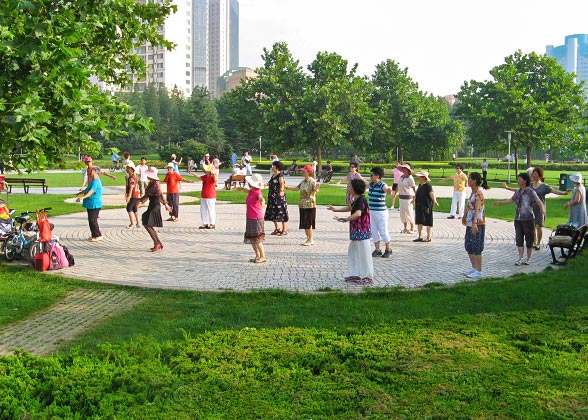
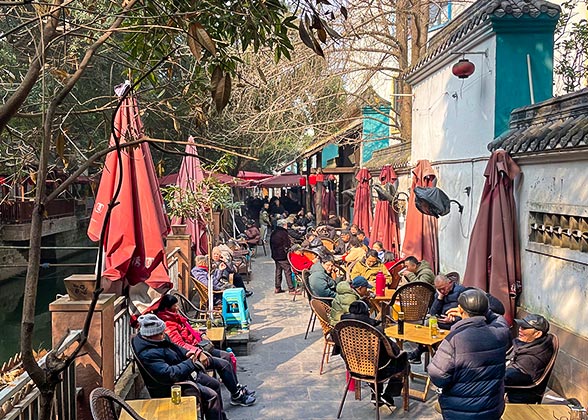
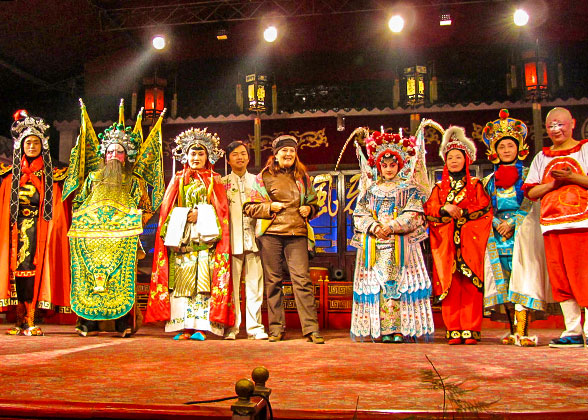
After you wake up late in the morning, you can have breakfast with tofu pudding or noodles with minced pork sauce. Afterwards, take a city walk to the People’s Park, and join the elderly playing Tai Chi and enjoying square dancing; hot pot is the best option for lunch, and after this, the must-visit place is the teahouse of Chengdu. Sitting on a bamboo chair, you savor the fragrant tea while watching a Sichuan Opera Face-changing or Kung-fu Tea performance, and enjoy relaxing ear cleaning, spending your cozy afternoon. At dusk, it’s time to taste authentic Chengdu snacks in the night market.
The nightlife of locals is also quite enjoyable. By sitting on the riverside music square and listening to the Chengdu-style folk songs, experiencing the enthusiastic atmosphere in live houses and bars, or cruising on the Jinjiang River flowing through Chengdu and admiring illuminated views on both sides, you can always sense the vibrant energy of Chengdu.
Top 10 Things to Do in Chengdu
10 Best Places to Visit in Chengdu for First-time Visitors
Gourmet Paradise: 10 Tourist Cities in China for Food Lovers
Sichuan - Tibet Overland Adventure
More than these, the mysterious ancient bronze mask in the Sanxingdui Museum, the magical Sichuan Opera Face-changing performance, and the unique laid-back lifestyle of local people in Chengdu all endow the city with extraordinary charm.
In addition, Chengdu is the first Asian city listed as the City of Gastronomy by UNESCO, and it attracts foodies all around the world with its wide variety of delicious foods, from pungent and spicy Chengdu Hot Pot to deep-fried sweet glutinous rice balls.
For most of people travelling to Chengdu, the first thing to do is to view pandas and the best site is the Chengdu Panda Base in close proximity to the downtown area. A total of 260 pandas live here, with the megastar Hua Hua. Her chubby face and slow-paved movements enchant countless tourists. Another good place to see pandas in Chengdu is the Wolong Natural Reserve where you can experience a panda keeper’s day as a volunteer, make food for pandas, and clean their houses.
Chengdu is the birthplace of the mysterious Shu Civilization with a history more than 2,000 years. In the Sanxingdui Museum, the uniquely shaped bronze sacred tree, the highly expressive bronze mask, and the large sun-shaped bronze object are simply the gifts from aliens. Besides, Chengdu was the capital city of the Kingdom of Shu in China’s Three Kingdoms Dynasty (220 - 280), and if you are curious about hero stories of this period, don’t miss the Wuhou Temple.
Chengdu also boasts World Heritage Sites. The Mount Qingcheng, as a major birthplace of Taoism, is a good place for relaxation and admiring impressive natural scenery and ancient temples. The 2,200-year-old Dujiangyan Irrigation System embodies ancient people’s wisdom and is still in operation. In addition, Chengdu is a wonderful place to take a city walk. If you want to visit the most fashionable and bustling block in Chengdu, don’t miss the Chunxi Road, and if you prefer to indulge yourself into the most real street life of the city, just wander around the Wide and Narrow Valley.
How Long to Stay in Chengdu?
Where to Stay in Chengdu?
Another good choice is to stay in the Yulin Road area in an authentic local atmosphere. After you wake up in your hotel room, you can go to the nearby market and enjoy a typical Chengdu breakfast. Besides, it’s conveniently located and the hotel room prices here are relatively low.
|
|
Transportation
How to Get to Chengdu?
From other Chinese cities to Chengdu, you can alternatively consider taking a high-speed train to the Chengdu East Railway Station, which is closer to the city center than the Tianfu International Airport. Moreover, in terms of short to medium-distance trips, such as those from Chongqing, Xi’an, and Kunming to Chengdu, it’s faster and more economical to take a high-speed rail than a plane.
How to Get Around Chengdu?
To tour around Chengdu conveniently and high-efficiently, it’s suggested to take a metro and it takes you about 1 hour to get to most of the attractions in the downtown area. For a group of 2 to 4 people, especially those traveling with children and the elderly, taxis are the most suitable choice by which you can directly get to the attraction entrance. Taking a direct tourist bus is also worth considering. With no need for a transfer halfway, you can reach the Chengdu Panda Base, the Dujiangyan, the Mount Qingcheng, and the Sanxingdui Museum directly.
|
|
Chengdu has a subtropical monsoon climate with four distinct seasons. July and August are the hottest months throughout the year, with the highest temperature often reaching near 40°C (104°F). January is the coldest month, but temperatures usually do not drop below 3°C (37°F).
March to May and September to November are the best times to visit Chengdu, during which the climate is mild and rainfall is relatively low, making it ideal for outdoor sightseeing. In addition, pandas stay longer in the outdoor during these periods, so you’re more likely to see these adorable and active creatures at their enclosures.
Chengdu Food
|
|
Chengdu Local Life
After you wake up late in the morning, you can have breakfast with tofu pudding or noodles with minced pork sauce. Afterwards, take a city walk to the People’s Park, and join the elderly playing Tai Chi and enjoying square dancing; hot pot is the best option for lunch, and after this, the must-visit place is the teahouse of Chengdu. Sitting on a bamboo chair, you savor the fragrant tea while watching a Sichuan Opera Face-changing or Kung-fu Tea performance, and enjoy relaxing ear cleaning, spending your cozy afternoon. At dusk, it’s time to taste authentic Chengdu snacks in the night market.
The nightlife of locals is also quite enjoyable. By sitting on the riverside music square and listening to the Chengdu-style folk songs, experiencing the enthusiastic atmosphere in live houses and bars, or cruising on the Jinjiang River flowing through Chengdu and admiring illuminated views on both sides, you can always sense the vibrant energy of Chengdu.
|
|
Recommended Tours


Further Reading
10 Best Places to Visit in Chengdu for First-time Visitors
Gourmet Paradise: 10 Tourist Cities in China for Food Lovers
Sichuan - Tibet Overland Adventure
- Last updated on Oct. 13, 2026 by Alex Jin -