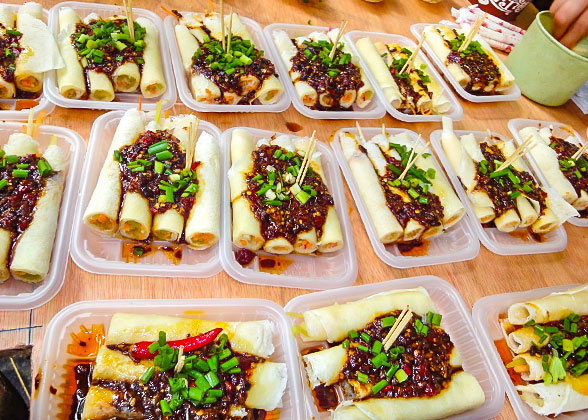
Chengdu is a city of diverse charms. As the Home of China Giant Pandas, it’s the best place to view these endearing treasures in the world. As the birthplace of the ancient Shu Civilization, Chengdu amazes people with the unique cultural relics in the Sanxingdui Museum. Known as the City of Gastronomy, Chengdu boasts numerous hot pot restaurants, Sichuan Cuisine restaurants, and snack stalls, and any foodie travelling to the city can enjoy an authentic feast. Besides, Chengdu features a slow pace of life, attracting numerous tourists to enjoy a day of locals, savor a cup of tea, and watch a Sichuan Opera Face-changing performance.
No single tag can fully define Chengdu, and if you want to discover its appeal, why not visit the following attractions to explore this dynamic and laid-back city?
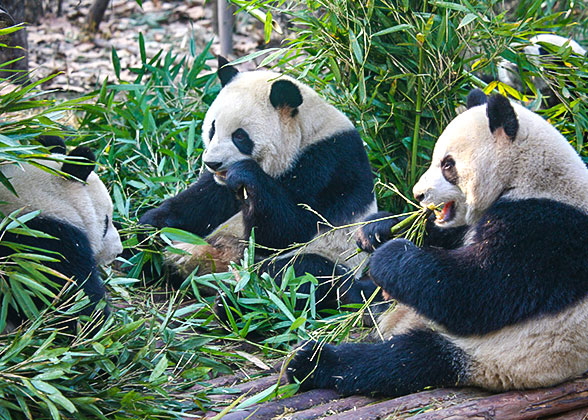
The first thing to do for people visiting Chengdu is definitely to view giant pandas, and for them, the most convenient and popular spot is the Chengdu Panda Base only 10 kilometers (6 miles) away from the downtown area. The base serves as the habitat of 260 pandas of all ages, from several-month-old panda cubs in pinkish and light grey fur to elderly pandas equivalent to 80-year-old people. In the Chengdu Panda Base, you’re highly suggested to view the celebrity panda Hua Hua who wins affection of tourists with a round and chubby figure and slow-paced movements. Many people travelling to Chengdu just wish to see her face to face.
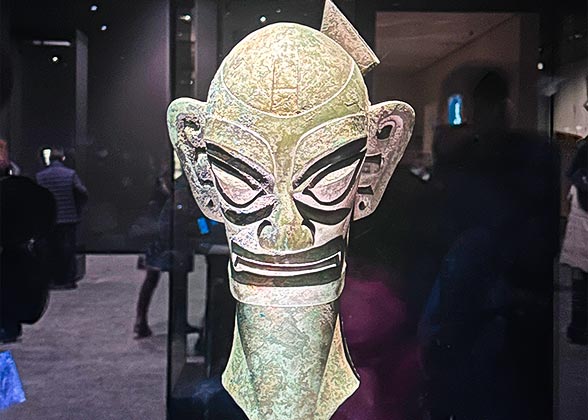
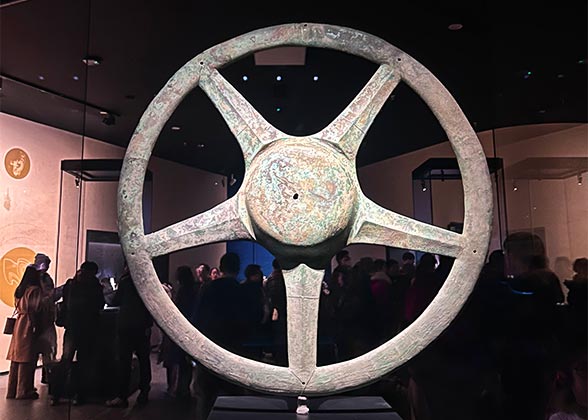
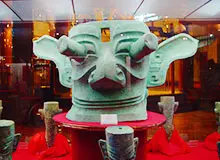
Once you enter the Sanxingdui Museum, it’s as if you step in the territory of the mysterious Shu Civilization with a history of over 2,000 years. You can hardly find any museum in the world that collects as many uniquely shaped cultural relics as this one. The Bronze Standing Figure nearly 3 meters (10 feet) tall is reputed to be the “King of Bronze Statues in the World”. The 4-meter-high (13 feet) Bronze Sacred Tree contains three-layered curved branches on which bronze birds stand and seem to play the role of messengers bridging the gap between the heaven and earth. Don’t forget to view the large bronze mask with protruding eyes and wing-like ears. Rather than being a masterpiece by ancient Shu people living more than 3,000 years ago, it’s more like a “Gift from the Aliens”!
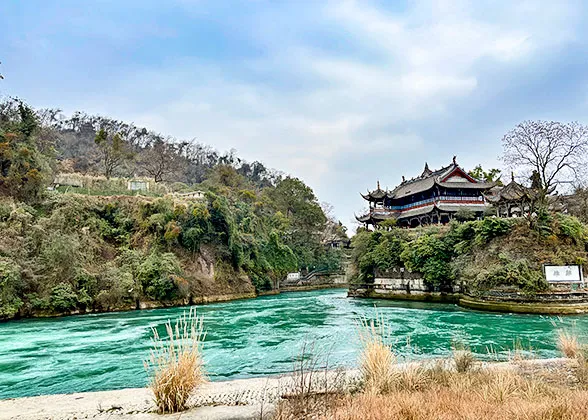
About 2,200 years ago, to solve flooding problems on the Chengdu Plain, people built the Dujiangyan Irrigation System. At present, this system still functions well, and has been honored as an architectural marvel and listed as a World Heritage by UNESCO. The fish-mouth-shaped dam divides the river into two parts in a 4:6 ratio, draining off the floodwaters and providing irrigation water for the plain. Standing on the Yulei Pavilion, the highest spot of the attraction, you can get a panoramic view of the magnificent Dujiangyan Irrigation System. In the daytime, the emerald-green river rushes forward, while at night, under the illumination of lights, the river is in a stunning blueish-green hue, attracting a large number of people on the bank to admire.
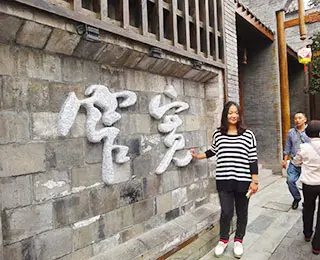
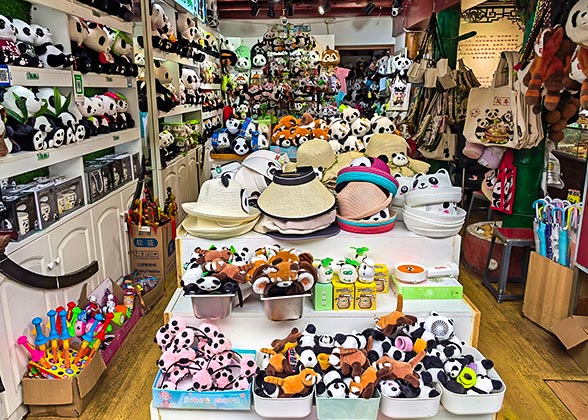
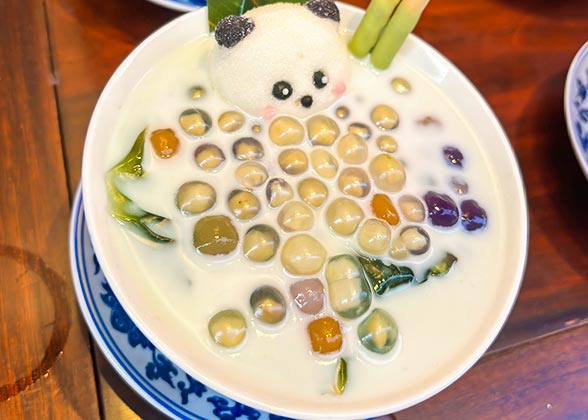
As a must-visit historical and cultural block in Chengdu, the Wide and Narrow Alleys is composed of the Wide Alley, the Narrow Alley, and the Well Alley. The Wide Alley is the widest and most primitive one among the three alleys. While you’re admiring the 300-year-old traditional residences, don’t forget to browse in the cultural and creative goods stores and buy your favorite panda-themed products. In the Narrow Alley perfectly combining tradition and modernity, whether to have a cup of coffee in a quadrangle dwelling, or enjoy a panda-shaped cake in the western-style building, it’s truly a wonderful travel experience. The 400-meter-long (440 yards) Well Alley is a good place to wander along because it’s constructed with bricks used for the city wall of Chengdu in different periods.
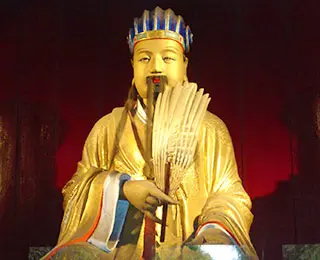
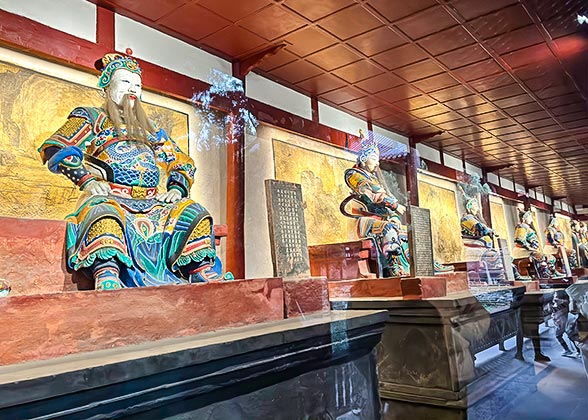
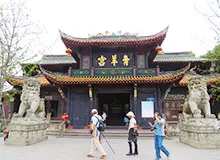
As a famous historical site in Chengdu, the Wuhou Temple enshrines the virtuous and modest ruler Liu Bei and the brilliant prime minister Zhuge Liang of the Shu Kingdom in China’s Three Kingdoms Period (228 - 280). The partnership between these two people features tacit understanding and absolute trust, and has become a supreme model in Chinese history. Wandering around the Wuhou Temple dotted with ancient trees and steles, you can admire 28 statues of civil officials and military generals, and also listen to the tour guide telling heroic stories about the period of wars and strategies. Moreover, don’t forget to visit the red wall alley here. The lush bamboo grove sways with the wind, and the red wall are dappled with bamboo shadows.
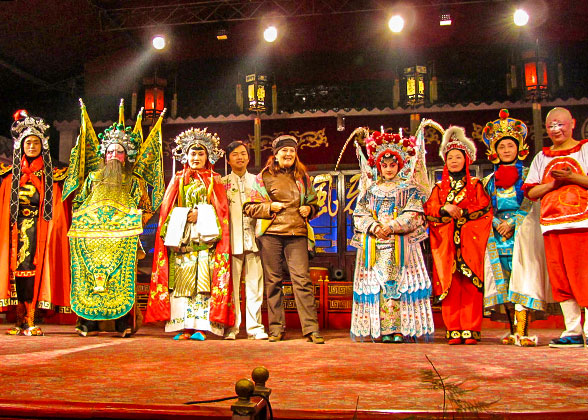
Right next to the Wuhou Temple is the Jinli Ancient Street, a good strolling spot with plenty of tea houses and artifact shops in traditional Chinese architectural styles and lines of food stalls. On the stage of the tea house, as the Sichuan Opera actor sweeps a fan downward over his face, his oil-painting masks switch swiftly and will surprise you over and over again. In the artifact shop, you just need to sit opposite the skilled artisan for about 20 minutes, and he can mold a clay figurine almost exactly like you. In front of the sugar painting stall, you can order a sugar painting in the pattern of your Chinese Zodiac and watch the artisan making it little by little. By the way, the Jinli Ancient Street is the most impressive at night when rows and rows of lanterns are lit and all the street is in an antique atmosphere.
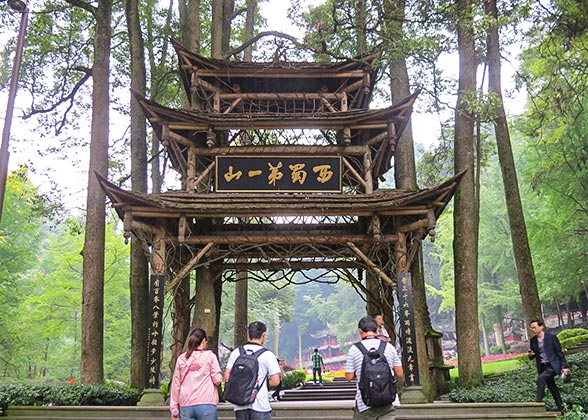
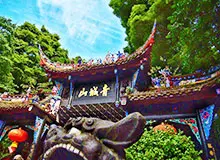
The Mount Qingcheng is also the UNESCO World Heritage in Chengdu. It’s one of the main birthplaces of the Chinese Daoism and composed of the front mount and the back mount. On the front mount, you can view ancient Daoist temples and find the perfect integration of architecture and nature. The Nature Pavilion, constructed with timber piles, bark, and vines, is the best example. By virtue of luxuriant vegetation and fresh air, the back mount is an ideal location for hiking. As you stroll on the walkway built on the pool, chirping of birds and cascading sound of waterfalls will linger in your ears.
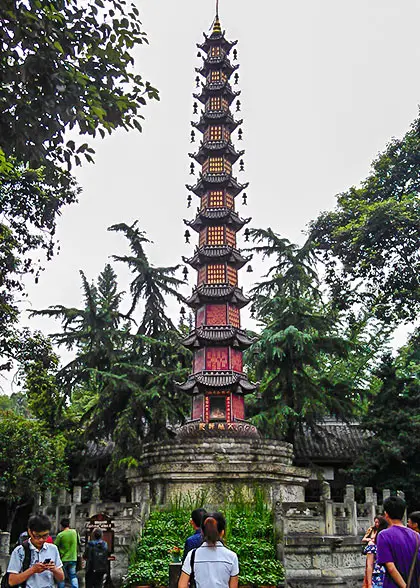
If you want to find a tranquil attraction in bustling downtown Chengdu, the Wenshu Monastery is the top choice. It’s the best-preserved Buddhist temple in the city and also a good place to pray for world peace. In the monastery, a distinctively designed pagoda for about 20 meters (65 feet) high will attract your attention. This iconic building with 1,000 Buddhist statues symbolizes the aspiration for world peace. The towering gingko trees and the ancient Buddhist halls complement each other perfectly, and the burning blessing cradles are neatly arranged. Strolling around this serene monastery, your mind will be greatly relaxed.
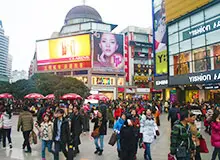
The Chunxi Road area is one of the most popular commercial districts in Chengdu, and also a top spot for a city walk. The landmark of the Chunxi Road is the huge panda statue on the top of the IFS building, and people are eager to take photos with it. During your walk, why not enjoy the delicious Sichuan Cuisine or Chengdu Hot Pot in restaurants along the surrounding alleys?
The Taikoo Li commercial district adjacent to the Chunxi Road is also worth a visit. The buildings here feature grey tiled roofs in a traditional style of Chengdu residences and also modern glass curtain walls, connecting the past and the present. Another must-see view here is the panda animations on the super-large naked-eye 3D screen of the shopping mall. The panda on the screen is quite cute and friendly, and once it extends its paw, it seems to come out of the screen and approach you.
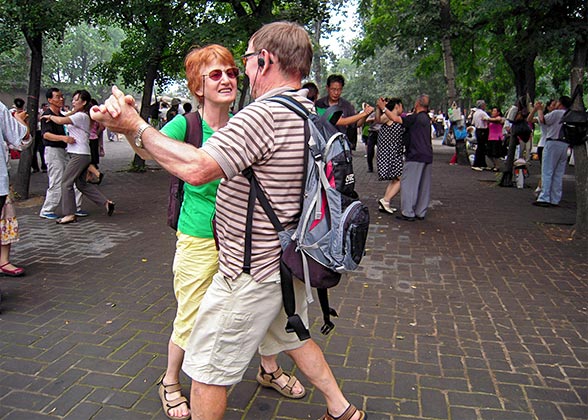
Chengdu allures people with its laid-back life style, and the best spot to experience local people’s leisurely life is the Chengdu People’s Park. Here, you can stand around the senior choir group and listen to their highly infectious songs, and sit at the same table with local people and play Mahjong together. In the lakeside tea house, it’s enjoyable to savor fragrant tea and Chengdu snacks, and also closely watch performers making a Kung-fu Tea show.
What’s even more interesting is that you’ll definitely be drawn to the long corridor lined with pink and blue paper sheets on both sides. Actually, this is a special way for local people to find life partners, and many people learn about a person through the information on the paper sheet. This can be regarded as the most distinctive cultural scene in Chengdu.
 You may like:
 Top 10 Things to Do in Chengdu