Shanghai Museum
East Wing of Shanghai Museum - Housing Most Chinese Cultural Relics
Must-See Cultural Relics
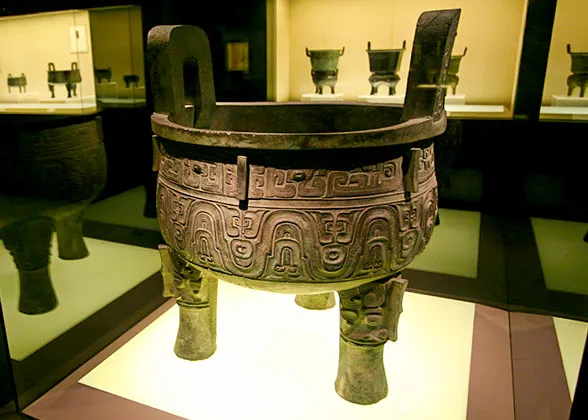
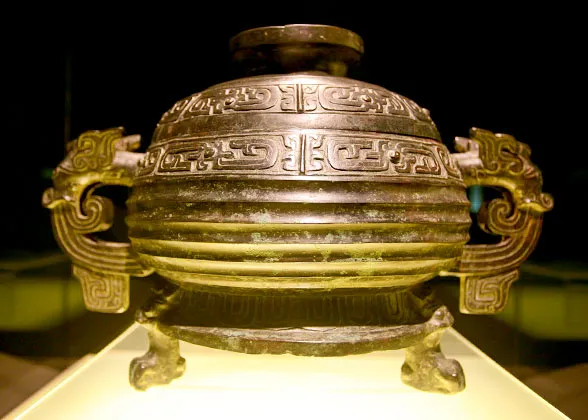
Late Western Zhou Dynasty (1046 - 771 BC)
A large bronze ritual tripod cast by an aristocrat for his grandfather, one of the largest surviving bronze tripods in China.
|
|
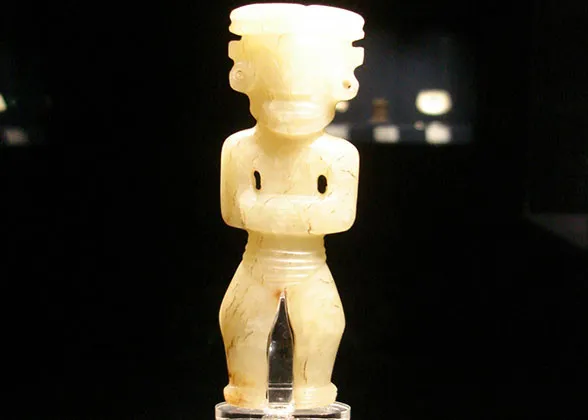
2. Jade Humanoid Deity - Ancient Chinese Jade Gallery
Neolithic Period (10000 - 2000 BC)
A deity figure carved from greenish-yellow jade, wearing a flat-topped crown with hands crossed over the chest.
3. Northern Song Ru Ware - Ancient Chinese Ceramics Gallery
Northern Song Dynasty (960 - 1127)
An elegant plate with a sky-blue glaze, originally made for imperial use.
|
|
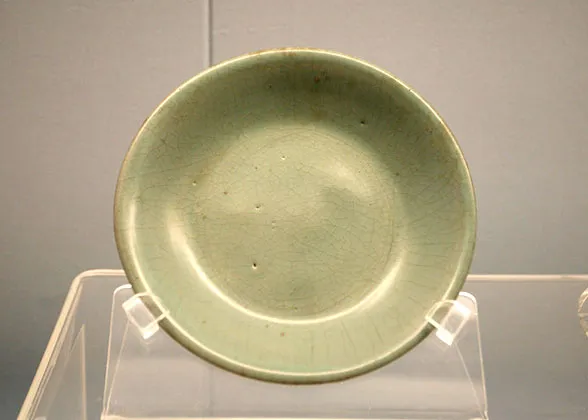
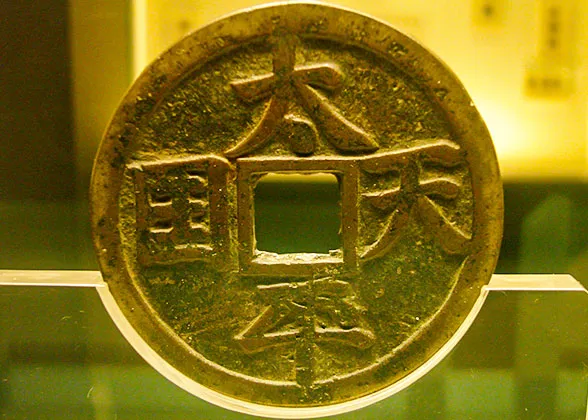
The Taiping Heavenly Kingdom Period (1851 - 1864)
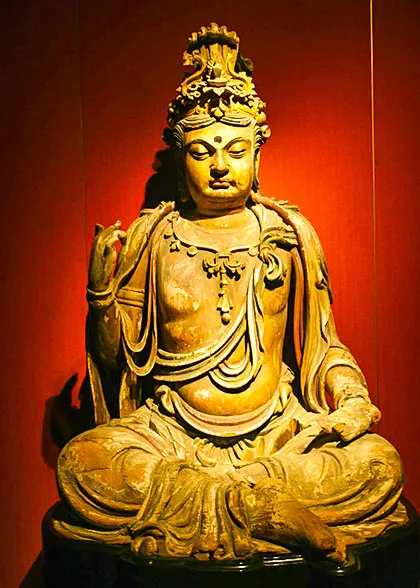 |
| Gilded Wooden Avalokitesvara |
5. Lacquered, colored, and gilded wooden Avalokitesvara - Ancient Chinese Sculpture Gallery
Song Dynasty (960 - 1279)
A wooden Bodhisattva statue decorated with gold lacquer and paint, representing classic Song Buddhist art.
6. Huai Su's Cursive Script Handscroll - Ancient Chinese Calligraphy Gallery
Tang Dynasty (618 - 907)
An authentic cursive script by the famous calligrapher Huai Su, recording a letter to his friend.
Eight Permanent Galleries
Covering about 1,200 square meters (12,917 square feet), it is the first gallery dedicated entirely to ancient Chinese bronze art. With over 500 pieces on display, the exhibition is arranged in eight sections chronologically, tracing the evolution of bronze ware from around the eighteenth-century BC to the mid-nineteenth century BC.
|
|
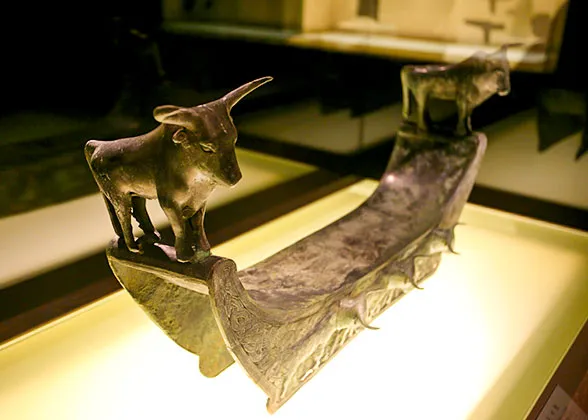
2. Ancient Chinese Sculpture Gallery - 1F
This gallery features 289 three-dimensional sculptures of 13 different types; about one-third of these exhibits are being shown to the public for the first time. The collection has five main sections, ranging from 1600 BC to 1912, approximately 3,900 years. A unique feature is the "open display" area, which allows visitors to get a close, unobstructed view of some of the most important sculptures.
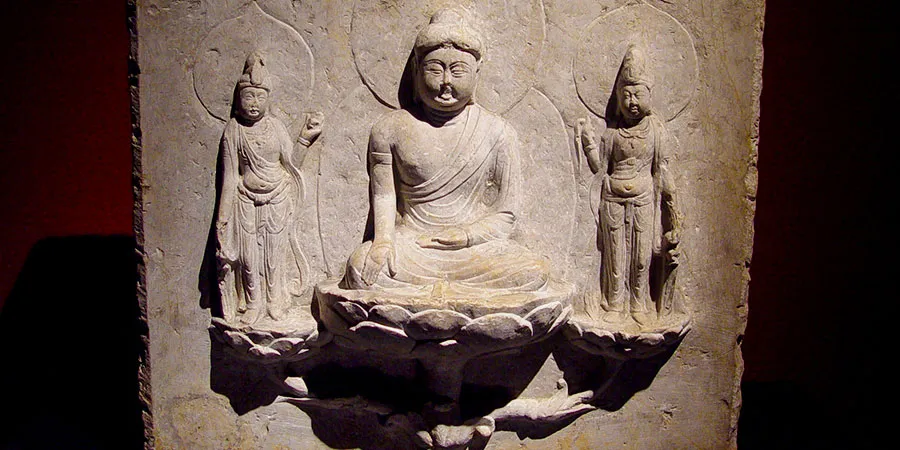 |
| Stone Monument of Sakyamuni Buddha |
3. Ancient Chinese Jade Gallery - 2F
This hall presents more than 360 jade pieces, including significant cultural relics like a dragon-shaped pendant from the Warring States Period and beautiful jadeite ornaments from the Qing Dynasty (1644 - 1911), showcasing the continuous development of Chinese jade culture from the Neolithic Age through to the Qing Dynasty.
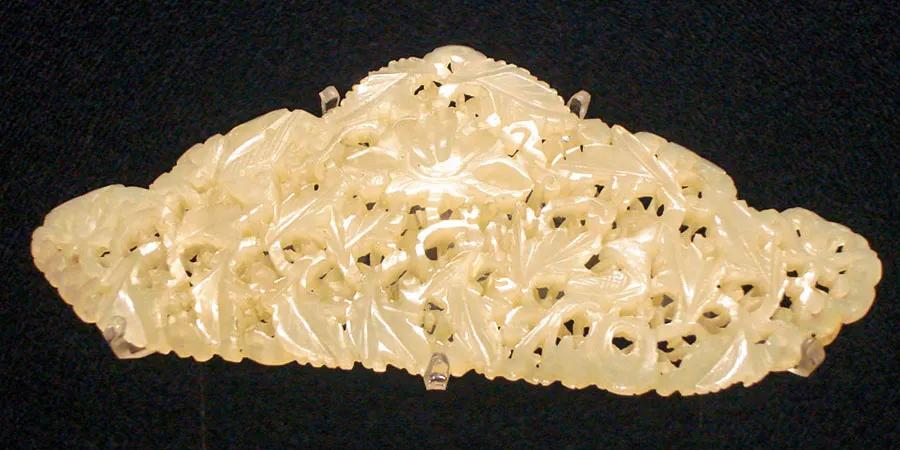 |
| Hairpin with Flower and Bird Design |
4. Chinese Calligraphy Gallery - 2F
This is the only permanent exhibition in the world dedicated to the complete history of Chinese calligraphy. It is arranged in seven sections in time order and features 267 works by legendary calligraphers such as Wang Xizhi and Huai Su. For the first time, many long handscrolls, which were previously only partially displayed, are now fully unrolled for visitors to appreciate in their entirety.
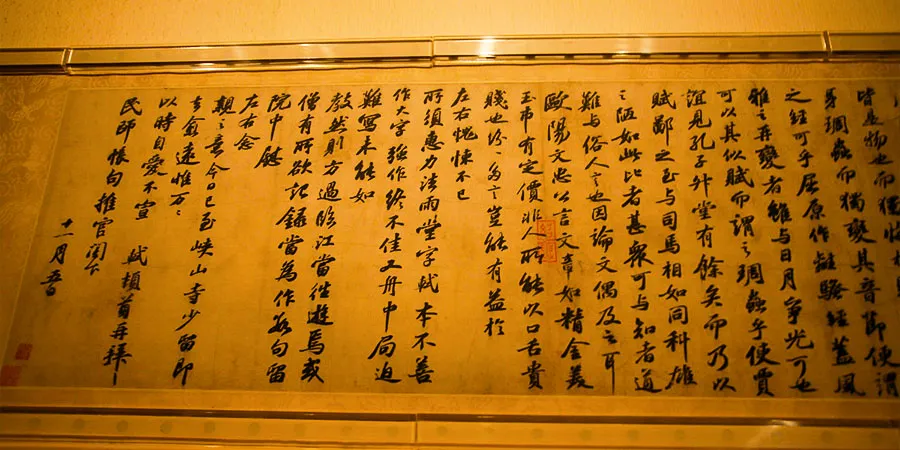 |
| Reply to Xie Minshi by Su Shi Handscroll |
5. Chinese Painting Gallery - 2F
It is the only gallery that systematically presents the full history of Chinese painting. When it first opened, it displayed 315 masterpieces, with over 70% of them first shown to the public. Because paintings are fragile and difficult to preserve, the gallery uses a rotation system, changing the exhibits every six months. The museum has prepared six different sets of displays, and it will take about three years to see all the collections.
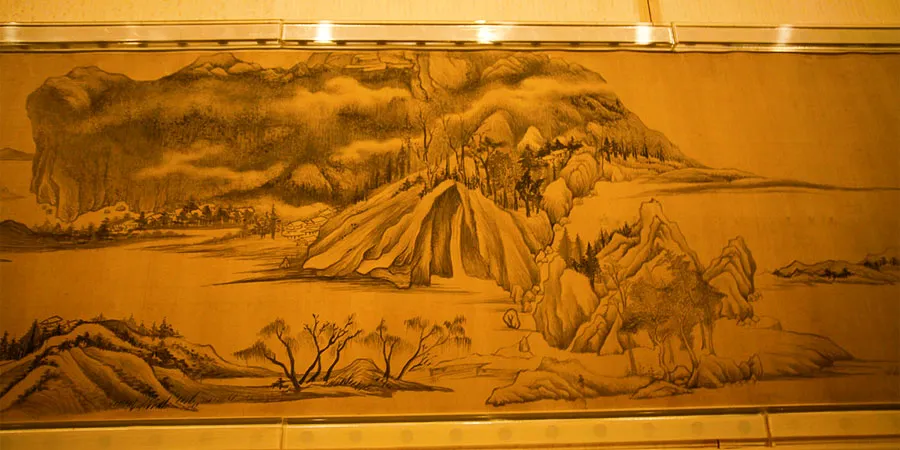 |
| Misty River and Mountains By Dong Qichang |
6. Chinese Seal Gallery - 2F
This is the first professional art gallery focused specifically on the art of Chinese seals and seal engraving. Through a careful selection of more than 500 cultural relics, it provides a comprehensive display of the development of seal art from the Western Zhou Dynasty right up to the end of the Qing Dynasty.
7. Ancient Chinese Ceramics Gallery - 3F
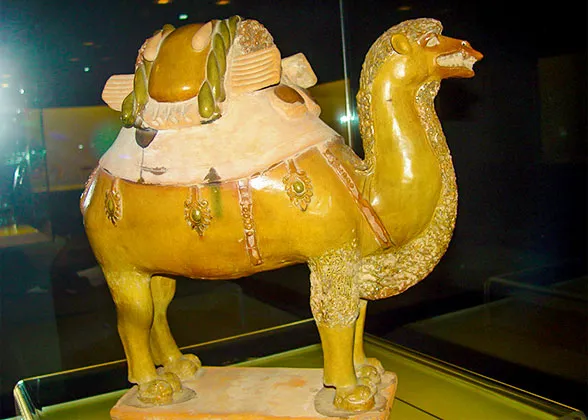
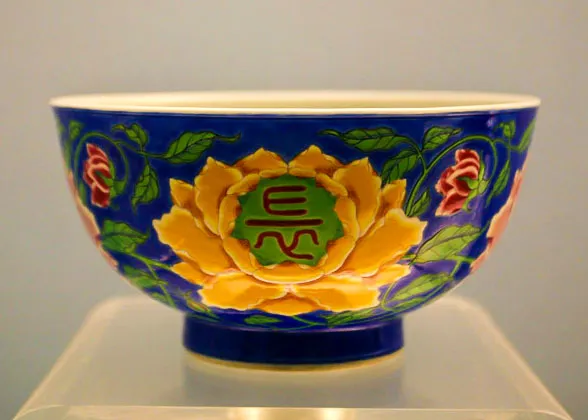
The collection of over 550 ceramic pieces in this hall is organized into seven sections, providing a thorough overview of China's 8,000-year ceramic history from the Neolithic Age to the late Qing Dynasty. Nearly half of these items are on public display for the first time. The collection has a strong focus on porcelain from the Qing imperial kilns, and many of these are paired.
|
|
8. Chinese Currency Gallery - 3F
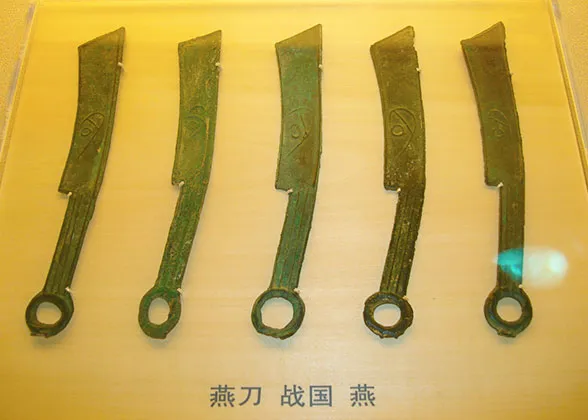
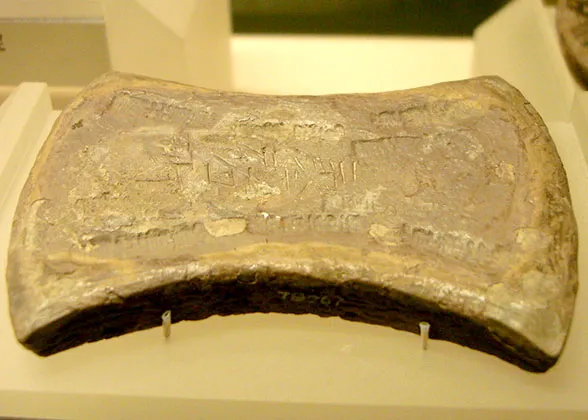
This hall displays an impressive 14,000 currencies, making it the permanent hall with the largest number of exhibits in the East Wing of the Shanghai Museum. Following a clear timeline across seven sections, it fully presents the developments of Chinese currencies over more than 3,000 years.
|
|
Shanghai Museum on People's Square - Focus on Foreign Cultural Relics
The Shanghai Museum on People's Square is located on People's Avenue in Huangpu District. It features two permanent galleries, which mainly display furniture from China's Ming and Qing dynasties and various handicrafts from Chinese ethnic minorities.
Additionally, the museum features a collection of over 10,000 foreign cultural relics and continues to acquire more from around the world, aiming to foster cultural exchange and mutual learning among civilizations.
Two Permanent Galleries
1. Chinese Ming and Qing Furniture Gallery - 4F
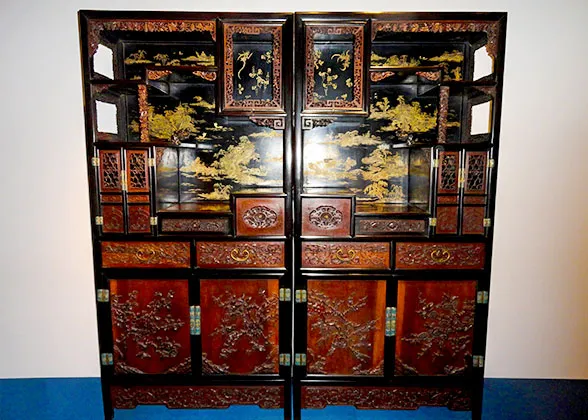
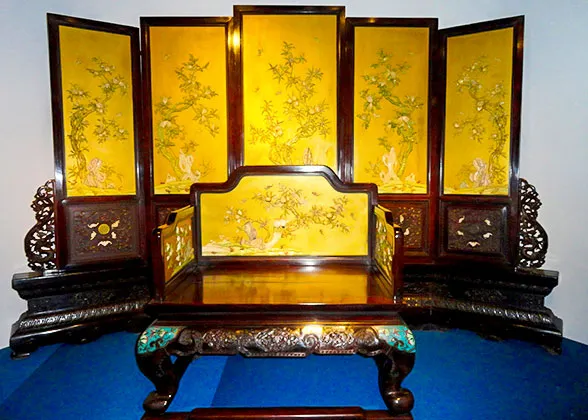
This gallery displays more than 100 exquisite pieces of Chinese furniture from the Ming and Qing dynasties, including beds, chairs, tables, and cabinets. Visitors can gain a clear understanding of the craftsmanship and artistic styles of ancient Chinese furniture.
|
|
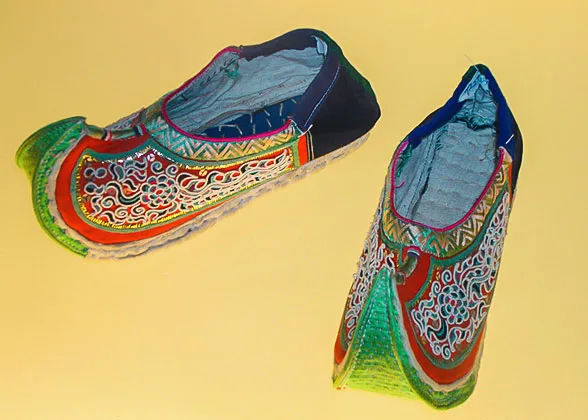
2. Chinese Minority Nationalities' Art Gallery - 4F
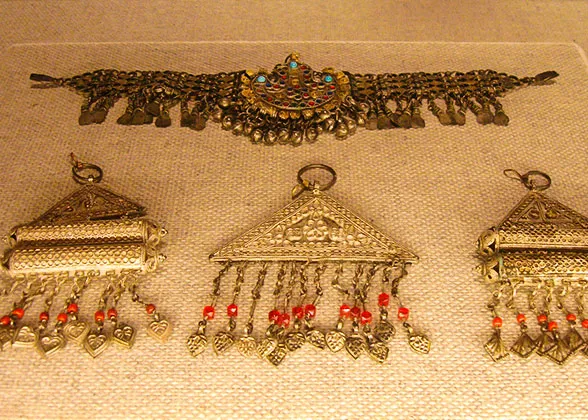
This gallery presents nearly 600 handicrafts from various Chinese ethnic minorities, including six sections and involving clothing, dyeing & weaving & embroidery, metalwork, carvings, lacquerware, rattan & bamboo weaving, and mask arts. Through these artifacts, visitors can develop a deeper appreciation of the customs and traditions of China's ethnic minority groups.
|
|
Special or Temporary Exhibitions
It also hosts special or temporary exhibitions of overseas relics on an irregular basis. For example, from late November 2024 to late March 2025, there was an Italian cultural relics exhibition titled Wonder of the World - China and Beyond in the Eyes of Marco Polo, and from July 2024 to August 2025, a major exhibition themed The Civilization of Ancient Egypt. Going forward, the museum will hold more overseas relic exhibitions, offering visitors exciting opportunities to explore diverse cultures in Shanghai.
How to get to the Shanghai Museum?
To the East Wing of the Shanghai Museum
 By Metro
1. Take Shanghai Metro Line 2 to Shanghai Science and Technology Museum. Exit from Exit 8 and walk approximately 500 meters (550 yards) south.
2. Take Line 4 to Xiangcheng Road. From Exit 2, head northeast for about 1.2 kilometers (0.7 miles).
3. Take Line 6 to Pudian Road. After exiting, proceed west for around 300 meters (330 yards).
|
|
By Bus
1. Take Bus No. 638 or 975 to South Yanggao Rd. Century Avenue. Walk north for about 300 meters (330 yards).
2. Take Bus No. 987 or Pudong 36 to Century Avenue Dingxiang Rd. A 300-meter (330-yard) walk north will lead you to the museum.
3. Take Pudong 106 to Pudian Rd. Zhulin Rd. and walk about 200 meters (220 yards) south or Pudong 78 to Jindai Rd. Yingchun Rd. and walk roughly300 meters (330 yards) south.
To Shanghai Museum on People's Square
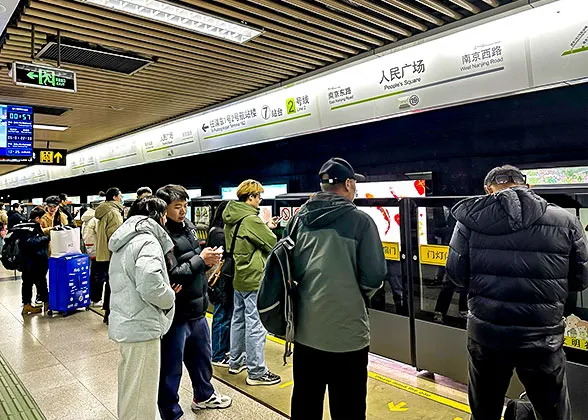
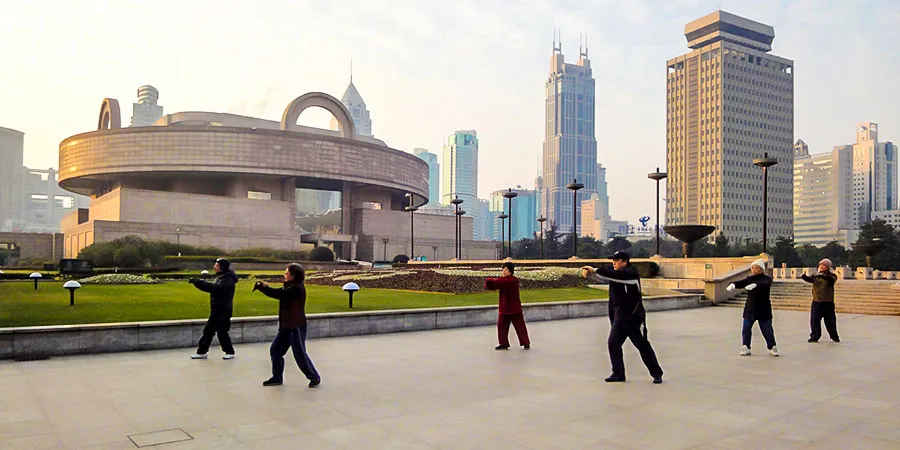
By MetroTake Metro Line 1, Line 2, or Line 8 and get off at People's Square Station. Take Exit 1 and walk southeast for about ten minutes.
 |
| Shanghai People's Square |
By Bus
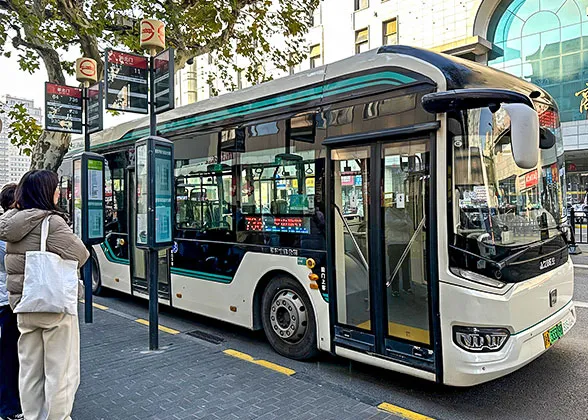
1. Take bus No. 18, 23, 42, 46, 49, or 71 to People's Square Station. From there, walk about 200 meters (220 yards) south.
2. Take City Sightseeing Bus Line 1 or Line 2 and get off directly near the museum.
3. Take Tunnel Line 6 or Tunnel Line 3 to People's Square Station, then walk approximately 700 meters (770 yards) southwest.
Shanghai Bus / Metro Search
Note: There are shuttle buses running between the two museums from Wednesday to Sunday. The fare is CNY 4, and the journey takes about 30 minutes.
General Information
| / | East Wing of Shanghai Museum | Shanghai Museum on People's Square |
|---|---|---|
| Entrance Fee | Free | |
| Reservation | Individual visitors do not need to make a reservation; they can enter directly with their passport. Groups of 20 or more must book 7 to 14 days in advance. | |
| Audio Guide in English | Rental: CNY 40 Deposit: None | Rental: CNY 40 Deposit: CNY 400 or 50 US dollars, or a passport |
| Opening Hours | 10:00 - 18:00 (last entry at 17:00); Closed on Tuesday except public holidays | 9:00 to 17:00 (last entry at 16:00); Closed on Monday, public holiday excepted. |
| Recommended Visit Duration | 2 - 4 hours | 1.5 - 2.5 hours |
Travel Tips
1. The museum is quite large, so wear comfortable shoes and leave enough time for your visit.
2. There are plenty of rest areas and water stations inside; Luggage storage is available near the entrance.
3. The museum tends to be crowded on weekends, Chinese public holidays, and during July and August, so try to visit during other quieter periods if possible.
4. To protect the cultural relics, flash photography and selfie sticks are prohibited in some galleries. Further Reading: 15 Free Things to Do in Shanghai 12 Popular Shanghai Activities to Survive Summer Top 10 Places for a Shanghai Visit in Winter Shanghai Tourist Destinations in July: 7 Places to Go What to Do in Shanghai in December: 6 Places to Go Top 10 Shanghai Tourist Spots for Solo Travelers